Papaya Leaf Extract vs Papaya Enzyme: Key Differences, Uses, and Label Guidance

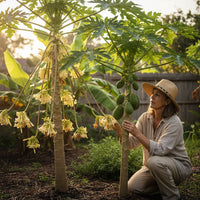
Papaya, known botanically as Carica papaya, is a tropical fruit recognized for its flavorful flesh—but many also value the lesser-known leaf and the specialized enzyme called papain. Although papaya leaf extract and papaya enzyme supplements are both derived from this vibrant plant, they differ in source, method of production, compounds, labeling language, and typical everyday uses.
For those investigating natural wellness or comparing supplement options, understanding the characteristics unique to papaya leaf extract versus papaya enzyme can support more informed choices. Let’s explore how each ingredient is produced, what plant parts they come from, how to interpret product labels, and the practical considerations for daily use or purchasing.
Understanding Papaya Leaf Extract: What It Is and How It’s Made
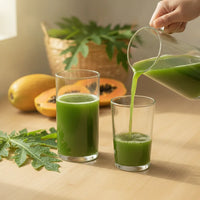
Papaya leaf extract is derived specifically from the green leaves of the Carica papaya plant. The process begins with sourcing clean, mature leaves, which are then dried and prepared for extraction. Common methods include:
- Water extraction: Soaking or simmering leaves to extract water-soluble compounds.
- Alcohol extraction: Using food-grade alcohol to draw out a broader spectrum of bioactive compounds.
- Cold-pressed extraction: Mechanical pressing of leaves, sometimes followed by filtration.
The result is either a liquid or powdered extract that contains the plant’s naturally occurring phytochemicals and micronutrients. Labels may specify “Carica papaya leaf extract,” "Papaya (leaf),” or similar language. This helps consumers differentiate leaf-based extracts from fruit or enzyme formats.
Papaya leaf contains a distinct set of plant compounds, including:
- Flavonoids (such as quercetin)
- Alkaloids
- Phenolic acids
- Vitamins A, C, and E
- Saponins
The precise composition depends on extraction technique and source quality. Unlike papain-focused enzymes, papaya leaf extract delivers a spectrum of constituents beyond enzymes, which may contribute to its traditional uses in herbal culture.
Papaya leaf extract is commonly found in:
- Liquid extracts/tinctures
- Capsules or powders
- Herbal teas
- Topical applications (lotions or serums)
On product labels, the term “leaf extract” or “standardized to X% flavonoids” may appear, helping identify the key active fractions. For those who want the benefits of papaya leaf in a convenient format, Organic Papaya Leaf Extract 16oz | 15X Liquid – Best Value Size offers a highly concentrated, easy-to-use liquid option.
Papaya Enzyme (Papain): Where It Comes From and How It’s Produced
Unlike papaya leaf extract, papaya enzyme—often named papain—originates primarily from the latex of unripe papaya fruit and, less commonly, its seeds. Papain is a naturally occurring enzyme categorized as a protease, meaning it can break down proteins into smaller fragments.
The process to create papaya enzyme supplements or food additives typically involves:
- Harvesting latex: Tapping the surface of young, green papaya fruits to collect the milky liquid rich in papain.
- Purifying and drying: Filtering, sometimes crystallizing, and drying the latex to produce a powder or granulate.
- Sometimes, fruit flesh or seeds: These may also contribute enzymes, though latex remains the primary source for supplementation.
Supplements and ingredient decks may list: “Papain (from papaya),” “Papaya Enzyme,” or “Carica papaya fruit enzyme.” Notably, 15 Day Detox Capsules | Papaya Enzyme & Papaya Seed Powder | Natural Full-Body Cleanse features both papaya enzyme and seed powder for those seeking digestive support and cleansing.
The centerpiece compound is:
- Papain: A proteolytic (protein-digesting) enzyme
A second, less prominent enzyme found in papaya fruit is chymopapain (distinct from the restricted medical use variety).
Unlike papaya leaf extract, papaya enzyme products are almost entirely focused on delivering enzyme activity, not broader phytochemicals.
Papaya enzyme finds its way into various sectors, including:
- Digestive enzyme supplements (tablets, chewables, or capsules)
- Meat tenderizers
- Food production as a clarifying or softening agent
- Occasionally, topical creams for exfoliation purposes
Product labels often focus on “enzyme activity,” measured in USP or FCC units, rather than plant-source concentration. If you're interested in enzyme-derived support for digestion, Papaya Seed Powder Capsules – Gut & Colon Cleanse Support is a capsule product designed for digestive wellness.
Comparing Plant Parts: Leaf vs Fruit/Seed Used for Extraction
Understanding which part of the papaya lends itself to each type of product can clarify ingredient labels and expectations. Those looking for a simple capsule format featuring leaf-derived compounds often consider Papaya Leaf Extract 10X Capsules 600mg | Platelet & Digestive Aid, which combines targeted support with convenient dosage.
- Papaya leaf extract: Always from the leaf. Look for terms like “leaf,” “Carica papaya leaf,” “leaf extract,” or “standardized leaf powder.”
- Papain/papaya enzyme: Most often from unripe fruit latex, sometimes including seed or fruit flesh. Labels use "papain (from papaya fruit/latex)" or similar.
Careful reading ensures you select an ingredient that matches your intended use and avoids unintentional overlap between product types.
What to Look for on Papaya Product Labels
Reading papaya supplement and ingredient labels accurately can prevent confusion between extracts and enzymes. Here’s a breakdown for both:
Papaya Leaf Extract Labels
- Plant part specified: Should clearly state “leaf” or “leaf extract.”
- Botanical name: “Carica papaya” with “leaf” noted. This signals authenticity.
- Standardization details: Amount of active compounds (e.g., “standardized to 5% total flavonoids”).
- Extraction method: Sometimes noted as “water extract,” “alcohol extract,” or “supercritical extraction.”
- Serving concentration: Typically listed in mg per dose or percentage.
Papaya Enzyme Labels
- Source: Most labels state “papain from papaya fruit” or “latex.”
- Enzyme units: Look for activity levels, e.g., USP (United States Pharmacopeia) or FCC (Food Chemical Codex) units.
- Not standardized to non-enzyme compounds: Instead, focus is on enzymatic potency.
- May mention “fruit enzyme”: Indicates part of the plant utilized.

Always ensure the product matches your needs by reviewing plant part, extraction method, and activity metrics. For those who enjoy teas, Organic Papaya Leaf Tea | 24 Premium Bags – Caffeine-Free provides a traditional route to experience papaya leaf’s properties.
Enzyme Activity Explained: Terms and What They Mean
When buying papaya enzyme supplements (and food products), “enzyme activity” is a key measure:
- USP Units: Measures how much protein an enzyme sample can process under specific conditions.
- FCC (Food Chemical Codex) Units: Used in food manufacturing; reflects enzyme potency.
- Milligrams: Sometimes used to indicate total weight of enzyme, but doesn’t reflect potency unless activity units are also given.

Higher activity numbers denote a more potent enzyme preparation but do not guarantee compatibility for everyone.
Safety, Sensitivities, and Potential Side Effects
Both papaya leaf extract and papaya enzyme supplements are generally well-tolerated by most healthy adults in moderate quantities, but certain considerations apply:
Papaya Leaf Extract Safety
- Taste: Leaf extracts can be notably bitter.
- Allergic reaction: Rare, but possible (especially for those allergic to papaya or related plants).
- Pregnancy/lactation: Consult a healthcare professional before use due to limited research on effects in these populations.
- Source quality: Seek products lab-tested for purity to ensure no unwanted contamination (e.g., pesticides, heavy metals).
If you value a thorough approach to wellness, Blood Platelet Support with Papaya Leaf | Organic 15X Liquid Extract is designed for those focusing on natural platelet and immune support.
Papaya Enzyme (Papain) Safety
- Sensitive digestion: High-enzyme doses may occasionally cause mild stomach disturbance in sensitive individuals.
- Allergies: Reported rarely; people with latex or papaya allergies should use caution.
- Topical use: May cause skin sensitivity for some; patch test before applying creams or lotions containing papain.
Look for brands providing transparent sourcing, third-party testing, and clear labeling to minimize unwanted additives or hidden ingredients. For those who want simplicity while traveling, Papaya Leaf Extract - 1oz 15X Organic Liquid delivers convenience in a compact bottle.
Reading Third-Party Lab Reports and Transparency Standards
Brands committed to quality often provide accessible third-party lab test results confirming their product’s content and safety. Look for:
- Verification of plant part: Does the lab confirm the product is truly leaf extract or enzyme?
- Purity checks: Lab analysis for pesticides, solvents, or heavy metals.
- Enzyme potency: With papain/papaya enzyme, look for laboratory-confirmed activity levels.

Reach out to the manufacturer or check their website for a Certificate of Analysis (COA). This transparency builds trust and supports an informed decision when choosing between papaya leaf extract and papaya enzyme products.
Everyday Formats: How Papaya Leaf Extract and Enzyme Products Are Used
Both ingredients can be found in a spectrum of wellness and culinary forms. Here’s how they typically appear:
Papaya Leaf Extract
- Liquid extracts: For drops into beverages or taken alone.
- Capsules/tablets: Convenient for travel or simple daily use.
- Powders: Blend into smoothies or recipes.
- Tea bags/loose leaf: If you prefer herbal teas.
- Topical lotions: Sometimes used in blends with other soothing herbs.
Papaya Enzyme
- Chewable tablets: Popular after-meal format.
- Capsules: Swallow with meals.
- Loose powder: Used in kitchen or supplement mixes.
- Food additives: As tenderizers or clarifying agents.
- Cosmetic creams: In some skin-exfoliation products.
Understanding these everyday uses can help you select a format that aligns with your wellness approach or culinary needs.
Questions to Ask Before Choosing Papaya Products
Whether you’re considering papaya leaf extract or papaya enzyme, asking clear questions will ensure you choose responsibly:
- Which plant part is used? Is this a leaf, fruit, or latex-sourced product?
- How is it extracted? What methods are used to derive the active compounds or enzyme?
- What does the label say about standardization or activity? Are active ingredients quantified?
- Is there a third-party lab report provided? Can you see a COA confirming purity and correct plant identification?
- What is the recommended serving, and in what format is it available? Does the delivery form match your preferences?
- Are there any additional ingredients, binders, or fillers? Is the formula as simple and clean as possible?
- Does the brand offer information about sourcing and quality standards? Transparency reflects a commitment to safety and efficacy.
Asking these questions—plus reviewing ingredient labels and available lab reports—empowers you to make confident, informed choices between papaya leaf extract and papaya enzyme supplements.
Frequently Asked Questions
Question 1: What’s the main difference between papaya leaf extract and papaya enzyme?
Answer: Papaya leaf extract is made from the plant’s green leaves and contains various compounds like flavonoids, phenolic acids, and vitamins. Papaya enzyme, or papain, comes from the latex of unripe fruit and focuses on proteolytic (protein-digesting) activity. For those seeking a leaf-based option, Organic Papaya Leaf Extract 16oz | 15X Liquid – Best Value Size provides a potent solution.
Question 2: Are there capsule options for papaya supplements?
Answer: Yes, you can choose Papaya Leaf Extract 10X Capsules 600mg | Platelet & Digestive Aid for leaf-based support, or 15 Day Detox Capsules | Papaya Enzyme & Papaya Seed Powder | Natural Full-Body Cleanse for enzyme and seed cleansing benefits.
Question 3: How should I interpret 'enzyme activity' on papaya enzyme supplements?
Answer: Enzyme activity (measured in USP or FCC units) tells you how powerful the papain is at breaking down proteins. Higher numbers mean a stronger enzymatic action. For digestion, Papaya Seed Powder Capsules – Gut & Colon Cleanse Support uses these principles.
Question 4: Is papaya leaf extract safe for everyone?
Answer: Most adults tolerate it well in moderate amounts, but some may find the taste bitter or experience rare allergic reactions. Expecting or nursing mothers should seek advice. A lab-tested product such as Blood Platelet Support with Papaya Leaf | Organic 15X Liquid Extract offers extra peace of mind.
Question 5: Can I enjoy papaya leaf in tea form?
Answer: Absolutely. Organic Papaya Leaf Tea | 24 Premium Bags – Caffeine-Free is a convenient option for traditional herbal tea lovers seeking the properties of papaya leaf.
Question 6: Are there travel-friendly papaya leaf options?
Answer: Yes, Papaya Leaf Extract - 1oz 15X Organic Liquid is specifically sized for portability and easy dosing.
Question 7: What should I check on a papaya supplement label for quality?
Answer: Look for plant part, extraction method, standardization or enzyme activity, and third-party lab results. Transparency ensures you get a product that matches your goals.
If you’re exploring papaya leaf extract or papaya enzyme products, look for clear labeling, quality sourcing, and transparent lab testing to support a knowledgeable and confident selection.
About the Author
Herbal Goodness Editorial Team
The Herbal Goodness Editorial Team specializes in holistic health and superfoods, blending science and nature to educate and empower our community.
Related Articles
What Does Papaya Leaf Extract Do for You? Traditions, Uses, and Research Insights
How Much Papaya Leaf Extract Should I Take? A Beginner’s Guide to Safe Serving Sizes
Carica papaya Explained: How to Read Papaya Seed Extract Labels
From Papaya Leaf to Capsule: The Herbal Supplement Supply Chain