





Olive Extract 101: From Leaf to Tea, Tincture, Powder, and Capsule Explained

Olive leaf extract has become increasingly popular among wellness enthusiasts for its versatility and rich botanical legacy. But what exactly does "olive extract" mean, and how does the humble olive leaf end up in teas, tinctures, powders, and capsules lining health store shelves? This guide is designed to unravel the basics—no prior expertise required. We’ll walk you through the main forms olive leaf extract takes, explain how different extraction methods affect taste and strength, break down important label terms, and offer easy ways to incorporate olive into your day. If you’re just starting to explore olive extract or want to feel more confident shopping for it, you’re in the right place.
Understanding Olive Extract: What Does It Mean?
When you see “olive extract” on a wellness product, it typically refers to a concentrated preparation made from the leaves of the olive tree (Olea europaea). These extracts capture certain plant compounds, most notably oleuropein, that are valued for their traditional botanical use. Unlike olive oil, which comes from the fruit, olive leaf extracts are made for their unique blend of phytonutrients. The term "olive extract" covers a wide range of products—each suited to different preferences, uses, and routines.
One way to explore herbal alternatives is by trying Soursop Leaf Graviola Extract 15X Liquid | Organic Cell & Immunity, which offers concentrated plant compounds just like olive leaf, but sourced from soursop leaves for cell and immunity support.
Common Forms of Olive Leaf Extract: Tea, Tincture, Powder, Capsule
The olive leaf’s journey from tree to supplement can take several paths. Below, we break down the most popular product formats and what makes each unique:
Olive Leaf Tea
- What it is: Olive leaf tea consists of dried, often gently crushed leaves steeped in hot water.
- Taste: Naturally mild, with green, earthy notes and a touch of pleasant bitterness.
- Preparation: Brew a teaspoon of the dried leaves in hot water for about 5–10 minutes. Water extracts mainly water-soluble plant constituents.
- Why choose it: Popular for ritual and relaxation, tea offers a gentle introduction to olive’s botanical world.
If you’re interested in experiencing a similar soothing infusion, Soursop Leaf Tea | Organic Graviola 24 Bags | Soursop Tea Benefits for Immunity & Wellness makes for a mild, grounding cup with traditional wellness associations.

Olive Leaf Tincture
- What it is: A liquid extract made by soaking olive leaves in alcohol (or sometimes glycerin). The alcohol draws out a broader spectrum of olive’s natural compounds compared to water alone.
- Taste and use: Potent, concentrated, and herbal with a stronger bite. A few drops to a teaspoon is typically diluted in water or juice for consumption.
- Why choose it: Tinctures are chosen for portability and concentrated dosing; they allow for flexible serving sizes.
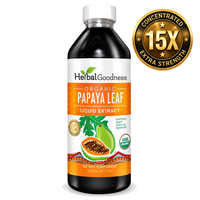
Liquid herbal extracts like Organic Papaya Leaf Extract 16oz | 15X Liquid – Best Value Size offer similarly flexible dosing and a broad spectrum of botanical compounds.
Olive Leaf Powder
- What it is: Dried olive leaves, finely ground into a powder. Sometimes you’ll see “extract powder,” which can indicate higher concentration.
- Taste and versatility: Earthy, mildly bitter. Powders can be added to smoothies, yogurts, or stirred into drinks.
- Why choose it: Great for recipes and for those who like to customize their intake.
For those who enjoy experimenting in the kitchen, Organic Papaya Seed Powder 4oz | Gut Cleanse & Digestive Support offers a versatile powder format perfect for blending into smoothies and recipes.
Olive Leaf Capsules
- What it is: Encapsulated powder or concentrated extract, offering a simple way to incorporate olive leaf without tasting it directly.
- Convenience: Odorless and tasteless, easy to travel with, and suitable for those who prefer measured servings.
- Why choose it: Popular for busy lifestyles or anyone seeking consistency.
Those seeking straightforward capsules for daily support could consider the Blood Platelet Plus Capsules 20X | 60ct – Advanced Platelet Formula as a convenient herbal option.
How Olive Leaf Extract is Made: Methods, Flavor, and Concentration
Olive leaf extraction isn’t one-size-fits-all. The process used not only changes the product’s form but also its flavor and strength.
Basic Extraction Methods
- Water Extraction (for tea): Dried, cut leaves are steeped in hot water to draw out water-soluble compounds, mostly delivering a mild product and gentle flavor.
- Alcohol Extraction (for tinctures): Olive leaves soak in alcohol or alcohol-water blends. Alcohol pulls a broader spectrum of plant constituents, resulting in a more concentrated and robust-tasting product.
- Powdering (for powder and capsules): Leaves are dried, then finely ground. For “extract powder,” sometimes plant material is concentrated before powdering, intensifying taste and content.
How Methods Affect Taste and Strength
- Tea: Subtle, earthy, sometimes grassy; light in bitterness, ideal for sipping.
- Tincture: Strong herbal flavor, notable potency; best consumed diluted.
- Powder: Earthy and vivid, sometimes quite bitter depending on the concentration; blends well with flavorful foods or drinks.
- Capsule: Minimal flavor impact, as the powder or extract is encapsulated.
Concentration Differences
Extraction method matters for concentration. For example:
- Teas are generally considered to have milder concentrations due to the limitations of water extraction.
- Tinctures often declare their extract ratio (i.e., 1:2 means one part leaves to two parts liquid), denoting stronger concentration.
- Powders and capsules may also be standardized to indicate certain amounts of active constituents per serving.
Experimenting with Soursop Graviola Leaf Extract Capsules 10X Potency | 60ct – Cell Renew & Immunity is one way to explore how capsule concentration can fit into your daily routine.
Decoding Labels: What to Look for on Olive Extract Products
Label literacy helps you choose olive extracts that align with your needs. Here’s a brief tour:
Understanding Extract Ratios
- What is an extract ratio? It shows the relationship between the raw plant material and the finished extract. For instance, a 10:1 ratio means it took 10 grams of olive leaf to make 1 gram of extract. A higher ratio often indicates a more concentrated extract.
Capsules like Papaya Leaf Extract 10X Capsules 600mg | Platelet & Digestive Aid also highlight standardized potency and clearly labeled ratios, just like you’d expect in quality olive leaf supplements.

“Standardized” and “Full Spectrum” Language
- Standardized: Indicates the extract has been formulated to deliver a specific level of a plant compound (commonly oleuropein, measured in milligrams per serving). This can help ensure consistency batch to batch.
- Full spectrum: Suggests the extract retains a broader array of natural compounds from the whole leaf, rather than isolating a single ingredient.
Brands that provide clear labeling, as seen in Blood Platelet Support with Papaya Leaf | Organic 15X Liquid Extract, help consumers better understand what’s in their products.
Listing of Milligrams or Percentages
Look for clear declarations such as: “Provides 100 mg olive leaf extract standardized to 20% oleuropein.” This tells you not only how much extract is present but also the minimum level of a key plant constituent.
Simple Ways to Prepare Olive Leaf at Home
If you’re curious to try olive leaf yourself, here are beginner-friendly ways to get started:
Homemade Olive Leaf Tea
- Ingredients: 1–2 teaspoons dried olive leaves, 1 cup just-boiled water.
- Instructions: Place the leaves in a cup or teapot, add boiling water, steep 5–10 minutes, then strain. Add a squeeze of lemon or a touch of honey for flavor if desired.
Bulk options such as Bulk Loose Leaf Teas & Tisanes - Organic 4oz - Herbal Wellness Teas allow creativity in home tea blending and herbal infusions.
Olive Leaf Powder in Recipes
- Add to smoothies: Start with a small pinch (1/4–1/2 tsp) in a morning smoothie.
- Stir into yogurt or oatmeal: Blend well to incorporate; earthy taste pairs with ripe fruit or sweet spices.
Small-Batch Tincture (For the Adventurous)
- Research and caution: Making tinctures at home involves using alcohol and precise ratios. Consider reputable guides or herbal references for step-by-step instructions, and always use food-grade ingredients.
Sourcing Olive Leaf Extract: Questions to Ask for Quality and Sustainability
When bringing olive extracts into your routine, thoughtful sourcing matters—not just for your own quality standards but for the planet and the communities who grow the olive trees.
Where Was the Olive Leaf Grown?
- Region: Mediterranean countries are longstanding sources, but some brands support local or organic growers in other regions. Country of origin can affect taste and sourcing transparency.
Were Chemicals or Additives Used?
- Organic and natural practices: Look for products made without synthetic pesticides or unnecessary additives.
- Minimal processing: Some prefer less-processed products to retain the plant’s full character.
How Are the Leaves Harvested and Handled?
- Sustainable practices: Responsible harvesting supports healthy olive groves and reduces environmental impact. Ask brands or sellers about their harvesting and processing protocols, especially if sustainability is important to you.
If sustainability and transparency are priorities, Organic Papaya Leaf Extract 16oz | 15X Liquid – Best Value Size and similar organic extracts offer peace of mind with their focus on sourcing and rigorous quality standards.
Does the Company Share Testing or Quality Information?
- Third-party certifications: Independent verification from reputable organizations indicates quality and transparency. Brands like Herbal Goodness prioritize rigorous standards and third-party testing whenever possible for peace of mind.
Making Olive Extract Work for You: Personalizing Your Experience
Olive extract’s flexibility means it can suit a variety of preferences—from the ceremony of tea brewing to the efficiency of a capsule. Think about:
- How you plan to use it: Do you gravitate toward daily teas, travel convenience, or culinary experimentation?
- How much flavor you want: Some love the taste, others may prefer neutral formats.
- What’s important to you: Whether it’s standardized potency, sustainability, organic practice, or transparency, you can find a product that aligns with your values.
For those always on the move, capsule formats like Blood Platelet Plus Capsules 20X | 60ct – Advanced Platelet Formula provide reliable, mess-free options.
Bringing it All Together: Building Confidence as an Olive Extract Beginner
Learning the basics of olive leaf extraction gives you agency on your wellness journey. With a little understanding of product formats, extraction methods, and label language, you can navigate store shelves or online options with confidence. The world of olive extract offers something for everyone, whether you’re building daily rituals, leveling up your kitchen creations, or simply seeking a convenient way to explore traditional botanical practices. Remember that simple, high-quality sourcing—alongside a keen eye for label details—sets the stage for a positive olive extract experience.
Frequently Asked Questions
Question 1: What are the main forms of olive leaf extract available?
Answer: The main forms include tea, tincture, powder, and capsules. If you want an easy start, Soursop Leaf Tea | Organic Graviola 24 Bags | Soursop Tea Benefits for Immunity & Wellness mirrors some of the benefits and flavor experience of olive leaf tea.
Question 2: How can I compare concentrations between tea, tinctures, and capsules?
Answer: Check the extract ratio or standardized percentage on the label. Products like Papaya Leaf Extract 10X Capsules 600mg | Platelet & Digestive Aid clearly state their potency, similar to concentrated olive leaf products.
Question 3: What does it mean if a product is 'standardized'?
Answer: 'Standardized' means the product contains a guaranteed percentage of a key compound, like oleuropein. You’ll find similar assurances in standardized supplements such as Blood Platelet Support with Papaya Leaf | Organic 15X Liquid Extract.
Question 4: Are there ways to use olive leaf powder in daily recipes?
Answer: Yes, you can blend it into smoothies or sprinkle into yogurt for a boost. Organic Papaya Seed Powder 4oz | Gut Cleanse & Digestive Support is a great powder option for similar uses.
Question 5: Why does the country of origin or organic status of olive extract matter?
Answer: Origin and organic certification can impact flavor, quality, and sustainability. Brands that disclose this info—like Organic Papaya Leaf Extract 16oz | 15X Liquid – Best Value Size—help you choose responsibly.
Question 6: Is it possible to experiment with bulk or loose-leaf herbs at home?
Answer: Absolutely. Bulk Loose Leaf Teas & Tisanes - Organic 4oz - Herbal Wellness Teas makes it easy to create custom blends and infusions from the comfort of home.
Curious about olive extracts? Explore reputable brands, check for transparent sourcing and clear labeling, and try preparing olive tea or powder at home to discover what suits your lifestyle best.
About the Author
Herbal Goodness Editorial Team
The Herbal Goodness Editorial Team specializes in holistic health and superfoods, blending science and nature to educate and empower our community.
Related Articles
Understanding Olive Leaf: Botany, Symbolism, and How to Read Product Labels
How Long Does Olive Leaf Take to Work? Forms, Timelines, and Tracking Tips
Is Olive Leaf Safe for Kidneys? A Comprehensive Consumer Primer
Soursop Formats Explained: Teas, Tinctures, Powders, Capsules, and Bitters Guide