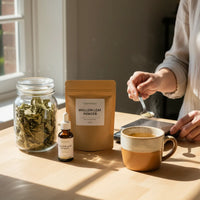
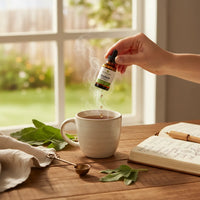
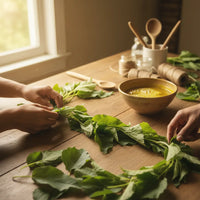
Mullein Leaf Tea vs Extract: Practical Comparison for Everyday Use

Introduction: Exploring Mullein Leaf Tea vs Extract
Choosing between mullein leaf tea and liquid extract (or tincture) can feel daunting if you’re new to herbal wellness. With so many brands and options on the shelf, understanding the real-world differences—how each fits into your lifestyle, tastes, and budget—makes all the difference. In this guide, we’ll walk through everything everyday users need to know to make an informed (and enjoyable!) choice: from preparation and cost per serving, to flavor, rituals, and label tips. No background in herbalism required—just practical, honest guidance for the curious and health-conscious.
Preparation Time and Convenience: Brewing Tea vs Taking Extract
The first big difference between mullein tea and extract is how you use them. Here’s what that looks like in plain terms:
Brewing Mullein Leaf Tea
How it works: Pouring hot water over dried mullein leaves (in a tea bag or loose), letting it steep, and enjoying as you would any herbal tea.
- Prep Time: Typically, 5–10 minutes per cup (plus cooling time).
- What you need: Mug, hot water, tea infuser/strainer (for loose tea).
- Ritual factor: Many find this relaxing and sensory—a comforting part of morning or bedtime routines.
If you love the ease of a high quality bagged herbal infusion, Mullein Leaf Tea - Organic 24 Tea Bags - Respiratory & Lung delivers pure ingredients for calming routines.
Using Mullein Extract (Tincture)
How it works: Measured drops of concentrated liquid extract are added directly to water, juice, or under the tongue.
- Prep Time: 15 seconds, usually just a dropperful.
- What you need: Dropper bottle, small glass of liquid.
- Ritual factor: Fast and portable—great for those on the go or looking for simplicity.
Those seeking maximum potency and simplicity might consider the Mullein Leaf - Organic 15X Liquid Extract - Respiratory & Lung Health, a formulation specifically designed for ease and convenience.
Quick Comparison Table (for reference):
Time per serving:
- Tea: 5–10 minutes
- Extract: Under 1 minute
Taste, Sensory Experience, and Rituals
The sensory side of herbal preparations is important—not just the effect, but the experience. Here’s what to expect:
Mullein Leaf Tea Taste and Feel
- Flavor notes: Mild, slightly earthy, some describe as grassy or herbal but very gentle.
- Mouthfeel: Light-bodied, not bitter or overwhelming. May be slightly fuzzy or dusty due to fine leaf hairs if unfiltered.
- Rituals: Brewing tea means slowing down—many love the aromatic steam and warmth. The process itself invites calm and mindfulness.
Adding Bamboo Leaf Tea – 24/1.5g Tea Bags - Nature's Collagen & Biotin is a great way to complement your herbal tea ritual for added beauty benefits, especially if you enjoy herbal blends in your routine.
Mullein Extract Taste and Use
- Flavor notes: More intense, concentrated herbal taste—sometimes with an alcohol or glycerin base (check the label). Can be earthy or slightly sweet.
- Mouthfeel: May feel warming or slightly sharp if taken directly. When diluted with water or juice, the flavor often becomes milder.
- Rituals: Less ceremony. Appeals to those who want efficiency or minimal preparation.
Tip: Try a side-by-side taste test—the differences can be subtle but noticeable!

Shelf Life & Storage: What to Expect
When comparing mullein tea and extract, storage and freshness are key considerations.
Mullein Leaf Tea
- Typical shelf life: 1–2 years in a dry, cool place if properly sealed.
- Sensory signs of age: Loss of color, degrading aroma, or musty odor means time to replace.
- Storage tips: Keep in airtight containers. Light and humidity reduce potency and freshness.
If you tend to keep your herbal teas for longer periods, products like our organic herbal teas can be ideal for those who enjoy flexibility with storage and blend options.
Mullein Extract (Tincture)
- Typical shelf life: 3–5 years (sometimes longer), especially if made with alcohol, which naturally preserves herbal compounds.
- Signs of aging: Cloudiness or off-odors suggest it’s time for a fresh bottle.
- Storage tips: Store tightly closed, away from direct sunlight and heat.
Serving Sizes and Concentration: Understanding What’s in Each Dosage
Because tea and tincture forms are quite different, it’s useful to get a sense of how much mullein you’re actually consuming each time.
Typical Serving: Tea
- Common measurement: 1 heaping teaspoon (about 1.5–2 grams) dried mullein leaf per 8–12 oz cup.
- Preparation: Steep in hot (almost boiling) water for 5–10 minutes.
- Adjustment: Can double up for a stronger cup, but flavor remains mild.
Papaya Leaf Tea - Organic 24/2g Tea Bags can be another option if you want to explore other traditional herbal teas with similar preparation steps and wellness benefits.
Typical Serving: Extract
- Measurement: Often 1–2 droppers full (roughly 30–60 drops), delivering a concentrated amount—check the bottle for exact strength (e.g., "1:5 extract" means 1 part herbal material to 5 parts liquid base).
- Variety: Concentration can vary greatly from brand to brand, so always check the label’s extraction ratio.
Label Terms to Know
- 1:1, 1:5, 1:10: Indicates concentration (lower second number = stronger extract).
- Dry Herb Equivalent: Some labels mention how much herb is in each serving—helpful for comparison to tea.
- Alcohol vs Glycerin Base: For those who avoid alcohol, look for "alcohol-free" or "glycerin-based." These tend to be sweeter.

Cost-Per-Serving: Doing the Math
One of the most practical ways to decide between tea and extract is to calculate how much each dose actually costs—since concentration, packaging, and serving size all play a role.
Breaking It Down: Tea
- Average bag (about 1 oz): Contains roughly 12–15 servings; price varies by quality and source.
- Estimated cost per cup: Often $0.20–$0.50, depending on brand and organic certification.
Herbal Tea Gift Set – Wellness Tea Gift Variety Collection is a solid way to sample multiple teas and track your cost per serving while exploring different blends.
Breaking It Down: Extract
- 1 oz dropper bottle: Offers about 30–40 servings depending on dropper size and label instructions.
- Estimated cost per serving: Typically $0.60–$1.00, but delivers a higher concentration in less liquid.
For those prioritizing potency per drop, explore the Mullein Leaf - Organic 15X Liquid Extract - Respiratory & Lung Health to compare value.
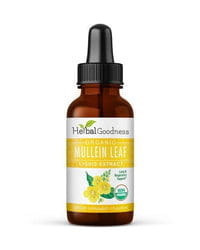
Key insight: Extracts usually cost more per serving but offer convenience and potency; tea provides affordability and a sensory experience.
Picking the Right Fit: Sensory & Lifestyle Questions
To figure out what really works for you, ask:
- Am I seeking ritual and relaxation, or quick convenience?
- Do I prefer mild or robust herbal flavors?
- How important is portability and shelf life?
- How much am I comfortable spending per serving?
- Do I want to avoid alcohol in my extracts?
For those focused on easy, potent herbal supplementation, alternatives like Papaya Leaf Extract - - Organic 16oz 15X Liquid Extract can provide functional wellness benefits and variety.
At-Home Taste & Convenience Experiment
Want to make the comparison yourself? Try this simple experiment:
1. Prepare a cup of mullein tea: Steep 1–2 teaspoons of dried leaves in hot water for 8 minutes. Notice the aroma, look, and flavor. 2. Prepare a serving of mullein extract: Add one dropperful to a small glass of water or juice. Note taste and time it takes to prepare. 3. Reflect: Which did you enjoy more? Was one easier to prepare or more appealing based on your daily routine?
If you enjoy trying different formats, Soursop Leaf Graviola Extract - - Organic 15X Liquid Extract - Cell Renew & Immunity can add variety to your home herbal experiments as another quick, highly concentrated botanical.
This hands-on test can make a world of difference in choosing the right format for your personal needs.
Reading the Label: Plain-English Tips
Herbal product labels are full of useful details—if you know what to look for:
- Serving size and suggested use: Find specific dosing instructions.
- Extraction ratio (1:5, 1:10, etc.): Lower ratios usually mean more concentrated products.
- Base ingredients: Lists if alcohol, glycerin, or water is used.
- Allergen and ingredient lists: Essential for those with sensitivities or dietary preferences.
- Organic or wildcrafted: Many prefer organic for peace of mind.
- Best by/expiration date: Ensures freshness and quality.
Summary: Choosing What’s Right for You
Mullein leaf can be enjoyed as a gentle tea or a powerful extract—each bringing its own set of sensory pleasures, convenience factors, and costs. For those who savor ritual and the soothing pace of an herbal brew, tea might quickly become a favorite. For others, the bold efficiency of a tincture fits busy lifestyles perfectly. There’s no single right answer, just the right choice for your unique routine and taste preferences.
FAQs:
- What does mullein tea taste like?
Mullein tea is known for its gentle, earthy, and slightly grassy flavor. The taste is typically mild and appeals to those who prefer a subtle herbal profile.
- How is mullein extract different from tea?
Mullein extract is a concentrated liquid form of the herb, usually taken in dropperful servings. It offers convenience and a more robust herbal taste compared to the gentler, more ritualistic experience of brewing tea.
- Does mullein extract last longer than tea?
Yes, mullein extract generally has a longer shelf life, often lasting 3–5 years when stored properly, while dried mullein tea is best used within 1–2 years.
- Are extracts always stronger than tea?
Extracts are typically more concentrated by volume than tea. However, strength can vary, so always check the extraction ratio and serving size listed on the label.
- Can I mix mullein extract into my tea?
It’s possible to add a dropperful of mullein extract to a cup of tea for those who want both the ritual of tea and the convenience of extract, but it may intensify the herbal flavor.
- Does mullein extract contain alcohol?
Some mullein extracts use alcohol as a base for preservation and extraction, while others use non-alcoholic bases like glycerin. Always read the label if you have preferences.
- Which is more budget-friendly, tea or extract?
Mullein tea is usually less expensive on a per-serving basis. Extracts offer convenience and concentration, which is reflected in their slightly higher price per serving.
Author Name:
Herbal Goodness Editorial Team
Author Bio:
The Herbal Goodness Editorial Team specializes in holistic health and superfoods, blending science and nature to educate and empower our community.
References:
Introducing Graviola to Young Taste Buds: Fun, Family-Friendly Flavor Exploration
Graviola in the Classroom and at Home: Creative Activities to Teach Kids About Tropical Plants