Meet the Herbal Trio: Soursop, Moringa, and Ashwagandha Compared for Beginners

Unveiling the Herbal Trio: A Beginner’s Guide to Soursop, Moringa, and Ashwagandha
Stepping into the world of herbal wellness brings a sense of discovery and delight, especially when exploring remarkable botanicals like soursop, moringa, and ashwagandha. In this curiosity-driven guide, we’ll compare the origins, flavors, traditional preparations, and accessible product forms of this herbal trio. Whether you’re new to herbal teas or interested in powders and capsules, understanding these herbs can help shape unique, enjoyable daily rituals—purely for the love of botanicals and mindful tasting, not for promised effects. Let’s meet each plant and learn how different cultures have savored them over the centuries.
Soursop: From Tropical Forests to Refreshing Rituals
Origins and Global Background
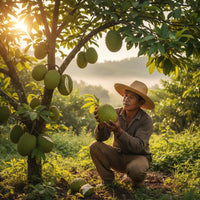
Soursop, also called Graviola or Guanábana, is a tropical fruiting tree native to the rainforests of Central and South America and the Caribbean. The tree thrives in warm climates with rich, well-draining soil, and its large, dark-green leaves are as cherished as its prickly green fruit. Over time, soursop’s popularity has reached Africa, Southeast Asia, and beyond, where communities appreciate both its culinary and botanical value.
Distinctive Flavor Notes
Soursop’s flavor comes as a revelation for many. Often described as a blend of strawberry, pineapple, and citrus with a hint of creaminess, the fruit’s pulp is unmistakably unique. The leaves themselves, when steeped or blended, offer mild earthy, grassy notes with subtle sweetness—a comforting foundation for both solo sipping and creative pairings.
Traditional Preparation and Enjoyment
Cultures across Latin America often prepare soursop in juices, smoothies, and desserts. Caribbean traditions use the leaves to steep calming hot teas. In some regions, dried soursop leaves are gently simmered, creating a soothing evening beverage. More recently, soursop powders and capsules have emerged for everyday convenience, while Soursop Leaf Graviola Extract - - Organic 15X Liquid Extract - Cell Renew & Immunity offers concentrated flavor for blending into water or other teas.
Soursop in Your Everyday Ritual
- Sip soursop tea: Steep 1-2 dried leaves in freshly boiled water for 10-15 minutes; add honey or a squeeze of lime for a tropical twist.
- Smoothie booster: Try a teaspoon of soursop powder in your favorite fruit blend for a creamy, exotic hint.
- Simple blend: Combine soursop with gentle herbs like lemongrass or green tea for a mellow afternoon tea ritual.
For beginners eager to sample this tropical delight, Soursop Leaf Tea Graviola Leaves - Organic 24/2g Tea Bags - Immunity & Cell Renew presents a convenient way to explore traditional flavors.
Moringa: The Leafy Miracle of Many Cultures
Origins and Widespread Heritage
Moringa oleifera, also called the drumstick tree or "tree of life," is native to northern India and the Himalayan foothills. Today, it flourishes across Africa, Southeast Asia, and tropical regions worldwide. Prized by culinary and health traditions alike, moringa leaves, pods, and seeds have found a place in daily meals and gatherings from India to West Africa.
Flavor Experience and Culinary Versatility
Moringa leaves carry a gentle, earthy flavor with grassy and slightly peppery notes. Fresh leaves and pods feature in traditional Indian stews, soups, or stir-fries, adding brightness and a hint of sharpness. When dried and powdered, moringa takes on a deeper, spinach-like quality, blending easily into drinks and savory recipes.
Time-Honored Uses and Home Rituals
Indian communities often make fresh moringa leaf chutneys or blend the leaves into dal. In parts of Africa, moringa powder enriches porridge and stews. Moringa tea, a modern twist, involves simply steeping dried leaves for a nourishing beverage. Moringa Leaf Extract - Organic 1oz 15X Liquid Extract - Immunity & Wellbeing now also delivers its flavor and lore in convenient extract form.
Welcoming Moringa into Daily Life
- Morning tea: Steep a teaspoon of dried moringa leaves in hot water for a vibrant, green cup; pair with lemon or ginger for brightness.
- Nutrition boost: Blend moringa powder into your oatmeal, smoothie, or homemade pesto for a savory twist.
- Easy capsule: For those who prefer simplicity, moringa capsules can become part of a structured daily routine.

Ashwagandha: The Revered Root of Ancient Practice
Historical Roots and Cultural Presence
Ashwagandha, known botanically as Withania somnifera, has been honored in traditional Indian practices for thousands of years. Native to the dry regions of India, the Middle East, and parts of Africa, ashwagandha’s roots and leaves are deeply woven into heritage and ritual.
Distinctive Taste and Texture
Ashwagandha root carries a mild, earthy flavor with a slightly bitter undertone and musky aroma. While its flavor is less sweet or fruity compared to soursop, it pairs gently with honey or spices like cardamom and cinnamon, especially in traditional preparations.
Revered Traditional Preparations
Indian customs feature ashwagandha in warm milk drinks or combined with clarified butter (ghee) and honey. Ashwagandha powder, often mixed into lattes or golden milk blends, brings comfort to the evening. The root is also steeped as a tea or enjoyed as a capsule or tincture for those on the go. For an easy way to discover this tradition, Ashwagandha Root Liquid Extract - Organic - Energy & Mood provides a direct route to ashwagandha in your modern lifestyle.
Integrating Ashwagandha in Mindful Moments
- Warm ashwagandha latte: Blend a half teaspoon of ashwagandha powder into warm (plant-based or dairy) milk, adding cinnamon and honey as desired.
- Traditional tea: Steep dried roots or a pinch of powdered ashwagandha in hot water for a gentle evening sip.
- Capsule convenience: Ashwagandha capsules fit seamlessly into a structured supplement routine for a simple way to welcome this root.
Comparing Product Forms: Teas, Powders, and Capsules
Herbal Teas and Infusions
Teas are among the gentlest, most traditional ways to explore these botanicals. Steeping dried leaves or roots allows subtle flavors and a mindful pause. Whether savoring soursop in the evening, moringa in the morning, or ashwagandha after a busy day, tea offers calm ritual, delicate aroma, and ease of preparation. To simplify your exploration, Soursop Leaf Tea Graviola Leaves - Organic 24/2g Tea Bags - Immunity & Cell Renew brings the authentic taste of soursop leaves right to your cup.
Powders: Culinary Creatives and Blenders’ Delight
Powdered versions open up new culinary possibilities. Moringa and ashwagandha powder blend readily into smoothies, overnight oats, soups, and warm beverages. Soursop powder enhances both sweet and savory recipes, inviting creativity in the kitchen. When blending powders, start with small amounts to appreciate the unique flavors and textures. Graviola Soursop Leaf Extract – 10X 60/600mg Capsules - Cell Renew & Immunity is another option for those looking for a consistent daily intake in capsule form.
Capsules and Liquid Extracts: Routine and Simplicity
Capsules cater to those who value consistency and convenience. With standardized measurements, they offer a reliable way to integrate botanicals into duty-bound routines. Liquid extracts, on the other hand, bring concentrated herbal impressions to water, tea, or juice—ideal for those who enjoy versatile, portable formats. Exploring the robust Soursop Leaf Graviola Extract - - Organic 15X Liquid Extract - Cell Renew & Immunity can provide a simple option for your herbal adventures.

Flavor Pairing and Blending Basics for Safe Exploration
Tasting Notes to Guide Blending
- Soursop pairs well with tropical fruits, mild green teas, and citrus for uplifting flavors.
- Moringa complements savory greens, ginger, lemon, and occasionally sweet notes to balance its natural earthiness.
- Ashwagandha works well with warming spices (cinnamon, cardamom) and gentle sweeteners to soften its herbal complexity.
Safe, Mindful Blending Tips
- Start with simple, single-herb teas to familiarize yourself with each distinct flavor.
- Introduce new herbs slowly, using minimal amounts to gauge your individual preference.
- Consider the time of day—lighter, brighter notes like moringa suit mornings, while grounding botanicals like ashwagandha can feel more soothing in the evening.
- Avoid blending too many bold flavors at once; allow each plant to shine.

Building Gentle Daily Rituals with Herbal Goodness Principles
Adopting botanicals into daily life need not be complex. With humble, high-quality sources and mindful preparation, you can experience the unique stories and flavors of each herb. Brands like Herbal Goodness support transparent sourcing, careful processing, and traditions rooted in respect for both plant and culture. However you choose to experience soursop, moringa, or ashwagandha—sipped, blended, or encapsulated—take time to savor each encounter and celebrate the small joys in trying something new. Start with trusted products like Moringa Leaf Extract - Organic 1oz 15X Liquid Extract - Immunity & Wellbeing to build your ritual.
Sourcing and Quality: What Beginners Should Know
A key part of embracing the herbal trio is understanding the value of fresh, carefully processed botanicals. Seek out brands that honor fair trade, responsible harvesting, and third-party testing. Look for clear labeling specifying organic cultivation and non-GMO practices. When working with powders, check the color and aroma—vivid green for moringa, mild sweetness for soursop, and an earthy scent for ashwagandha are good signs. Transparent brands, like Herbal Goodness, often share details on sourcing, purity, and testing for the assurance of both tradition and safety in your cup or capsule. Selecting reliable options such as Graviola Soursop Leaf Extract – 10X 60/600mg Capsules - Cell Renew & Immunity can simplify your choice.
Creating Your Personal Herbal Adventure
Trying new herbs is an invitation to expand your palate and connect with natural traditions. Keep a simple journal of tasting notes, blending recipes, and rituals that bring a sense of calm or delight. Experimenting with temperature, sweeteners, or pairings over time can transform a beginner’s sampling into a cherished practice. Remember: every cup or scoop is less about expectation and more about experience, connection, and the pure pleasure of the world’s remarkable plants.
FAQs:
- What do soursop, moringa, and ashwagandha taste like?
Soursop is fruity, blending strawberry, citrus, and creamy notes. Moringa tastes earthy and slightly peppery, similar to spinach. Ashwagandha offers a mild, earthy, and somewhat bitter flavor with a musky aroma.
- How are these herbs traditionally prepared?
Soursop is commonly steeped as tea or used in juices; moringa appears in teas, powders, and cooked dishes; ashwagandha is often mixed with warm milk or hot water as tea or taken as a powder or capsule.
- Can I blend these herbs together?
Yes. Minding each herb’s distinct flavor, gentle blending can be enjoyable. Start with small amounts, pairing complementary flavors, to explore safe and pleasant combinations.
- Is it safe to try all three herbs at once?
For most people, tasting small amounts of each is a gentle introduction. Begin with single-herb teas or powders, note personal preferences, and increase complexity slowly as you become familiar.
- What product forms are available for these herbs?
Soursop, moringa, and ashwagandha are commonly found as teas, powders, capsules, and liquid extracts. Choose a format that matches your lifestyle and taste preferences.
- How do I ensure I’m getting quality herbs?
Look for brands that use transparent sourcing, organic or non-GMO practices, and third-party testing. Fresh aroma, vivid color, and reputable labels help ensure you’re getting pure botanicals.
- Why are daily rituals important in herbal wellness?
Daily rituals encourage mindfulness, help you connect with the sensory experience of herbs, and support consistency. Whether you brew tea or blend a smoothie, embracing the moment is central.
Author Name:
Herbal Goodness Editorial Team
Author Bio:
The Herbal Goodness Editorial Team specializes in holistic health and superfoods, blending science and nature to educate and empower our community.
References:
Introducing Graviola to Young Taste Buds: Fun, Family-Friendly Flavor Exploration
Graviola in the Classroom and at Home: Creative Activities to Teach Kids About Tropical Plants
Why Social Impact Matters in Plant-Based Wellness