Low‑Waste Gymnema DIY: Alcohol‑Free Extracts, Simple Infusions, and Eco Uses

Curious about harnessing the benefits of gymnema leaves while keeping your DIY projects eco-conscious and approachable? Whether you’re a home gardener, tea enthusiast, or just starting with herbal crafting, exploring alcohol-free gymnema extracts, simple water and vinegar infusions, and low-waste uses for every part of the leaf opens up a world of practical possibility. In this guide, you’ll learn easy step-by-step recipes, creative tips, and safe storage and labeling practices—all designed for mindful, sustainable herb use.
Understanding Gymnema: Freshness, Flavor, and DIY Potential
Gymnema (Gymnema sylvestre) has long been valued in wellness traditions for its unique plant compounds and distinctive, slightly bitter taste profile. For DIY herbalists and gardeners, the journey begins with understanding how leaf freshness and extraction methods shape your final creation.
Fresh vs. Dried Gymnema Leaves:
Fresh gymnema leaves bring a vivid green color and subtle grassy note to infusions, with slightly milder bitterness.
Dried gymnema leaves deliver a more concentrated flavor and shelf stability, making them convenient for small-batch extracting.
Choosing for Your Project:
For water and vinegar infusions, both fresh and dried work well. Choose based on availability or desired taste.
For liquid extracts (like glycerites), dried leaves are preferred due to lower moisture content, which supports longer shelf life and extraction consistency.
If you want to branch out from gymnema, consider the versatility of our Bulk Herbs collection for a reliable stock of dried botanicals to expand your herbal projects.
Simple Water Infusions: Fresh and Dried Gymnema Tea
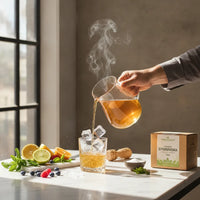
Step-by-Step Gymnema Infusion Recipe
Ingredients:
- 1–2 teaspoons dried gymnema leaves (or 2–3 teaspoons fresh leaves)
- 1 cup hot water (just below boiling)
Instructions:
- Place gymnema leaves in a heatproof mug or teapot.
- Pour hot water over the leaves.
- Cover and steep for 8–10 minutes. (Longer steeping increases bitterness.)
- Strain leaves, reserving both liquid and spent leaves for creative reuse (see below).
- Sip plain, or blend with lemon or mint as a gentle flavor accent.
- Flavor Tip: Experiment with blending fresh and dried leaves to customize flavor strength. Note that a longer extraction time deepens the bitterness and color.
If you appreciate variety, explore unique blends through our organic herbal teas for other tea-loving adventures.
Dilution and Conversion: Making Concentrated Infusions
For stronger brews to use as culinary bases or liquid additions, double the amount of leaves or halve the water quantity. For example:
- 2 teaspoons dried leaf : 4 oz water yields a concentrated infusion—add to smoothies or vinaigrettes in 1–2 tsp increments.

Crafting Alcohol-Free Gymnema Glycerite Extracts
Glycerites are sweet, shelf-stable herbal extracts made using food-grade glycerin—perfect for those seeking alcohol-free options.
DIY Gymnema Glycerite (Alcohol-Free Extract)
You’ll Need:
- 1 part dried gymnema leaves (by weight, e.g., 25g or about 1 cup loosely packed)
- 3 parts glycerin (food-grade, available at natural food stores)
- Optional: distilled water (to dilute thick glycerin for better extraction)
- Glass mason jar (8–12 oz)
- Cheesecloth or fine strainer
- Clean dropper bottle for storage
Instructions:
- Fill a clean jar with dried gymnema leaves.
- In a separate container, blend 3 parts glycerin with 1 part distilled water (75% glycerin to 25% water is standard to preserve shelf life).
- Pour the glycerin mixture over the leaves, ensuring all material is fully submerged.
- Label the jar with the herb, ratio, and date.
- Store in a cool, dark place and shake daily for 3–4 weeks.
- After 3–4 weeks, strain through cheesecloth, pressing to extract all liquid. Bottle in amber glass with a tight-fitting dropper cap.
For a finished extract on hand, try a ready-to-use liquid like Soursop Leaf Graviola Extract 15X Liquid | Organic Cell & Immunity, which also delivers plant-based wellness in a convenient form.
Safety, Storage, and Labeling
- Store gymnema glycerite in a cool, dark cupboard. Shelf-life is typically 1 year if sterile technique is maintained.
- Always label jar and dropper bottle clearly with the product, date of extraction, and the solvent ratio (e.g. “Gymnema Glycerite, 75% Glycerin, Jan 2024”).
- Usage: Typical homemade doses are 1–2 dropperfuls diluted in a small glass of water, or added to beverages for subtle flavor—adjust to your preferences.
Simple Gymnema Vinegar Extract for Culinary and Home Use
Vinegar is a time-honored medium for extracting flavors and plant compounds from herbs. Gymnema vinegars can be used for salad dressings, marinades, or as a zesty rinse.
How to Make Gymnema Vinegar Infusion
Ingredients:
- 1 part fresh or dried gymnema leaves
- 5 parts apple cider vinegar (unfiltered if available)
- Glass jar with non-metallic lid
Directions:
- Place gymnema leaves in the jar, filling about 1/5 of the volume.
- Cover completely with vinegar. Use a plastic lid or wax paper under a metal lid to prevent corrosion.
- Label with date and ingredients.
- Let steep for 2–4 weeks, shaking occasionally.
- Strain into a clean jar or bottle. Store in a cool, dark place; shelf-life is 6–12 months.
- Usage: Splash into vinaigrettes or try as a light herbal hair rinse (dilute 1:4 with water before use).
Fans of herbal vinegars might also appreciate the convenience and purity of Organic Papaya Leaf Extract 16oz | 15X Liquid – Best Value Size in kitchen and wellness applications.

How Extraction Method and Leaf Freshness Affect Your Results
Flavor and Color
- Water infusions yield a pale green, slightly bitter tea with grassy undertones—subtle when hot, more pronounced when cooled.
- Glycerite extracts capture both sweetness and characteristic gymnema character while remaining gentle on the palate.
- Vinegar extractions highlight tangy notes and can turn a faint yellow-green, depending on leaf freshness.
Efficiency and Yield
- Fresh leaves release flavor quickly but extract less thoroughly—ideal for quick culinary uses.
- Dried leaves slowly give up their characteristics, making them a preferred choice for longer extractions.
Looking for even more ways to boost your herbal routine? See sustainable options such as Raw Sea Moss 8oz Bag | St. Lucia Wildcrafted – Nature's Multivitamin for a natural nutrient boost.
Simple Dilution Cheat Sheet
- For homemade infusions that seem too strong: add water to taste. Try 50% dilution first—if the flavor is still too potent, dilute further by half.
- For concentrated extracts like glycerites: start with a few drops or a single dropperful per serving; increase as flavor preference indicates.

Safe Dilution, Usage Math, and Storage Best Practices
- Always use clean, sterilized jars and utensils.
- Store finished infusions and extracts away from heat and sunlight.
- Use within recommended timelines: teas (use same day), vinegars (6–12 months), glycerites (up to 1 year).
- Label everything clearly with process date and ingredients for safety.
Adding herbal blends to your daily routine can also be made easier with the convenience and variety found in Herbal Tea Trio – Build-Your-Own Bundle | Mix & Match Any 3 USDA Organic Herbal Teas & Save 20%, perfect for tea enthusiasts who want more options and sustainability.
Creative Low-Waste Uses for Spent Gymnema Leaves
A truly ecological herbal project considers every part of the plant. After making your infusions or extracts, those gymnema leaves still have a role to play.
Compost and Soil Enrichment
- Spent Leaves for Compost: Add strained gymnema to your home compost heap. Their fibrous texture balances well with kitchen scraps. Herbaceous, chemical-free spent leaves enrich your batch.
Culinary and Beverage Infusions
- Culinary Salt or Sugar Infusion: Dry strained leaves and blend with coarse salt or sugar, then sift. Use as a herbal seasoning or finishing sugar for creative kitchen use.
- Homemade Broth Base: Add spent leaves to homemade broths or stocks for a final simmer—strain before serving. They impart gentle herbal undertones.
If you’re ready to try new flavors, look into Papaya Leaf Tea | Organic 24 Premium Bags – Caffeine-Free for a delicious, caffeine-free option to complement your DIY blends.
Dye and Linen Rinse Experiments
- Natural Dye: Simmer spent gymnema leaves with enough water to cover, turning fabric a muted green. Cotton and linen absorb subtle tints best (always test first!).
- Herbal Linen Rinse: Steep spent leaves in boiling water, cool, and use the liquid as a light rinse for kitchen towels or reusable produce bags. This imparts a subtle aroma and botanical touch.
Garden Mulch and Pest Deterrence
- Mulch: Scatter spent gymnema leaves under fruit trees or herb beds as a mild, biodegradable mulch. This helps retain moisture and recycles nutrients.
Practical Tips for Success and Mindful Herbal Making
- Weigh or volume-measure leaves for accurate, repeatable results.
- Save all spent material in a labeled container until you know how you’ll reuse it.
- Observe your extract’s color and aroma at each stage to intuit freshness and flavor development.
- If you have a surplus of garden-fresh gymnema, dry and store leaves in airtight jars away from light for consistent DIY supply.
Adding high-quality botanicals to your herbal pantry, such as our Bulk Herbs collection, helps ensure you’re always prepared for your next project.
Summary: Low-Waste, Practical Gymnema DIY for Every Home Herbalist
Making your own gymnema infusions and alcohol-free extracts at home is satisfying, sustainable, and sets the stage for creative low-waste living. With clear recipes, dilution math, and safe storage advice, you can customize your herbal projects exactly to your taste and needs. And when every part of the leaf finds a purpose—from vibrant drinks to compost or natural dyes—you make herbal crafting not just an experiment, but a mindful, zero-waste art.
Frequently Asked Questions
Question 1: What are good starter herbs and botanicals for DIY extracts and teas?
Answer: Great choices include gymnema, and if you're just starting with blends or infusions, explore our Bulk Herbs collection for a broad selection of dried organic herbs.
Question 2: How can I store homemade gymnema extracts to keep them fresh?
Answer: Store extracts like gymnema glycerite in amber dropper bottles, label with the extraction date, and keep in a cool, dark cupboard. This helps maintain quality and shelf life up to a year, just as with Soursop Leaf Graviola Extract 15X Liquid | Organic Cell & Immunity.
Question 3: Can I reuse gymnema leaves after infusion?
Answer: Yes! Spent gymnema leaves are excellent for compost, culinary salt blends, broths, or as garden mulch. This low-waste approach is similar to what you would do after brewing Papaya Leaf Tea | Organic 24 Premium Bags – Caffeine-Free.
Question 4: Is there a liquid extract alternative for those who want convenience?
Answer: For a quick and easy botanical boost, try Soursop Leaf Graviola Extract 15X Liquid | Organic Cell & Immunity, which provides concentrated wellness benefits in dropper form.
Question 5: What tea blends pair well with homemade gymnema infusions?
Answer: Herbal Tea Trio – Build-Your-Own Bundle | Mix & Match Any 3 USDA Organic Herbal Teas & Save 20% makes it easy to experiment and discover unique flavors alongside gymnema-based teas.
Question 6: How strong should homemade herbal infusions be?
Answer: Start with recipe guidelines—like 1–2 teaspoons dried herb per cup of water. If too strong, dilute by half and adjust to taste. You can use concentrated infusions similarly to Organic Papaya Leaf Extract 16oz | 15X Liquid – Best Value Size in small amounts.
Question 7: What other herbs complement gymnema in blends or health-focused teas?
Answer: Raw Sea Moss 8oz Bag | St. Lucia Wildcrafted – Nature's Multivitamin and papaya leaf are popular companions for a well-rounded herbal routine.
Ready to explore more mindful herbal crafting? Let your curiosity lead the way—experiment with these gymnema projects and discover how low‑waste DIY can bring creativity and sustainability to every herbal endeavor.
About the Author
Herbal Goodness Editorial Team
The Herbal Goodness Editorial Team specializes in holistic health and superfoods, blending science and nature to educate and empower our community.
Related Articles
Buy Gymnema Tea Bags: What Really Determines Price and Value Online
Home Prep Guide: Safe, Flavor-First Ways to Prepare and Use Papaya Leaves
Organic Bamboo Leaf Liquid Extract: Beginner Buying Guide Online
Best Teas for Beginners: Starting Your Journey with Papaya Leaf Tea