Is Olive Extract Good for You? Plain-English Insights on Types, Uses & Science

Exploring the world of olive extract can be surprisingly complex for those new to plant-based wellness. With a centuries-old legacy and a surge in popularity, olive extracts appear in many wellness routines, from traditional teas to modern capsules. Yet, what exactly makes olive extracts intriguing? Distinguishing between olive leaf, fruit, and oil derived extracts is essential, as is understanding the various supplement types and how to choose them wisely. This guide unpacks everything you need to know in plain English, ensuring that you navigate olive extract with confidence and clarity.
What Is Olive Extract? Breaking Down the Basics
Olive extract refers to a concentrated form of specific compounds found in various parts of the olive tree (Olea europaea). While all parts of the tree are valued, the three most common types used for extracts are:
- Olive Leaf Extract
- Olive Fruit Extract
- Olive Oil Phenolic Extract
Each offers a unique profile and can be found in diverse supplement forms. Here’s how they differ and where each one shines.
Olive Leaf Extract
Source: Leaves from the olive tree are collected and processed after the fruit is harvested.
Key Compounds: Rich in polyphenols, especially oleuropein, hydroxytyrosol, and verbascoside.
Usage: Traditionally, olive leaf teas and tinctures have been sipped for centuries. Increasingly, supplement options—just like Olive Leaf - Organic 1oz 15X Liquid Extract - Immunity & Performance—make standardized intake easier than ever.
Olive Fruit Extract
Source: The fresh or dried olive fruits (the part we eat or press for oil).
Key Compounds: Hydroxytyrosol, tyrosol, and other phenolics.
Usage: Often found in supplements and functional foods. Those seeking a potent plant-based routine sometimes also incorporate diverse herbs and nutrient sources. For instance, enriching your supplement lineup with options such as Sea Moss - Raw Dried from St Lucia - 8oz Bag - Nature's MultiVitamins can help round out your daily nutrients.
Olive Oil Phenolic Extract
Source: Pressed extra-virgin olive oil, gently processed to concentrate the phenolic compounds.
Key Compounds: Primarily hydroxytyrosol, oleuropein, and secoiridoids.
Usage: Added to capsules, softgels, or liquid formulas. Sometimes used to fortify foods and found in products focusing on delivering optimal phenolic content.
How Olive Extracts Are Used: Forms and Applications
Supplements manufacturers offer olive extracts in many forms, each with distinct advantages.
Teas
- Best for: A traditional experience and gradual introduction.
- Notes: Olive leaf teas can have a mildly bitter, herbal flavor. Brewing releases polyphenols gently into hot water. Those curious about other botanicals in a traditional tea format might explore Soursop Leaf Tea Graviola Leaves - Organic 24/2g Tea Bags - Immunity & Cell Renew as an alternative to olive-based options.
Tinctures
- Best for: Those seeking faster absorption and higher concentrations.
- Notes: Tinctures are liquid extracts, often alcohol-based, and allow for precise dosing. For those interested in liquid extract forms for flexibility in serving, Olive Leaf - Organic 1oz 15X Liquid Extract - Immunity & Performance offers an herbal path worth exploring.
Powders
- Best for: Smoothies, food blends, or homemade capsules.
- Notes: Powders may be made from leaves, fruit, or oil—always check the label for the source. For smoothie lovers, adding powdered botanicals like Sea Moss - Raw Dried from St Lucia - 8oz Bag - Nature's MultiVitamins can complement an olive extract routine.
Capsules and Softgels
- Best for: Simple, tasteless, and portable supplementation.
- Notes: Standardized to specific phenolic content. Easy to track serving size.

From Tradition to Research: How Olive Extract Gains Attention
Historical Use and Modern Curiosity
People have revered olives and their derivatives for millennia, especially throughout the Mediterranean. Olive leaves and oil have played roles in ceremonies, cooking, and folk wellness traditions. Today, scientific interest enhances this historical reputation, with modern research exploring the properties of olive phenolics, fueling new ingredient formulations and supplement categories.
Understanding Research on Olive Extracts
Olive extracts are studied using a variety of research approaches, including laboratory and animal studies as well as clinical trials. A growing number of supplement enthusiasts are seeking products that combine tradition with a strong research foundation. Some may opt to diversify their daily botanicals, combining plant-based picks such as Soursop Leaf Graviola Extract - Organic 15X Liquid Extract - Cell Renew & Immunity for added wellness support.
What to Look for in Research Headlines
When reading headlines or news articles about olive extract, it’s important to identify if research was done in test tubes or in people, details on amounts used, and outcomes measured. Real-life product choices, like Sea Moss - Raw Dried from St Lucia - 8oz Bag - Nature's MultiVitamins, highlight the importance of ingredient transparency and evidence-based wellness.
Decoding Olive Extract Supplement Labels
Navigating wellness aisles or online shopping requires some savvy label reading.
Common Terms to Know
- Standardized extract: Indicates the product contains a specified amount of key phenolic compounds; often displayed as a percentage (e.g., 20% oleuropein). With options such as Olive Leaf - Organic 1oz 15X Liquid Extract - Immunity & Performance, standardized formulas help ensure consistency for the user.
- Proprietary blend: A blend of ingredients, but the individual amounts are not listed.
- Vegan/Vegetarian: Most olive extracts are plant-based, but capsules may use gelatin unless otherwise noted.
How to Compare Sources and Potency
- Compare the stated amount of olive extract per serving, not just per container.
- Check which part of the olive plant is the extract source—leaf, fruit, or oil.
- Look for transparent ingredient lists and clear manufacturer contact info.
Safety and Quality: Choosing Olive Extract with Confidence
Selecting olive extract products requires attention to purity, potency, and sourcing.
Key Quality Considerations
- Third-party testing: Look for brands that have their products independently tested for authenticity and safety.
- Non-GMO and Organic Certification: Indicates that olives are grown with minimal synthetic inputs. Some herbal consumers may value Soursop Leaf Graviola Extract - Organic 15X Liquid Extract - Cell Renew & Immunity for its clear organic sourcing.
- Country of Origin: Mediterranean-sourced olives are widely regarded, but high-quality olives are also grown in other regions.
Practical Safety Tips
- Always follow serving recommendations provided by the manufacturer.
- If you’re trying olive extract for the first time, start with a lower serving.
- Consult with a qualified professional about possible interactions with current supplements or nutrition habits.

What Makes Polyphenols Special in Olive Extract?
Polyphenols are natural plant compounds abundant both in olives and their by-products. Supplement makers often standardize olive extracts to highlight a high polyphenol content, making products like Olive Leaf - Organic 1oz 15X Liquid Extract - Immunity & Performance appealing for their consistency.
Types of Polyphenols Found in Olive Extracts
- Oleuropein: Especially plentiful in leaves, responsible for bitter flavor and distinct aroma.
- Hydroxytyrosol: Found in both leaf and fruit extracts—highly valued in research circles.
- Tyrosol: A related compound, present in both leaves and fruits.
Why Polyphenol Content Matters
Polyphenol-rich extracts are increasingly popular among those interested in robust, plant-based ingredient routines. For well-rounded antioxidant intake, some turn to popular boosters from other botanicals, like Soursop Leaf Graviola Extract - Organic 15X Liquid Extract - Cell Renew & Immunity, in tandem with olive extract.
Distinguishing Olive Leaf, Fruit, and Oil Extracts in Everyday Wellness
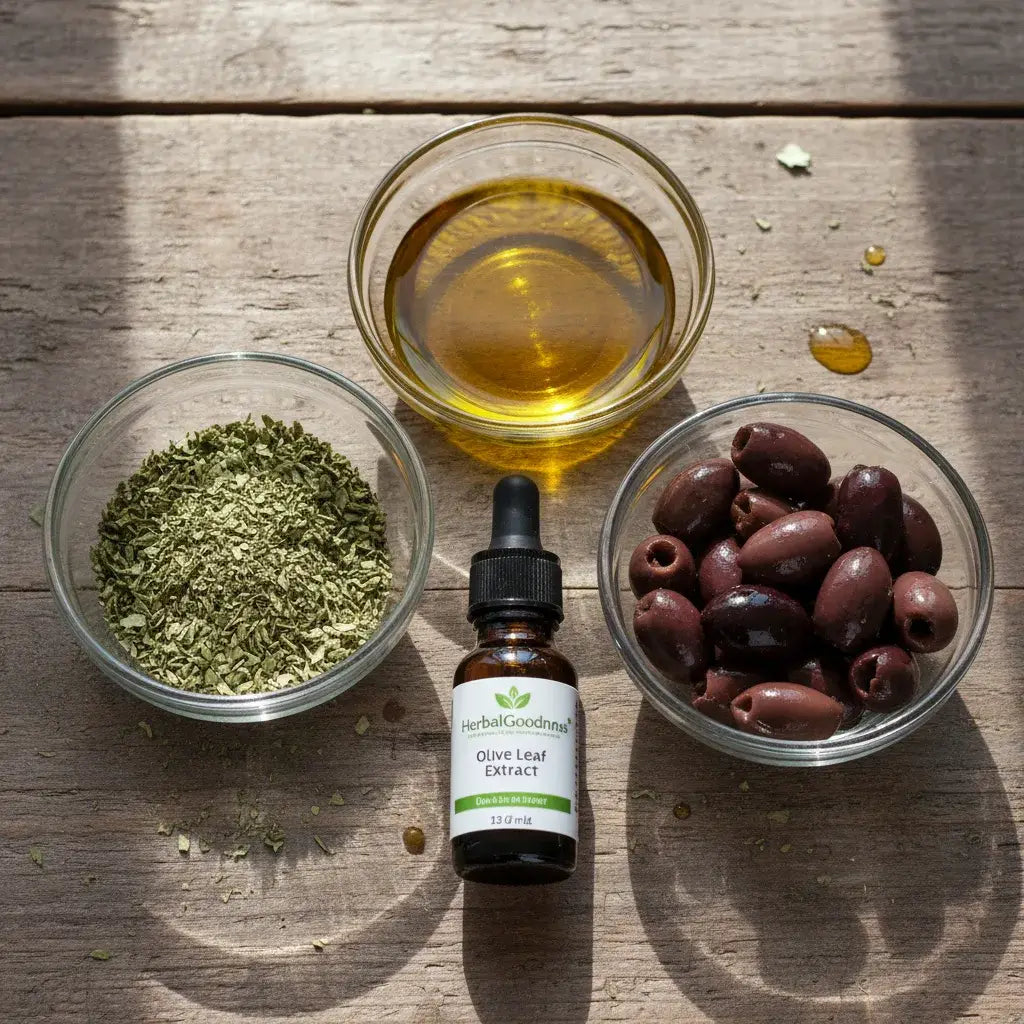
Each type of olive extract offers its own composition and potential for a personalized wellness approach. Here’s a quick way to think about them:
- Olive Leaf Extract: For tradition-inspired teas and tinctures with a high concentration of oleuropein. Olive Leaf - Organic 1oz 15X Liquid Extract - Immunity & Performance offers an approach to standardized intake.
- Olive Fruit Extract: For smoothies, daily capsules, and foods enhanced with hydroxytyrosol.
- Olive Oil Phenolic Extract: For those seeking a functional boost to diets already rich in olive oil flavors.
Choosing the right form depends on your routine, taste preferences, and how you like to incorporate plant-based supplements. Pairing olive extract with other plant-derived options—such as Sea Moss - Raw Dried from St Lucia - 8oz Bag - Nature's MultiVitamins—can help address a spectrum of wellness needs.
Practical Advice: How to Start Exploring Olive Extract
If you’re interested in adding olive extract to your wellness routine, take these steps for a smooth experience:
- Research the source: Choose extracts from reputable brands and transparent suppliers, such as products like Olive Leaf - Organic 1oz 15X Liquid Extract - Immunity & Performance.
- Match the form to your preferences: If you dislike the taste, capsules may be ideal. For culinary adventure, teas and powders can be fun options that complement botanicals like Soursop Leaf Tea Graviola Leaves - Organic 24/2g Tea Bags - Immunity & Cell Renew.
- Read reviews and test results: User reviews and independent test results can help clarify product quality.
- Introduce slowly: Begin with a low serving and observe your response.
- Pair with a balanced lifestyle: Use olive extract as one piece of a broader, plant-forward routine. Consider incorporating adaptogenic or mineral-rich botanicals such as Sea Moss - Raw Dried from St Lucia - 8oz Bag - Nature's MultiVitamins for a comprehensive approach.
Remember, no single plant extract replaces the value of a varied and wholesome menu. Focus on overall balance and enjoy discovering unique botanicals such as olive extract alongside many others.
FAQs:
- What is the difference between olive leaf, olive fruit, and olive oil extracts?
Olive leaf extract is derived from the tree's leaves and is rich in oleuropein. Olive fruit extract comes from the edible part of the olive and contains hydroxytyrosol and tyrosol. Olive oil phenolic extract is sourced from extra-virgin olive oil, focusing on concentrated polyphenols like hydroxytyrosol.
- What forms do olive extracts come in?
Olive extracts are commonly available as teas, tinctures, powders, capsules, and softgels. Each offers varying concentrations, ease of use, and flavors, with the best choice depending on personal preferences.
- How are olive extract supplements standardized?
Quality olive extract supplements are often standardized to a certain percentage of phenolic compounds such as oleuropein or hydroxytyrosol, ensuring consistency in potency between batches.
- How should I choose a high-quality olive extract?
Look for third-party testing, clear sourcing details, organic or non-GMO certifications, and transparent labeling. Reputable brands also provide detailed information about serving sizes and ingredient sourcing.
- Are there any safety precautions when using olive extract?
Follow manufacturer recommendations for serving size and consider starting slowly if you are new to olive extracts. It's advisable to consult with a qualified professional if you use other supplements.
- Do olive extract supplements taste like olives?
Some olive leaf teas and tinctures have a herbal, mildly bitter flavor reminiscent of olives. Capsules and softgels usually have no taste, making them a better option for those sensitive to flavors.
- What should I look for on an olive extract supplement label?
Prioritize supplements that disclose standardized phenolic content, list the olive part used (leaf, fruit, oil), and provide batch or quality control information from independent testing.
Author Name:
Herbal Goodness Editorial Team
Author Bio:
The Herbal Goodness Editorial Team specializes in holistic health and superfoods, blending science and nature to educate and empower our community.
Also Read:
How to Buy Carob Root Online: Forms, Sourcing, and Smart Shopping Tips
Pure Graviola Extract Supplement Buy: Demystifying Search Intent & Sma
Ethical Hibiscus: How to Choose Fair, Certified & Eco-Friendly Hibiscu
Spotting Ethical Guava Leaf Tea: Guide to Sourcing Claims & Certificat
Decoding Guava Leaf Tea Bag Labels: Beginner’s Guide to Terms and Pack
How to Buy and Blend Hibiscus Tea for Gentle Digestive Rituals
How to Judge Freshness and Quality When Buying Packaged Bamboo Leaf Te
Formulating Simple Guava Leaf Hair Masks: Home Blends, pH & Safe Singl
From Anecdote to Evidence: Research Timelines & Findings on Sea Moss