





Is Moringa Good for You? A Beginner’s Guide to Its Uses, Nutrients, and Everyday Ways to Try It

If you're exploring new ways to support your well-being and add nutrient-packed foods to your day, you might have come across moringa. Hailed as a "superfood," moringa has woven its way from traditional cultures into smoothies, herbal teas, and even supplements worldwide. But what exactly is moringa, and should you consider making room for it in your life? This guide breaks down everything you need to know: its background, nutritional highlights, typical ways to consume it, and practical advice for choosing the right moringa products—all to help you make an informed decision about whether moringa has a place in your daily routine.
The Origins of Moringa: Ancient Roots and Modern Popularity
Moringa, often referred to as the "drumstick tree" or Moringa oleifera, is a drought-resistant plant native to parts of India, Africa, and Asia. Traditionally, it has been used for centuries in Ayurvedic, Unani, and folk medicine across different cultures. The leaves, seeds, pods, and roots of the plant are all valued—each offering different culinary and practical applications. While the leaves and pods have been enjoyed as vegetables, the oil pressed from moringa seeds is used in cooking and skincare.
In recent decades, moringa's reputation has skyrocketed well beyond its native regions, thanks to its dense nutritional profile and adaptability as an ingredient. You might spot moringa in cafes, health food stores, or as a featured ingredient in wellness products, making it a compelling choice for those eager to diversify their diet with tried-and-tested international superfoods.
Nutritional Breakdown: What Makes Moringa Stand Out?
Moringa's rise to fame is no coincidence when you look at its nutritional content. Here are the stand-out compounds found in moringa leaves (the most commonly consumed part):
Vitamins:
- Vitamin A – Supports skin and eye health*
- Vitamin C – Aids in immune function*
- Vitamin E – Known for antioxidant effects*
- B-vitamins (B1, B2, B3, B6) – Crucial for energy metabolism*
Minerals:
- Calcium – Essential for bones and teeth*
- Potassium – Helps maintain fluid balance*
- Iron – Vital for red blood cell formation*
- Magnesium – Involved in muscle and nerve function*
Other Plant Compounds:
- Polysaccharides
- Polyphenols (such as quercetin and chlorogenic acid)
- Amino acids (all nine essential ones)
Please note: The exact amounts of these nutrients can vary by growing region, harvest time, and processing method. Nutritional descriptions are for general information only.
For those who want a readily accessible nutritional boost, adding Moringa Leaf Extract - Organic 1oz 15X Liquid Extract - Immunity & Wellbeing to your day can offer a dense source of concentrated plant nutrients.
Exploring Different Forms of Moringa: From Leaves to Capsules
With so many options on the market, moringa is uniquely versatile. Here are the most common formats you'll encounter:
Moringa Powder
Moringa powder—made from finely ground, dried moringa leaves—is one of the most popular ways to enjoy the plant. It's easy to blend into smoothies, sprinkle onto oatmeal, or stir into yogurt. The natural, earthy flavor pairs well with fruits and mild vegetables.
To use: Start with ½ to 1 teaspoon a day, gradually increasing as you adapt to the taste.
If you want an alternative for daily nutritional support, consider incorporating Sea Moss - Raw Dried from St Lucia - 8oz Bag - Nature's MultiVitamins, another plant-based source of minerals and vitamins that complements superfoods like moringa.
Moringa Tea
Moringa leaves are often dried and packed into teabags or loose-leaf blends. Moringa tea provides a gentle, grassy flavor that can be enjoyed hot or cold, alone or mixed with other herbal ingredients.
To use: Brew one teabag in hot water for 3–5 minutes. Adjust steeping time for flavor intensity.

Tea lovers who want to expand their herbal horizons may appreciate Bamboo Leaf Tea – 24/1.5g Tea Bags - Nature's Collagen & Biotin, which brings collagen-supporting benefits to your cup in a similar tradition.
Moringa Capsules and Tablets
Moringa supplements are a convenient option for those seeking concentrated doses without the taste. Look for products listing "moringa leaf powder" or "moringa leaf extract" as the main ingredient.
Tip: Follow label guidance for dosage—common daily amounts range from 400 mg to 1,000 mg.
Adding Blood Platelet Plus - 60/600mg 20X Strength Capsule - Platelet Boost can further help those interested in capsules for targeted wellness support, especially if you’re interested in overall vitality.
Culinary Uses: Cooking with Fresh or Dried Moringa
In regions where moringa is grown fresh, the leaves are used like spinach in stir-fries, curries, and soups. Fresh pods (“drumsticks”) can also be cooked in stews. For most people outside these regions, dried moringa leaf or powder is the go-to for adding nutrition and color to everyday dishes.
- Add to soups or stews after cooking to preserve nutrients
- Blend into smoothies with fruits and leafy greens
- Mix into spreads or dips for a nutritional boost
Reading Moringa Labels: What to Look For
When considering a moringa product, whether tea, powder, or capsules, reading and understanding the label is crucial.
Ingredient Source and Purity
- Single Ingredient: Look for products with just "moringa leaf" and no unnecessary fillers or additives.
- Organic Certification: Organic moringa is less likely to contain synthetic pesticides.
- Country of Origin: Some regions have more rigorous safety and quality standards than others.
Processing Methods
- Low-Heat Drying: Preserves more nutrients compared to high-heat processing.
- Green Color: Indicates minimal oxidation and freshness.
Third-Party Testing
Look for brands that verify the purity and potency of their moringa through independent lab testing—check the package or company website for proof of such claims. Selecting products that are organic and third-party tested for quality gives you added assurance about what you’re consuming.

Practical Tips: Incorporating Moringa Into Your Routine
Introducing something new into your daily habit can be smooth with the right approach:
- Start Slow: Moringa’s earthy taste can be strong; begin with smaller amounts and work your way up as desired.
- Combine With Familiar Foods: Stir powder into recipes you already love—like smoothie bowls or baked goods.
- Routine-Friendly Formats: Use capsules or tablets if you dislike the taste but still want consistent intake.
- Monitor for Quality: Store moringa powder in a cool, dry place out of sunlight to preserve color and nutrition.
Tip: If you’re using moringa with other supplements or medications, consult a qualified professional to make sure it’s suitable for you. For enhanced herbal benefits, try pairing it with Soursop Leaf Graviola Extract - - Organic 15X Liquid Extract - Cell Renew & Immunity to further support immunity and cell health naturally.
Moringa in the Kitchen: Inspiring Ways to Use It Every Day
Looking for inspiration beyond smoothies? Here are some creative ways to include moringa in your meals:
- Green Pancake Batter: Add a teaspoon to pancake or waffle mix for color and nutrients.
- Baked Goods: Infuse muffins, breads, or energy bars with moringa powder.
- Salad Boost: Mix dried leaves or powder into homemade dressings for an extra dose of greens.
- Soups and Sauces: Sprinkle powder into sauces, stews, or pureed soups just before serving.
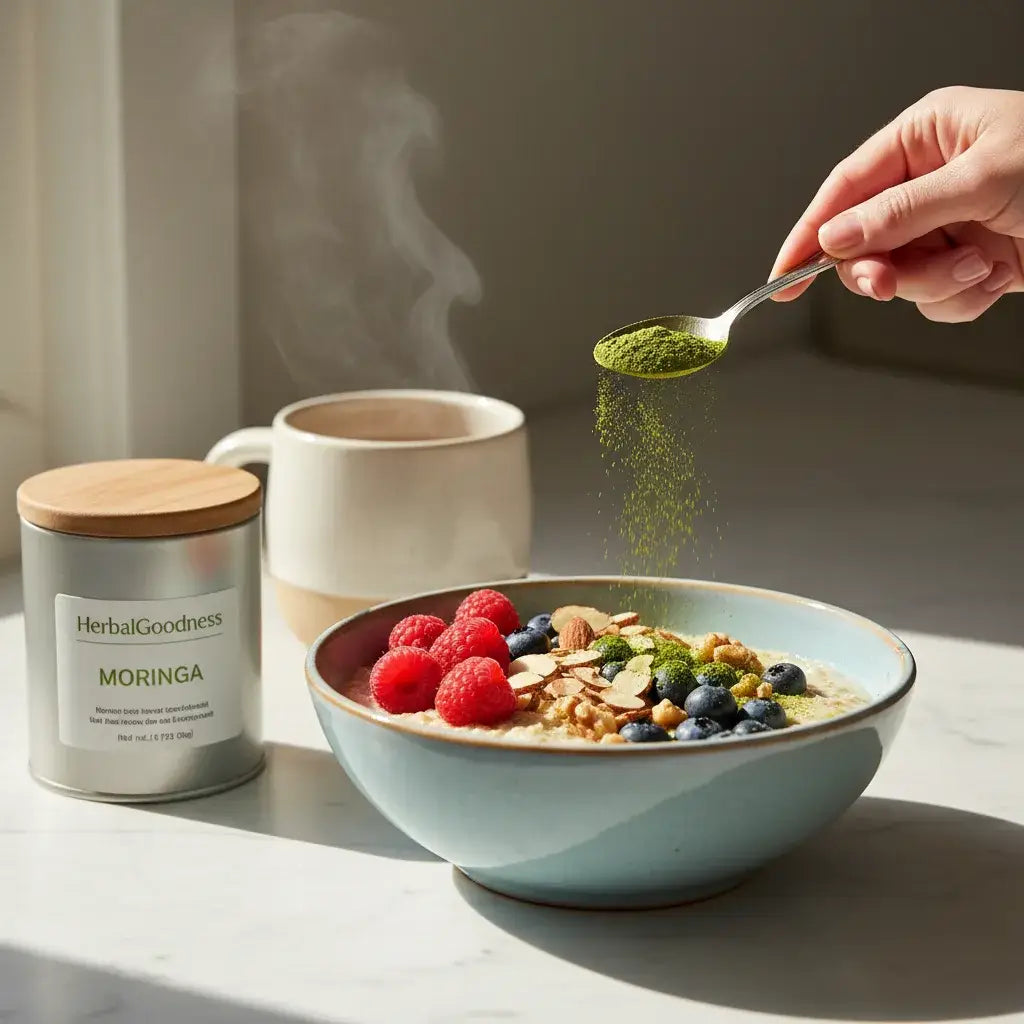
Remember, moringa has a distinct flavor profile—subtly grassy and mildly bitter. Start with small amounts and increase gradually as you become accustomed to its unique taste.
For even more taste and nutrition variety, blend your moringa routine with delicious Papaya Leaf Tea - Organic 24/2g Tea Bags, a light and refreshing tea with its own rich wellness history.
What to Know Before You Buy or Try Moringa
While moringa offers a range of vitamins, minerals, and beneficial plant compounds, not all products are created equal. Here’s a quick checklist to evaluate moringa products before purchasing:
- Is the product made from pure moringa leaf, without extra fillers?
- Does the brand provide clear sourcing and certification information?
- Is the moringa organic and third-party tested for quality?
- Are serving recommendations and ingredient lists transparent and easy to read?
If you're branching into other superfood supplements, look for transparent labeling and third-party testing similar to that found on Sea Moss Gel 16 oz – Nutrient-Rich Superfood for Everyday Wellness.
Taking these steps helps ensure you’re getting a product that’s both safe and supportive of your health goals.
Summing It Up: Is Moringa Good for You?
Moringa’s history, versatility, and nutritional value have helped it become a favorite among those looking for diversified nutrition from natural sources. Whether you try it as a powder, tea, capsule, or culinary addition, moringa invites exploration and mindful integration into your diet. With a few simple guidelines on choosing products and experimenting in the kitchen, you’re set to discover whether moringa fits your daily routine. As with any food, balance and variety are key—so enjoy moringa as part of a thoughtfully rounded approach to wellness.
FAQs:
- What is moringa, and where does it come from?
Moringa, often called the drumstick tree or Moringa oleifera, is native to India, Africa, and Asia. All parts of the plant—especially the leaves—are valued for their nutritional content and versatile culinary uses.
- What nutrients are found in moringa leaves?
Moringa leaves contain vitamins A, C, and E, B-vitamins, calcium, potassium, iron, magnesium, all nine essential amino acids, as well as beneficial plant polyphenols and antioxidants.
- How can I use moringa in my daily routine?
Moringa can be added to smoothies, mixed into yogurt or oatmeal, brewed as tea, or taken as capsules. For cooking, try adding it to soups, baked goods, or salad dressings.
- Which is better: moringa powder, tea, or capsules?
Each form has benefits: powder is great for recipes, tea is easy to sip, and capsules offer convenience without taste. Choose based on your personal preference and routine.
- How do I choose a high-quality moringa product?
Look for products made from pure moringa leaf, preferably organic, with no fillers, and third-party tested for purity and quality. Check for green color and clear ingredient sourcing.
- Does moringa have a strong taste?
Moringa has a grassy, slightly bitter flavor. Starting with small amounts and mixing with familiar foods can help you get used to its unique taste profile.
Author Name:
Herbal Goodness Editorial Team
Author Bio:
The Herbal Goodness Editorial Team specializes in holistic health and superfoods, blending science and nature to educate and empower our community.
References:
Introducing Graviola to Young Taste Buds: Fun, Family-Friendly Flavor Exploration
Share this

Popular posts


FAQs
1. What are the main benefits of drinking bamboo leaf tea?
Drinking bamboo leaf tea supports hydration, relaxation, skin wellness, and antioxidant balance.
2. What is bamboo leaf extract used for?
It’s used for general body wellness, skin elasticity, hair and nail support, and overall vitality.
3. Can bamboo leaf help with skin care and body wellness?
Yes, bamboo leaf is rich in silica and antioxidants, which promote healthy skin, strong nails, and a youthful glow.
4. What forms of bamboo leaf are available?
You can find dried bamboo leaf, powder, extract, drops, oil, and bamboo leaf green tea.
5. Are there any side effects of bamboo leaf?
Bamboo leaf is generally safe when consumed in moderation. Always consult your healthcare provider before starting any new herbal supplement.