Is Hibiscus Good for You? History, Flavor Traditions & Research Insights

The ruby-red petals and tart flavor of hibiscus have won over cultures worldwide, turning this vibrant botanical into an international staple in drinks and culinary creations. But how did hibiscus become so popular, what are the rich traditions behind its use, and what does modern research seek to uncover about this striking flower? Whether you’ve encountered hibiscus in a refreshing iced tea or wondered about the science behind its popularity, this comprehensive introduction provides answers with a balanced, engaging look at hibiscus—from cultural origins to its unique flavor and the current landscape of research.
A Glimpse Into the Rich History of Hibiscus
The hibiscus plant, particularly Hibiscus sabdariffa, is celebrated for its striking appearance and vivid color. Native to Africa and now enjoyed worldwide, hibiscus has a reputation rooted in centuries of tradition and symbolic meaning.
Global Traditions and Symbolism
- Africa: Hibiscus has long been incorporated into festivities and daily rituals, particularly in West Africa where it’s a central ingredient in popular drinks.
- Middle East & North Africa: Known as "karkade," hibiscus has been savored as a cooling beverage for centuries, served at weddings and community gatherings.
- Central America & the Caribbean: In Latin American countries, the familiar "agua de Jamaica" (hibiscus water) is a refreshing staple. Caribbean islands often include hibiscus in their festive holiday drinks and culinary preparations.
- Asia-Pacific: In some Southeast Asian cuisines, hibiscus flowers are used in desserts and as natural colorants.
The enduring popularity of hibiscus across these diverse cultures underlines its versatility and unique appeal.
Exploring the Vibrant Flavor Profile of Hibiscus
Hibiscus is renowned for its bold, tart flavor—sharp, yet refreshing, and reminiscent of cranberry. Its distinctive red hue is matched by a memorable taste that complements both sweet and savory pairings.
How Hibiscus Is Used in Food and Drink
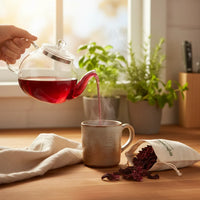
- Teas and Infusions: The most widely recognized use for hibiscus is in teas, where dried petals are steeped in hot or cold water. The result is a beverage that’s both tangy and aromatic, sometimes enhanced with spices or citrus. One popular choice is Hibiscus Tea - Organic 24/2g Tea bags - Heart Health, which makes it easy to experience the classic flavor authentically at home.
- Culinary Creations: Hibiscus finds its way into jellies, jams, chutneys, and syrups. Its natural acidity also adds a lively touch to sauces and marinades.
- Beverages: In addition to teas, hibiscus is a vibrant ingredient in punches, cocktails, and fermented drinks, valued for its color and invigorating taste.
- Desserts: The colorful petals can be infused into cake batters, ice creams, and preserves, adding both flavor and visual appeal.
Pairings and Preparation Ideas
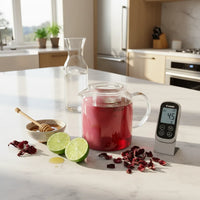
Hibiscus pairs beautifully with ginger, mint, cinnamon, and citrus fruits. Its flavor can be balanced with natural sweeteners such as honey or agave, creating endless possibilities for creative at-home recipes. You can also explore bundles like the Herbal Tea Trio - Guava, Hibiscus & Avocado Bundle – Refreshing Tea Collection to discover new complimentary flavor profiles.
Main Plant Compounds That Interest Specialists
Modern research is increasingly interested in the main plant compounds found within hibiscus, particularly the flower’s deep red calyces. These compounds contribute to hibiscus’s visual and structural characteristics.
What Scientists Study in Hibiscus:
- Organic Acids: Naturally occurring acids like citric and malic acid are responsible for hibiscus’s characteristic tang.
- Polyphenols: Hibiscus contains a variety of polyphenolic compounds, including flavonoids, which are of interest to researchers for their properties and functions in plants.
- Anthocyanins: These are a type of pigment that gives hibiscus its vivid red color, similar to those found in red and purple fruits and vegetables.
- Polysaccharides: Hibiscus flowers contain various carbohydrates that change the mouthfeel and consistency of food and beverages prepared with the petals.
By analyzing these compounds, scientists aim to better understand hibiscus’s role in traditional cultures and culinary contexts.

Common Ways Hibiscus Is Enjoyed Today
The global love for hibiscus translates into a variety of enjoyable and accessible formats. Here are the most common ways hibiscus is used:
Tea and Herbal Infusions
Hibiscus teas have become increasingly sought-after around the world. Dried or fresh hibiscus petals are steeped in hot (or sometimes cold) water, often sweetened or combined with spices for added character. Enjoyed both iced and hot, these teas are caffeine-free and make a delicious standalone beverage or mixer. Try making a cup with organically sourced Hibiscus Tea to enjoy the pure essence of the flower.
Tinctures and Herbal Extracts
Some people use hibiscus in the form of concentrated liquid extracts, more commonly referred to as tinctures. These can be mixed with other herbal blends or diluted into drinks, much like the Soursop Leaf Graviola Extract - - Organic 15X Liquid Extract - Cell Renew & Immunity, which offers a flavorful way to supplement your routine.
Culinary Uses: Powders and Dried Petals
- Hibiscus Powder: Finely ground petals make a potent ingredient for smoothies, baked goods, or seasoning blends. Powders allow for precise measurement and versatility in recipes.
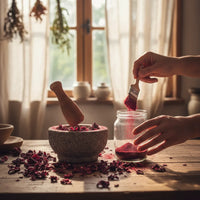
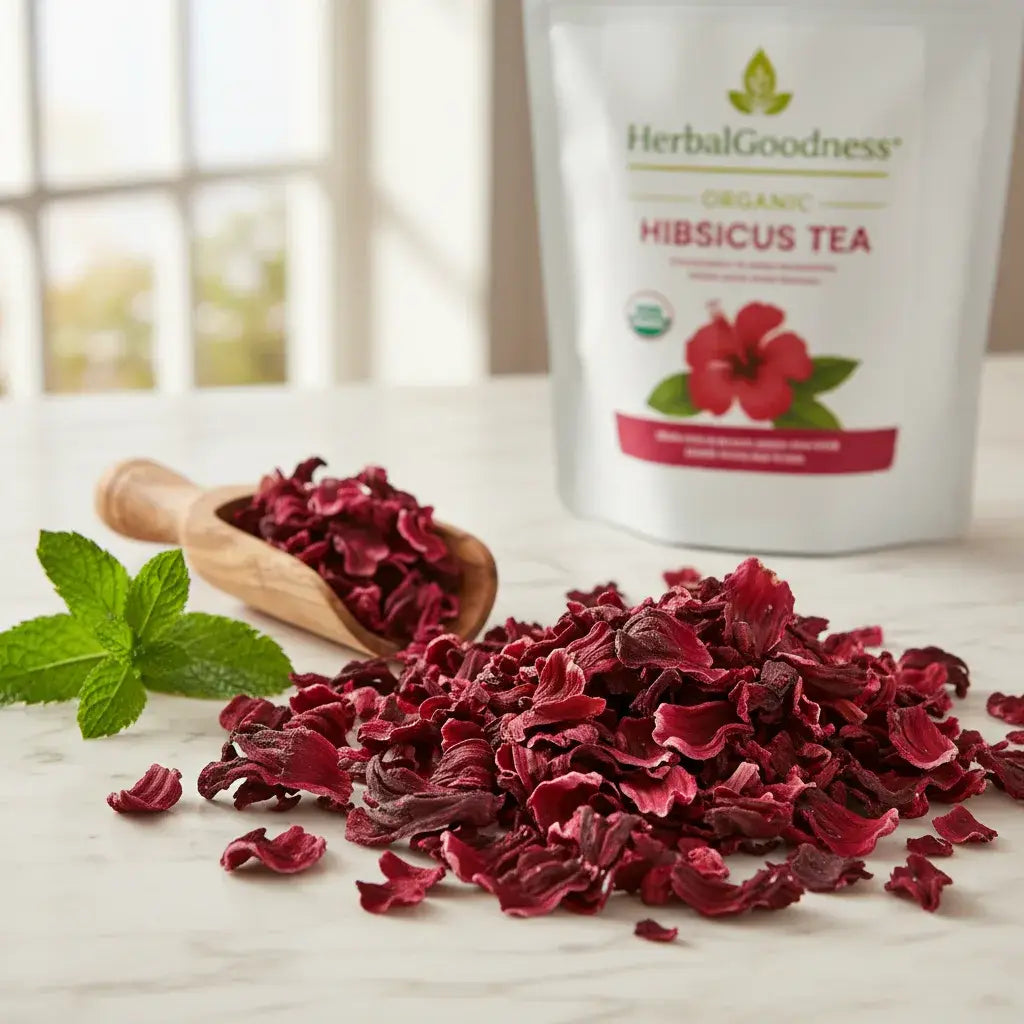
- Dried Hibiscus Petals: The whole dried flower is a staple for at-home infusions, ingredient blends, or elaborate recipes that utilize the flower’s unique color and taste.
Incorporating Hibiscus at Home
Trying hibiscus for the first time can be as simple as brewing a cup of tea or getting creative with culinary experiments, such as:
- Infusing simple syrup with hibiscus for homemade sodas and cocktails
- Stirring hibiscus powder into yogurt, oatmeal, or salad dressings
- Mixing dried hibiscus petals with loose-leaf teas for custom blends
A sampler such as the Graviola, Hibiscus, Bamboo Herbal Tea Trio – Bundle (3 Packs) provides a way to expand your taste horizon and try other synergistic botanicals alongside hibiscus.
Practical Safety and Sourcing Considerations
As with any botanical, it’s essential to use hibiscus thoughtfully and stay informed as you explore its uses in your kitchen.
Choosing the Right Hibiscus Product
Look for hibiscus products labeled as food-grade or culinary-grade. Sourcing from reputable suppliers ensures that the petals or powder are suitable for consumption and are harvested and processed with care. When making your selection, certified and organic options such as Herbal Tea Gift Set – Wellness Tea Gift Variety Collection - Organic 24 Teabags can help you avoid unnecessary additives or pesticides.
- Check for Additives: Some mixes or blends may contain sweeteners, artificial colors, or preservatives. Choose pure hibiscus whenever possible for the best flavor and flexibility.
- Organic & Sustainable Choices: Opting for organically grown hibiscus supports sustainable agriculture and may align with personal preferences for reduced synthetic input.
Storage Tips
Dried hibiscus petals and powder should be kept in a cool, dry place away from direct sunlight. An airtight container helps preserve the potent flavor, aroma, and color. If properly stored, dried petals can retain their characteristics for up to a year or longer.
Consult Your Specialist for Personal Guidance
Whenever adding new botanicals or foods to your daily routine, especially in concentrated forms, it’s wise to seek personalized insight from a qualified nutritional or botanical expert. This ensures you choose products and preparation methods that match your individual preferences and needs. A Personal Consultation with Herbalist or Health Coach can provide customized advice specific to your wellness journey.

Exploring Hibiscus: First-Time Tasting Tips
If you’re new to hibiscus, start with a simple tea or infusion to experience its signature taste. Experiment by adding natural sweeteners, citrus, or spices to tailor the flavor. Over time, you can expand into using powders or dried petals in other culinary projects.
- Sample Small Batches: Begin with a modest amount to explore your tastes and gauge the strength and sourness of the infusion. You might enjoy experimenting with the Herbal Tea Trio to find your favorite pairing.
- Creative Mixes: Combine hibiscus with complementary herbs like rose, mint, or vanilla. This helps balance its tartness and offers a new sensory experience.
Sustainability and Cultural Respect
When exploring plants like hibiscus that have deep traditional roots, it’s valuable to honor the cultural contexts in which they’ve been used. Learning about hibiscus’s role in specific cuisines and celebrations adds depth to your culinary journey, while sourcing from ethical suppliers ensures a positive impact on local communities and ecosystems. For those looking to expand beyond hibiscus, Soursop Leaf Graviola Extract is another botanical with celebrated traditional value.
Conclusion: The Allure of Hibiscus Across History and Cultures
From festive drinks in West Africa to floral teas around the globe, hibiscus offers a harmonious balance of taste, color, and cultural significance. Its legacy is crafted by generations who have woven the flower into their culinary and social rituals—an ongoing journey fueled by curiosity, tradition, and evolving scientific exploration. Whether you savor hibiscus in a hot infusion, an artful dessert, or a vibrant summer punch, you’re participating in a timeless global tradition—one cup (or bite) at a time.
FAQs:
- What does hibiscus taste like?
Hibiscus is known for its bold, tart, and refreshing flavor, reminiscent of cranberry. Its natural sharpness is often balanced with sweeteners or spices in recipes.
- How is hibiscus most commonly used?
Hibiscus is most often enjoyed as a tea or herbal infusion, but it’s also used in syrups, jams, desserts, and as a powder in smoothies or baked goods.
- Are there different types of hibiscus used in foods and drinks?
Yes, while several species of hibiscus exist, Hibiscus sabdariffa is the most commonly used variety for culinary purposes, thanks to its vibrant color and tart flavor.
- How do I choose high-quality hibiscus products?
Look for food-grade or culinary-grade hibiscus from reputable sources. Consider organic and sustainably harvested options, and check ingredients lists for purity.
- Can I use hibiscus powder in cooking?
Absolutely! Hibiscus powder offers a concentrated tart flavor and bright color, making it great for adding to smoothies, yogurts, baked goods, and homemade seasonings.
Author Name:
Herbal Goodness Editorial Team
Author Bio:
The Herbal Goodness Editorial Team specializes in holistic health and superfoods, blending science and nature to educate and empower our community.
References:
Introducing Graviola to Young Taste Buds: Fun, Family-Friendly Flavor Exploration
Graviola in the Classroom and at Home: Creative Activities to Teach Kids About Tropical Plants