How to Vet Sellers of Olive Leaf Extract Online: Certifications & Red Flags

How to Vet Sellers of Olive Leaf Extract Online: Certifications & Red Flags
Shopping for olive leaf extract online offers convenience, a broad range of options, and often competitive prices. But with this ease comes the challenge of distinguishing high-quality, reliable sellers from those that might cut corners or mislead buyers. As demand grows for natural wellness supplements, understanding how to assess online listings for olive leaf extract is essential.
This practical guide walks you through the critical questions to ask, the certifications to look for, and the warning signs that separate trustworthy brands from questionable vendors. Whether you’re curious about third-party lab reports, ingredient transparency, or just want to avoid common pitfalls, you’ll find the tools you need to make safe and informed choices—no matter where you shop.
Why Olive Leaf Extract Quality Varies Online
Olive leaf extract has gained popularity for its long-valued place in holistic traditions and wellness communities. From capsule supplements to liquid tinctures and teas, the sheer volume of online suppliers is staggering. But not all olive leaf products are created equal. Factors like sourcing, manufacturing standards, purity, and labeling honesty can all affect what actually arrives at your door.
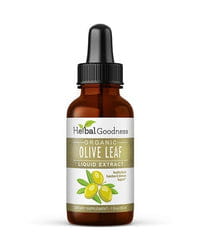
Buying from a reputable seller can provide peace of mind, while risky vendors may deliver inconsistent potency, inaccurate ingredient claims, or questionable handling practices. For example, Olive Leaf - Organic 1oz 15X Liquid Extract - Immunity & Performance offers transparency about its origins and ingredient sourcing, which serves as an example of a responsible approach. Let’s explore the best practices for evaluating olive leaf extract sellers online.
The Key Questions for Evaluating Olive Leaf Extract Sellers
Before clicking "buy now," equip yourself with these critical questions:
- Where is the olive leaf sourced from?
- Are there visible third-party lab test results for purity and potency?
- What certifications does the product or facility hold?
- Is the ingredient list transparent and clearly explained?
- How was the olive leaf extract processed or manufactured?
- Are there any red flags in product or company information?
- What are the shipping and storage practices?
Let’s break down why each of these matters, and how you can spot answers—often hidden in plain sight.
Sourcing: Why Origin Matters
The origin of olive leaves affects their potential benefits and quality. Look for sellers who specify:
- Country or region of cultivation (Mediterranean regions are commonly cited)
- Farming practices, such as organic, sustainable, or pesticide-free
- The part of the olive plant used (leaf, not fruit or stem)
If a company is vague about where its olives are grown or harvested, this may indicate a lack of supply chain oversight. For those interested in a holistic approach, Graviola Soursop Leaf Extract – 10X 60/600mg Capsules - Cell Renew & Immunity also highlights the nutrient power of leaf-based extracts with clearly defined sourcing.
Third-Party Lab Testing: Verifying Purity & Potency
Quality-conscious brands commonly provide third-party laboratory certificates or reports. These independent lab documents often verify:
- Olive leaf extract purity
- Presence or concentration of desired compounds, like oleuropein
- Absence of harmful contaminants (such as heavy metals or pesticides)
Ask the seller:
- Do you provide access to recent, batch-specific lab results?
- Is your testing conducted by an accredited third-party lab?
If lab results aren’t easy to find or requests are dodged, consider this a major warning sign. For instance, with Papaya Leaf Extract - Organic 1oz 15X Liquid - Blood Platelet, certificates of analysis are frequently available, establishing customer trust.
Recognizing Important Certifications for Olive Leaf Supplements
Certain third-party certifications act as signals of safety and best practices. For olive leaf extract, certifications to look for include:
- cGMP (Current Good Manufacturing Practice): Indicates production takes place in a facility meeting established safety and quality standards.
- Organic Certification: Shows ingredients are grown without synthetic pesticides or fertilizers.
- Non-GMO Certification: Confirms genetically modified organisms are not present.
- Kosher and/or Halal Certifications: Relevant for specific dietary needs.
- Vegan or Allergen-Free: Sometimes needed for dietary restrictions.
A trustworthy seller usually displays applicable certifications on product pages, images, or labels—and explains what they mean. Those considering Olive Leaf - Organic 1oz 15X Liquid Extract - Immunity & Performance can review detailed certifications before purchasing.
Ingredient Transparency: Why Every Detail Matters
The more open a seller is about what’s inside their olive leaf extract, the more confidence you can have in their product. Check for:
- Full ingredient list, including any fillers, additives, or excipients
- Standardized extract concentration (such as % oleuropein)
- Allergen information (soy, gluten, dairy, etc.)
- Clear serving size and usage suggestions
A lack of detailed labeling, or confusing ingredient statements, can sometimes reveal shortcuts or quality issues. Ingredient transparency goes hand-in-hand with a commitment to customer safety and trust. Shoppers who value detail may want to compare ingredient lists on products like Soursop Leaf Graviola Extract - - Organic 15X Liquid Extract - Cell Renew & Immunity.
Extraction Methods: Decoding Processing Practices
Olive leaf extract can be made using various processes, such as:
- Water extraction
- Ethanol or alcohol-based extraction
- CO2 or cold extraction
Each method can affect the phytochemical profile and concentration. Reliable sellers often mention their method, especially if it preserves the potency of plant compounds. If a listing claims “all-natural” or “raw extract” without any mention of how the extract is prepared, you may want to dig deeper. Explaining the extraction method demonstrates knowledge and transparency.

Shipping and Storage: What Responsible Sellers Offer
Proper shipping and storage are crucial for maintaining the potency and freshness of olive leaf extract. Consider these points:
- Does the seller explain how products are protected during shipment (e.g., sealed bottles, tamper-evident packaging)?
- Are there guidelines on storing the extract after arrival? (e.g., keep cool, avoid sunlight)
- Are shipping windows reasonable, and is there tracking?
- How is customer satisfaction handled if a product is damaged or delayed?
Low-cost sellers that ship from unknown locations, or offer little customer service commitment, can make your buying experience risky. A comparison with trusted supplements like Papaya Leaf Extract Blood Support - 10X 60/450mg Capsules - Blood Platelet may help illustrate industry standards for packaging and storage.
Red Flags When Comparing Olive Leaf Extract Sellers
Unfortunately, not all listings are what they seem. Watch for these warning signs:
Too-Good-To-Be-True Claims
Statements such as “miracle results overnight” or “guaranteed outcomes” are a cause for skepticism, especially if they rely on anecdotal stories rather than responsible information. Responsible sellers avoid hyperbole and stick to traditional or well-known benefits. Reputable stores often feature educational transparency—just as found in the labeling for Olive Leaf - Organic 1oz 15X Liquid Extract - Immunity & Performance.
Vague or Incomplete Information
Missing details about sourcing, lack of certifications, or unclear ingredient lists are signs of poor transparency. Genuine sellers are eager to educate and share proof behind their offerings.
Suspiciously Low Prices
Exceptionally low prices may be tempting but often signal cut corners—like lower purity, weak concentrations, outdated inventory, or questionable sourcing. If a product is much cheaper than comparable options, look closer at the reasons why.
Poor or Inaccessible Lab Results
Any reluctance to provide lab results, especially for supplements, is a major red flag. Trustworthy sellers commonly display Certificates of Analysis on request, ensuring batch-by-batch quality. Looking for clear test results is key with all supplements, not just olive leaf extract.
No Physical Address or Unresponsive Customer Service
A business operating without any verifiable contact information or unresponsive to questions is unlikely to stand behind its product. Look for companies that provide physical addresses, legitimate phone numbers, and a clear customer support pathway.
How to Compare and Investigate Multiple Online Options
When you find several potential sellers, create a simple comparison using the factors above:
- Note certifications and extraction methods
- List the clarity of sourcing and ingredient lists
- Ask for a Certificate of Analysis and compare responses
- Weigh shipping policies, return guarantees, and shipping providers

Over time, these checks become an easy routine, helping you develop a sixth sense for quality and reliability. It applies whether considering olive leaf or an alternative supplement such as Soursop Leaf Graviola Extract - - Organic 15X Liquid Extract - Cell Renew & Immunity, both of which thrive in a transparent, customer-focused market.
Simple Steps to Safeguard Your Purchase
- Research sellers before adding to cart: Prioritize transparency, verified certifications, and customer support.
- Request lab testing information: Move on if the seller cannot provide credible reports.
- Trust but verify: Even familiar brands should be held to high standards.
- Keep records of your communication and receipts: This can help in case of confusion or transport issues.
- Stay updated on new certifications or product improvements: Some reputable companies update their processes regularly based on new regulations or research.
If you prioritize these steps, you make each purchase safer—whether for olive leaf supplements or other wellness solutions like Papaya Leaf Extract - Capsules 600mg - 10X Strength.
Empower Yourself as a Supplement Buyer
Every purchase online is an investment in your wellness journey. By asking the right questions and learning how to “read between the lines,” you can enjoy the advantages of shopping online without sacrificing safety. Remember, reputable sellers of olive leaf extract will always welcome informed customers and celebrate transparency. Use this guide as your checklist, and shop with confidence.
FAQs:
- What certifications should a quality olive leaf extract have?
Look for certifications such as cGMP (Current Good Manufacturing Practice), USDA Organic or similar organic certifications, Non-GMO certification, and dietary labels like vegan or allergen-friendly. These indicate a commitment to transparency, quality, and safety in both production and sourcing.
- How important are third-party lab tests for olive leaf extract?
Third-party lab tests assure buyers of product purity, accurate labeling, and absence of common contaminants. High-quality sellers usually display Certificates of Analysis or provide them upon request, and choosing these products can support informed decisions.
- Which extraction method is best for olive leaf extract?
There is no single best method, but water or alcohol-based extractions are common and can retain beneficial compounds. Sellers should clearly state their extraction process. Lack of extraction information may indicate less transparency.
- Why do some olive leaf extracts cost significantly less than others?
Lower prices may reflect differences in ingredient quality, extract concentration, production standards, or expiry dates. Excessively cheap options may compromise on quality, certification, or proper handling—always check for hidden differences when comparing prices.
- What red flags signal a seller might not be trustworthy?
Warning signs include missing or vague information about sourcing and certifications, lack of lab testing data, excessive promises in marketing, suspiciously low prices, and poor customer support or contact information.
- How can I verify if an olive leaf extract is organic?
Certification agencies, such as USDA Organic, provide official seals for organic products. Always check for a verifiable certification number or contact the seller for documentation if in doubt.
- Is it safe to buy olive leaf extract from overseas sellers?
While some international sellers are reputable, buyers should pay extra attention to certifications, lab results, shipping practices, and country-specific regulations. Transparency and accountability are especially important when buying internationally.
Author Name:
Herbal Goodness Editorial Team
Author Bio:
The Herbal Goodness Editorial Team specializes in holistic health and superfoods, blending science and nature to educate and empower our community.
References:
Introducing Graviola to Young Taste Buds: Fun, Family-Friendly Flavor Exploration
Graviola in the Classroom and at Home: Creative Activities to Teach Kids About Tropical Plants
Why Social Impact Matters in Plant-Based Wellness