How to Verify the Botanical Identity of Soursop in Organic Capsule Products

Navigating the world of herbal supplements can be exciting and empowering, but it is not without its challenges—especially when it comes to knowing what’s inside your capsules. For newcomers interested in organic soursop capsule products, it’s worth learning how to verify the botanical identity of soursop. Soursop, also known by its scientific name Annona muricata, has several look-alike species and can sometimes be confused with other ingredients or bulked with fillers. This beginner’s guide will walk you through the basics of how to discern, ask, and research, so you can feel confident exploring organic soursop capsules.
Understanding Botanical Identity: What Does It Mean?
The Basics of Botanical Identity
Botanical identity is a precise way to describe what plant (and specific part) is in a product. In the supplement world, this means knowing if the soursop you’re buying truly comes from Annona muricata. Understanding this concept helps safeguard your wellness journey, ensuring you receive the plant you intend.
Why Soursop’s Identity Matters
Soursop has long been valued for its distinctive taste and traditional uses, but several other Annona species look similar. Some sellers may mislabel products, whether intentionally or not. By knowing what hallmarks to look for, you make more empowered choices.
Common Soursop Look-Alikes and Adulterants
Primary Botanical Name: Annona muricata
The correct botanical name for soursop is Annona muricata. When scanning packaging or supplement facts, this name should be clearly printed. Products omitting this or using different species may not contain authentic soursop. To support holistic wellness, many shoppers prefer to choose trusted plant-based options such as Graviola Soursop Leaf Extract – 10X 60/600mg Capsules - Cell Renew & Immunity, which provides transparency throughout sourcing and labeling.
Common Look-Alikes in the Annona Family
Several close botanical relatives can be confused for soursop:
- Annona squamosa (also called sugar apple)
- Annona cherimola (cherimoya)
- Annona reticulata (bullock’s heart) While these all belong to the Annona genus, they are distinct from Annona muricata, the plant known as soursop.
Potential Fillers and Adulterants in Capsules
Capsule-based products sometimes include fillers to bulk up volume or mask lower concentrations of authentic material. These can include:
- Rice flour
- Cellulose
- Maltodextrin Most fillers are listed in the ‘Other Ingredients’ section. While not harmful per se, they play no role in delivering authentic plant benefits, so awareness is key.
Steps to Verify the Botanical Identity of Soursop Capsules
1. Check the Supplement Facts Panel
Authentic soursop capsules should list Annona muricata under the “Supplement Facts.” Look for:
- Full botanical name (Annona muricata)
- The specific plant part (e.g., leaf, fruit, or bark) If the label uses only common names or omits the plant part, dig deeper or contact the brand. Shoppers after assurance might consider comparing options with clear labeling, such as Soursop Bitters Graviola Extract - 120/1000mg Capsules - Immunity & Wellbeing, to assess transparency.
2. Review Ingredient Lists for Fillers
Check whether the capsule contains only soursop, or if there are additional bulking agents—this can give clues to integrity. If fillers are present, they should be clearly identified, and soursop should remain the primary ingredient. Some supplement formats, such as Soursop Leaf Tea Graviola Leaves - Organic 24/2g Tea Bags - Immunity & Cell Renew, allow you to see the plant material directly, which can further support your verification efforts.
3. Scrutinize the Botanical Name and Country of Origin
The presence of a Latin botanical name is more than a formality. It demonstrates the brand’s awareness and transparency. Additionally, country of origin may reinforce authenticity since soursop is native to Central America, South America, Africa, and Southeast Asia. When brands feature clear origin claims alongside organic practices, it adds an extra layer of confidence for consumers.
4. Ask for Supporting Documentation
For those seeking additional assurance, some companies provide support beyond labeling. Standard documents include:
- Certificate of Analysis (COA)
- Botanical identification test results (e.g., Thin Layer Chromatography, macroscopic checks)
- Third-party verification summaries Reputable brands are generally transparent and welcome questions about testing and sourcing. If you opt for concentrated herbal products, a popular choice for purity and verified sourcing is Soursop Leaf Graviola Extract - - Organic 15X Liquid Extract - Cell Renew & Immunity.
5. Look for Organic Certification and Ethical Sourcing Practices
Organic certification offers another layer of credibility. While this does not automatically guarantee species identity, it indicates steps were taken in cultivation and processing to maintain purity and traceability. Many high-quality brands combine organic assurances with strong traceability of their Annona muricata and other plant ingredients.
Label Clues and Simple Tools for Shoppers
Deciphering Label Language
Clear, transparent labeling is an industry best practice. Look for:
- Annona muricata as the primary ingredient
- Plant part used (e.g., leaf, fruit)
- Organic status, if claimed
- Serving size and amount per capsule
- Additional info, such as non-GMO or vegan verification If any information seems imprecise (“proprietary blend” without breakdowns), it may warrant a follow-up inquiry.
Supplement Facts and Packaging Signals
Consistent visual cues on quality packaging include:
- Lot numbers and expiration dates (suggesting traceable sourcing)
- Contact details for customer questions
- Supplements manufactured in GMP-certified facilities

Quick At-Home Observations
While technical lab tests are not accessible to most shoppers, some in-home clues can add context:
- Soursop powder aroma: Authentic soursop leaf has a subtle earthy scent. If capsules are odorless or scentless, it is likely highly processed, or mixed with neutral fillers.
- Taste (if safe and appropriate): Genuine soursop capsules, when opened, may have a characteristic mild, herbal flavor.
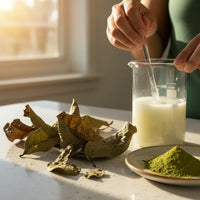
- Texture and color: Pure soursop leaf powder is greenish and fairly fine, but color can vary by processing method. However, this is not a definitive test—other green herbs may appear similar.
Questions to Ask Sellers Before You Buy
Top Questions for Verifying Soursop Capsule Authenticity
When communicating with manufacturers or sellers, these questions can help:
- Is Annona muricata the only botanical listed in the ingredient panel?
- What plant part is used: leaf, fruit, or other? (Leaf is most commonly used.)
- Does the company provide a Certificate of Analysis or botanical ID test summary?
- Are any fillers, binders, or flow agents added? If so, what types?
- Is the product certified organic? If yes, by which organization?
- What country or region is the soursop grown in? These basic inquiries will help you distinguish truly transparent brands from those less willing to share information. For a product that offers both transparency and certified organic sourcing, see Graviola Soursop Leaf Extract – 10X 60/600mg Capsules - Cell Renew & Immunity.
The Role of Third-Party Verification
Why Third-Party Testing Matters
Third-party testing supports label claims with impartial science. This can include verification of botanical species, purity, and absence of unwanted contaminants. While not every brand offers detailed results, third-party certification indicates a higher level of oversight and traceability. Soursop-focused teas, such as Soursop Leaf Tea Graviola Leaves - Organic 24/2g Tea Bags - Immunity & Cell Renew, sometimes include both certification and third-party verification, which may be indicated on their packaging.
Certificates Worth Noting
- Certificate of Analysis (COA): Confirms what’s inside matches label claims
- Organic verification: Ensures compliance with specific agricultural standards Seeking capsules from organizations that prioritize such oversight may benefit discerning buyers new to soursop.

Making Informed Choices When Exploring Organic Soursop Capsules
Confidence Through Curiosity
Consumers have the right to ask questions, read labels, and request documentation. More knowledge translates to more confidence when trying organic soursop capsules for the first time. Choosing brands committed to botanical clarity, such as those following practices similar to Soursop Leaf Graviola Extract - - Organic 15X Liquid Extract - Cell Renew & Immunity, can help support your exploration of plant-based wellness.

Recap and Empowerment Tips
- Always look for Annona muricata as the declared botanical
- Review plant part, origin, and filler information
- Consider additional verification through supporting documents A little preparation goes a long way in ensuring that your product matches your intentions—helping you step into the world of soursop capsules with clarity and assurance.
FAQs:
- What is the correct botanical name for soursop?
The correct botanical name for soursop is Annona muricata. Always check supplement labels for this precise name to ensure authenticity.
- How can I spot common fillers in soursop capsules?
Review the 'Other Ingredients' section—typical fillers include rice flour, cellulose, or maltodextrin. Authentic soursop should be the main ingredient.
- Why do supplement labels sometimes list other Annona species?
Other Annona species, like Annona squamosa or Annona cherimola, can look similar to soursop. However, only Annona muricata is true soursop.
- What questions should I ask a seller about soursop capsules?
Ask about the full botanical name, plant part used, presence of fillers, organic certification, and whether they provide a Certificate of Analysis.
- Is organic certification important for soursop capsules?
Organic certification indicates adherence to purity and traceability standards in farming and processing, providing extra reassurance for shoppers.
- Can I identify authentic soursop capsules at home?
While home tests are limited, aroma, color, and ingredient transparency on the label can offer basic clues to the presence of real soursop.
- What does a Certificate of Analysis provide?
A Certificate of Analysis (COA) confirms the capsule’s contents and verifies the product’s botanical identity, purity, and often its sourcing details.
Author Name:
Herbal Goodness Editorial Team
Author Bio:
The Herbal Goodness Editorial Team specializes in holistic health and superfoods, blending science and nature to educate and empower our community.
References:
Introducing Graviola to Young Taste Buds: Fun, Family-Friendly Flavor Exploration
Graviola in the Classroom and at Home: Creative Activities to Teach Kids About Tropical Plants
Why Social Impact Matters in Plant-Based Wellness