How to Reuse, Recycle & Compost Papaya Seed Capsule Packaging: Low-Waste Guide

Have you ever wondered what happens after you buy papaya seed capsules and finish the last dose? If you’re mindful of your environmental impact or want to make your wellness routine more eco-friendly, you’re not alone. The journey doesn’t end when your capsules are gone—in fact, it’s just beginning. This practical guide explores low-waste ways to reuse, recycle, and compost papaya seed capsule packaging at home, so you can get the most out of every purchase and reduce your ecological footprint.
Reusing Papaya Seed Capsule Packaging Creatively
When you shop for papaya seed capsules, part of your consideration includes what will happen to the packaging after use. Many capsule bottles are made from sturdy plastic or glass, and veggie capsules are typically plant-based. By thinking ahead, you can repurpose these components and extend their life cycle beyond a single use.
Everyday Ideas for Repurposing Capsule Bottles
Empty supplement bottles are more versatile than they appear. Instead of tossing them into the trash, try these low-waste reuse strategies:
- Small Storage Solutions: Use clean, dry bottles for organizing craft supplies, spare screws, buttons, or other small home essentials.
- Travel-Friendly Containers: Refill bottles with shampoo, lotion, or other personal care products for short trips or gym bags.
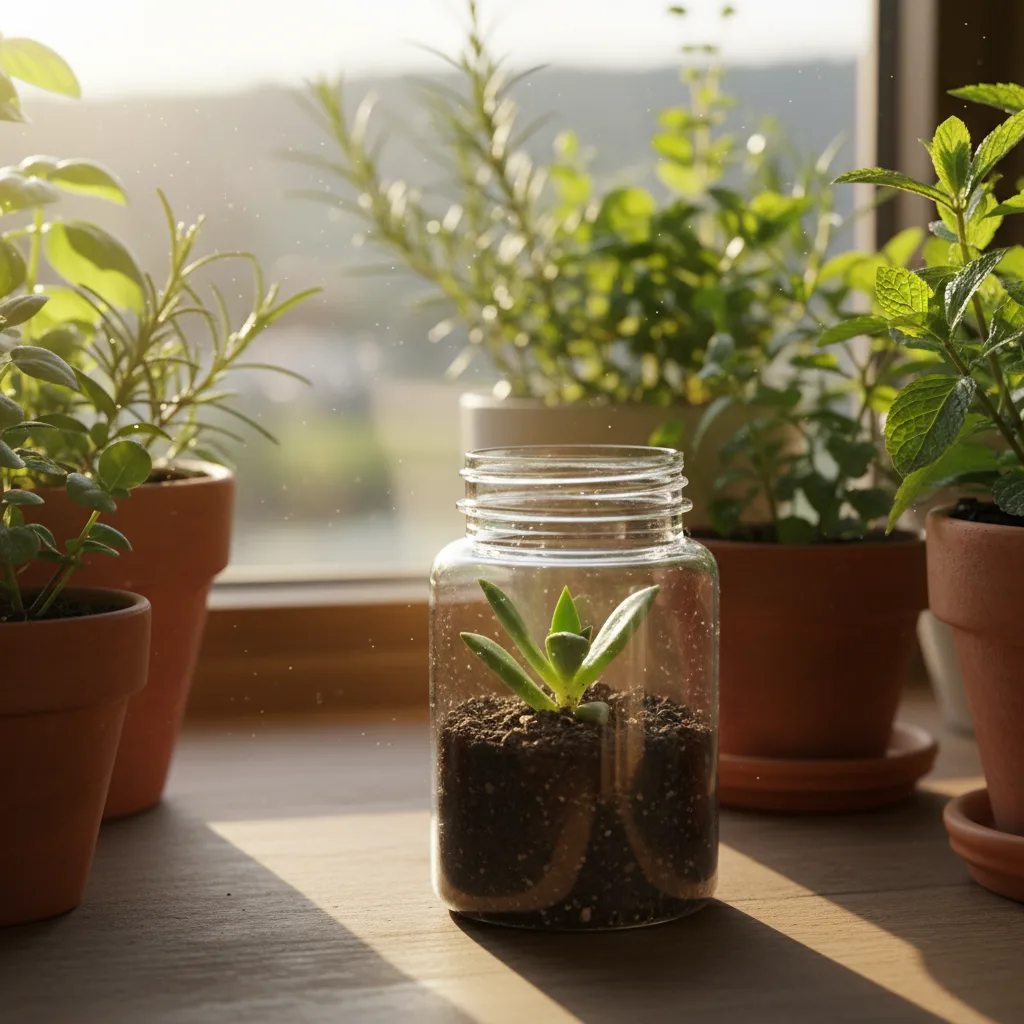
- Seed Starters for Gardening: Poke a small hole in the bottom, fill with soil, and use as starter pots for seedlings or cuttings.
- Portable Snack Holders: Store nuts, dried fruit, or trail mix for eco-friendly on-the-go snacks.
- Spice and Herb Jars: Wash thoroughly and refill with bulk spices or dried herbs for kitchen organization.
Upcycling Papaya Seed Capsule Packaging
If you’re feeling creative, upcycling takes reuse a step further. Try these inspired ideas:
- Mini Planters: Paint old bottles and plant small succulents or microgreens.
- DIY Desk Organizers: Cluster together several capsule bottles in a recycled box or tray for storing pens, paperclips, and more.
- Eco-Friendly Gift Wrapping: Place homemade bath salts, teas, or seeds in clean bottles and decorate for gifting.
- Kids’ Art Projects: Let children use bottles as bases for crafts, such as rocket ships or animal figurines—just ensure bottles are free of residue.
These methods not only keep packaging out of landfills but add unique value and personality to your everyday spaces.
How to Recycle Papaya Seed Capsule Packaging Responsibly
Even the best upcycling intentions reach a limit. For the rest of your packaging, responsible recycling is key. Understanding what’s recyclable is an important step when ordering Papaya Seed Powder Capsules 60ct | 600mg – Gut & Colon Cleanse Support with minimal environmental impact in mind.
Identifying Recyclable Capsule Components
Most papaya seed capsules are sold in either plastic or glass containers. Here’s how to tell:
- Plastic Bottles are often made from PET or HDPE (look for recycling codes #1 or #2). Both are widely accepted by municipal recycling programs.
- Glass Bottles can usually be recycled curbside, after you remove labels and rinse them clean.
- Lids and Seals may be recyclable, but check local guidelines. Some require separation of liners or may only accept certain plastics.
- Desiccant Packets (the moisture-absorber inside) are typically not recyclable, but you can reuse them in other food or vitamin containers.
Avoid Common Recycling Pitfalls
To make sure your packaging actually gets recycled:
- Rinse and Clean: Wash all bottles and caps thoroughly. Leftover herbal residue or powder can contaminate recycling streams.
- Separate Components: Remove labels, seals, or liners wherever possible. Some recycling centers require this step.
- Check Local Regulations: Each city has rules about what can be recycled curbside versus requiring drop-off.
By taking these extra moments, your effort pays off in less landfill waste and more valuable resources reclaimed for future use.

Composting Used Papaya Seed Capsule Powders and Veggie Capsules
Did you know the botanical powder left in capsules and the capsules themselves can often find a new life in your compost? With more sellers offering veggie or plant-based capsules, these components are increasingly compostable, making composting an excellent add-on to your low-waste strategy.
Safely Composting Botanical Powders
As you buy more organic supplements, it’s natural to wonder how to responsibly handle leftovers or empty capsules:
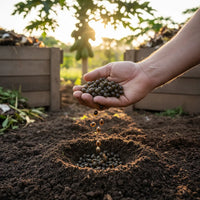
- Sprinkle in Your Compost Bin: If you have excess papaya seed powder, sprinkle it lightly into your backyard compost. Plant-based powders naturally break down and add variety to the nutrient mix.
- Avoid Large Quantities: Too much powder in one spot can clump, so mix in small amounts or spread thinly.
Are Veggie Capsules Compostable?
Most veggie capsules are made from hydroxypropyl methylcellulose (HPMC) or pullulan (a plant polymer). Both are widely considered biodegradable:
- Home Composting: In home compost, these capsules may take a few months to break down completely. Empty the powder, rinse, and add the capsules to your greens layer.
- Industrial Composting: Many community compost programs accept small, clean veggie capsules, especially if they’re plant-sourced and free from additives.
- Not for All Capsule Types: If your capsules are made from gelatin, they are animal-derived and not generally recommended for compost bins.
By keeping your supplement routine compost-friendly, you support a circular cycle that returns organic matter to the earth rather than contributing to waste.
Choosing Sustainable Papaya Seed Capsule Packaging and Delivery Options
Making a difference starts before you even open your bottle. When you’re shopping for papaya seed capsules, look for these low-impact choices to extend your sustainable habits:
What To Look for When You Buy Papaya Seed Capsules
- Post-Consumer Recycled (PCR) Materials: Packaging made from recycled content reduces the need for new plastic or glass.
- Minimalist Packaging: Slimmer bottles, recyclable labels, and eco-friendly inks all contribute to a lower carbon footprint.
- Plastic-Free Shipping: Choose brands that use recycled paper, cardboard, or compostable packing materials.
- Bulk and Refill Programs: Refillable containers or buying in bulk can dramatically cut down on packaging waste over time.

Delivery Tips for managing Environmental Impact
- Group Your Orders: Consolidate supplements with other household needs to reduce packaging and shipping emissions.
- Local or Regional Suppliers: Buying from nearby companies means fewer transportation miles and a smaller footprint.
- Ask About Take-Back Initiatives: Some brands or local stores offer programs to return empty containers for reuse or specialized recycling.
Selecting premium, organic papaya seed capsules with clear packaging standards ensures you get the best quality with a lighter touch on the planet. Many conscious consumers looking for both sustainability and wellness choose Organic Papaya Seed Powder 4oz | Gut Cleanse & Digestive Support for its eco-friendly approach and responsible packaging.
Questions to Ask Before You Order Papaya Seed Capsules
For the low-waste enthusiast, the journey is about more than just the product. Before your next purchase, consider asking:
- Is the supplement bottle made from recyclable materials?
- Are the capsules plant-based and compostable?
- Does the brand offer bulk, refill, or recycling programs?
- What kind of shipping materials do they use?
- Are there community-based recycling or upcycling opportunities in your area?
If maximizing every purchase is important to you, consider incorporating Body Detox Papaya Seed | Organic 15X Liquid Extract for Gut into your routine—combining wellness benefits with sustainable choices. Reviewing these details not only supports your health but also ensures a lighter ecological touch.
Everyday Low-Waste Capsule Habits to Make a Difference
Building a routine around low-waste supplement habits takes only small changes and a bit of creativity. Here are a few tips to help you integrate these practices into your daily routine:
- Keep a Clean Capsule Bottle Collection: Rinse and store empties rather than tossing them—once you have a few, they’re perfect for labeling and reuse.
- Rotate Upcycling Projects: Each season, try a new way to repurpose capsule packaging—whether it’s getting crafty or organizing your pantry.
- Share Ideas With Friends and Family: The best sustainable practices spread by example. If you’ve found creative ways to lower waste, pass along your insights or set up a community swap.
If you are looking for alternative supplements with conscious packaging, Organic Papaya Leaf Extract 16oz | 15X Liquid – Best Value Size provides both high potency and an eco-friendly bottle. You may also want to explore Papaya Leaf Blood Support Capsules 10X | 60ct – Platelet Wellness and similar options that align with your sustainable goals—supporting both your wellness journey and the planet.
The Impact of Low-Waste Choices After the Capsule
Every reused bottle, responsibly recycled lid, and home-composted capsule is a small but meaningful victory for sustainability. As mindful consumers, the decisions we make about how to buy, use, and dispose of Papaya Leaf Extract 10X Capsules 600mg | Platelet & Digestive Aid ripple outward into broader impacts—reducing reliance on virgin materials, saving landfill space, and nurturing both our homes and the wider planet.
When you’re ready for your next order, working with companies that support low-waste goals, such as Herbal Goodness, amplifies your efforts. Each purchase is a vote for quality, sustainability, and mindful living—long after the last capsule is gone.
FAQs:
- How can I reuse empty papaya seed capsule bottles after I buy them?
Empty papaya seed capsule bottles can be reused for organizing household items, as travel containers, seed starters for gardening, or creative DIY projects. Ensure bottles are clean before refilling or upcycling.
- Are papaya seed capsule bottles recyclable after use?
Most capsule bottles made from PET or HDPE plastic, and glass bottles, can be recycled. Always rinse bottles thoroughly, remove labels or seals, and check your local recycling guidelines before discarding.
- Can I compost the leftover papaya seed powder and veggie capsules?
Yes, both the botanical powder and most plant-based veggie capsules can be added in small amounts to home or community compost if clean. Avoid gelatin capsules and ensure powders are spread thinly to aid breakdown.
- What should I look for in sustainable papaya seed capsule packaging when I shop?
Look for bottles made with recycled materials (PCR), minimalist packaging, plastic-free shipping, and bulk options. Brands prioritizing eco-friendly practices help reduce waste throughout your supplement routine.
- How do upcycling and recycling papaya seed packaging help the environment?
Reusing, upcycling, or responsibly recycling packaging lowers landfill waste, conserves resources, and supports a circular economy, making your health and wellness routine more sustainable.
- Are there delivery options that help reduce packaging waste when buying papaya seed capsules?
Yes, you can choose companies offering group shipments, local sourcing, or plastic-free delivery. Some brands even accept returned bottles for specialized recycling or refilling.
Author Name:
Herbal Goodness Editorial Team
Author Bio:
The Herbal Goodness Editorial Team specializes in holistic health and superfoods, blending science and nature to educate and empower our community.
References:
Introducing Graviola to Young Taste Buds: Fun, Family-Friendly Flavor Exploration
Graviola in the Classroom and at Home: Creative Activities to Teach Kids About Tropical Plants