How to Read Nigella sativa (Black Cumin) Oil Labels for Immune Support

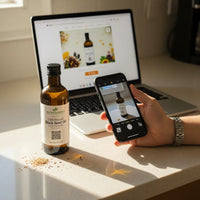
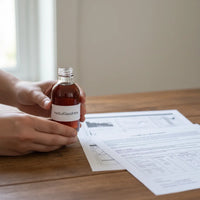
Nigella sativa, also called black cumin, has gained popularity in wellness circles, especially in supplement and oil form. If you’ve started exploring Nigella sativa (black cumin) oil products—especially those labeled for “immune support”—you’ve probably noticed a wide range of label claims, ingredient lists, and quality descriptions. Deciphering what’s on the front and back of a bottle can feel like learning a new language. This plain-English guide walks you through what those labels really mean, the key details that can affect your buying decision, and how you can confidently select a Nigella sativa oil that matches your expectations. While this guide empowers your label literacy, it doesn't make health claims—its purpose is to inform and educate you as a thoughtful consumer shopping for black cumin oil labeled for “immune support.”
Understanding 'Immune Support' Label Language on Nigella sativa Oil
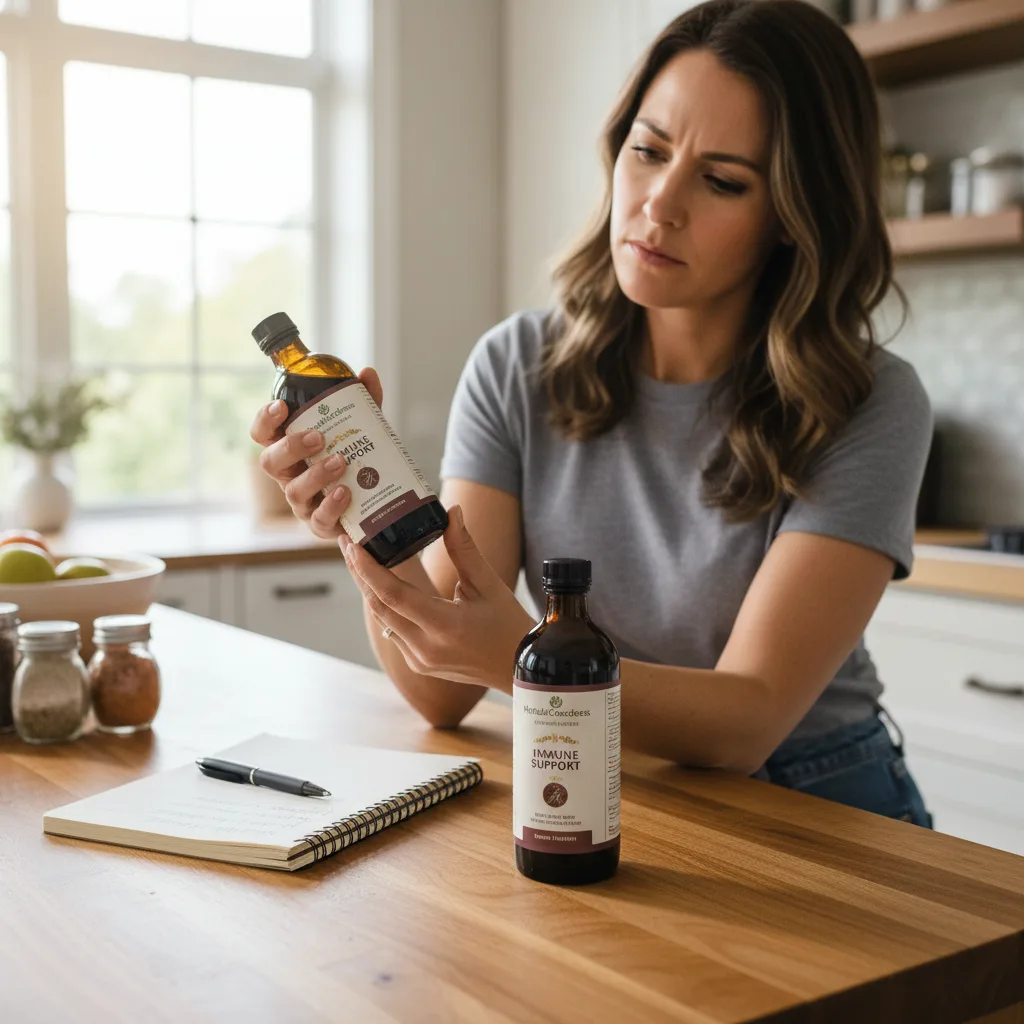
Among herbal products, the phrase “immune support” appears frequently, but what does it actually communicate when printed on a bottle of Nigella sativa oil? This phrase is typically used as functional or benefit-focused marketing language. It signals that the product contains compounds traditionally valued for supporting overall wellness, with a special nod to how people have historically incorporated black cumin oil into daily routines. However, it’s important to recognize:
- The “immune support” phrase is not a guarantee or promise of specific physiological outcomes.
- In the U.S., supplement labels avoid direct medical or diagnostic claims due to regulatory standards.
- The actual impact of a product depends on ingredients, preparation, and personal wellness habits.
When shopping, treat the term as a descriptor of how the product is positioned, not as an assurance about what it will achieve for you individually. For those interested in herbal supplements tailored for immune wellness, Immune Boost 15X Liquid Extract | Daily Immunity & Gut Wellness Support is an example of a product that clearly communicates its focus through label language.
Key Label Elements That Affect Nigella sativa (Black Cumin) Oil Quality
Botanical Naming and Ingredient Transparency
A high-quality Nigella sativa oil label will use the plant's scientific name, not just "black cumin" or "black seed." Look for these terms:
- Botanical name: “Nigella sativa (seed) oil” confirms you’re getting the specific plant associated with traditional black cumin oil uses.
- Ingredient listing: Ideally, the label should clearly state what is (and isn't) inside, listing Nigella sativa seed oil as a main ingredient, followed by any carrier or added ingredients.
When scanning ingredient transparency or seeking evidence of purity, products such as the Black Seed Oil 8oz | Cold-Pressed Nigella Sativa – Immune & Daily Wellness offer clear labeling so you know precisely what you’re purchasing.
Extraction Method: Cold Pressed vs. Solvent Extracted
The way Nigella sativa oil is extracted can influence its composition, taste, and potential shelf life:
- Cold pressed: This common label claim means seeds were pressed at low temperatures, aiming to preserve naturally occurring plant compounds and aroma. It’s often preferred for culinary or supplemental uses.
- Solvent extracted: Less common for wellness oils, this method uses chemicals to yield higher volumes, potentially altering flavor and some properties.
- Unrefined or virgin: These terms suggest minimal processing, though specifics vary by brand.
When reading labels for "immune support" Nigella sativa oil, “cold pressed” and “virgin” are considered value signals, as they indicate less processing. For example, many customers opt for cold-pressed black seed oil to maximize the presence of naturally occurring compounds.
Pure Oil vs. Oil Blends and Added Ingredients
Some Nigella sativa oils are pure, while others are blended with:
- Carrier oils (like olive, grapeseed, or sunflower): These are added to dilute the strength, change the consistency, or offer additional flavor or nutritional properties. It should be obvious from the ingredient list.
- Essential oil blends: Sometimes Nigella sativa is mixed with other essential oils for aromatherapy or topical uses—these blends must list all components.
- Flavorings or flavor-masking agents: Natural or artificial flavors may be present; if so, these will appear on the label.
Ask yourself: Is this a pure Nigella sativa oil or a blend/cocktail? This can influence taste, aroma, potential applications, and price. Those seeking added immune support from various botanicals might explore options like the Soursop Leaf Graviola Extract 15X Liquid | Organic Cell & Immunity for a multi-herb approach.
Strength, Serving Size, and Usage Guidance
Some labels specify milligrams per serving or provide a percentage of active compounds. While not required, more detailed strength labeling can offer:
- Clearer expectations on how potent one serving is
- Recommendations on daily usage amounts
- What a "serving" actually looks like (teaspoon, dropper, capsule)
When comparing brands, consistency in serving size and strength labeling helps you match the product to your intended use. For instance, the serving size and daily wellness guidance on the Black Seed Oil 8oz | Cold-Pressed Nigella Sativa – Immune & Daily Wellness bottle let buyers decide how to incorporate the oil into their routine.
Clues for Product Quality: Third-Party Testing and Certifications
Don’t overlook the small print or side-panel badges. Quality-focused Nigella sativa (black cumin) oil makers may include:
- Third-party lab tested: Indicates that an independent lab has evaluated the product for purity or potency. Look for phrases like “purity verified” or “independent lab tested.”
- USDA Organic or equivalent: Shows the black cumin seed source meets organic agriculture standards.
- Non-GMO, vegan, or allergen-free: Helpful if you’re seeking specific dietary standards.
- Manufacturing standards: GMP (Good Manufacturing Practice) or “made in USA” claims reflect adherence to recognized safety or sourcing protocols.
If you see these phrases or badges, it signals extra steps were taken to ensure transparency and accountability—especially relevant when shopping for “immune support” oils. Alternatively, products such as the Guava Leaf Tea Organic 24 Bags | Immunity & Gut Wellness – Caffeine-Free highlight their organic or non-GMO status directly on the label.
How Extraction and Carrier Type Affect Label Reading and Buying Decisions
Extraction Types in Everyday Language
The extraction method affects both what’s in your bottle and how the oil can be used:
- Cold pressed: Retains more of the signature flavor, color, and aroma of black cumin seed. Popular for those seeking traditional Nigella sativa uses.
- Solvent extracted: May create a lighter flavor or change the profile, usually reflected by a lower price.
Carrier Oils: What To Look For
Nigella sativa oil may be sold straight (undiluted) or as a blend. Some products require carrier oils for safe skin application; others use carriers to adjust consistency, flavor, or cost.
- Common carriers: Olive oil and sunflower oil are typical.
- Label tip: If you want pure Nigella sativa, look for one labeled “100% Nigella sativa (black cumin) seed oil.” For blends, ensure all oils are clearly named and listed by quantity. Those looking for wider nutrient diversity sometimes choose Raw Sea Moss 8oz Bag | St. Lucia Wildcrafted – Nature's Multivitamin to complement their supplement regimen.

Packaging and Storage Claims: Maximizing Freshness and Longevity
The right packaging helps Nigella sativa oil stay fresher and last longer. Look for these packaging features on the label:
- Dark glass bottles: Help protect oil from light, which can degrade natural compounds.
- Tightly sealed caps/dropper tops: Reduces air exposure, which can cause the oil to oxidize.
- Storage directions: “Store in a cool, dark place” is a common suggestion—follow these tips to preserve flavor and quality.
If the packaging feels lightweight or clear, the oil inside may be more vulnerable to light or heat. Other products that come in protective packaging—such as Soursop Leaf Tea | Organic Graviola 24 Bags | Soursop Tea Benefits for Immunity & Wellness—demonstrate similar care in storage recommendations.
Sensory Tips: Using Sight, Smell, and Taste to Verify Quality at Home
- Color: Authentic Nigella sativa oil ranges from dark amber to brownish-black. Blends or diluted oils are lighter.
- Aroma: A robust, peppery, earthy scent is normal. Blends or oils with added flavors may smell milder or different.
- Taste: Traditional black cumin oil delivers a warming, slightly bitter kick. Added flavors can mellow or adapt the profile.
While your senses can’t replace quality certifications, they offer extra clues after you open your oil at home. For those exploring other sensory botanicals, Oil of Oregano 75% Carvacrol | 2oz – Potent Immune & Antifungal Support is famed for its strong taste and aroma as well.
How Blends and Added Ingredients Influence Use and Label Reading
Different label ingredients can change how a Nigella sativa oil is best used:
- Pure oil: Often used internally (as directed), or topically after dilution.
- Blend with carrier oils: May offer a milder experience, popular for beginners or topical experimentation.
- Added essential oils or flavors: May shift the oil’s traditional uses toward aromatherapy, culinary, or topical applications.
Always read the full label to confirm whether it’s safe and intended for your specific purpose. If you have dietary needs or want to expand your wellness routine, teas like the Guava Leaf Tea Organic 24 Bags | Immunity & Gut Wellness – Caffeine-Free offer ingredient transparency for mindful consumers.
Practical Questions To Ask Sellers Before Buying Nigella sativa (Black Cumin) Oil
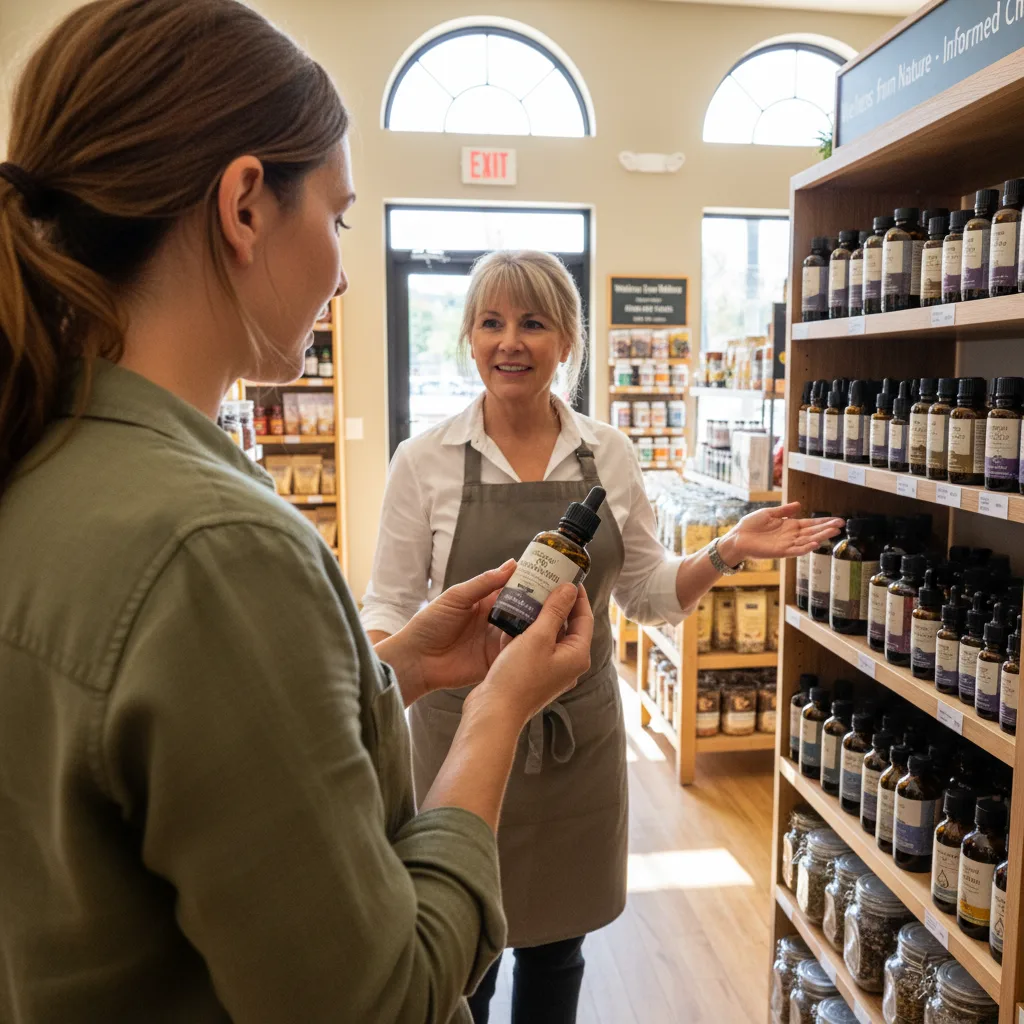
To shop with confidence, consider asking sellers:
- Does this product specify “cold pressed” or the extraction method?
- Are there carrier or added oils, and are they listed by percentage?
- Is your Nigella sativa oil lab tested by a third party, and are results available?
- What’s the source origin of the black cumin seeds?
- What’s the best way to store this oil for maximum freshness?
A transparent seller should answer these questions clearly or point you to resources like a certificate of analysis. Herbal supplement providers who highlight lab testing—such as those marketing Immune Boost 15X Liquid Extract | Daily Immunity & Gut Wellness Support—showcase their commitment to transparency and safety.
Summary: Building Confidence as a Label-Literate Buyer
Buying Nigella sativa oil labeled for “immune support” doesn’t need to be confusing. By focusing on the label’s language, understanding how extraction and carrier types affect quality, and asking practical questions, you join a growing group of empowered buyers. Remember: labels are tools for making informed choices—combining label literacy with your senses and vendor transparency helps you find a product that matches your values and preferences.
Frequently Asked Questions
Question 1: What should I look for on a Nigella sativa oil label for immune support?
Answer: Key elements include the botanical name (Nigella sativa seed oil), whether it's cold pressed, clear ingredient listings, possible carrier or added oils, and quality claims such as third-party lab testing or organic certification. For a verified immune support option, try the Black Seed Oil 8oz | Cold-Pressed Nigella Sativa – Immune & Daily Wellness.
Question 2: How does cold pressed Nigella sativa oil differ from solvent extracted?
Answer: Cold pressed oil retains more natural flavor and nutrients, offering a robust aroma and deeper color. Solvent extracted oil may be lighter and less flavorful but could be cheaper. Always check for the extraction type, especially if you prefer less processed oils like Black Seed Oil 8oz | Cold-Pressed Nigella Sativa – Immune & Daily Wellness.
Question 3: Are there other herbal products for daily immunity support?
Answer: Yes, options include Immune Boost 15X Liquid Extract | Daily Immunity & Gut Wellness Support, teas like Soursop Leaf Tea | Organic Graviola 24 Bags | Soursop Tea Benefits for Immunity & Wellness, and herbal extracts such as Guava Leaf Tea Organic 24 Bags | Immunity & Gut Wellness – Caffeine-Free.
Question 4: Can I use Nigella sativa oil both internally and topically?
Answer: Pure Nigella sativa oil is often suitable for both uses, but always check the label for dilution instructions and intent. Blends may be best for topical purposes. Consider supplementing your routine with other products like Raw Sea Moss 8oz Bag | St. Lucia Wildcrafted – Nature's Multivitamin for whole-body benefit.
Question 5: What packaging features help preserve Nigella sativa oil's quality?
Answer: Look for dark glass bottles, sealed caps or droppers, and labels suggesting storage in cool, dark conditions. This care is seen not just in oils, but in wellness blends like Soursop Leaf Tea | Organic Graviola 24 Bags | Soursop Tea Benefits for Immunity & Wellness too.
Question 6: How can I verify the quality of my black cumin oil beyond the label?
Answer: Check the oil’s color (dark amber to brown-black), aroma (peppery and earthy), and taste (warm and slightly bitter). Verify claims with lab results if available, and consider brands that emphasize testing, such as those offering Immune Boost 15X Liquid Extract | Daily Immunity & Gut Wellness Support.
Ready to explore Nigella sativa oil options? Use your label-reading know-how to compare product details, ask informed questions, and choose with confidence.
About the Author
Herbal Goodness Editorial Team
The Herbal Goodness Editorial Team specializes in holistic health and superfoods, blending science and nature to educate and empower our community.
References
Oregano Oil vs. Black Seed Oil: Sensory & Sourcing Guide