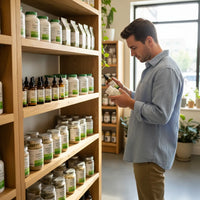
How to Choose Moringa Liquid Extract if You Have Food Allergies

Moringa liquid extract is popular among wellness enthusiasts and those exploring natural superfoods, but if you (or someone in your home) lives with food allergies or sensitivities, shopping for herbal extracts can feel daunting. This guide is designed for allergy-aware shoppers who want to safely navigate moringa liquid extracts—demystifying ingredient and cross-contact risks, carrier types like glycerin and alcohol, tricky label language, and how to make confident, informed decisions for your pantry.
Why Allergy-Aware Shopping Matters for Moringa Liquid Extracts
Before adding moringa extract to your wellness routine, it’s essential to know exactly what’s in your bottle. Although moringa itself is not a common allergen, moringa liquid extracts are made using additional carrier liquids and sometimes flavor or stabilizing agents. Manufacturing environments and packaging choices can also introduce risks for those with sensitivities. Learning to spot the allergy clues on labels—and knowing the right questions to ask—empowers you to select extracts in line with your needs and peace of mind.
A product such as the Moringa Leaf Extract 15X Liquid | Organic – Immunity & Total Wellbeing demonstrates transparency with its ingredient list and certifications, making label-reading much less stressful for allergy-conscious shoppers.
Typical Ingredients in Moringa Liquid Extracts: What to Expect
Most moringa liquid extracts contain a base of moringa leaf (sometimes labeled as Moringa oleifera) and a carrier solvent. Here are the most common components and allergy considerations:
- Carriers: The plant material is extracted into a solvent. Typical solvents include alcohol (often grain-derived, sometimes gluten-free), vegetable glycerin (may come from soy, palm, or coconut), or water. Check the source if you’re sensitive to any of these. Similar precautions apply if you are considering the Organic Papaya Leaf Extract 16oz | 15X Liquid – Best Value Size, as it also uses carrier ingredients commonly shared with other botanical extracts.
- Flavorings/Enhancers: Some liquid extracts have added natural flavors, essential oils, or sweeteners—these may include tree nut derivatives or artificial additives, so always read the label closely.
- Preservatives: Not all brands add them, but some use citric acid, potassium sorbate, or other preservative agents.
Decoding Allergy Language on Moringa Extract Labels
Shoppers with sensitivities rely on clear, accurate labels. Here’s how to read them like a pro:
Recognizing Carrier Types That Matter for Allergies
- Alcohol: If labeled “alcohol extract,” look for details like “organic cane alcohol,” “gluten-free alcohol,” or “grain alcohol.” If you’re gluten-sensitive, ensure the label specifies gluten-free status. Grain source (wheat/corn/rice) can be relevant.
- Glycerin: Often marked as “vegetable glycerin.” Some labels state the vegetable source (soy, coconut, palm); others may not. If you react to specific plants, seek a brand that discloses glycerin origin.
- Nut Oils: Very rare, but some specialty extracts may use almond or other nut oils, particularly in blended tinctures. Always look for “may contain tree nuts” statements or a specific allergen warning.
Common Allergen Warning Terms
- “Contains [allergen]” or “May contain [allergen]”
- “Processed in a facility that also processes [allergen]”
- “Gluten-free,” “Soy-free,” “Nut-free,” or “Allergen-free” — these indicate intentional exclusion, but cross-contact is still possible unless strictly certified.
Gluten and Grain Risks
- Alcohol derived from wheat, barley, or rye may theoretically contain gluten residues, though distillation typically removes proteins. If you are highly sensitive, seek out moringa liquid extracts labeled “gluten-free” or “alcohol derived from corn or sugar cane.”
Products such as Soursop Leaf Graviola Extract 15X Liquid | Organic Cell & Immunity also highlight their carrier choices and facility practices, often appealing to allergy-aware customers.
Packaging and Manufacturing Choices
- Glass bottles versus plastic: Allergies are rarely triggered by bottle materials, but glass is inert and less likely to introduce contaminants.
- Dedicated allergen-free facilities: Some brands highlight allergen control in production, which can reduce cross-contact risk. Look for statements such as "manufactured in an allergen-free facility."
Cross-Contact: What It Means and Why It Matters
Cross-contact happens when an allergen comes into contact with a product—even in tiny amounts—during harvesting, processing, or bottling. For sensitive shoppers, understanding this risk is crucial.
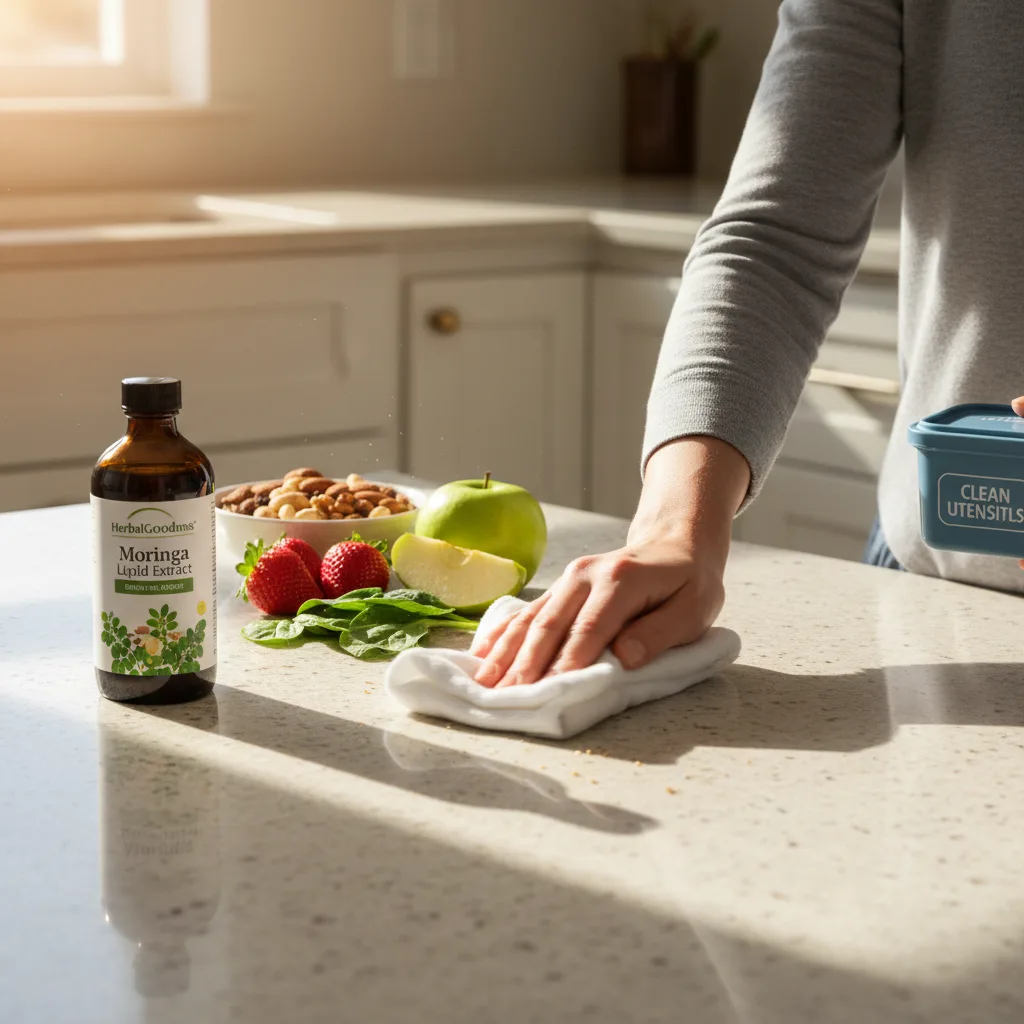
Where Cross-Contact Can Occur
- Farm and Harvest: Moringa leaves might be grown near other crops—rare for allergens but worth checking if you have severe plant allergies.
- Manufacturing Facilities: Shared equipment with nuts, soy, gluten, or other major allergens can lead to trace presence in moringa extracts. Transparency about facility practices is important.
- Bottling and Packing: Sometimes products are bottled on the same lines as others containing allergens.
Label Red Flags for Cross-Contact
- “Made in a facility that processes [allergen]”
- “May contain traces of [allergen]”
- No allergen disclosure at all—reach out to the brand if the label isn’t clear.
When choosing wellness staples, consider extracts made in facilities prioritizing allergen safety, like those producing Bamboo Leaf Organic 15X Liquid Extract | Silica, Collagen & Biotin. This approach helps ensure confidence in pantry selections and may reduce the risk of surprise sensitivities.
Practical Questions to Ask Before You Buy Moringa Liquid Extract
When labels aren’t clear enough, proactive shoppers can reach out to brands or sellers for crucial allergy-related information. Here’s what to ask:
About Ingredients
- What is the source of your alcohol or glycerin? Is it certified gluten-free or nut-free?
- Are any flavorings or stabilizers derived from common allergens like nuts or soy?
- Can you verify there are no hidden additives or undisclosed ingredients?
About Manufacturing
- Is your moringa extract produced in a dedicated allergen-free facility?
- Do you clean and sanitize equipment between batches of different products?
- What steps are taken to prevent cross-contact with common allergens?
Packaging & Shipment
- Is the product packaged in an environment that manages allergen risks?
- Are there any latex or rubber elements (possible allergen) in caps, droppers, or seals?
Certification and Transparency
- Do you have third-party certifications for gluten-free, nut-free, soy-free, or allergen-free handling?
- Are allergen results from facility or batch testing available to consumers?
Knowing these answers builds trust and helps you assess whether a particular moringa liquid extract aligns with your needs.
Ingredients to Watch: Terms Allergy-Aware Shoppers Should Recognize
The language on herbal product labels can be confusing. Here are key words to look for—and what they mean:
Common Carrier and Additive Terms:
- Glycerin (sometimes labeled as "vegetable glycerin"; ask about soy, coconut, or palm origins)
- Alcohol (look for “gluten-free alcohol”; if unsure, verify grain source)
- Natural flavors (vague; could be derived from any plant, so always inquire if you have allergies)
- Citric acid or potassium sorbate (usually not allergens themselves but sometimes derived from corn)
Less Common, But Possible:
- Nut oils (rare in moringa extracts; always double-check if you have tree nut allergies)
- Derived from coconut, palm, or soy (potential triggers for those sensitive)
If seeking alternatives due to certain sensitivities, Body Detox Papaya Seed | Organic 15X Liquid Extract for Gut offers a unique profile with similar carrier awareness and clarity in labeling.
Signs of a Good Fit for Food-Sensitivity-Friendly Pantries
While no label can guarantee zero allergen risk, these clues point to a safer option for the allergy-aware shopper:
- Clear, thorough ingredient lists: Brands like Herbal Goodness reflect ingredient transparency—breakdown of not just active moringa but carrier details too.
- Allergen callouts and “free from” claims: Look for assertive phrases: “Contains no nuts, soy, gluten, dairy, or artificial additives.”
- Third-party certification: Gluten-free, non-GMO, or allergen-free seals help verify best practices.
- Responsiveness: Brands willing to answer your ingredient and process questions openly are more likely to prioritize allergy safety.

Consider the Moringa Leaf Extract 15X Liquid | Organic – Immunity & Total Wellbeing, which lists all its ingredients and allergen status clearly, making it easier for shoppers concerned with food sensitivities to evaluate suitability. Similar best practices are evident in Bamboo Silica + Biotin Hair Growth Extract | 15X Liquid | Natural Hair & Follicle Support, ensuring you have more choices tailored to your dietary restrictions.
Safe Shopping Habits for Allergy-Conscious Extract Buyers
Adopting a methodical approach can make shopping less stressful and much safer:
- Always read the full label—front, back, and any fine print
- Cross-check the ingredient list with your known sensitivities
- Look for or request allergen disclosure statements
- Buy from brands that have a reliable history of transparency
- Consider starting with a single-serve size or sample before adding to your daily routine

Moringa liquid extracts offer a way to explore powerful botanicals, but with food allergies or sensitivities, a little label literacy goes a long way. Use the tips and questions in this guide to shop with increased confidence, supporting your wellness journey with care and knowledge.
Frequently Asked Questions
Question 1: Can moringa liquid extracts trigger food allergies?
Answer: While moringa itself isn’t a known allergen, moringa liquid extracts can include carriers or processing agents that may cause reactions. Always check for hidden ingredients and seek brands like Herbal Goodness that clearly display all allergens and origins.
Question 2: How do I know if a moringa extract is gluten-free?
Answer: Look for specific labels stating 'gluten-free' and, if the extract uses alcohol, check that it is from corn or sugar cane. Products like the Moringa Leaf Extract 15X Liquid | Organic – Immunity & Total Wellbeing clearly note their gluten-free status and carrier source.
Question 3: Is vegetable glycerin safe if I have allergies to soy, coconut, or palm?
Answer: It depends on the source of the glycerin. Some brands specify this—others do not, so request ingredient source information for reassurance. Many products, including Organic Papaya Leaf Extract 16oz | 15X Liquid – Best Value Size, provide details about carrier origins.
Question 4: What is cross-contact, and how do I avoid it?
Answer: Cross-contact is when a product comes into contact with allergens during processing. Opt for extracts from brands that bottle in allergen-controlled facilities, like Soursop Leaf Graviola Extract 15X Liquid | Organic Cell & Immunity, to reduce your risk.
Question 5: Are there alternatives to moringa extract if I have multiple allergies?
Answer: Yes. Consider options such as Bamboo Leaf Organic 15X Liquid Extract | Silica, Collagen & Biotin or Body Detox Papaya Seed | Organic 15X Liquid Extract for Gut, as they offer varied ingredient profiles and transparent allergen disclosures.
Question 6: How can I check if a liquid extract is safe for my allergy?
Answer: Read all ingredient labels, research the facility practices, and contact the company directly for more information on possible cross-contact or hidden allergens.
Question 7: Do liquid extracts containing alcohol always have gluten?
Answer: Not always—alcohol can come from a variety of sources. Seek extracts labeled gluten-free or made with non-gluten sources, and verify the source with the manufacturer if the label isn’t clear.
Curious about a moringa liquid extract but have food sensitivities? Use these label-reading and question-asking tips to find the right fit for your pantry and priorities.
About the Author
Herbal Goodness Editorial Team
The Herbal Goodness Editorial Team specializes in holistic health and superfoods, blending science and nature to educate and empower our community.
References
Introducing Graviola to Young Taste Buds: Fun, Family-Friendly Flavor Exploration
Graviola in the Classroom and at Home: Creative Activities to Teach Kids About Tropical Plants