How to Choose a Private Label Herbal Tea Supplier for Your Brand

Choosing the right private-label herbal tea supplier is one of the most important steps for a small tea brand starting out. But how can you confidently compare options when you may not have a technical background—or a dedicated tea lab? The good news: you don’t need to be a seasoned tea scientist or a flavor chemist to define what you want, set basic sensory targets, and verify a supplier’s ability to meet them.
This guide walks you through the practical steps for defining a clear flavor specification, setting simple quality and sensory standards, evaluating samples using inexpensive cuppings, and turning your requirements into a short, actionable checklist for choosing a private-label herbal tea supplier. You’ll be empowered to make supply decisions confidently, even in your brand’s early days.
Clarifying Your Herbal Tea Flavor Specification
Defining a flavor "spec" (specification) may sound technical, but it’s about putting your vision into clear, communicable terms that suppliers can understand and match. Having a written spec protects your brand consistency, minimizes surprises, and forms the foundation of supplier vetting.
The best flavor specs are direct, concise, and descriptive. Start by answering:
- What does your ideal blend smell and taste like? (e.g., “bright, sweet chamomile with a mild apple note, no bitterness.”)
- Which attributes matter most: aroma, taste, color, aftertaste, or mouthfeel?
- Are there flavors, aromas, or sensations that are strictly unacceptable?
Your spec should:
- Use familiar, food-related descriptors (herbaceous, floral, citrusy)
- Avoid complex jargon or technical terminology
- Note any red lines or “must-avoids”
Build a simple flavor wheel with keywords and intensity ranges so you can visually rate samples later. For example:
- Aroma: floral, mild (1-5 scale)
- Taste: sweet, apple-like, moderate (1-5)
- Bitterness: none to very low (0-1)
Attach a quick description: "Seeking a gentle yellow cup with clean chamomile aroma, mild apple-like sweetness, and soft finish. No bitter or musty undertones."
Setting Sensory Tolerances: Acceptable Variability
Even the best teas vary slightly from batch to batch—nature is involved, after all. Bear in mind what flavor or appearance range you find acceptable as a business owner.
Ask yourself:
- How much can color, aroma, or taste shift, and still be "on spec"?
- What’s the minimum brightness or sweetness you’ll accept?
- What types of off-notes (e.g., excessive woody or earthy flavors) are absolute deal-breakers?
It helps to:
- Define a high and low threshold for each attribute (e.g., “Color may range from pale yellow to light gold, aroma must always be fresh, not stale.”)
- Document exceptions you’re willing (or not willing) to make for rare botanicals or seasonal batches.
Linking Sensory Standards to Quality Metrics
Clear sensory targets are essential, but pairing them with basic quality metrics ensures your teas aren’t just flavorful—they’re also safe, consistent, and up to industry standards.
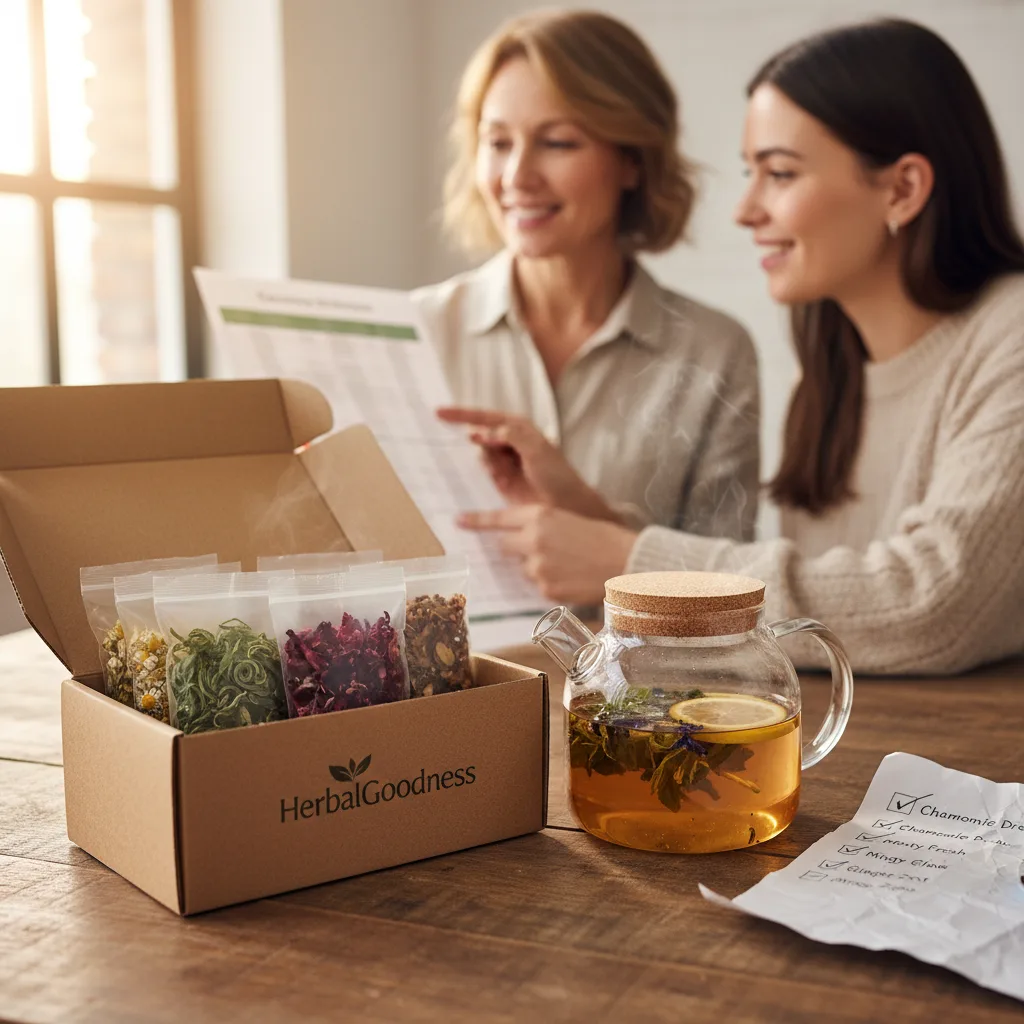
Core Herbal Tea Quality Metrics Worth Tracking
- Moisture Content: For dried teas, moisture should fall within a defined range (often 8-12%) to preserve freshness without inviting spoilage.
- Cut Size: The particle size—whole leaf, cut-and-sifted, or powdered—impacts taste extraction, visual appeal, and brewing performance.
- Contaminant Screening: High-quality suppliers provide Certificates of Analysis (COAs) confirming that their teas are absent (or below legal limits) for heavy metals, pesticides, and foreign materials.
Tie your sensory spec to these details: For example, specify “Chamomile blossoms: moisture 8–10%, cut size coarse, no evidence of stems or foreign particles.”
One excellent way to explore quality raw ingredients is to test with a standard herbal blend like the Organic Papaya Leaf Tea | 24 Premium Bags – Caffeine-Free, known for its clean taste and powerful bioactive profile. This product can help you benchmark expected aroma and clarity for your blends.
COAs (Certificates of Analysis) serve as the supplier’s proof of quality. While you may not be an expert, check for batch-linked moisture results matching your spec, documented cut size or sieve analysis (where relevant), and completed contaminant testing (even basic pesticide and heavy metal panels).
Ask suppliers to provide recent COAs with sample shipments. Compare these data points to your spec to spot any mismatch. For suppliers able to provide consistent documentation and a spectrum of tea options, the organic herbal teas can be a versatile toolkit for sampling and prototyping blends.
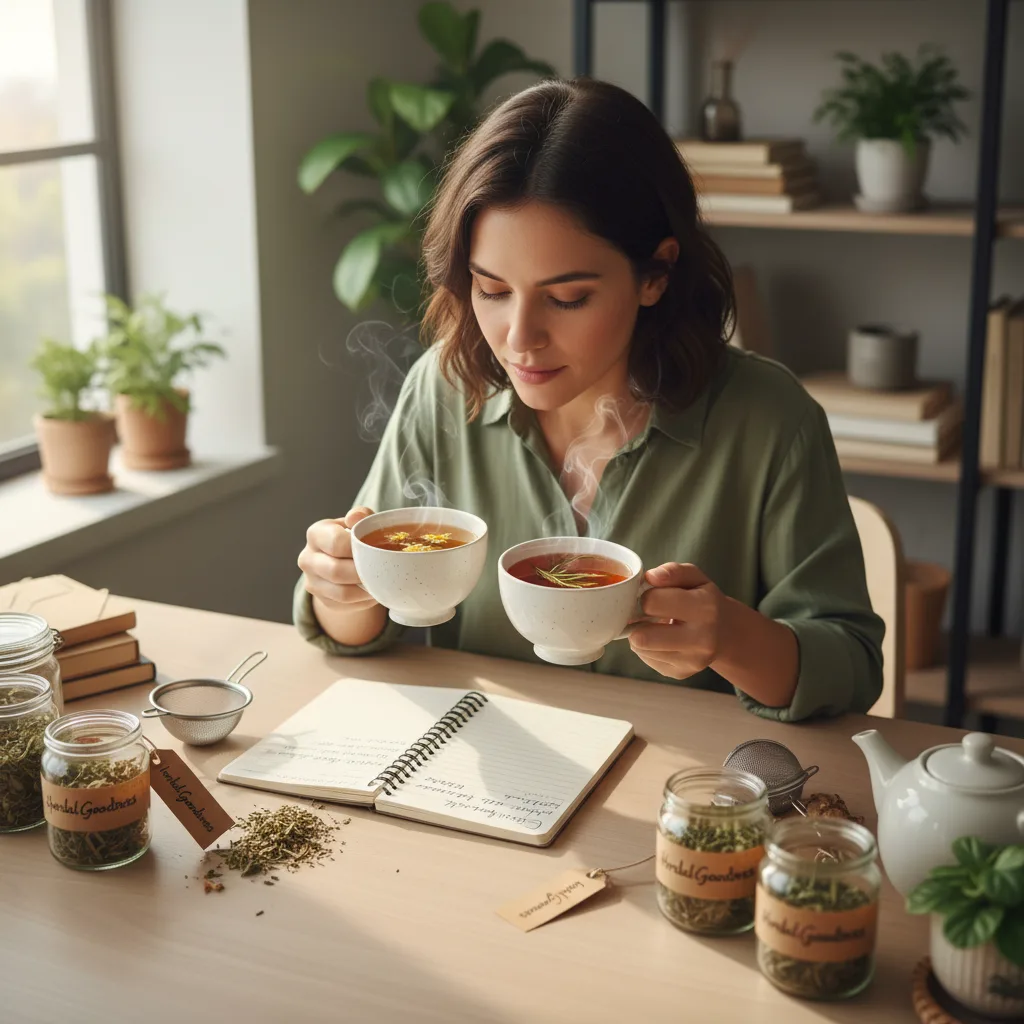
Conducting Simple, Practical Cuppings to Assess Supplier Samples
The "cupping" process—brewing and tasting teas side-by-side—is essential for comparing supplier samples. Luckily, you don’t need special equipment to get started. Use identical clear mugs or teacups, weigh equal quantities (e.g., 2 grams) for a fair comparison, and use freshly boiled, filtered water.
With your flavor spec and flavor wheel close by, jot down ratings or comments as you taste. Comparing herbals like Soursop Leaf Tea | Organic Graviola 24 Bags | Soursop Tea Benefits for Immunity & Wellness can help you distinguish between delicate floral notes and richer herbal aromas, allowing precise flavor profile assessment.
Cupping Tips for Small Brands
- Invite several tasters and compare impressions to avoid one-person bias
- Use a score sheet—rate each attribute (aroma, taste, color) independently
- Describe any off-flavors as specifically as possible for future supplier feedback
Blind Tasting for Objectivity
If you can, code each cup with a number and have someone else pour, so you don’t know which is which. This helps ensure your decision is based on flavor, not just the supplier’s reputation or price. Products such as Guava Leaf Tea Organic 24 Bags | Immunity & Gut Wellness – Caffeine-Free are convenient for blind tasting due to their individually portioned bags and well-documented flavor attributes.
Interpreting Supplier COAs and Lab Data (Without a Science Degree)
Supplier paperwork can be intimidating, but you can extract value by focusing on a few key data points such as the date and batch, moisture content, and screenings. Always flag any missing, incomplete, or inconsistent data early for follow-up. A reputable private-label herbal tea supplier will welcome these questions and help you understand their COA.
Looking for a private-label partner that prioritizes quality, consistency, and transparency? Explore Herbal Goodness' private-label herbal tea solutions, featuring USDA Organic teas, third-party testing, and flexible manufacturing options to help you build a brand your customers can trust.

Turning Your Insights into an Effective Supplier Checklist
After establishing your specs and running initial sensory and quality checks, summarize your findings as a checklist to guide sample approvals and negotiations. Key points to include: flavor and aroma, visual quality, COA documentation, sensory tolerances, and supplier responsiveness.
For a broader portfolio of blends, choosing an Organic Herbal Tea Gift Set | 24 Teabags Wellness Collection gives you a sense of how suppliers manage variety and batch consistency under one brand umbrella. Keep the checklist short, objective, and action-focused for best results.
Applying Your Checklist to Early Sample Orders and Production Runs
During sample ordering and your first production runs, use your checklist to decide which suppliers hit your target quality most closely, where differences exist, and what might require negotiation. For example, bulk blends such as our Bulk Herbs collection allow flexibility in custom formulation and scaling as your needs grow.
Record findings in real time, update your flavor spec, and adjust tolerances as you gather feedback from your initial batch customers or as you learn from sample-based prototyping.
Summary: Building Supply Relationships You Can Trust
Selecting a private-label herbal tea supplier isn’t just about price or minimums. By developing a clear flavor spec, establishing sensory tolerances, and checking quality with repeatable methods, small brands can preserve quality and consistency, setting a strong foundation for lasting business growth.
As your experience grows, your specs can evolve, but a solid approach to sensory and quality standards will always remain invaluable. For brands seeking inspiration and flexibility, exploring bundle options such as the Organic Herbal Tea Trio – Build-Your-Own Bundle | Mix & Match Any 3 USDA Organic Herbal Teas & Save 20% may support wider experimentation and market testing alongside your top-sellers.
Ready to bring your herbal tea brand to life? Partner with Herbal Goodness for private-label herbal tea manufacturing, premium USDA Organic blends, and dedicated support to help you create high-quality products with confidence.
Frequently Asked Questions
Question 1: How important is a flavor specification when selecting a supplier?
Answer: A clear flavor spec sets the foundation for supplier vetting and ensures that your chosen product, like Organic Papaya Leaf Tea, will meet your unique standards batch after batch.
Question 2: What is a COA and why does it matter?
Answer: A Certificate of Analysis (COA) details critical quality metrics. For instance, a supplier offering Soursop Leaf Tea should always provide recent COAs for every batch.
Question 3: How can I compare different herbal tea suppliers easily?
Answer: Use a practical checklist based on your flavor, quality, and sensory preferences. Sampling a reliable bulk option such as Bulk Loose Leaf Teas & Tisanes - Organic 4oz helps in making side-by-side comparisons.
Question 4: Are there specific products ideal for small brands to start with?
Answer: Yes, starter-friendly products like Guava Leaf Tea Organic 24 Bags or bundle packs such as Organic Herbal Tea Gift Set | 24 Teabags Wellness Collection offer variety and measurable consistency.
Question 5: Should I consider blended tea samplers for evaluating new suppliers?
Answer: Blended samplers, like the Organic Herbal Tea Trio – Build-Your-Own Bundle, help you assess variety and flavor range, making them smart choices for early testing and market response.
Question 6: What product attributes should I look for in supplier samples?
Answer: Assess for flavor clarity, freshness, proper cut size, and thorough documentation such as COAs available with choices like Soursop Leaf Tea | Organic Graviola 24 Bags.
Question 7: How do I know a supplier is responsive and reliable?
Answer: Track factors such as sample arrival timing, completeness of documentation, and willingness to answer questions—qualities common among top-tier providers with a broad herbal tea assortment.
Thoughtful flavor specs and clear quality standards set your herbal tea brand apart from the start. Use your checklist for each supplier interaction to make every order count.
About the Author
Herbal Goodness Editorial Team
The Herbal Goodness Editorial Team specializes in holistic health and superfoods, blending science and nature to educate and empower our community.
References
Introducing Graviola to Young Taste Buds: Fun, Family-Friendly Flavor Exploration
Graviola in the Classroom and at Home: Creative Activities to Teach Kids About Tropical Plants