





How to Choose a Bulk Herbal Tea Supplier for Small Businesses

For small cafés, product makers, and boutique retailers, building a reliable partnership with a bulk herbal tea supplier can be transformative. A thoughtfully chosen herbal tea supplier not only helps you deliver consistent quality to your customers, but also strengthens your ability to scale, experiment, and differentiate your business. When sourcing herbs at scale, knowing how to evaluate suppliers, set clear expectations, and establish solid communication can feel intimidating if you’re new to the process. This guide provides a practical roadmap for beginners to build trusted relationships and ensure their business thrives with the support of a reliable herbal tea partner.
Why a Trustworthy Bulk Herbal Tea Supplier Matters
Working with a dependable supplier is not just about the transaction—it’s about creating a foundation of consistency, safety, and shared values. Reliable bulk herbal tea suppliers can help your café, retail brand, or product line maintain quality amidst market fluctuations, meet compliance needs, and respond flexibly to growth or challenges. This relationship is essential for long-term success, and begins with deliberate, informed steps from the start. Brands sourcing from established companies benefit from access to premium products like Bulk Herbs & Roots Online for Tea, Tinctures & DIY Wellness - Organic 4oz Bags, which provide versatility and trusted sourcing.
As you evaluate potential suppliers, consider becoming a Herbal Goodness wholesaler. Our wholesale program gives cafés, retailers, wellness practitioners, and specialty businesses access to premium organic herbal teas, competitive wholesale pricing, and dependable supply backed by quality documentation.
Sampling: How to Request, Receive, and Evaluate Bulk Herbal Tea Samples
Why Samples Matter in Bulk Tea Sourcing
Receiving and evaluating samples is a crucial early step when assessing potential herbal tea suppliers. Requesting samples allows you to:
- Inspect tea leaf quality, aroma, and color
- Brew test batches to assess flavor and consistency
- Evaluate packaging standards
- Compare options between suppliers
When reviewing herbal teas, consider including customer favorites such as Soursop Leaf Tea | Organic Graviola 24 Bags | Soursop Tea Benefits for Immunity & Wellness in your sample requests. Comparing widely loved blends alongside your intended botanicals helps you calibrate your quality standards and expand your product offerings.
How to Request Bulk Herbal Tea Samples
Begin by compiling a concise list of the herbs or blends you wish to source and the approximate quantities needed. When contacting potential suppliers, provide:
- Your intended product use (café, packaged retail, custom blend, etc.)
- Estimated order volume
- Specific sample requests (individual botanicals, blends, formats)
Many established suppliers, including those like Herbal Goodness, provide sample kits for serious inquiries, sometimes reimbursable against a future order. If you’re looking for variety, options such as a Herbal Tea Trio – Build-Your-Own Bundle | Mix & Match Any 3 USDA Organic Herbal Teas & Save 20% can offer a range of blends to test with your team.
Evaluating Herbal Tea Samples for Your Business
Once samples arrive, set aside time to:
- Inspect herbs for color vibrancy and aroma
- Brew them using your preferred equipment (pots, infusers, etc.)
- Taste for depth, body, bitterness, and aftertaste
- Note clarity and particulate matter for teas intended for cold or iced service
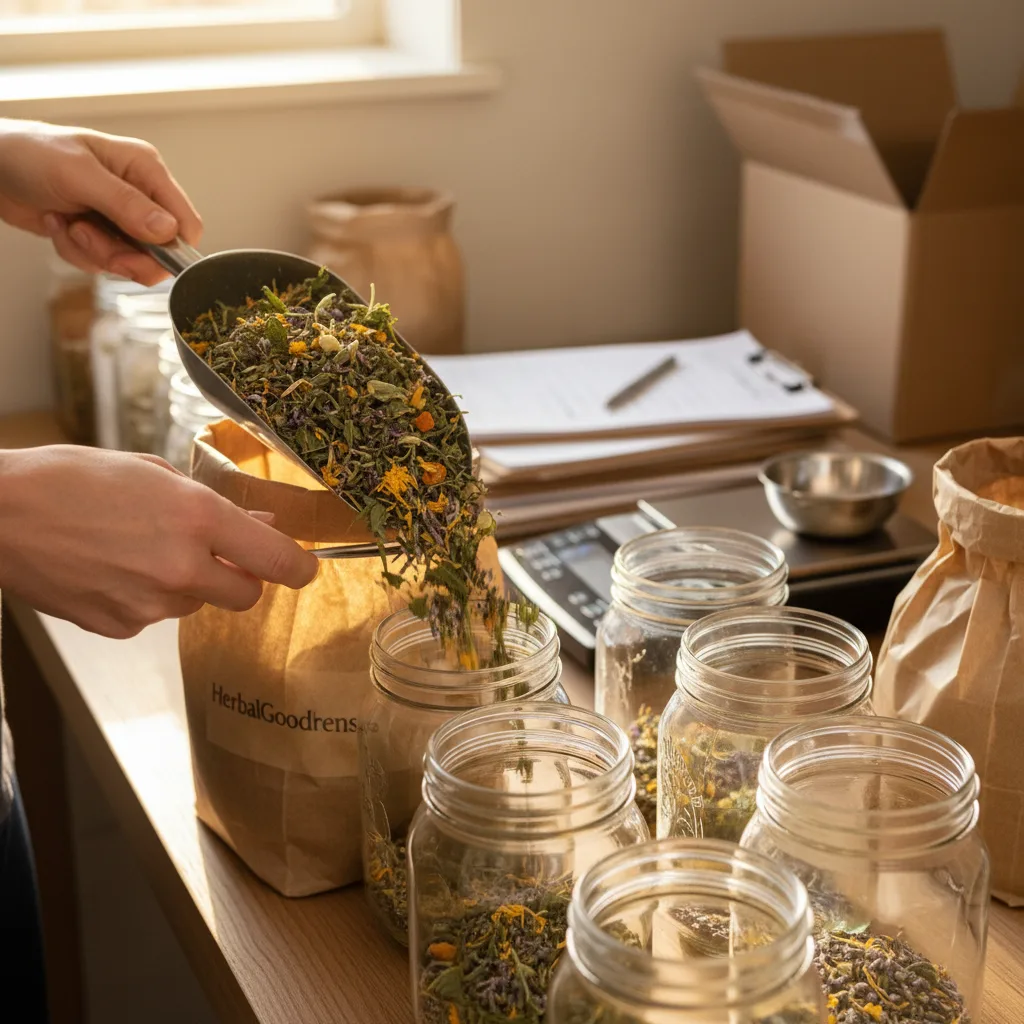
Compare findings with staff and even customers, using blind tastings if possible. This can inform both your decision and eventual menu descriptions. High-quality teas, such as those found in the Bulk Loose Leaf Teas & Tisanes - Organic 4oz - Herbal Wellness Teas, let you showcase diverse profiles and meet varied customer tastes.
Setting Quality and Traceability Expectations Upfront
Defining Herbal Tea Quality Standards
Communicate your preferred standards clearly. Elements may include:
- Organic or conventionally grown herbs
- Country or region of origin
- Harvest and processing dates
- Certifications (organic, fair trade, non-GMO)
- Packaging materials and labeling
Ask potential suppliers for:
- Certificates of analysis (COA) for batches
- Documentation on allergen controls and facility audits
- Details on post-harvest handling
Asking for supporting documentation is especially important when ordering blends or single-ingredient packs such as Raw Sea Moss 8oz Bag | St. Lucia Wildcrafted – Nature's Multivitamin. This ensures both safety and transparency for your end customer.
Understanding Traceability in Herbal Tea Sourcing
Traceability refers to being able to trace your herbs from source to shelf. Reliable suppliers will provide:
- Lot numbers or batch IDs on every shipment
- Information on the supply chain path
- Records available for tracebacks or recalls
Clarity on traceability ensures your business can meet regulatory requirements, maintain transparency with customers, and reduce risks from unexpected supply chain issues. The inclusion of traceability details on container labels is standard for products like Organic Papaya Leaf Tea | 24 Premium Bags – Caffeine-Free, which can be attractive to transparency-focused customers.
Navigating Minimum Order Quantities and Lead Times
What Are Minimum Order Quantities (MOQs)?
Most bulk herbal tea suppliers require MOQs for each SKU, which ensures efficiency in processing and pricing. Carefully check supplier policies on:
- Minimum kilos or pounds per tea
- Case pack or pallet minimums
- Combined order value thresholds
If you’re new, find suppliers open to lower MOQs or mixed-case orders. This balances access to quality with minimizing waste and cash-flow risk as you ramp up. Flexible order options give newer cafés and retailers the chance to test fast-selling standards such as Bulk Herbs & Roots Online for Tea, Tinctures & DIY Wellness - Organic 4oz Bags.
Planning for Lead Times in Herbal Tea Supply
Bulk herbal tea often ships from regional or global hubs. Factors influencing lead times may include:
- Harvest and processing schedules
- Import/export timelines
- Supplier fulfillment capacity
- Custom blend production periods
Ask for average lead times for:
- Sample shipments
- Standard inventory orders
- Custom blends or formats
Allocate extra time for your first order, and build in buffers for holidays or seasonal spikes. Products such as Herbal Tea Trio Bundle | Guava, Hibiscus & Avocado – 3 Organic Packs can help you assess demand trends more efficiently during busy seasons.
Storage and Rotation Planning for Bulk Herbal Tea
How to Store Bulk Herbal Tea for Maximum Freshness
After selecting your supplier and placing your order, plan your storage practices to maintain leaf quality:
- Use airtight, opaque containers (preferably food-grade plastic or stainless steel)
- Store away from direct sunlight, heat, and moisture
- Keep herbs protected from strong odors
- Label containers with lot numbers and received dates for traceability
Utilizing teas with well-packaged formats, such as Soursop Leaf Tea | Organic Graviola 24 Bags | Soursop Tea Benefits for Immunity & Wellness, aids in keeping products fresh on your shelf.

Rotation Strategies for Small Businesses
Implement a first-in, first-out (FIFO) rotation system to ensure older inventory is used before fresh stock. This minimizes staleness and maximizes flavor. Keep records of:
- Opening and closing dates for all containers
- Inventory levels by batch or lot
- Any quality observations or sensory notes
Outline periodic checks so staff can identify any changes in aroma, texture, or appearance, allowing proactive communication with your supplier when needed. Include herbal blends such as Wellness Tea Blends – 4oz Organic Premium Herbal Infusions in regular inventory reviews to optimize freshness and minimize waste.
Establishing Clear Communication and Contingency Plans
Communication Best Practices with Bulk Herbal Tea Suppliers
Strong supplier relationships are built on transparent, timely communication. Best practices include:
- Designating a clear point of contact on both sides
- Scheduling regular check-ins (quarterly or after major deliveries)
- Agreeing on preferred communication channels (email, phone, ERP platform)
- Documenting specifications, order details, and change requests in writing
Ongoing feedback about quality, logistics, and future needs supports spillover benefits—such as early access to limited lots or new botanicals. When discussing new or specialty items, references to tested products like the Herbal Tea Trio – Build-Your-Own Bundle | Mix & Match Any 3 USDA Organic Herbal Teas & Save 20% can frame meaningful feedback and foster deeper collaboration.
If you're ready to build a long-term sourcing partnership, apply to become a Herbal Goodness wholesaler. We work with growing businesses by providing consistent access to premium herbal teas, responsive wholesale support, and a broad selection of organic products to help you serve your customers with confidence.
Creating Contingency and Backup Supply Plans
Supply chain stability is critical for cafés and retailers relying on consistent herbal tea supplies. Prepare for potential disruptions by:
- Maintaining updated lists of approved alternate suppliers
- Asking about your partner’s contingency procedures for seasonal shortages
- Keeping a small buffer stock, especially for your most popular items
A shared understanding of backup plans reduces stress and ensures your menu or product line remains uninterrupted. Maintaining stocks of reliable staples, including Bulk Loose Leaf Teas & Tisanes - Organic 4oz - Herbal Wellness Teas, will help cushion you from unforeseen shortages.
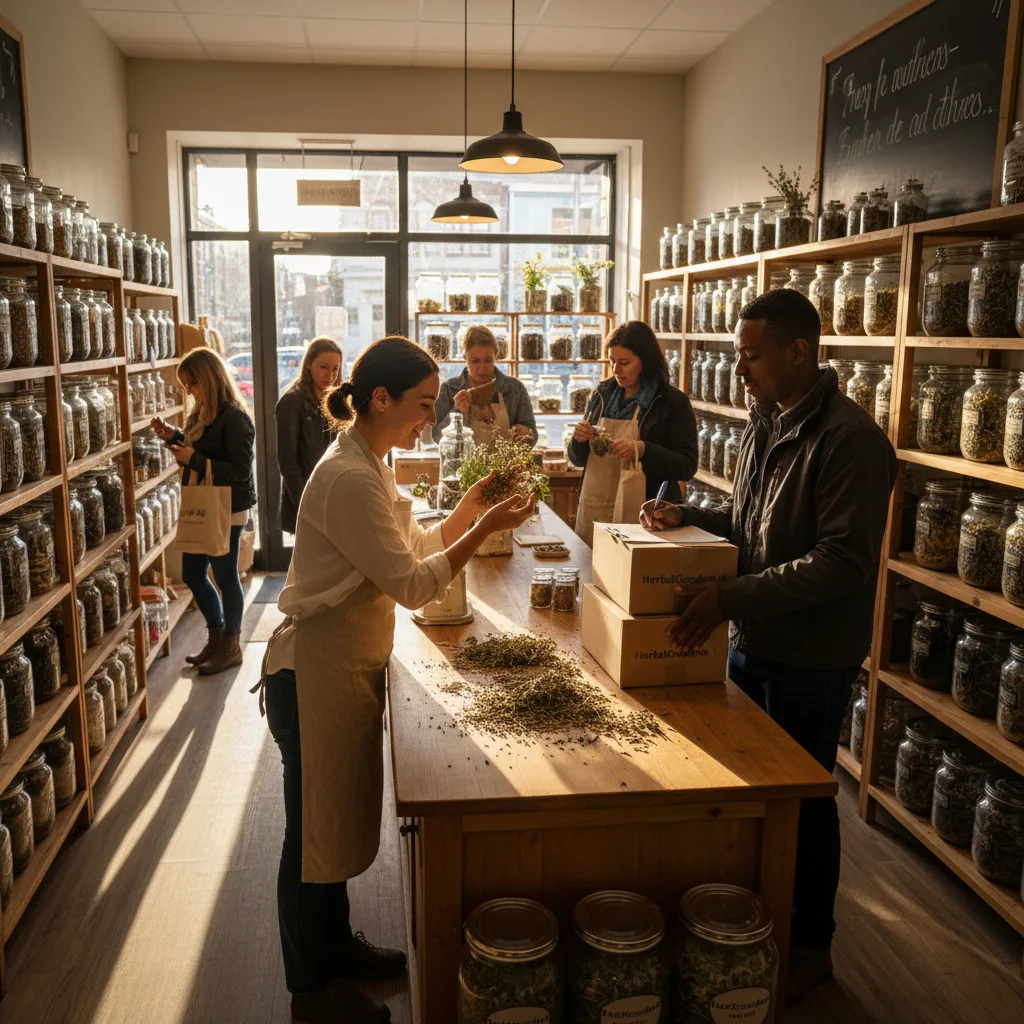
Tips for Building a Long-Term Partnership with a Bulk Herbal Tea Supplier
- Prioritize suppliers with strong transparency, responsiveness, and documentation practices
- Invest time in relationship-building beyond just purchasing transactions
- Give structured, detailed feedback on both positive and negative experiences
- Stay informed about seasonal variations and market trends that may affect your supply
- Periodically review your order patterns and communicate any forecasted shifts in demand
- Recognize the value of reliable partners—consider featuring them in your store’s story or menu if appropriate
Next Steps for Cafés, Makers, and Retailers Entering Bulk Herbal Tea Sourcing
Starting the process of forming a reliable supplier partnership may feel overwhelming, but it’s a powerful way to enhance your customer experience and support your business’s growth. By following best practices—sampling, setting clear expectations, managing logistics, and communicating openly—you position your venture for resilience and success. Remember, the best partnerships are built on mutual respect, clarity, and a shared commitment to quality.
Frequently Asked Questions
Question 1: How do I choose the best bulk herbal tea supplier for my café or shop?
Answer: Begin by clearly identifying your needs and standards. Evaluate options based on product selection, transparency, documentation, sample availability, and communication. Trusted sources for variety and quality include Bulk Herbs & Roots Online for Tea, Tinctures & DIY Wellness - Organic 4oz Bags.
Question 2: What information should I request from a potential herbal tea supplier?
Answer: Request product samples, COAs (certificates of analysis), allergen and facility audit documentation, details on minimum order quantities, and lead times. Also ask for packaging and traceability documentation as provided with Organic Papaya Leaf Tea | 24 Premium Bags – Caffeine-Free.
Question 3: How can I ensure the tea I source stays fresh and flavorful?
Answer: Use airtight opaque containers, store out of sunlight and heat, minimize exposure to moisture, and use FIFO (first-in, first-out) rotation. Consider products with robust packaging, like Soursop Leaf Tea | Organic Graviola 24 Bags | Soursop Tea Benefits for Immunity & Wellness, to support freshness.
Question 4: What are the benefits of requesting samples before placing a bulk order?
Answer: Sampling allows you to inspect appearance, aroma, and flavor, compare suppliers, and plan product menus more confidently. Kits like the Herbal Tea Trio – Build-Your-Own Bundle | Mix & Match Any 3 USDA Organic Herbal Teas & Save 20% let you test several blends affordably.
Question 5: How should I plan for supply chain disruptions?
Answer: Maintain a list of backup suppliers, order buffer stock for bestsellers, and ensure regular communication about supply expectations. Bulk staples such as Bulk Loose Leaf Teas & Tisanes - Organic 4oz - Herbal Wellness Teas offer reliable inventory support in critical moments.
Question 6: What are minimum order quantities (MOQs) and why do they matter?
Answer: MOQs set the smallest amount you can order per product or order. Understanding and negotiating MOQs helps you balance cash flow, limit waste, and access premium herbs from suppliers willing to support new ventures.
Question 7: Can I source both bulk loose leaf and single-bag teas from one supplier?
Answer: Yes, many suppliers offer both formats. For example, you can source both Bulk Herbs & Roots Online for Tea, Tinctures & DIY Wellness - Organic 4oz Bags and single-serve blends like Organic Papaya Leaf Tea | 24 Premium Bags – Caffeine-Free from trusted herbal partners.
Ready to elevate your café or retail offerings? Thoughtfully building your partnership with a bulk herbal tea supplier sets your business up for stability, quality, and growth—whether you’re just getting started or seeking to optimize your sourcing strategy.
About the Author
Herbal Goodness Editorial Team
The Herbal Goodness Editorial Team specializes in holistic health and superfoods, blending science and nature to educate and empower our community.
References
How to Choose Rhodiola Dropper Bottles: Packaging, Freshness & Storage Tips
How to Choose a Private-Label Manufacturer for Plant-Based Supplements
How to Choose and Test Ashwagandha Root Tinctures: 7-Day Home Guide
How to Compare 15X Liver-Focused Liquid Extracts: Sensory & Label Checklist
Share this
Popular posts


FAQs
1. What are the main benefits of drinking bamboo leaf tea?
Drinking bamboo leaf tea supports hydration, relaxation, skin wellness, and antioxidant balance.
2. What is bamboo leaf extract used for?
It’s used for general body wellness, skin elasticity, hair and nail support, and overall vitality.
3. Can bamboo leaf help with skin care and body wellness?
Yes, bamboo leaf is rich in silica and antioxidants, which promote healthy skin, strong nails, and a youthful glow.
4. What forms of bamboo leaf are available?
You can find dried bamboo leaf, powder, extract, drops, oil, and bamboo leaf green tea.
5. Are there any side effects of bamboo leaf?
Bamboo leaf is generally safe when consumed in moderation. Always consult your healthcare provider before starting any new herbal supplement.