How to Ask for Papaya Leaf Tea Nearby: Phrases, Places, and Local Etiquette

Finding papaya leaf tea in your local area can be a rewarding journey, whether you’re exploring new herbal flavors or seeking to incorporate time-honored botanicals into your lifestyle. Understanding how to respectfully ask for papaya leaf tea nearby—including knowing phrases, local naming conventions, typical points of purchase, seasonal clues, and etiquette—can help you connect with local purveyors and more confidently evaluate what’s available in your community.
Common Local Names and How to Use Them in Your Search
Papaya leaf tea may go by various names, depending on your location and cultural context. Knowing these variations increases your success, whether you’re searching online, scanning menus, or speaking with shopkeepers and farmers.
Popular Names for Papaya Leaf Tea:
- Papaya leaf tea
- Papaya leaf infusion
- Pawpaw leaf tea (used in some English-speaking regions)
- Té de hoja de papaya (Spanish-speaking areas)
- Thé de feuille de papaye (French-speaking areas)
- Dahon ng papaya tsaa (Tagalog/Filipino)
Using These Names in Local Search
When looking online or in mapping apps, try including these terms with your city or neighborhood. For example, searching “papaya leaf tea Chicago” or “té de hoja de papaya Miami” can yield more precise results.
If you’re using voice search or speaking to local shopkeepers, pronouncing these phrases clearly and confidently (and being ready to explain what you mean) is helpful. If met with blank stares, describe the herbal qualities or show a picture of papaya leaves or the plant. This considerate approach supports smooth, friendly interactions.
Polite Phrases to Use When Asking in Person
When entering a market, herbal shop, or café, using courteous language and clear questions sets a positive tone. Here are some practical phrases tailored for diverse local contexts:
At Farmers' Markets or Produce Stalls:
- “Hello, do you have any papaya leaves for tea?”
- “Do you sell fresh papaya leaves or dried papaya leaves for making tea?”
- “What season do you usually carry papaya leaves here?”
In Herbal Shops or Cafés:
- “I’m looking for papaya leaf tea. Is this something you offer?”
- “Do you have loose leaf papaya tea or tea bags?”
- “Could you recommend a papaya leaf tea you carry?”
If the Answer Is No:
- “Is there another shop nearby that sells papaya leaf tea?”
- “Do you know if this is available in a different season here?”
Communicating your interest with sincerity and patience—especially if the item is uncommon—goes a long way in building rapport with local sellers.
Where to Look: Types of Places That May Offer Papaya Leaf Tea
Your chances of finding papaya leaf tea increase by targeting the places where it is most likely to appear. Here’s a guide to common venues:
Farmers’ Markets
Farmers’ markets are prime spots for fresh papaya leaves, especially in regions where papaya trees grow locally. Vendors at multicultural markets may also offer unique herbal selections, sometimes brought from home gardens.
Herbal Shops and Natural Food Stores
Herbal stores often carry dried or bagged papaya leaf tea, and some bulk herb retailers can order it if requested. Check both the tea aisle and herbal remedy sections; staff can often clarify their stock or suggest local sources. You may want to inquire about options such as Organic Papaya Leaf Tea | 24 Premium Bags – Caffeine-Free for a convenient way to enjoy this botanical at home.
Cafés or Juice Bars
In areas with a strong health or wellness scene, cafés may brew fresh or dried papaya leaves as part of their beverage menus. If it isn’t listed, staff are often happy to tell you whether it’s available or suggest where it might be sourced. Some stores may also offer Organic Papaya Leaf Extract 16oz | 15X Liquid – Best Value Size for those looking for a more concentrated form.

International Grocers
Latin American, Caribbean, Southeast Asian, or African grocers sometimes stock papaya leaves in their fresh produce, dried goods, or herbal tea sections. Knowing the common local name helps when navigating multilingual spaces. If you’re seeking high-potency options for wellness, you might also find products like Papaya Leaf Extract Capsules 600mg | 10X Strength – Platelet Support.
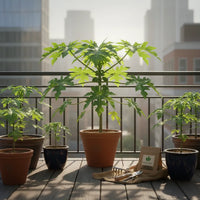
Local Gardens, Community Plots, or Foraging Groups
If papaya is cultivated in your climate, you may find papaya leaves through community gardens or local foraging groups. Always seek permission and follow sustainable harvest practices. Additionally, supplementing your herbal discovery with Blood Platelet Support with Papaya Leaf | Organic 15X Liquid Extract ensures you have quality support anytime of year, regardless of seasonal availability.
Tips for Evaluating Fresh vs. Dried Papaya Leaf Tea
Understanding what to look for when examining papaya leaves—fresh or dried—helps you make the best selection for brewing.
Fresh Papaya Leaves
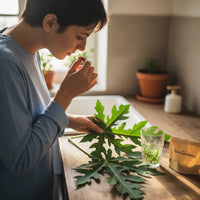
- Appearance: Should look green, tender, and free of browning or spots.
- Aroma: Fresh leaves have a subtle earthy scent.
- Preparation: Rinse thoroughly and use soon after purchase for optimal freshness.
- Availability: More common in regions with local papaya cultivation, usually spring through fall.
Dried Papaya Leaves
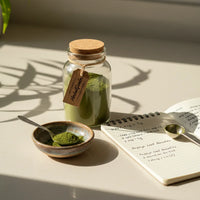
- Color: Should retain a greenish hue, not appear faded or yellowed.
- Packaging: Seek clean, well-sealed packages or bulk bins stored away from moisture.
- Source Clarity: Check for information about the origin and drying process where possible. Well-labeled options like Organic Papaya Leaf Tea | 24 Premium Bags – Caffeine-Free help ensure freshness and traceability.
- Preparation: Use according to directions for loose-leaf or bagged teas.
Both forms are traditionally valued for their unique taste and are often available as either loose leaves or in tea bags. The choice depends on the season, your brewing preferences, and what local sellers have in stock.
Seasonal Cues for Finding Papaya Leaf Tea Nearby
Papaya plants thrive in warm climates and may not be available year-round in every location. Noticing seasonal cues can improve your chances of sourcing fresh leaves locally.
- Spring/Summer: These are peak times for papaya leaf growth. Visit markets and gardens early in the day for the freshest selection.
- Autumn: Availability may persist in milder climates but often begins to decline as temperatures drop.
- Winter: In cooler regions, fresh papaya leaves are rare. This is when dried papaya leaf tea is most prevalent.
Engaging local farmers or garden keepers with questions about their growing cycles and seasonal offerings fosters understanding about the rhythms of herbal availability in your area.
Respectful Sourcing and Foraging Etiquette
Whether you’re seeking papaya leaves from a market, specialty shop, or directly from plants in your community, adhering to respectful customs builds positive connections and supports the sustainability of your local herbal landscape.
Etiquette Tips
- Always Ask Permission: If foraging or sourcing directly from gardens or trees, seek explicit consent from the owner or authority.
- Harvest Responsibly: Take only what you need, leaving enough for the plant’s health and future growth.
- Practice Gratitude: Offer a genuine thank you to growers, vendors, and anyone who points you to a new source—kindness encourages future openness.
- Support Local Producers: Where possible, buy from local farmers or fair-trade-focused shops to contribute positively to your community. Considering Organic Papaya Leaf Extract 16oz | 15X Liquid – Best Value Size is one way to support responsible herbal commerce.
- Be Transparent: Share your intended use (“I’d like to make a simple tea from the leaves”) if asked. This reassures sellers about your respectful intentions.
Foraging or sourcing etiquette not only preserves resources but also builds trust within your community’s herbal network.

Recognizing Quality: How to Choose Papaya Leaf Tea with Confidence
Choosing papaya leaf tea is a sensory experience supported by observation, conversation, and respect for tradition. Use these approaches to confidently make your selection:
- Trust Your Senses: Observe color, aroma, and general freshness of the leaves, whether fresh or dried.
- Ask About Source: Politely inquire about the plant’s origin, how it’s harvested or dried, and best brewing tips. Some prepared forms such as Papaya Leaf Extract Capsules 600mg | 10X Strength – Platelet Support provide consistent quality.
- Look for Transparency: Sellers who offer clear information about their herb’s journey—whether through labeling or conversation—indicate a commitment to quality.
- Buy in Small Quantities First: Especially when trying a new supplier, start small to ensure satisfaction before purchasing larger amounts.
Building Local Knowledge for Long-Term Success
The more you engage with local suppliers and herbal communities, the easier it becomes to find what you’re seeking and make thoughtful choices. Consider becoming active in gardening groups for tropical plants or attending workshops, where you might learn about products like Blood Platelet Support with Papaya Leaf | Organic 15X Liquid Extract.

These experiences help transform your search into an ongoing journey of discovery, trust-building, and appreciation for the people and plants in your area.
Frequently Asked Questions
Question 1: What are the main local names for papaya leaf tea?
Answer: Papaya leaf tea may be called papaya leaf infusion, pawpaw leaf tea, té de hoja de papaya, thé de feuille de papaye, or dahon ng papaya tsaa, depending on the region.
Question 2: Where can I buy papaya leaf tea if it’s not available fresh?
Answer: You can look for Organic Papaya Leaf Tea | 24 Premium Bags – Caffeine-Free at herbal shops or online, or ask local natural markets or international grocers for dried or bagged tea options.
Question 3: How do I choose between fresh and dried papaya leaves?
Answer: Fresh leaves are ideal when in season and should look green and tender. Dried options like papaya leaf tea or Papaya Leaf Extract Capsules 600mg | 10X Strength – Platelet Support offer convenience and quality year-round.
Question 4: What’s a polite way to ask for papaya leaf tea at a local market?
Answer: Greet vendors courteously and ask questions like, “Do you have any papaya leaves for tea?” or “Is papaya leaf tea available here?” Checking for local terms boosts your chances.
Question 5: Can I find papaya leaf tea year-round?
Answer: Fresh papaya leaves are seasonal and most available in spring and summer. Dried forms, such as Organic Papaya Leaf Tea | 24 Premium Bags – Caffeine-Free, are commonly carried in herbal shops or online year-round.
Question 6: Is there a concentrated alternative to papaya leaf tea?
Answer: Yes, Organic Papaya Leaf Extract 16oz | 15X Liquid – Best Value Size provides a potent way to enjoy papaya leaf benefits if you can’t find the tea locally.
Question 7: How do I know if the papaya leaf tea I’m buying is of high quality?
Answer: Look for a vibrant green color and clear aroma in leaves. Choose packaged teas from reputable sources such as Organic Papaya Leaf Tea | 24 Premium Bags – Caffeine-Free or ask about the herb's source and drying process to ensure quality.
Exploring the world of papaya leaf tea locally is about curiosity and connection. Let your journey support mindful sourcing and community engagement as you discover new places, names, and customs related to this cherished herbal beverage.
About the Author
Herbal Goodness Editorial Team
The Herbal Goodness Editorial Team specializes in holistic health and superfoods, blending science and nature to educate and empower our community.
Related Articles
Papaya Leaf Tea for Men: Traditions, Early Research, and Mindful Approaches
How to Choose Papaya Leaf Brands: Shopper’s Checklist for Every Lifestyle
Papaya Leaf Extract Capsules: How to Choose the Right Type for You
Wholesale Papaya Leaf Extract: Traceability Guide for Buyers