





How Product Concentration, Extraction Method, and Carriers Influence Side Effect Risk with Oil of Oregano

Oil of oregano has earned a reputation as a potent herbal product celebrated for its aromatic properties and historical use in wellness traditions. As popularity grows, shelves are filled with a variety of oil of oregano options—each one boasting unique strengths, extraction methods, and ingredients. However, not all oil of oregano products are created equal. Understanding the factors that influence how your body responds, such as concentrated formulations, extraction techniques, carrier oils, and supplementation practices, is critical for making safe, informed choices. This guide examines these key factors and offers clear advice to help you interpret ingredient labels, perform patch tests, and minimize the risk of unwelcome sensitivity.
Understanding Oil of Oregano Product Concentration
What is Product Concentration?
Oil of oregano products can dramatically vary in the amount of active components they contain. The hallmark compound, carvacrol, is often used as a benchmark to gauge the strength of an oil of oregano product.
Why Concentration Matters
- Greater concentration may mean greater potency: A highly concentrated oil of oregano isn't always better for everyone; in fact, it can increase the risk of skin or mucous membrane irritation if not properly diluted.
- Label claims can be confusing: Some products tout "80% carvacrol" or more, but a higher number doesn't guarantee superior quality or safety.
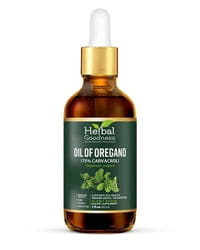
Those seeking a safe introduction to this powerful oil may want to start with a product that clearly labels its carvacrol percentage, such as the Oil of Oregano (75% Carvacrol) - 2oz Liquid - Immunity, which provides a mid-range potency suitable for most users when diluted properly.
Reading Concentration on Labels
- Look for carvacrol content: Listed either as a percentage or milligrams per dose.
- Note overall oregano oil percentage: Some blends contain only a small fraction of actual oregano extract.
- Watch for serving size specification: Compare how much actual active component is in a single drop or capsule.
Extraction Methods: What They Mean for the Consumer
Popular Extraction Techniques
There are several ways to derive oregano oil from the Origanum vulgare plant. Each method can affect the concentration, purity, aroma, and even potential sensitivity of the final product.

1. Steam Distillation
- The most common food-grade method.
- Uses steam to extract volatile oils, preserving a spectrum of natural compounds.
- Generally considered gentler but can still yield highly concentrated end products.
2. Solvent Extraction
- Utilizes chemical solvents like ethanol or hexane to release essential oils.
- May retain traces of the solvent if not thoroughly purified.
- Can result in a more concentrated product, sometimes preferred in industrial applications.
3. Cold Pressing
- Less common for oregano.
- Focuses mainly on seed oils; for oregano, steam distillation remains the industry standard.
Impact of Extraction on Reactivity
- Some individuals are more susceptible to concentrated steam-distilled oils if not heavily diluted.
- Oils extracted with solvents can pose sensitivity risks if purification isn’t thorough.
- Thorough research and reliable manufacturers matter; always look for transparency about extraction on labels or company literature.
Carriers and Dilution: How They Affect Sensation and Usability
Role of Carrier Oils in Formulas
Essential oils, including oil of oregano, are often mixed with carrier oils for safer application and ingestion. Carrier oils are neutral, fatty oils that dilute potent botanicals.
Choosing a product with a trusted carrier, such as olive oil or MCT, reduces the immediate risk of irritation. If you are particularly focused on carrier oil quality, look for brands with detailed ingredient transparency.
Common Carrier Oils
- Olive Oil
- Coconut Oil (MCT)
- Grapeseed Oil
- Sunflower Oil
How Carriers Influence Sensitivity
- Dilution reduces immediate risk: Blending oregano oil with a carrier reduces the odds of temporary burning or tingling sensations when the product makes contact with skin or mucous membranes.
- Carrier oil quality matters: The purity and freshness of the carrier oil can impact both the experience and storage safety of the final blend. Rancid or impure carriers may bring their own risks.
- Label Check: Always check ingredient lists for both the type and percentage of carrier present.
Contamination Risk: Ensuring Safety Beyond the Label
Sources of Contamination
While not common with reputable brands, oregano oil can be compromised by:
- Poor production practices
- Unsanitary storage
- Adulteration with non-listed ingredients
Why Contamination May Increase Reactions
Unexpected impurities or improper storage can irritate the skin or trigger sensitivities. Always:
- Purchase from manufacturers using good manufacturing practices (GMP)
- Check for third-party lab testing
- Review packaging for tamper-evidence and proper seals
For those seeking products with a focus on rigorous safety and ingredient testing, options in the Herbal Goodness line—such as their Papaya Leaf Extract - Organic 1oz 15X Liquid - Blood Platelet—may offer added peace of mind due to strict manufacturing and quality control.
Decoding Label Terminology: Demystifying Ingredient Lists
Common Phrases Explained
- "Standardized to X% carvacrol": Indicates the amount of carvacrol per serving. Not a promise of greater safety.
- "Wildcrafted/Organic": Suggests non-synthetic farming practices but does not guarantee higher quality.
- "Pure oregano oil": Should still be diluted; even 'pure' forms are best mixed before use.
- "Essential oil of oregano": Typically means undiluted; use caution and patch test.
Tips for Interpreting Ingredient Lists
- The fewer additives, the better.
- Avoid products with ambiguous or proprietary blends—it’s difficult to gauge risk.
- Review for possible allergens in the carrier oils.
A clear and simple ingredient panel is often a hallmark of quality. For immunity and overall wellness, blends like Soursop Leaf Graviola Extract - - Organic 15X Liquid Extract - Cell Renew & Immunity showcase clear, transparent labeling.
Patch Testing and Safe Introduction: Reducing the Chance of Sensitivity
How to Patch Test Oil of Oregano
- Mix a drop of oil of oregano blend (as directed on packaging) with additional carrier oil if the product is highly concentrated.
- Apply to a small area on the forearm or inside of the elbow.
- Wait 24 hours without washing the area.
- Observe for redness, itching, or stinging. Cease use if these occur.
For those interested in herbal extracts that may be gentler on skin, the Radiantly Good Looking - 2fl.oz - Skin & Anti-Aging liquid is designed for sensitive users seeking plant-based support.
Gradual Integration Strategy
- Start with the lowest recommended amount.
- Increase gradually only if no sensitivity appears.
- Monitor for any tingling or warmth at application sites, especially when using oil blends for the first time.
Minimizing Unwanted Sensations: Best Practices
Opt for Low- to Medium-Concentration Products
If you are new to oil of oregano, select products with a mid-range concentration of carvacrol—often between 60% and 70%—and ample dilution in a carrier oil.
Oil of Oregano (75% Carvacrol) - 2oz Liquid - Immunity provides comprehensive label transparency and an optimal carvacrol range for most consumers, making it an excellent introduction to this essential oil category.
Use Appropriately Sized Portions
Refer closely to manufacturer guidelines for serving size; more is not always better, especially if you have sensitive skin.
Store Properly
Keep oil of oregano products tightly sealed, away from sunlight and heat to maintain stability and reduce oxidative breakdown. This same storage wisdom applies to plant extracts like Papaya Leaf Extract - Organic 1oz 15X Liquid - Blood Platelet for maximum freshness and efficacy.
Check Expiration Date
A product that is past its prime may not only lose potency but also develop unwanted breakdown products. For those sensitive to degradation products, it's important to purchase in reasonable quantities and check dates for both essential oils and wellness-focused blends such as Soursop Leaf Graviola Extract - - Organic 15X Liquid Extract - Cell Renew & Immunity.
Empowering Safe Selection: Practical Takeaways
- Always read ingredient lists for both actives and carriers.
- Choose reputable brands that disclose extraction methods and sourcing.
- Use dilution and patch testing to assess your own tolerance.
- Avoid overuse and watch for product freshness.
- If you’re uncertain about any ingredient or label claim, consult with a knowledgeable wellness professional for further insight.
FAQs:
- Why do some oil of oregano products cause more stinging or burning than others?
Variations in product concentration, extraction methods, and carrier oils can all influence how strong or mild an oil of oregano feels on the skin or palate. Higher concentrations of carvacrol, insufficient dilution, and certain extraction methods can lead to a more intense experience.
- How can I tell if an oil of oregano product is properly diluted?
Check the ingredient list for carrier oils like olive or coconut. Clear percentage or ratio details—such as '25% oil of oregano in olive oil'—suggest intentional dilution. Undiluted essential oil forms should be used cautiously, with further dilution recommended before use.
- What does it mean if a label says 'standardized to 80% carvacrol'?
This means the oil is formulated so that 80% of its essential oil content is carvacrol, which is a dominant natural compound in oregano. A higher carvacrol percentage usually means increased potency, so extra care with dosage and dilution is warranted.
- What is a safe way to test for skin sensitivity with oil of oregano?
Perform a patch test by applying a small, diluted amount to your forearm or inner elbow, waiting 24 hours for any reactions. If redness or irritation occurs, discontinue use or further dilute before trying again.
- Is steam-distilled oil of oregano safer than solvent-extracted types?
Steam distillation is widely considered the gold standard for essential oils and typically results in a clean, food-grade product. However, regardless of extraction method, proper dilution and reputable sourcing remain key to minimizing sensitivity.
Author Name:
Herbal Goodness Editorial Team
Author Bio:
The Herbal Goodness Editorial Team specializes in holistic health and superfoods, blending science and nature to educate and empower our community.
References:
Introducing Graviola to Young Taste Buds: Fun, Family-Friendly Flavor Exploration