





How Much Organic Tea Should You Buy? Smart Home Bulk & Storage Guide

Organic tea has become a staple in many households, relished not only for its flavor but also for the inviting ritual it brings. With its growing popularity, more people are seeking practical answers to the question: how much organic tea should you buy? Whether you prefer to sip solo or share a daily pot with family, estimating your needs can prevent waste and help you enjoy fresh, aromatic brews every time. This guide walks you step by step through household tea consumption math, conversions between weight and servings, smart bulk planning, and home storage tips—plus low-waste approaches for those last, lingering leaves.
Estimating Household Organic Tea Consumption
Understanding how much organic tea your household uses is the first step to making savvy bulk purchase decisions. Rather than guessing, a few simple calculations and observations can help you develop a personalized buying plan.
Calculate Cups and Frequency
Start by answering these questions:
- How many people regularly drink tea at home?
- How many cups does each person typically have per day?
- Do you prepare single servings, or large pots for the group?
Example: If two people each enjoy two cups per day, that’s 4 cups daily, or 28 cups over a week.
Record Your Tea Pattern
For one week, keep a tally of cups made and type of tea brewed. Not only does this help verify your initial estimate, but it also highlights flavor preferences and variation across days. If you gravitate toward specific wellness needs, consider recording not only green and black teas but also functional options such as bamboo, guava, or soursop blends. A Herbal Tea Trio - Guava, Hibiscus & Avocado Bundle can be a pleasant way to explore assorted tastes and meet family needs.
Planning for Guests and Special Occasions
Consider periodic increases—like when you host friends for a weekend brunch or celebrate holidays. Adding an extra 10–20% to your monthly estimate can help ensure you have enough for unexpected guests without overstocking.
Bulk Organic Tea: Weights, Servings, and Simple Math
Bulk organic tea is often sold in increments—from 4 ounces (approx. 113 grams) to full pounds (16 ounces/454 grams). But what does that mean for real-life servings at home?
Common Loose-Leaf Tea Conversions
- 1 rounded teaspoon loose-leaf tea ≈ 2–3 grams = 1 standard 8 oz cup
- 1 ounce (28 grams) ≈ 10–14 cups (varies by leaf size and density)
- 4 ounces (113 grams) ≈ 40–56 cups
- 1 pound (454 grams) ≈ 160–224 cups
Different varieties—like green, black, or herbal blends—may yield slightly different numbers due to leaf weight and shape. Always check packaging, as some teas are denser or fluffier than others.
Sample Calculation
If your household averages 28 cups per week:
- 1 month ≈ 112 cups
- You’d need about 8 ounces (226 grams) of most loose-leaf organic teas for a month’s supply
Those looking to minimize packaging might consider Bulk Loose Leaf Teas & Tisanes - Organic 4oz for excellent value and minimal waste.
Planning Sensible Bulk Purchases
Buying in bulk offers convenience, value, and sometimes a broader flavor selection. However, more is not always better: overestimating leads to staling tea, whereas underestimating means frequent trips for restocking.
Assess Your Storage Capacity
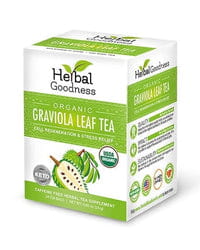
Before purchasing, take stock of your airtight canisters, available pantry space, or dedicated tea drawers. Adequate storage is essential to preserve quality and ensure your tea—whether it's traditional, green, or a potent botanical like Soursop Leaf Tea Graviola Leaves - Organic 24/2g Tea Bags—remains fresh and aromatic.
Considerations for Bulk Purchases
- Flavor rotation: If you enjoy variety, buy smaller quantities of several types rather than a single, large bag. Blends such as the Graviola, Hibiscus, Bamboo Herbal Tea Trio offer convenient options for rotating flavors and trying new things.
- Reorder cycle: Only purchase what you can comfortably use within 3–6 months for optimal aroma and taste
- Seasons and blends: Some drinkers prefer lighter teas in warm months and heartier blends in winter—plan accordingly
Avoid Overbuying
If a warehouse-size pouch seems tempting, weigh it against your real usage. Frequent home tea drinkers (4–5 cups daily) may well use 1 pound every couple of months, but moderate drinkers may stretch an 8-ounce bag over the same timeframe. For balanced usage, storing Bulk Herbs & Roots - Organic 4oz Bags can keep your favorites on hand without excess.
Storing Organic Tea for Freshness: Home Methods That Work
Tea’s delicate aromas and flavors are best preserved with smart storage. While organic tea lacks synthetic preservatives, it’s easy to keep vibrant with a few simple practices.
Best Practices for Airtight Storage
- Choose the right container: Use opaque, airtight tins, frosted glass jars, or vacuum-sealed pouches
- Keep it cool and dry: Store away from the stove, dishwasher, bathroom, or sunny window
- Minimize air exposure: Properly seal after every use, and avoid leaving scoops or infusers inside

It’s important to note that even boxed tea—such as Papaya Leaf Tea - Organic 24/2g Tea Bags—benefits greatly from immediate transfer to an airtight vessel after opening, which supports longer-lasting aroma.
Avoid Common Freshness Pitfalls
- Heat: Speeds up loss of flavor
- Light: Can dull color and weaken aroma
- Moisture: Promotes loss of crispness and potential clumping
- Strong odors: Store away from coffee, spices, and cleaning products to avoid flavor transfer
Organizing for a Smoother Routine
- Label containers with purchase date to help rotate stocks
- Keep open bags at the front so you finish older batches first
- Use clear inventory zones (current use vs. backup storage)

Signs Your Organic Tea Is No Longer Fresh
Wondering if your tea has crossed the threshold from fresh to faded? While organic tea doesn’t “spoil” in the typical sense, it can lose its character over time.
What to Look (and Smell) For
- Muted or flat aroma: The vibrant scent has noticeably faded
- Dull color: Especially in green or herbal blends, color looks lackluster or brownish
- Stale or papery taste: Brew feels weak or cardboard-like
- Changes in texture: Leaves crumble to almost dust (note: some finely cut teas are designed this way, but excess brittleness is a flag)
Regular fans of antioxidant-rich teas like Hibiscus Tea - Organic 24/2g Tea bags will notice that color and aroma are key indicators for freshness.
Freshness Timeline (General Guidelines Only)
- Black and oolong teas: Often retain aroma for up to 12–18 months
- Green, white, herbal teas: Ideally enjoyed within 6–12 months for peak flavor
Low-Waste Ideas for Using Older Organic Tea
Even devoted tea enthusiasts occasionally find a forgotten pouch in the back of the pantry. Luckily, organic tea is versatile—older leaves can still provide value throughout your home.
Creative Ways to Reuse Aged Tea
- Cooking: Infuse flavor into rice, grains, or broths by steeping tea in hot water and using as cooking liquid
- Baking: Grind dry leaves and stir into shortbread, muffins, or scones for subtle herbal notes
- Compost: Add used or stale leaves to your compost bin—they help balance organic matter
- Fresheners: Dry leaves can be tucked into sachets to scent closets or shoes
- Cleaning: Use brewed (then cooled) tea as a gentle rinse for wooden surfaces or as a plant water enhancer (for acid-loving plants)
For those purchasing in larger quantities, rotating your stock and putting Wellness Tea Blends - Organic 4oz to creative use will help cut down on waste.
Keep Your Inventory Rotating
A simple inventory method—labeling bags with purchase and open dates, organizing by age, and occasionally auditing your shelf—supports a near zero-waste tea routine.
Bridging the Gap: Estimating Needs as You Grow
As you develop rituals around tea, your household’s preferences and consumption might shift. Regularly reviewing your usage patterns—monthly or seasonally—ensures you’re neither running out nor letting precious leaves go stale. Bulk organic tea buying becomes enjoyable and sustainable with a little mindful math and home organization.
Whether you’re a beginner exploring loose-leaf blends or a seasoned tea devotee, a thoughtful approach to buying, storing, and rotating organic tea supports both great flavor and minimal waste. By building a system tailored to your home, you’ll savor every cup—all the way to the very last leaf.
Ready to enjoy the best cup every time? Start by assessing your household’s tea habits, choose bulk quantities that match your rhythm, and set up your kitchen for maximum freshness and less waste.
FAQs:
- How do I convert ounces of loose-leaf tea to cups or servings?
Generally, 1 ounce (28 grams) of loose-leaf tea yields about 10–14 standard 8-ounce cups, depending on the density and variety. A rounded teaspoon typically brews one cup.
- What’s the best way to store bulk organic tea at home?
Store organic tea in opaque, airtight containers kept in a cool, dry place—away from heat, moisture, and strong odors—to help maintain freshness and aroma.
- How long does organic tea stay fresh after opening?
Most organic black and oolong teas are best within 12–18 months, while green, white, and herbal teas are ideally consumed within 6–12 months for peak flavor.
- How can I use up older tea leaves?
Old tea leaves can be used to infuse flavor in cooking, baking, composting, making natural fresheners, or gentle household cleaning solutions.
- How much tea should I buy for a month if I drink daily?
For daily drinkers (about 2–4 cups per day), an 8-ounce (226-gram) bag typically covers one month's supply. Adjust based on household size and cup counts.
- What are signs my organic tea is no longer fresh?
If the aroma is faint, leaves look dull, the taste feels papery, or the texture is overly brittle, your tea may have lost its best qualities.
Author Name:
Herbal Goodness Editorial Team
Author Bio:
The Herbal Goodness Editorial Team specializes in holistic health and superfoods, blending science and nature to educate and empower our community.
References:
Introducing Graviola to Young Taste Buds: Fun, Family-Friendly Flavor Exploration
Graviola in the Classroom and at Home: Creative Activities to Teach Kids About Tropical Plants
Why Social Impact Matters in Plant-Based Wellness