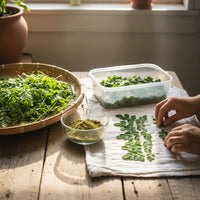
How Extraction Methods Shape High-Potency Moringa Extracts: A Plain-English Guide

Introduction: Decoding 'High-Potency' in Moringa Extracts
If you've searched for high-potency moringa extract—whether to buy for yourself or your family—you’re likely met with a flood of choices, technical jargon, and sometimes, confusing claims. Behind every bottle or dropper lies an important factor: how the moringa is extracted from its leaves or seeds. Extraction methods don’t just affect the nutritional concentration, but also influence taste, color, shelf life, and how “premium” the final product really is. This guide will walk you through the common extraction techniques used for moringa, explain what those “high-potency” claims truly mean, and offer practical tips for making a more confident and informed choice when shopping.
Understanding Extraction: What Does It Mean for Moringa?
When you see a concentrated moringa extract on store shelves or online, you’re looking at the result of a process that unlocks the plant’s naturally occurring compounds and condenses them into a smaller, more potent form. The extraction method plays a central role—influencing not just the potency claimed on the label, but also the sensory qualities and the overall experience of using the product.
Why Extraction Matters
- Concentration: Determines how much of the moringa leaf or seed is present in each serving.
- Taste and Color: Can vary widely, depending on how the extract was made.
- Shelf Life: Some extraction techniques bolster stability, while others may shorten how long a product stays fresh.
If you are searching to buy moringa extract online, understanding how extraction affects these factors is key to evaluating quality and value.
Common Extraction Methods Used for Moringa
Let’s look closely at the most popular techniques that brands use to produce high-potency moringa extracts, each with its own benefits and trade-offs.
Alcohol Extraction (Ethanol Tincturing)
- How it works: Moringa plant material is soaked in food-grade alcohol, which draws out a wide range of plant compounds.
- Concentration: Alcohol is efficient at extracting both water-soluble and fat-soluble nutrients, resulting in high-potency extracts. Products like the Moringa Leaf Extract - Organic 15X Liquid Extract - Immunity & Wellbeing use advanced extraction for optimal concentration.
- Taste and Color: Tends to have a strong, bittersweet herbal profile and a deeper green or golden-brown color.
- Shelf Life: Alcohol acts as a natural preservative, often giving these extracts a longer shelf life compared to non-alcohol options.
- Label Clues: Look for terms like “alcohol tincture,” “dual-extract,” or numerical ratios (e.g., “1:5 extraction ratio”).
Glycerin Extraction (Glycerites)
- How it works: Vegetable glycerin is used as a gentle solvent to extract compounds. Often popular for those wishing to avoid alcohol.
- Concentration: May be slightly less potent than alcohol-based extracts, especially for certain nutrients, but offers a pleasant flavor.
- Taste and Color: Sweet-tasting, lighter in flavor, and usually clear to pale yellow or green in color.
- Shelf Life: Glycerin preserves well, but not as long as alcohol; generally stable for around one to two years.
- Label Clues: Search for “glycerite,” “alcohol-free,” or labels noting “made with vegetable glycerin.”
Water Extraction (Decoctions and Infusions)
- How it works: Hot or cold water is used to extract primarily water-soluble plant compounds—much like making traditional teas. Products such as Papaya Leaf Tea - Organic 24/2g Tea Bags are prime examples of water-extracted supplements for gentle daily support.
- Concentration: Usually lower in potency, unless the extract is subsequently concentrated after the initial brewing.
- Taste and Color: Milder, often grassy flavor and a pale green color.
- Shelf Life: Shorter than alcohol or glycerin. Water-based extracts may need refrigeration and have a limited window for freshness.
- Label Clues: Terms such as “water extract,” “infused,” or “decocted” typically indicate this method.
CO2 Extraction
- How it works: Supercritical CO2 (carbon dioxide at a specific pressure and temperature) acts as a solvent, pulling select plant compounds out without excessive heat or harsh chemicals.
- Concentration: Extremely potent, focusing on specific plant constituents. Often used to highlight particular compounds within moringa, especially oils.
- Taste and Color: Very pure flavor profile; color is typically darker.
- Shelf Life: Stable and long-lasting, provided the finished product is stored away from heat and light.
- Label Clues: Look for “CO2 extracted,” “supercritical,” or notes about select compound levels on the packaging.
Heat-Based Extraction (Thermal Processing)
- How it works: Sometimes used in tandem with water or glycerin extraction, heat helps increase the amount of compound released from plant material. Care must be taken—excess heat can break down sensitive nutrients.
- Concentration: Can be quite potent, but some delicate compounds may be reduced if high heat is used.
- Taste and Color: May result in a slightly cooked flavor and a darker color.
- Shelf Life: Similar to the solvent used—a shorter life if based on water, longer if alcohol or glycerin.
- Label Clues: “Hot extract,” “thermal processed,” or similar terms can indicate this method.
Label Language and High-Potency Claims: What Shoppers Should Know
If you’re trying to order the best quality moringa or simply shop for a pure, high-potency option, it’s important to go beyond marketing and understand what common claims and numbers really mean.
Potency Ratios and Percentages
- Extraction Ratio (e.g., 1:4 or 1:10): Indicates how much raw plant material was used per volume of extract. A 1:4 ratio means one part moringa was extracted into four parts liquid. Lower ratios (like 1:2) often signal a more concentrated extract—though extraction method must still be considered. For example, Papaya Leaf Extract - 1oz - Organic - 15X Liquid - Blood Platelet features a standardized extraction for reliable nutrient density.
- Standardization: Some premium moringa extracts will specify a guaranteed minimum of certain plant compounds. Check for phrases like “standardized to X% saponins or polyphenols.”
Reading the Ingredient List
- High-potency moringa extracts typically declare the moringa part used (leaf, seed), the type of extraction (alcohol, glycerin, water, CO2), and any carriers or additives. Fewer added ingredients generally point to a more concentrated product, similar to simple ingredient profiles found in Moringa Leaf Extract - Organic 15X Liquid Extract - Immunity & Wellbeing.
Shelf Life and Storage Information
- Look for clear storage and shelf life information, which not only signals freshness but also suggests careful manufacturing practices.
Third-Party Testing & Quality Certifications
- Premium brands may voluntarily conduct third-party testing or display certifications for organic, non-GMO, or sustainable sourcing. This is a strong trust signal when shopping for premium moringa for sale from reputable retailers.
Sensory Clues: Using Your Senses to Detect Quality
While much of the extraction process is invisible to shoppers, several sensory cues can signal whether a moringa extract is truly potent.
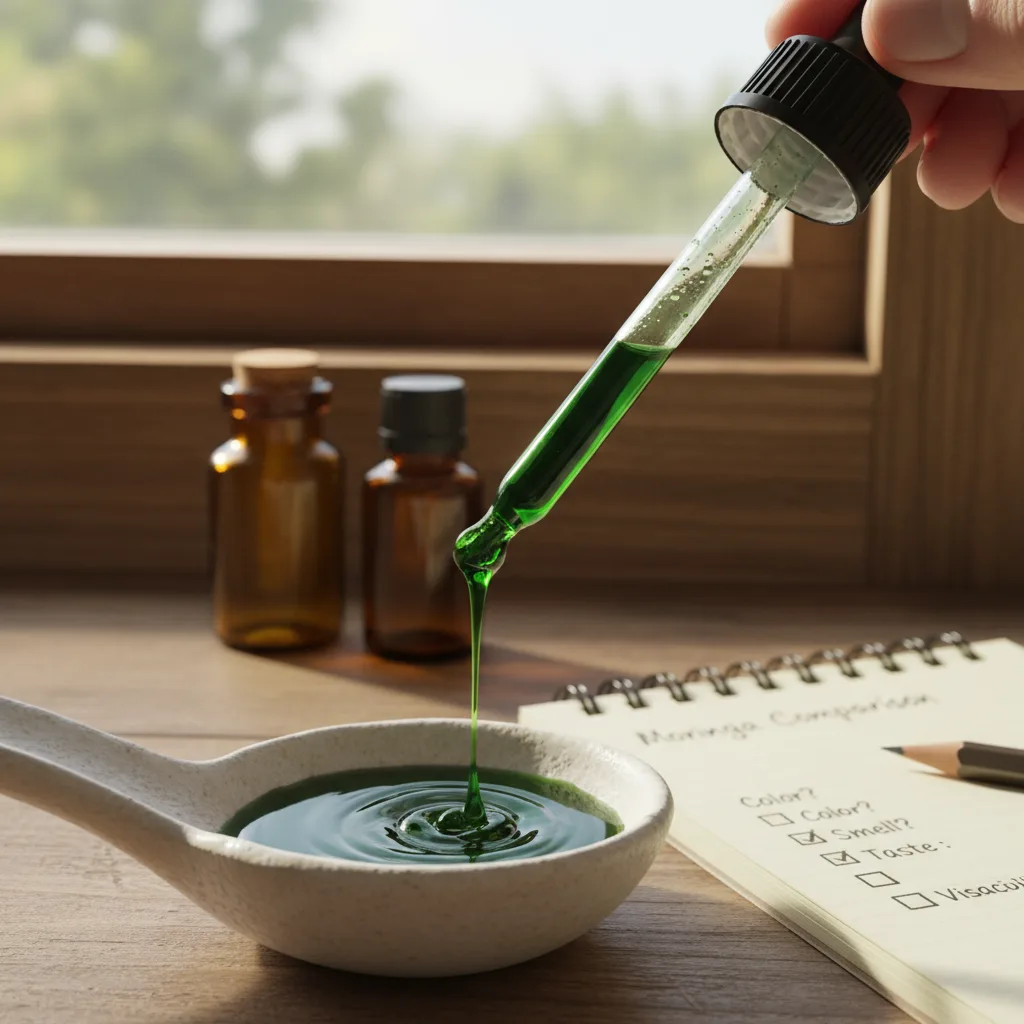
Color
- Deep green to brownish-green: Suggests a robust extraction, often alcohol-based or CO2 extracted.
- Clear or pale yellow: May be glycerin or water-based, still potent if properly concentrated, as with concentrated formulas such as the Papaya Leaf Extract 16oz – Organic 15X Liquid Papaya Leaf Herbal Supplement.
- Cloudy or faded color: Can indicate oxidation or an overly dilute extract; always check the printed expiration date before use.
Taste
- Strong, earthy, or slightly bitter: Typically a marker of a high concentration and/or alcohol extraction.
- Sweet and mild: Glycerin-based extracts are palatable and good for those seeking a gentler flavor.
- Grassy or vegetal: Water extracts, unless concentrated, are lighter in taste.
Texture
- High-quality moringa extracts—especially liquid forms—should feel smooth, not gritty or overly watery. Capsules should have a uniform powder or bead inside, without caking or unusual clumping.

Aroma
- A fresh, herbal, and vibrant aroma signals recent extraction and well-preserved plant compounds. Avoid products with an off or stale odor to ensure you’re choosing the best quality moringa.
How Extraction Shapes Shopping Decisions for High-Potency Moringa
When comparing high-potency moringa extracts, understanding extraction provides a significant edge. Here’s how you can use this knowledge to make a smarter purchase:
- Decide on Format: Are you looking for quick absorption (liquid), convenience (capsule), or traditional preparation (tea)? Extraction method usually aligns with preferred product formats, including liquid forms like Moringa Leaf Extract - Organic 15X Liquid Extract - Immunity & Wellbeing or herbal teas for gentle support.
- Consider Taste and Application: Alcohol-based extracts may not suit everyone’s palate or dietary needs. Glycerin or water-based options offer alternatives, especially for children or those avoiding alcohol. Water-infused teas such as Papaya Leaf Tea - Organic 24/2g Tea Bags are a mild, caffeine-free choice.
- Check for Potency Indicators: Extraction ratio, amount per serving, and labeling language give clues about concentration and purity for any high-potency moringa extract.
- Evaluate Need for Shelf Life: Longer shelf life may make alcohol or CO2-extracted products a better value when shopping in bulk or for long-term use, as seen in the robust preservation methods of Papaya Leaf Extract - 1oz - Organic - 15X Liquid - Blood Platelet.

- Trust Your Senses: Once you own the product, color, taste, and aroma can help you evaluate if it aligns with the high-quality promises on the label.
Real-World Shopping Tips: Spotting High-Potency Moringa Extracts
- Compare Extraction Information: Brands that clearly display extraction method, ratio, or standardization tend to be more transparent, making it easier to shop for premium products and compare choices, just as you would for items like Papaya Leaf Extract 16oz – Organic 15X Liquid Papaya Leaf Herbal Supplement.
- Ask About Source and Processing: Some retailers may provide sourcing info or insights into the exact method used, particularly if you want to shop moringa online with confidence.
- Be Wary of Overblown Claims: If an extract claims unrealistically high concentration without offering extraction details, approach with caution—more is not always better if quality controls are missing.
- Check User Reviews: Sensory feedback from other shoppers regarding taste, color, and feel can supplement your own research when making a moringa extract comparison.
- Look for Third-Party Testing: Documentation from an outside lab adds confidence—especially when buying moringa extracts online or trying a new brand.
Conclusion: The Informed Path to Choosing High-Potency Moringa Extracts
Extraction methods hold the key to interpreting high-potency moringa extracts. Understanding these processes arms you with the power to read labels, rely on your senses, and make the right decision for your needs. Whether you’re seeking premium quality for everyday use or just want clarity as you shop, a little knowledge about extraction goes a long way. The journey to a better moringa extract starts by looking beyond the label and trusting what you know.
FAQs:
- What does 'high-potency' mean in moringa extracts?
High-potency means the extract contains a concentrated amount of moringa plant material, often achieved through specific extraction methods. A higher ratio or standardized percentage on the label usually indicates a more concentrated product.
- How can I tell if a moringa extract is premium quality when shopping?
Check for clear extraction details (method, ratio), minimal added ingredients, natural color, and freshness indicators. Look for reputable brands and consider third-party testing certifications.
- Which extraction method produces the longest shelf life for moringa extract?
Alcohol and CO2 extraction methods create moringa extracts with the longest shelf life due to their natural preservation properties.
- How does extraction affect the taste of moringa extracts I might buy?
Extraction method influences taste: alcohol-based is robust and earthy, glycerin-based is sweet and mild, and water-based is lighter or grassy.
- Are higher extraction ratios always better when choosing moringa extract?
Not always. A lower extraction ratio (like 1:2) often means more concentrated extract, but extraction quality, plant source, and freshness all play important roles. Review the full label for a balanced decision.
- Where can I find best price and quality on moringa extracts?
Shop at retailers or brands that provide transparent extraction information, third-party lab testing, and clear sourcing—such as Herbal Goodness—for peace of mind and value.
- What color should a high-potency moringa extract be when I order?
A deep green to brownish-green color generally indicates robust extraction and freshness, often found in premium, high-potency moringa extracts.
Author Name:
Herbal Goodness Editorial Team
Author Bio:
The Herbal Goodness Editorial Team specializes in holistic health and superfoods, blending science and nature to educate and empower our community.
References:
Introducing Graviola to Young Taste Buds: Fun, Family-Friendly Flavor Exploration
Graviola in the Classroom and at Home: Creative Activities to Teach Kids About Tropical Plants
Why Social Impact Matters in Plant-Based Wellness