





Hibiscus and Women's Wellness: Traditions, Research, and Safe Use Today

Introduction
Hibiscus is much more than a vibrant, eye-catching flower. Its ruby red petals and tart, refreshing taste have woven their way through countless women's wellness traditions around the world. For generations, women from different cultures have embraced hibiscus for purposes as varied as beauty, nourishment, and daily rituals. Today, scientists are beginning to explore the botanical's intriguing properties, with a curious eye on its traditional uses and possible influence during various life stages. In this overview, we invite you to explore hibiscus through the lens of women's wellness: where history meets evolving research, how hibiscus is celebrated, and practical, safe ways to make it part of an everyday routine—especially with important safety considerations in mind.
Hibiscus in Women's Wellness Traditions
Celebrated in Cultures Around the Globe
Hibiscus has long held a place of honor in rituals related to beauty, nourishment, and self-care. In West Africa, dried hibiscus petals are steeped into a vivid tea called 'bissap,' commonly enjoyed at family gatherings and ceremonies. Women in Egypt and Sudan have prized hibiscus ('karkadeh') as both a social drink and a flavor infusion for festive occasions. Across the Pacific islands, the hibiscus flower is symbolic—sometimes tucked behind the ear as an emblem of femininity and life phases.
Folk Practices and Wellbeing Rituals
Women throughout history have turned to hibiscus as a gentle way to support daily wellbeing. Its tangy taste and rich color have made it a favorite for:
- Skincare infusions: Applying cooled hibiscus tea as a refreshing face rinse or mixing powdered hibiscus into homemade masks is a longstanding folk practice. The natural plant acids and pigments are commonly appreciated for helping skin feel revitalized.
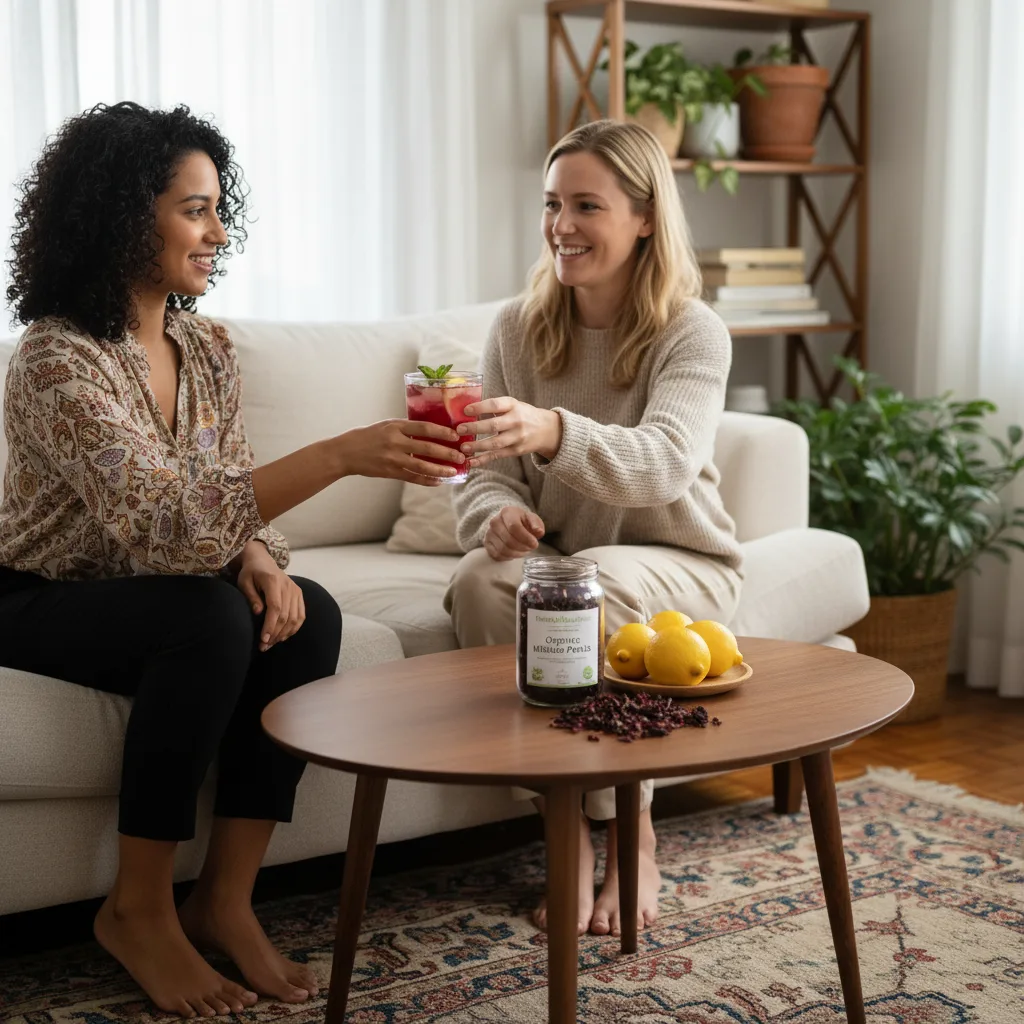
- Soothing beverage rituals: Drinking hibiscus tea—hot and cold—is a ritual in many homes. In some traditions, the tea is thought of as a symbol of hospitality and shared moments.
One way to explore these traditions is with the Herbal Tea Trio - Guava, Hibiscus & Avocado Bundle – Refreshing Tea Collection, which makes the ritual of tea both easy and enjoyable.
The specific ways hibiscus has been used by women can vary greatly from one community to the next, but the threads of beauty, nourishment, and connection remain strong.
What Does Research Explore About Hibiscus and Women's Wellness?
Traditional Use Inspires Scientific Curiosity
Modern ethnobotanists and researchers are fascinated by how women have used hibiscus over centuries. This curiosity has led to a growing number of laboratory studies, looking into the plant's nutrient content, antioxidant compounds, and potential role in supporting general wellbeing.
- Phytonutrients and Antioxidant Content: Hibiscus is recognized for its anthocyanins and vitamin C—compounds that contribute both to its vivid color and its potential as a source of plant-based nutrition. Researchers are exploring how these phytonutrients interact with the body, supporting natural processes such as cellular protection and wellness.
- Women's Life Stages: Scientific interest is growing around questions such as how hibiscus might fit into wellness routines during specific phases—such as menstruation, midlife transitions, or moments of increased self-care focus. While research is still in early stages, traditional wisdom often provides inspiration for what ethnobotanists choose to study next.
For those who prioritize beauty in their routines, Radiantly Good Looking - 2fl.oz - Skin & Anti-Aging offers a blend crafted to revitalize skin, resonating with the legacy of natural beauty rituals.
What Remains Unknown
It's important to note that research on hibiscus and women's wellness is still evolving. Most contemporary studies highlight the plant's nutritional and antioxidant content, but there is much more to discover when it comes to how hibiscus fits within a woman's holistic self-care journey.
Everyday Ways to Enjoy Hibiscus Safely
Popular Formats: Tea, Powder, and Extract
With its deep red hue and tart flavor, hibiscus can be enjoyed in a variety of formats:
- Tea: Perhaps the most popular, Hibiscus Tea - Organic 24/2g Tea bags - Heart Health is caffeine-free and naturally tangy. Enjoy it hot for comfort or iced as a revitalizing summer drink. Some women infuse the tea with citrus or spices for their personal ritual.
- Powder: Ground hibiscus offers flexibility for culinary and beauty uses. It can be stirred into smoothies, blended into yogurt, or even used in DIY face masks.
- Liquid Extracts: These are concentrated forms, typically used when you want a more robust hibiscus flavor or color in recipes or beverages.

Another way to make hibiscus a daily ritual is by incorporating it with other supportive botanicals, as found in the Graviola, Hibiscus, Bamboo Herbal Tea Trio – Bundle (3 Packs), which offers variety and convenience.
Tips for Creating a Gentle Routine
- Start with a small amount: Especially if you have never tried hibiscus, begin with a light tea or a sprinkle of powder to get used to its flavor and effect on your routine.
- Incorporate into rituals: Whether it’s a reflective morning cup of tea, a nourishing smoothie, or a skincare practice, small hibiscus touches can lend beauty and enjoyment to daily habits.
- Enjoy with mindfulness: Being present and tuning in to how you feel is a central part of many women’s wellness traditions, and hibiscus can easily fit within a mindfulness-based approach.

Safety Considerations: Pregnancy, Breastfeeding, and Interactions
Commonly Asked Safety Questions
Safety is a top priority when introducing a new botanical to your routine. Here’s what you need to know about hibiscus, based on current knowledge:
- Pregnancy: Because research is limited, many herbalists and health professionals recommend that pregnant women avoid hibiscus tea and extracts out of an abundance of caution. Traditional use sometimes excludes pregnant individuals from hibiscus preparations for this reason.
- Breastfeeding: Likewise, there is not enough established research regarding hibiscus during breastfeeding, so mindful avoidance or consultation with a qualified professional is generally the safest approach. Products such as Personal Consultation with Herbalist or Health Coach can help address personalized safety concerns.
- Medication Interactions: Hibiscus contains natural compounds that may influence the absorption of some nutrients and compounds in the body. Always check with a knowledgeable practitioner if you are taking any prescription, over-the-counter, or herbal supplements, and wish to include hibiscus in your day.
General Safety Wisdom
- Hibiscus is generally considered safe for most people when consumed in moderate, traditional amounts, such as in an occasional tea or as a culinary ingredient.
- As with any plant-based supplement or herb, moderation and attentive listening to your body are key. For those seeking broader support in women's cycles or transitions, products like Flow Secure - 1oz 15X Liquid Extract - Female Hormone & Menstrual Aid may also be explored—following the same safety and moderation guidelines.
Making Hibiscus a Joyful Part of Life
One of the greatest gifts from women’s wellness traditions is the spirit of creativity and ritual. Hibiscus fits beautifully into this legacy, supporting daily routines that are both enjoyable and nurturing. Here are some gentle ways to let hibiscus brighten your days:
- Savor a calming hibiscus tea as part of your self-care time.
- Add a spoonful of hibiscus powder to fruit-based smoothies for both color and a slightly tart twist.
- Try cooled hibiscus tea as a gentle facial rinse, especially during hot weather.
- Use hibiscus as a ceremonial ingredient—perhaps for shared circle gatherings or family moments.
Embracing daily hibiscus rituals—whether through single-ingredient formats or thoughtfully blended offerings—can infuse beauty and meaning into every day. Remember, always prioritize safety and honor individual needs. If you’re seeking variety beyond hibiscus, Herbal Tea Gift Set – Wellness Tea Gift Variety Collection - Organic 24 Teabags is a wonderful addition to your herbal journey.
Curious to learn more about botanicals in women's wellness? Explore new traditions and stay inspired on your journey with Herbal Goodness.
FAQs:
- Is hibiscus tea safe for all women to drink?
Hibiscus tea is generally recognized as safe for most adults when enjoyed in moderation, but women who are pregnant, breastfeeding, or taking certain medications should consult with a qualified health professional before including hibiscus in their routines.
- How is hibiscus traditionally used in women's beauty rituals?
Hibiscus has long been used in folk traditions as a gentle ingredient in facial rinses and homemade masks, prized for its natural plant acids and vibrant pigments that are commonly appreciated for skincare.
- What forms of hibiscus are commonly enjoyed?
The most popular formats include hibiscus tea (hot or cold), powdered hibiscus for smoothies and recipes, and liquid extracts that deliver color and tangy flavor to culinary creations.
- Does hibiscus contain caffeine?
No, hibiscus tea is naturally caffeine-free, making it a popular choice for those seeking a refreshing, non-stimulating beverage any time of day.
- How much hibiscus is safe to include in daily routines?
Traditional uses of hibiscus typically involve moderate amounts—such as a cup of tea or a pinch of powder daily. Listen to your body and consult with a knowledgeable professional if you have questions about individual needs.
- Can hibiscus interact with other supplements or foods?
Hibiscus may influence how some compounds are absorbed in the body. If you take regular supplements or medications, it's wise to check with a health practitioner before regularly enjoying hibiscus.
- What should I know about trying hibiscus during pregnancy or breastfeeding?
Due to a lack of research, hibiscus is often not recommended during pregnancy or breastfeeding. Always consult your healthcare provider if you are considering adding hibiscus during these life stages.
Author Name:
Herbal Goodness Editorial Team
Author Bio:
The Herbal Goodness Editorial Team specializes in holistic health and superfoods, blending science and nature to educate and empower our community.
References:
Introducing Graviola to Young Taste Buds: Fun, Family-Friendly Flavor Exploration
Graviola in the Classroom and at Home: Creative Activities to Teach Kids About Tropical Plants
Oregano Oil vs. Black Seed Oil: Sensory & Sourcing Guide
Share this

Popular posts


FAQs
1. What are the main benefits of drinking bamboo leaf tea?
Drinking bamboo leaf tea supports hydration, relaxation, skin wellness, and antioxidant balance.
2. What is bamboo leaf extract used for?
It’s used for general body wellness, skin elasticity, hair and nail support, and overall vitality.
3. Can bamboo leaf help with skin care and body wellness?
Yes, bamboo leaf is rich in silica and antioxidants, which promote healthy skin, strong nails, and a youthful glow.
4. What forms of bamboo leaf are available?
You can find dried bamboo leaf, powder, extract, drops, oil, and bamboo leaf green tea.
5. Are there any side effects of bamboo leaf?
Bamboo leaf is generally safe when consumed in moderation. Always consult your healthcare provider before starting any new herbal supplement.