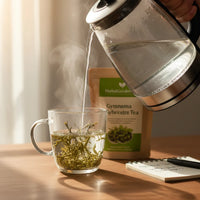
Gymnema Tea Bags Online: How to Read Labels, Choose Packaging, and Brew Well

When considering a new herbal tea, especially something as intriguing as gymnema, shopping online can be both exciting and overwhelming. Gymnema tea bags are celebrated for their history in traditional wellness, and many people seek them out for their unique flavor and reputed botanical qualities. But with countless options available, how do you make sure you're picking the right tea bags—not just for your personal enjoyment, but also for your values around quality, transparency, and sustainability?
This primer is designed specifically for curious shoppers just like you. We’ll walk you through what to look for when purchasing gymnema tea bags online, from reading labels to understanding packaging materials and brewing for the best-tasting cup. The focus here is educational: empowering you to make decisions with confidence, clarity, and a light environmental footprint.
Understanding Gymnema Tea: The Importance of Detail
Before clicking “add to cart,” it helps to know that not all teas labeled “gymnema” are created equal. The quality and character of your tea can depend on several subtle yet important details.
Botanical Names and Ingredient Integrity
The most reliable gymnema teas clearly display the full botanical name—usually Gymnema sylvestre. Here’s why botanical names matter:
- Authenticity: Botanical terminology ensures you’re actually getting the plant you intend.
- Transparency: Brands that disclose this are generally committed to product clarity and quality.
- Avoiding Mislabeling: Common names for herbs can vary regionally, so the Latin name helps prevent confusion or substitution.
It’s wise to double-check the ingredient list to confirm that gymnema is the main (or only) plant present—especially if you want a pure gymnema experience rather than a blend. If you are open to blends but still desire botanical authenticity, consider herbal options like Soursop Leaf Tea Graviola Leaves - Organic 24/2g Tea Bags - Immunity & Cell Renew for their afforded transparency and health benefits.
Country of Origin and Harvest Details
Some online listings will mention the sourcing country for the gymnema leaves—such as India, where gymnema has been long valued. While not always available, this detail can indicate commitment to sourcing transparency and may influence aspects of flavor and aroma.
If possible, look for brands that voluntarily share:
- Harvest date or season
- Region or cooperative of origin
- Information about growing methods (wildcrafted, organic, etc.)
These clues offer you a deeper connection to the tea’s source and journey. For example, products with known origin and high-quality sourcing like Bamboo Leaf Tea – 24/1.5g Tea Bags - Nature's Collagen & Biotin often provide useful insight into their farm-to-cup process.
Certifications: What Matters (and What Doesn’t)
When browsing gymnema tea bags online, you might see various logos or badges. Which ones should you pay attention to?
Organic Certifications
Many people prefer organically grown herbs, and certifications like USDA Organic in the U.S. can give assurance that no synthetic pesticides or fertilizers were used during cultivation. If organic practices matter to you, check that these are:
- Visible on both the product and the packaging (not just the web listing)
- Credibly certified by a recognized agency
Organic certification can reflect not just the absence of chemicals but broader ethical commitments—a value found in many varieties, such as Papaya Leaf Tea - Organic 24/2g Tea Bags.
Sourcing and Fair Trade Commitments
Some gymnema teas also carry fair trade or sustainable farming badges. These can signal that the farmers and communities who grow gymnema are being supported with ethical purchasing agreements and environmentally conscious practices.
Compostable and Eco-Friendly Packaging Badges
With growing awareness around waste, certain brands showcase compostability, recycled materials, or use of non-bleached, biodegradable tea bags. Keep an eye out for:
- Compostable tea bag materials
- Plastic-free or minimal-plastic packaging
- Certifications such as OK Compost or FSC for boxes and bags

While some logos can be decorative, authentic third-party certifications increase a brand’s credibility. Don’t overlook the importance of environmentally-friendly labelling when seeking eco friendly tea bags in your chosen online shop.
How to Assess Tea Bag Packaging for Quality & Sustainability
The packaging of gymnema tea carries more importance than you might expect. Thoughtful packaging design can help preserve the tea’s freshness while reducing environmental impact.
Materials: What’s Inside the Box?
- Tea Bags: Look for indicators that tea bags are made from unbleached paper, plant-based fibers, or corn starch rather than plastics or nylon. Some premium gymnema teas highlight their compostable bag status.
- String and Tag: Some brands use unbleached cotton strings and soy-based inks for printing labels.
- Individual Wrapping: Foil wraps or plastic sachets can keep tea fresh, but add waste. If freshness and sustainability both matter to you, check for brands that offer fully compostable single-serve envelopes or bulk packaging.
Outer Box and Ink
Boxes made of recycled or responsibly-sourced cardboard (often with FSC certification) are an eco-friendly choice. Water-based or soy-based inks tend to be preferred over conventional chemical alternatives. Freshness and aroma can be preserved in blends, including sustainable teas like Guava Leaf Tea - Organic - Tea 24/2g - Caffeine-Free.
Reading the Label: What to Watch For
When comparing options online, the label isn’t just a decorative feature—it’s your main source of product intelligence.
Key Label Elements
- Ingredients: Are the ingredients clearly listed? Does it specify “100% gymnema sylvestre leaf” or is it a blend?
- Expiration/Shelf Life: Look for a best-by date or production date. Fresher tea retains more of its natural aroma and flavor.
- Preparation Directions: Are steeping instructions provided? Look for suggestions on water temperature, steep time, and serving size.
- Batch or Lot Number: Indicates traceability and ensures quality control.

Avoiding Overstated Claims
Like with any botanical, beware of packaging that makes dramatic or excessive claims about what gymnema “does.” Responsible brands will stick to sharing the plant’s traditional uses or flavor profile, without promising specific outcomes. Instead, supporting your tea choices with knowledge and transparency, similar to what you’ll find in herbal wellness teas, can lead to the best results.
Additional Smart Shopping Tips for Gymnema Tea
Choosing Sample Sizes or Sampler Packs
If you’re new to gymnema tea, smaller packages or sampler packs can let you try different brands or blends without committing to large quantities. This helps minimize waste and increases your chances of finding a flavor you enjoy. You might explore collections such as the Herbal Tea Gift Set – Wellness Tea Gift Variety Collection - Organic 24 Teabags for a convenient way to sample several options.
Evaluating Shelf Life and Storage
Check for:
- Production and expiration dates
- Airtight, resealable packaging to maintain freshness
Store your tea in a cool, dry place, away from direct sunlight, for best flavor retention. Consider bulk formats like our organic herbal teas if you want to control your packaging impact and freshness.

Shipping Considerations
Select online retailers who ship from trusted locations and use eco-conscious packaging. Look for details on shipping temperatures (hot environments can affect tea flavor) and how long the package will be in transit.
Beginner’s Brewing Guide: Maximizing Gymnema Tea Flavor
So you’ve chosen your gymnema tea—what next? Making a great cup is both simple and rewarding. As with any herbal, the way you brew makes a substantial difference in taste and enjoyment.
How to Brew Gymnema Tea Bags
Basic Steps:
- Boil fresh, filtered water (ideally just below boiling, about 200°F).
- Place your gymnema tea bag in your favorite mug.
- Pour the hot water over the tea bag.
- Steep for 3–5 minutes. Start with a shorter time and adjust to taste—the longer the steep, the more robust the flavor.
- Remove the tea bag and enjoy as is, or pair with a mild herbal or citrus accent if desired.
If you enjoy experimenting, you can also try blends with Hibiscus Tea - Organic 24/2g Tea bags - Heart Health or even caffeine-free herbal infusions like Guava Leaf Tea - Organic - Tea 24/2g - Caffeine-Free, letting you refine your tea ritual to your unique taste.
Flavor Pairing Ideas
Gymnema tea has a distinct, mildly bitter and earthy flavor that can be complemented by:
- Lemon peel or a slice of fresh lemon
- Peppermint or spearmint leaves
- A small amount of ginger
- Mild, naturally sweet herbs like lemongrass (avoid sweeteners if you wish to experience gymnema’s flavor profile in full)
Experimenting with different combinations can help you discover your preferred taste and brewing style.
Post-Purchase Checks: Ensuring a Positive Tea Experience
Even after your tea arrives, it’s wise to do a quick quality check:
- Confirm that the tea bag materials and packaging match what was advertised.
- Note any unusual odors or flavors, which may indicate improper storage.
- Track your positive experiences for future reference—flavor notes, favorite pairings, and steep times can all support your next choice.
Reducing Waste and Making Sustainable Choices
Choosing gymnema tea bags with thoughtful packaging and clear certification helps limit your environmental impact. Composting used tea bags and boxes (when possible) turns your tea ritual into a regenerative act. Recycling outer packaging and minimizing single-use wraps also support sustainability. Choosing high-quality tea bags such as Bamboo Leaf Tea – 24/1.5g Tea Bags - Nature's Collagen & Biotin can be a step toward better practices, reducing waste from the start.
By following these mindful shopping and brewing tips, you’ll make an informed decision that reflects both your personal values and your curiosity about gymnema’s unique qualities. At Herbal Goodness, empowering consumers to make thoughtful, low-waste, and delicious choices is at the heart of every educational resource.
Ready to explore gymnema tea? Remember, thoughtful label reading and eco-friendly choices lead to a satisfying and sustainable tea experience.
FAQs:
- What does the term 'botanical name' mean when buying gymnema tea bags online?
The botanical name, such as Gymnema sylvestre, refers to the scientific name of the plant. This ensures that you are getting the specific herb you intend, not a substitute or unrelated variety.
- Why should I care about compostable tea bag materials?
Compostable tea bag materials help reduce waste and environmental impact. They often use plant-based fibers instead of plastics, making disposal more eco-friendly.
- How can I identify authentic gymnema tea bags online?
Look for products that clearly list 'gymnema sylvestre' as the main ingredient, provide transparent sourcing details, and include reliable certifications such as organic or sustainable farming badges.
- Is it necessary to choose organic gymnema tea?
While not mandatory, organic certifications indicate that the tea is grown without synthetic chemicals. For some, this adds peace of mind about agriculture and processing practices.
- What are some simple ways to brew gymnema tea for the best flavor?
Steep the tea bag in hot water (just below boiling) for 3–5 minutes. Taste as you go and pair with mild flavors like lemon or mint to suit your preference.
- How can I tell if my gymnema tea is fresh?
Check the packaging for a best-by or production date and seal integrity. Fresher tea typically offers a more vibrant aroma and balanced flavor.
Author Name:
Herbal Goodness Editorial Team
Author Bio:
The Herbal Goodness Editorial Team specializes in holistic health and superfoods, blending science and nature to educate and empower our community.
References:
Introducing Graviola to Young Taste Buds: Fun, Family-Friendly Flavor Exploration
Graviola in the Classroom and at Home: Creative Activities to Teach Kids About Tropical Plants
Why Social Impact Matters in Plant-Based Wellness