Graviola in the Classroom and at Home: Creative Activities to Teach Kids About Tropical Plants

Children are naturally curious about the world around them, especially when it comes to vibrant, exotic foods and plants. Graviola, also known as soursop, is a tropical fruit with a unique flavor and fascinating history that makes it the perfect learning tool for both classrooms and homes. By integrating graviola into educational activities, parents and educators can nurture curiosity, teach fundamental plant biology concepts, share cultural food stories, and foster respect for sustainable food sources. Let’s uncover engaging, interactive ways to spark youth interest in tropical plants and global food traditions.
Exploring Graviola: A Tropical Introduction
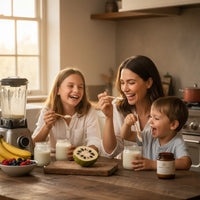
Graviola’s prickly green skin and creamy, fragrant pulp instantly capture children's attention. Begin by introducing the graviola fruit and its origins:
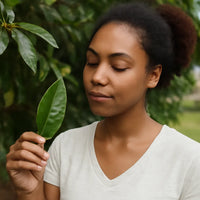
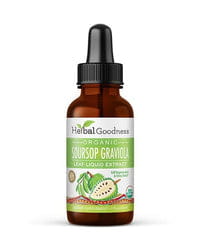
Sensory Stations: Place whole graviola fruit, leaves, and safely prepared pulp (without seeds) at a table. Let children observe, touch, and smell each component. Guide them to describe graviola’s appearance, texture, and aroma. This hands-on introduction builds a foundational curiosity and encourages descriptive language skills. For teachers looking to expand this experience, exploring products like Soursop Leaf Graviola Extract - Organic Liquid offers additional resources for demonstration and tactile activities.
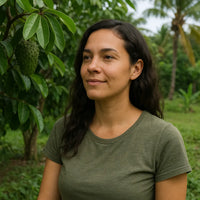
Graviola Fact Board: Post simple, colorful facts about graviola nearby. For instance: "Graviola grows on trees in warm, tropical places like South America, the Caribbean, and parts of Africa." These tidbits help children connect the fruit to its global roots.
Connecting Plant Biology to Everyday Foods
Use graviola as an example to introduce core biology concepts:
Understanding the Plant Life Cycle
Seed-to-Fruit Demonstration: Display a diagram or real samples showing how graviola starts from a seed, grows into a sapling, then matures into a fruit-bearing tree. Encourage kids to compare this with other familiar fruits like apples or oranges. Discussing how soursop is related to plant-based wellness introduces kids to health concepts, which can be reinforced by mentioning Kids Plant-Based Liquid Extracts - 1oz, designed with young learners in mind.
Interactive Plant Parts Puzzle: Create a large cut-out puzzle of a graviola tree, where children can attach roots, trunk, branches, leaves, flowers, and fruit. This visual, tactile approach reinforces plant anatomy for all learning styles.
What Makes Graviola Unique?
Highlight features like its large, heart-shaped leaves, distinctive flower structure, and the pulp’s creamy texture. Introduce a simple vocabulary: words like evergreen, flowering, and tropical expand children’s science lexicon. Compare with similar botanicals such as papaya leaf, and explore their educational uses alongside options like Papaya Leaf Extract - Organic - Liquid - 16oz for further enrichment.
Map-Based Learning: Where in the World Does Graviola Grow?
Mapping Activity
- World Map Exploration: Use a brightly colored world map in the classroom or at home. Invite children to locate and mark countries where graviola is grown, such as Brazil, Jamaica, and Ghana. Place graviola images or stickers on each location.
- Travel Tales: Read or spin simple stories set in graviola-growing regions. For example: “Maria picks graviola fruit with her abuela in Puerto Rico.” Stories foster empathy and global awareness.
Linking Geography to Environment
Discuss why graviola needs a warm, humid climate. Compare the climates of children's hometowns to the tropics. This can be a springboard to talk about weather, ecosystems, and biodiversity.

Cultural Food Stories: Bringing Traditions to Life
Food is more than nutrition—it carries stories, traditions, and meaning. Celebrating graviola in the context of global food traditions deepens learning:
Storytelling Circle
Gather children for a storytelling session where you recount how families in different cultures use graviola. In some places, graviola is blended into cooling drinks; in others, it is enjoyed as fresh fruit or folded into desserts. Use props and visuals to bring these stories alive. Discussing these traditions can connect to broader plant uses, similar to the plant extracts found in Soursop Leaf Graviola Extract - Organic Liquid, which celebrates the plant's versatility.
Conversation Starters
- “Does your family have a favorite fruit that’s part of a tradition?”
- “Have you tried a fruit that’s not from your country?”
Encourage kids to share their own food stories, celebrating diversity and connection.
Food Culture Collage
Provide magazines and print-outs with images of graviola-based foods (like juices, smoothies, ice creams). Let children create their own collages, combining graviola and other international fruits to imagine new culinary inventions. Exploring fruit-based traditions is also a gentle way to discuss nutrition and the role of unique botanicals in family wellness.
Safe Tasting Activities: A Delicious Discovery
Tasting is one of the most memorable ways for children to engage with a new fruit. Always ensure safety by removing all seeds and confirming no allergies before sampling.
Graviola Tasting Station
- Preparation: Offer small samples of graviola pulp, juice, or a smoothie. Present alongside familiar fruits for comparison (like banana or mango). If your classroom can't access fresh tropical fruit easily, authentic flavor and educational alternatives are available in forms like Graviola Soursop Leaf Extract Capsules – 10X Strength - 60/600mg, letting older kids explore supplement forms and ingredient lists in a hands-on way.
- Guided Tasting: Lead children in a tasting experience. Encourage them to use words for flavor (sweet, tangy, creamy) and texture (smooth, soft, fibrous).
- Food Journal: Each child writes or draws their favorite flavor experience in a "Fruit Explorer Journal."
Sustainable Sourcing and Food Mindfulness
Teaching children where food comes from and how it’s grown supports sustainability conversations early on. Choosing responsibly harvested plant-based options such as Papaya Leaf Extract Blood Support - 450mg/60 Capsules can further highlight lessons in conscious sourcing.
Understanding the Food Journey
- From Tree to Table Storyboard: Work together to tell the journey of graviola: from seed, to tropical tree, to harvest, to local stores, and finally to the kitchen. Illustrate each step. Emphasize the care and resources involved, including water, sunlight, and workers’ contributions.
Encouraging Respect for the Earth
Introduce the concept of "eating in season" and why it’s important to care for plants and their environments. Lead discussions about responsible sourcing and choosing fruits that are grown and harvested sustainably. Expanding curiosity about plant sources can organize interesting research or compare botanicals, inviting students to examine different Papaya Leaf Extract - Capsules 600mg labels or supplement facts as part of a critical wellness literacy unit.

Integrating Graviola Lessons Across Subjects
Graviola can touch on a variety of curriculum areas beyond science and geography:
Language Arts
- Descriptive Writing Prompts: “Describe the look, taste, and smell of graviola. How would you tell a friend about it?”
- Vocabulary Building: List words related to graviola—tropical, lush, harvest, tangy—add them to a word wall.
Art
- Still Life Drawing: Set up a still life with graviola and leaves for children to sketch or paint, observing details.
- Crafts: Make textured fruit collages or create paper mache models of graviola. You might show how different plant leaves compare by referencing Kids Plant-Based Liquid Extracts - 1oz packaging or ingredient illustrations as part of the inspiration.
Mathematics
- Measuring and Comparing: Use scales to weigh slices of graviola and other fruits. Practice counting seeds or graphing children’s favorite fruits tried in class. Introduce a comparison with botanicals' counts by using packaging like Soursop Leaf Graviola Extract - Organic Liquid and Graviola Soursop Leaf Extract Capsules – 10X Strength - 60/600mg (capsules, servings per bottle) to reinforce real-world application of math skills.
Adapting Activities for Different Age Groups
For Younger Children (Ages 4–7)
- Keep activities simple and sensory-heavy
- Use more visuals, songs, and movement-based games (e.g., "Fruit Dance" mimicking tree growth)
- Focus on tasting, touching, and basic map matching, potentially integrating Kids Plant-Based Liquid Extracts - 1oz to show how plant benefits can also be enjoyed safely in different forms
For Older Children (Ages 8–12)
- Dive deeper into biology—photosynthesis, fruit development, climate impacts
- Encourage creative storytelling and more complex journaling
- Integrate light research projects, like "Interviewing a Family Member about their favorite tropical fruit." Let students evaluate supplement labels on options like Papaya Leaf Extract - Organic - Liquid - 16oz for age-appropriate critical thinking.
Making Graviola Education Ongoing
The journey doesn’t stop after one day of activities. Consider extending learning:
- Start a small class garden with tropical plant varieties (indoors or in a greenhouse)
- Collaborate with culinary teachers or local chefs to prepare graviola-based snacks
- Host a “Tropical Food Day” celebrating graviola and other international flavors
By weaving hands-on, sensory-rich activities around graviola, educators and families not only teach children about plant science and geography—they also nurture curiosity, open global perspectives, and instill values of sustainability and respect for food traditions. Graviola becomes a gateway, not only to the incredible world of tropical fruits but also to lifelong curiosity about the world.
FAQs:
- What is graviola and where is it found?
Graviola, also known as soursop, is a tropical fruit native to regions such as South America, the Caribbean, and parts of Africa. It's known for its green spiky skin and creamy, aromatic pulp.
- How can graviola be used in classroom activities?
Graviola can be integrated into sensory stations, global mapping lessons, plant biology demonstrations, storytelling sessions, and safe tasting activities. These help children learn about plants, food origins, and world cultures.
- Is graviola safe for children to taste?
Yes, graviola pulp prepared without seeds can be safely tasted by children, as long as allergies are ruled out and preparation is supervised by adults.
- What educational topics can be explored using graviola?
Graviola can help teach plant biology, geography, cultural food traditions, sustainability, language arts, art, and mathematics in hands-on and engaging ways.
- Why is it important to teach kids about sustainable food sourcing?
Early education on sustainability helps children understand the importance of respecting natural resources, supporting fair farming practices, and making mindful food choices.
Author Name:
Herbal Goodness Editorial Team
Author Bio:
The Herbal Goodness Editorial Team specializes in holistic health and superfoods, blending science and nature to educate and empower our community.
References:
Explore Graviola (Soursop) Phytochemistry: Key Plant Compounds and Their Role
Graviola Plant Parts 101: Traditional Uses of Leaves, Fruit, Seeds, and Bark