Graviola Capsules: What ORAC, FRAP & DPPH Test Results Really Mean

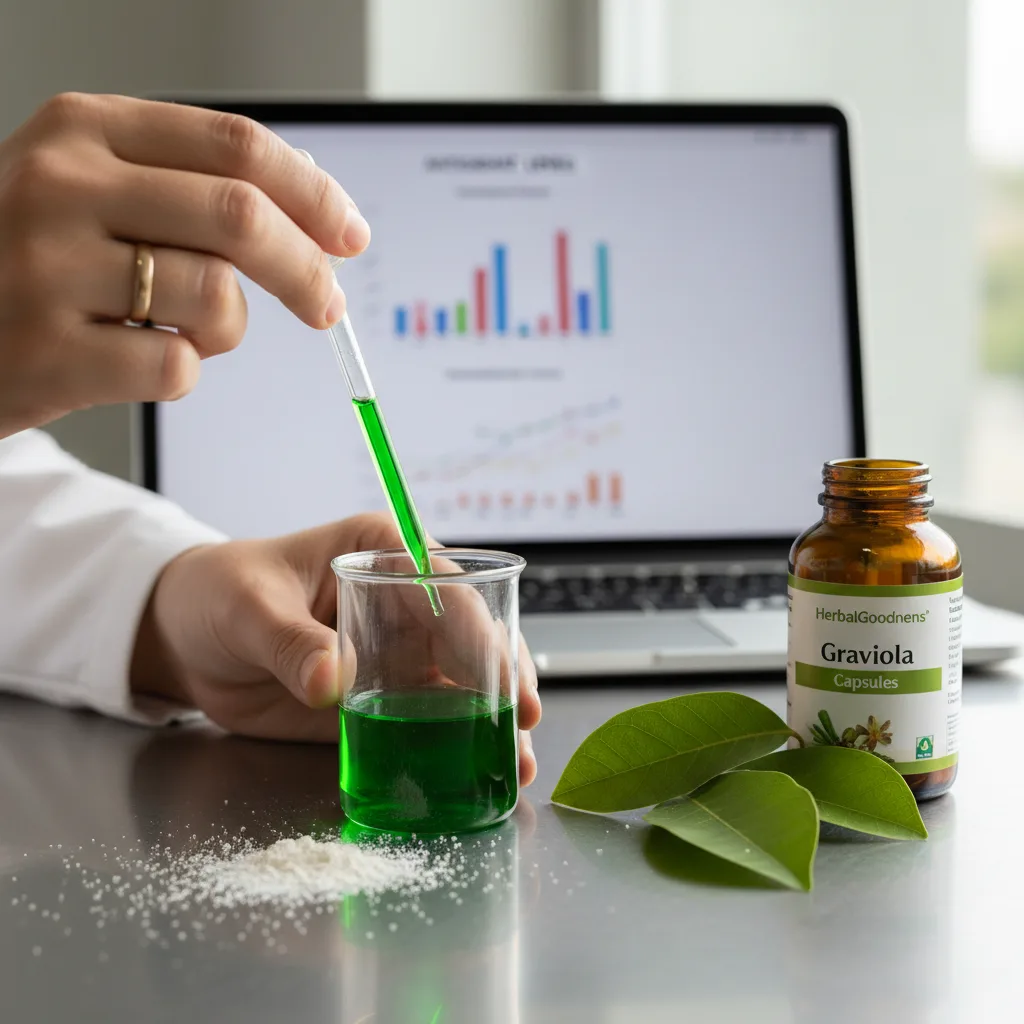
Graviola (also known as soursop) has gained attention among wellness seekers for its rich supply of naturally occurring plant compounds. When shopping for graviola capsules, you might encounter terms like ORAC, FRAP, and DPPH. These are not just industry jargon—they’re widely accepted antioxidant tests used in research and the supplement industry to indicate the potential of a plant extract to support the body’s natural antioxidant processes. But what do these numbers and names really mean? How should you interpret the lab reports or supplement labels listing such results? This guide decodes the most common antioxidant assays you’ll find, clarifies what their values reflect, explores their limitations, and provides a practical path for comparing graviola capsule listings and certificates of analysis with confidence.
Understanding Antioxidant Tests in Graviola Capsule Analysis
Choosing the right graviola supplement often hinges on a basic understanding of the antioxidant tests cited by brands, laboratories, and third-party reviewers. These tests estimate how much potential antioxidant activity is present in a given sample, such as graviola capsule powder, extract, or concentrate. While each assay has its own scientific methodology, all seek to answer a similar question: how effective is the plant material at managing free radicals in controlled lab conditions?
Let’s break down the most frequently cited assays from a consumer perspective.
What Is the ORAC Test and How Is It Used for Graviola Capsules?
ORAC (Oxygen Radical Absorbance Capacity) is perhaps the most recognized antioxidant test in the supplement world. This lab method evaluates how well a sample neutralizes specific oxygen-based free radicals in a test tube. The result is expressed in ORAC units—higher numbers suggest a greater capacity to counter those radicals under these conditions.
- What ORAC shows: The lab sample’s ability to manage a known amount of free radicals. In graviola capsules, an ORAC result signals the total antioxidant potential tested in vitro.
- Limits of ORAC: ORAC values do not show how antioxidants actually behave in the human body. The numbers measure only lab-based activity, not absorption or synergy with other nutrients.
- Typical use: Manufacturers often refer to ORAC scores when marketing plant-based supplements, including graviola, to highlight lab-tested potency. When comparing the ORAC values of different graviola products, look for formulas that are tested and standardized for potency, such as Soursop Graviola Leaf Extract Capsules 10X | 60ct – Cell & Immunity.
FRAP Explained: Graviola’s Antioxidant Power in Another Light
FRAP (Ferric Reducing Antioxidant Power) is another laboratory assay that assesses how well a given sample converts ferric (Fe³⁺) to ferrous (Fe²⁺) ions—a marker for antioxidant strength. The greater the reduction, the higher the FRAP score.
- What FRAP measures: The electron-donating ability of antioxidants in the sample. For graviola capsules, a higher FRAP may indicate robust plant-based antioxidant compounds. Soursop leaf and graviola-based supplements are often tested for FRAP in addition to ORAC, so you may spot these figures in listings for formulas such as Soursop Leaf Graviola Extract 15X Liquid | Organic Cell & Immunity.
- Limits of FRAP: As with ORAC, this measure evaluates only certain types of antioxidant behavior and doesn’t reflect how the body utilizes those compounds.
- Where it’s used: FRAP is widely cited in academic studies that benchmark botanical extracts, including graviola.
DPPH Test: Fast Screening for Antioxidant Capacity in Graviola
DPPH (2,2-diphenyl-1-picrylhydrazyl) assay measures how well an extract can neutralize a stable free radical called DPPH. The purple color of DPPH fades as it’s reduced by antioxidants.
- What DPPH results mean: Faster color change suggests stronger free radical quenching potential. DPPH is a rapid, standardized way to compare antioxidant levels across different graviola samples or batches. This is another common value you may see for products emphasizing potent antioxidant formulas, such as those found in Soursop Bitters Graviola Capsules 1000mg | 120ct – Immunity & Detox.
- Limits of DPPH: Like ORAC and FRAP, this is an in vitro technique—results don’t directly convert to effects in the body.
- Use in supplements: Some graviola capsule brands list DPPH test results for added consumer confidence.
Total Polyphenols: Quantity Versus Quality in Graviola Extracts
Polyphenols are a broad class of plant compounds valued for their antioxidant properties. Total polyphenol content is measured using chemical assays—typically Folin-Ciocalteu reagent—and reported as milligrams of gallic acid equivalents per gram.
- How it relates to antioxidant power: A higher total polyphenol value generally reflects greater antioxidant presence in the capsule. It is a marker for the abundance of potent botanical compounds in graviola extract. When looking for graviola-based teas, keep an eye out for clearly labeled total polyphenol content and opt for trusted products like Soursop Leaf Tea | Organic Graviola 24 Bags | Soursop Tea Benefits for Immunity & Wellness.
- Limits of the measure: Total polyphenols indicate quantity rather than overall antioxidant diversity or absorbability.
- Role on labels: Polyphenol content is frequently cited on lab certificates to demonstrate consistency batch-to-batch, especially in standardized graviola products.
The Challenges and Limits of Antioxidant Lab Testing for Graviola Capsules
While antioxidant lab tests like ORAC, FRAP, DPPH, and total polyphenols provide valuable clues, it’s important to view their results in context.
- Bioavailability isn’t measured: These tests focus on lab chemistry, not how much of the compound becomes active or is absorbed in the body when you take a graviola capsule. For immune support and everyday intake, product format matters—liquid extracts like Soursop Leaf Graviola Extract 15X Liquid | Organic Cell & Immunity are often preferred due to their fast absorption potential.
- Isolated versus whole extract: Lab conditions can’t fully simulate the complexity of plant matrices or how plant compounds interact in the human body. Some components may work better together than alone. To ensure you capture the full breadth of botanical benefits, consider supplementing with a tea such as Soursop Leaf Tea | Organic Graviola 24 Bags | Soursop Tea Benefits for Immunity & Wellness, which delivers a whole-plant experience.
- Variability in testing methods: Laboratory procedures can differ, which can cause results to vary from lab to lab, even for the same sample. Ask if the reported values come from accredited, third-party testing for reliability.
What Do ORAC, FRAP, and DPPH Numbers Really Mean for Graviola Capsule Quality?
When evaluating graviola capsules using antioxidant test results, consider:
- Relative not absolute: Numbers like ORAC or FRAP help you compare between products or batches, but they don’t set a universal standard for quality.
- Supplement context matters: Look for test results specific to the capsule or extract you’re considering, not just generic plant data. For example, Soursop Bitters Graviola Capsules 1000mg | 120ct – Immunity & Detox specify their antioxidant assays for each batch for trusted comparison.
- Batch-specific testing: Reputable brands often provide certificates of analysis (CoA) that list actual lab-tested values for each batch. This is more informative than blanket figures.

Simple Questions to Ask When Comparing Graviola Capsule Listings and Lab Reports
To make more informed choices, consider asking:
1. Is the antioxidant value tested on the finished capsule or just the raw ingredient? Results from the finished capsule are most relevant, as new processes (like encapsulation and drying) can affect potency. Some providers of graviola capsules share this information openly in their certificates of analysis.
2. Are lab results tied to specific batches and available upon request? A current, batch-specific certificate adds an extra layer of transparency.
3. What assay was used, and is it noted by name (ORAC, FRAP, DPPH, etc.)? This allows more meaningful, like-for-like comparisons. Consider choosing supplements where multiple assays—like ORAC and FRAP—are listed for a complete picture.
4. Has the test been performed by a third-party, accredited laboratory? Third-party analysis is considered a strong industry standard for objectivity regarding graviola capsule quality.
5. Are both antioxidant capacity (ORAC/FRAP/DPPH) and total polyphenol content listed? Having multiple assay results gives a fuller picture of the product’s composition. Products like Soursop Leaf Graviola Extract 15X Liquid | Organic Cell & Immunity and graviola teas frequently provide this supporting data on their product pages or certificates.

How Herbal Goodness Approaches Antioxidant Testing for Graviola Capsules
For those seeking confidence in their graviola purchases, it’s helpful to look for brands that emphasize meticulous batch testing and transparent reporting. Herbal Goodness, for example, routinely analyzes its graviola capsules using industry-standard assays like ORAC, FRAP, and DPPH, in addition to measuring total polyphenols. Certificates of analysis are always referenced to specific production runs, ensuring that the values reflect the current batch and accurately represent what’s in the bottle. This commitment can be seen in formulas such as Soursop Graviola Leaf Extract Capsules 10X | 60ct – Cell & Immunity.
Understanding these markers not only demystifies the technical details on a supplement label but empowers you, the consumer, to make wise, research-backed decisions about which graviola capsule best aligns with your antioxidant support goals.
Summary: Making Sense of Graviola Capsule Antioxidant Tests
Interpreting antioxidant lab measures doesn’t require a science degree; it just takes some clarity about what each assay shows and where its limitations lie. Here’s a recap of what to focus on when comparing graviola (soursop) capsules:
- ORAC, FRAP, DPPH are lab tests of antioxidant strength—use these to compare between products, but understand they reflect in vitro activity. Batch-specific values, as found in Soursop Bitters Graviola Capsules 1000mg | 120ct – Immunity & Detox, are best for side-by-side comparisons.
- Total polyphenol content measures the abundance of potent botanical compounds per serving—look for both capacity and quantity on the lab report.
- Ask about the context: Is the test finished-product specific, batch-tested, and from a third-party accredited lab?
By applying this approachable knowledge, you can decode even the most technical supplement certifications and confidently select the graviola capsules that best fit your wellness interests.
Frequently Asked Questions
Question 1: What do ORAC, FRAP, and DPPH tests actually measure in graviola capsules?
Answer: They measure the antioxidant capacity of a sample in laboratory settings. Specifically, ORAC gauges how well a sample neutralizes oxygen-based free radicals; FRAP measures electron-donating ability; and DPPH assesses free radical quenching speed. These values help compare the antioxidant strength between products like Soursop Graviola Leaf Extract Capsules 10X | 60ct – Cell & Immunity but don’t reflect absorption or synergy in the body.
Question 2: Does a higher ORAC or FRAP value mean a graviola supplement is better?
Answer: A higher value means the product showed greater antioxidant activity in lab conditions. However, overall quality also depends on factors like third-party testing, batch-specific analysis, and product format. For whole-plant benefits and immune support, consider Soursop Leaf Tea | Organic Graviola 24 Bags | Soursop Tea Benefits for Immunity & Wellness.
Question 3: Why is batch-specific testing important for graviola capsules?
Answer: Batch-specific certificates of analysis (CoA) ensure that the test results correspond to the exact product you’ll receive, not just generic data. This improves quality assurance in products such as Soursop Bitters Graviola Capsules 1000mg | 120ct – Immunity & Detox.
Question 4: How should I interpret total polyphenol content on a graviola label?
Answer: Total polyphenol content reflects the amount of antioxidant-rich compounds present. It gives a sense of quantity, not diversity or absorbability, but is best used alongside ORAC/FRAP numbers for a fuller assessment. Reliable products provide transparent polyphenol values, as seen with Soursop Graviola Leaf Extract Capsules 10X | 60ct – Cell & Immunity.
Question 5: Are lab-based antioxidant values affected by product form (capsule, tea, liquid)?
Answer: Yes. Processing, encapsulation, or extraction can all influence antioxidant levels. Some prefer liquid extracts like Soursop Leaf Graviola Extract 15X Liquid | Organic Cell & Immunity for quick absorption, while teas such as Soursop Leaf Tea | Organic Graviola 24 Bags offer wider plant compound diversity.
Question 6: Is third-party lab verification necessary for high-quality graviola supplements?
Answer: Absolutely. Third-party, accredited lab testing ensures the product’s claims are independently verified, which is why reputable options like Soursop Bitters Graviola Capsules 1000mg | 120ct – Immunity & Detox proudly share batch results.
Question 7: Should I look for both antioxidant assay values and polyphenol content when shopping for graviola?
Answer: Yes. Having ORAC, FRAP, or DPPH values alongside total polyphenols, as provided for Soursop Graviola Leaf Extract Capsules 10X | 60ct – Cell & Immunity, offers a more detailed understanding of the supplement’s potential benefits.
Understanding antioxidant assays like ORAC, FRAP, and DPPH empowers you to assess graviola capsule quality with confidence. When reviewing supplement labels or lab reports, look for clear, batch-specific results and don’t hesitate to request certificates of analysis for added assurance.
About the Author
Herbal Goodness Editorial Team
The Herbal Goodness Editorial Team specializes in holistic health and superfoods, blending science and nature to educate and empower our community.
References
Introducing Graviola to Young Taste Buds: Fun, Family-Friendly Flavor Exploration
Graviola in the Classroom and at Home: Creative Activities to Teach Kids About Tropical Plants
Why Social Impact Matters in Plant-Based Wellness