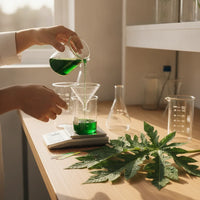
From Leaf to Tablet: Understanding the Footprint of Papaya Leaf Extract Tablets

The journey of a papaya leaf from the orchard to your supplement bottle is more complex—and impactful—than you might imagine. For eco-conscious individuals, the environmental and social footprint of papaya leaf extract tablets matters just as much as their convenience or tradition of use. Understanding how these tablets are sourced, made, tested, and transported helps you make responsible choices, seek transparency, and use your purchasing power for positive change. This guide unpacks every stage of the process, the label clues to look for, and practical ways to align your values with your supplement cabinet.
What Is Papaya Leaf Extract and Why Tablets?
Papaya leaf extract is created by concentrating specific phytochemicals, notably including unique antioxidants and plant compounds traditionally valued for their wellness applications. Tablets remain a popular supplement format due to their ease of use, portability, and measured servings. But each tablet represents a chain of choices—across fields, factories, and logistics—that shapes its final environmental and social impact.
For those preferring greater absorption or alternative delivery, options such as Papaya Leaf Extract - 1oz 15X Organic Liquid provide convenient dosage control. Choosing format and source goes hand in hand for the conscious consumer.
Harvesting Papaya Leaves: Where Responsibility Begins
Sourcing Regions and Origin Labels
The journey starts on papaya farms, often in tropical countries such as India, Indonesia, Sri Lanka, and Latin America. A tablet’s label may indicate the exact country or even the region of origin. Why does this matter? Different growing regions can mean variations in climate resilience, biodiversity around farm areas, and farming practices, all of which affect environmental impact.
- Certified organic origin: Indicates reduced pesticide use and often healthier soil management.
- Fair Trade, Rainforest Alliance, or similar labels: Suggest a focus on worker welfare, community development, and ecosystem conservation.
- Single-origin statements: Offer transparency into where the farm is located and can help identify low-impact regions.
Sustainable Farming Practices
Look for clues or brand statements about:
- Integrated pest management (IPM)
- Crop rotation and soil stewardship
- Water conservation strategies Sustainably managed farms respect ecological boundaries, maintain soil richness, and help support plant diversity. For those wanting tablet-free options, Papaya Leaf Tea offers a direct-from-leaf, sustainable alternative.
Extraction: How Papaya Leaves Become an Ingredient
Types of Extraction Solvents and Their Impact
The method used to extract beneficial compounds from papaya leaves influences both the product’s purity and environmental footprint. The three primary extraction types are:
- Water extraction: Minimal chemical input, less toxic residue, often considered environmentally preferable.
- Ethanol (plant-derived alcohol) extraction: If sourced sustainably and recovered in closed systems, this method can be relatively low-impact.
- Solvent-based extraction (e.g., hexane, acetone): May leave trace residues and has a greater environmental impact due to chemical use and energy demands.
Label clue: Brands sometimes specify the extraction method—"waterextract,” “ethanol extracted”—especially when it aligns with consumer value.

Residue and Testing Statements
Environmental and social factors are influenced by how thoroughly a company tests for solvent residues, contaminants, and heavy metals. Certificates of Analysis (COA), typically provided via a batch number or QR code link, reflect a brand’s transparency and quality control. While not always listed on the package, such details should be easy to request or find on a brand’s website. Batch-specific details are routinely supplied by leading options like Papaya Leaf Extract 10X Capsules 600mg | Platelet & Digestive Aid, meeting the demand for consumer transparency.
Formulation and Tableting: More Than Meets the Eye
Ingredient Lists and Tablet Fillers
Every tablet contains not just papaya leaf extract, but also binders, fillers, and sometimes natural colorants. Your tablet label will list “other ingredients,” such as rice flour, magnesium stearate, or cellulose.
- Minimal fillers reduce processing waste and unnecessary resource use.
- Plant-based binders are often better aligned with vegan and environmentally conscious preferences.
Coatings and Their Environmental Roles
Tablet coatings can serve to preserve shelf life, manage taste, or make swallowing easier. The environmental impact comes down to material choices. Steer toward tablets coated with plant-based or biodegradable materials rather than synthetic polymers or animal derivatives, which may have a larger footprint. Capsules such as Blood Platelet Plus Capsules 20X | 60ct – Advanced Platelet Formula typically specify natural capsule ingredients with minimal additives.

Packaging: Waste, Materials, and Label Clues
Sustainable Packaging Choices
Packaging is often the most visible environmental component. Eco-friendly brands highlight recyclable, compostable, or reduced-plastic options including glass, paperboard, and post-consumer recycled plastics. Sturdy, air-tight packaging reduces spoilage and product waste. You can further minimize waste by selecting Papaya Leaf Extract - 1oz 15X Organic Liquid, thanks to its glass container, or purchasing Organic Papaya Leaf Extract 16oz | 15X Liquid – Best Value Size in bulk for reduced material use.

Label clue: Look for icons or statements like “Recyclable container,” “Biodegradable film,” or “100% PCR plastic.” Brands committed to sustainability will often share their packaging philosophy on the label or official website.
Transport and Supply Chain Considerations
Transporting papaya leaf extract from the country of origin to the consumer involves choices that affect carbon footprint—shipping mode (sea, air, road), fulfillment centers, and distance. Multi-national brands may partner with carbon-offset programs or logistics providers with sustainability initiatives. While such details may not always be on the label, a brand’s commitment to local sourcing, regional distribution, or transparent supply chain documentation is becoming more common.
Workers and Social Footprint
Labor Conditions and Fair Practices
A papaya leaf’s passage from harvest to tablet is shaped by the hands of farmers, extractors, processors, and packagers. Ethical brands prioritize fair wages, safe working conditions, and local investment in rural communities. Third-party certifications add accountability:
- Fair Trade: Ensures fair pricing and social incentives for growers.
- Rainforest Alliance: Includes worker welfare alongside environmental criteria.
- B Corporation: Assesses company-wide social and environmental performance.
If you value social impact, favor brands that provide specific information—not just marketing language—about their labor policies. This transparency is sometimes visible on packaging, especially when certified by recognized bodies.
Decoding the Papaya Leaf Extract Tablet Label
What to Look For On the Label
- Country or region of origin: Indicates both environmental and social impact factors
- Type of extraction method: Favors lower-impact solvents like water or ethanol
- Certificates of Analysis (COA) access: Indicates thorough testing and transparency
- Certifications (organic, Fair Trade, etc.): Reflects holistic impact, not just product purity
- Packaging material statement: Discerns waste footprint and recyclability
Questions to Ask Brands Before Buying
- Where are your papaya leaves sourced?
- What extraction method do you use?
- Can I see your latest COA?
- Which workers’ rights or community impact programs do you support?
- Is your packaging recyclable, compostable, or made with recycled materials?
Proactive brands will be prepared to answer these, either on their website FAQ or directly via customer service.
If you’re looking for a plant-based option with a clear ingredient list, Papaya Leaf Extract 10X Capsules 600mg | Platelet & Digestive Aid meets many transparency standards in both labeling and online info.
Waste-Savvy Buying: Low-Impact and Storage Tips
Choosing Low-Waste Packaging and Formats
Opt for brands offering bulk or refill options to minimize packaging. Tablet formats typically already have a reduced waste profile compared to single-use liquids or stick packs, particularly if packaging uses glass or higher post-consumer recycled content. If waste reduction matters most, larger containers such as the Organic Papaya Leaf Extract 16oz | 15X Liquid – Best Value Size combine cost efficiency with less packaging per dose.
How to Store Papaya Leaf Extract Tablets for Minimal Waste
- Store in cool, dry conditions, away from sunlight, to maintain quality and shelf life.
- Keep the original container if it is sturdy and reusable—increase its lifespan by repurposing for small household items.
- Follow the manufacturer’s storage instructions to avoid spoilage and reduce household waste.
- Recycle or compost packaging if local facilities are available.
Being a mindful consumer extends past purchase: how you store and dispose of your papaya leaf supplement can further reduce your environmental impact. For users seeking both digestive and platelet support in one clean product, Papaya Leaf Extract 10X Capsules 600mg | Platelet & Digestive Aid offers a reliable option.
How Herbal Goodness Approaches Sourcing and Responsibility
Herbal Goodness has built its reputation on transparent sourcing, working closely with growers and processors to uphold high social and environmental standards. By providing access to lot-specific COAs and emphasizing packaging improvements, Herbal Goodness encourages consumers to ask deeper questions, choose thoughtfully, and consider the supply chain story behind each tablet.
If you are looking for a complementary herbal option that aligns with responsible sourcing, the Blood Platelet Plus Capsules 20X | 60ct – Advanced Platelet Formula is also designed with robust ingredient transparency.
Summing Up: Empowering Conscious Consumption
Every papaya leaf extract tablet reflects choices made at each step—starting from the field, shaped by extraction and formulation, finished through packaging and transport. By learning to read labels, ask questions, and seek certifications, you can align your supplement routine with values of environmental respect and social responsibility. The path from leaf to tablet is more transparent than ever for conscious consumers.
Frequently Asked Questions
Question 1: What is the environmental impact of choosing papaya leaf extract in capsule form?
Answer: Choosing encapsulated Papaya Leaf Extract 10X Capsules 600mg | Platelet & Digestive Aid typically reduces packaging waste, especially when offered in bulk or with recyclable materials. Always check for sustainable sourcing and minimal fillers in the product.
Question 2: How can I tell if my supplement was sourced and made responsibly?
Answer: Look for labels indicating organic sourcing, Fair Trade, or B Corporation certification. Leading brands like Herbal Goodness provide COAs, clear ingredient lists, and information about labor practices. You can also contact brands or check their website for details.
Question 3: Are there papaya leaf supplement options for vegans?
Answer: Yes, many products use plant-based binders and offer clear ingredient sourcing. Papaya Leaf Extract - 1oz 15X Organic Liquid and Papaya Leaf Tea are examples with vegan-friendly profiles.
Question 4: What does COA mean and why does it matter?
Answer: COA stands for Certificate of Analysis, showing third-party test results for purity, solvent residues, and heavy metals. Products like Blood Platelet Plus Capsules 20X | 60ct – Advanced Platelet Formula often make COAs available for each batch.
Question 5: Is a liquid papaya leaf extract more sustainable than a tablet?
Answer: It depends: larger bottles or concentrates like Organic Papaya Leaf Extract 16oz | 15X Liquid – Best Value Size may reduce packaging per serving. Tablets win for lightweight bulk formats, so choose based on your sustainability priorities and desired delivery.
Question 6: Which papaya leaf extract is best if I want minimal additives?
Answer: Papaya Leaf Extract 10X Capsules 600mg | Platelet & Digestive Aid clearly lists minimal 'other ingredients.' Always read label details or request information from the brand for confirmation.
Question 7: How should I dispose of papaya leaf supplement packaging?
Answer: Recycle or compost containers when allowed by local services. Reuse sturdy jars. Bulk formats such as Organic Papaya Leaf Extract 16oz | 15X Liquid – Best Value Size generate less packaging waste per dose.
Curious about a brand’s sourcing and environmental practices for papaya leaf extract tablets? Take a mindful moment to check the label, ask detailed questions, and choose options that fit your values for a more conscious routine.
About the Author
Herbal Goodness Editorial Team
The Herbal Goodness Editorial Team specializes in holistic health and superfoods, blending science and nature to educate and empower our community.
Related Articles
Organic Papaya Leaf Extract: Trusted Research Sources & Buying Tips
How Much Papaya Leaf Extract Should I Take? A Beginner’s Guide to Safe Serving Sizes
Papaya Leaf Extract: Understanding Labeling, Import Rules, and Market Categories in 2026
Papaya Leaf and White Blood Cells: Research, Roles, and What to Know