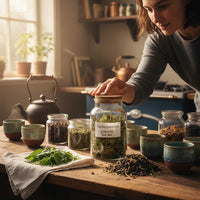
Freshness, Leaf Cut & Flavor: Guide to Choosing High‑Quality Gymnema Tea Bags

Selecting the perfect cup of gymnema tea is more than just picking a box off the shelf—it’s about understanding the delicate balance among freshness, leaf cut, and flavor that gives gymnema its unique botanical character. This practical guide dives deep into how the physical qualities and subtle details of gymnema tea bags affect the drink in your cup. From the telltale signs of freshness to the influence of packaging and the nuances of leaf cut, you’ll gain clear, actionable knowledge to help you confidently choose a high-quality gymnema tea bag.
Understanding Leaf Cut: Whole-Leaf, Broken Leaf & Fannings
What Does Leaf Cut Mean for Gymnema Tea Quality?
Leaves used in tea bags are categorized by size and shape—these differences directly impact the flavor, aroma, and perceived value of gymnema tea. Here’s how each type affects your experience:
- Whole-leaf gymnema: These tea bags contain largely intact leaves. Whole-leaf teas are generally appreciated for retaining the plant’s natural oils and subtle flavors. Expect a more layered, aromatic cup with a gentle botanical note—a choice for those who savor the true essence of gymnema.
- Broken leaf gymnema: Smaller pieces than whole leaf but larger than fannings. Broken leaf tea offers a good balance: more aroma and taste than fannings, with faster brewing than whole-leaf. Many quality tea bags use this cut for freshness and consistent flavor.
- Fannings: These are tiny particles, often left after larger leaves are sorted. Fannings create a quick, strong brew but can miss the complexity and nuanced flavor of higher-quality leaf cuts. Economical, but less likely to provide a premium experience.
How to Spot Leaf Cut on Labels and Photos
- Look for labeling cues: Premium gymnema tea bags might specify “whole-leaf” or “select broken leaf.” In the absence of specifics, brands that show a clear photo of opened tea bags may let you spot visible leaf size.
- Examine bag appearance: Coarser, greener fragments hint at better leaf cuts. Finer, powdery contents could mean more fannings and a simpler flavor. To expand your tea knowledge and enjoy a variety of herbal profiles, consider the Organic Papaya Leaf Tea | 24 Premium Bags – Caffeine-Free for its similarly transparent approach to ingredient quality and cut.
Freshness: Aroma, Color & Packaging Matter
Why Freshness Is Critical for Gymnema Tea Bags
Gymnema leaves have a unique, subtle scent and taste that can fade or change over time. Proper selection ensures you enjoy the characteristic flavor profile gymnema is long valued for.
- Aroma: Fresh gymnema tea bags should offer a clean, slightly earthy or green scent. Stale or old bags may smell dull, papery, or flat.
- Color: The dry leaves inside the bag should retain a vibrant green hue. Brown or faded leaves can signal age or poor storage conditions.
Packaging and Its Impact on Freshness
High-quality gymnema tea bags are packed to preserve aroma and color. Look for:
- Sealed, foil-lined pouches: These protect against light, air, and moisture—three main culprits of flavor loss.
- Opaque or multi-layered boxes: Packaging that blocks sunlight extends freshness.
- Clearly printed freshness or best-by dates: Ensure the date is printed directly on the box or tea pouch for transparency.
When seeking optimal freshness, you might also explore products such as Soursop Leaf Tea | Organic Graviola 24 Bags | Soursop Tea Benefits for Immunity & Wellness, which demonstrates careful attention to packaging and purity for the best cup.

Simple Freshness Checks and At-Home Quality Tests
How to Check Freshness Before Brewing
You can use common sense and your senses, even before steeping:
- Inspect the packaging: Is it undamaged, well-sealed, and properly labeled?
- Smell the tea bag: If possible, gently open a single bag. Does it have a pleasant, green, plant-like aroma?
- Look at the leaves: They should not appear dusty or brittle. If cross-section photos or cut-out windows are available, examine the leaf size and color.
For those wanting further reassurance, sample a variety with the Organic Herbal Tea Trio – Build-Your-Own Bundle | Mix & Match Any 3 USDA Organic Herbal Teas & Save 20% to compare freshness and flavor side by side.
Gentle Brewing Tests for Curious Buyers
Trying a simple infusion at home can reveal much about a gymnema tea bag’s quality:
- Steep one tea bag in freshly boiled water for 3–4 minutes.
- Observe the color: High-quality gymnema tea will brew to a clear, light-to-medium greenish hue. Very dark, cloudy, or murky results can indicate excessive fannings or lower freshness.
- Check the aroma: A superior brew should smell crisp and plant-like, not musty or muddy.
- Taste test: Sip thoughtfully. You’re looking for a gentle, slightly bitter, herbal note, often described as clean or subtly grassy.
- Examine the steeped leaves: After brewing, open the tea bag and look at the remnants. Larger, leaf-like pieces suggest better quality than tiny, fine dust.
Choosing well can bring a richer experience, as communities exploring functional teas like the Bamboo Leaf Tea 24 Bags | Nature's Silica – Collagen & Biotin Support have discovered. The right cut and freshness in any herbal tea can elevate both the aroma and benefits of your cup.

What To Look For on Labels When Selecting Gymnema Tea Bags
The label is your friend and should provide useful clues to quality and care:
- Ingredient list: The shorter, the better — one ingredient (gymnema leaves) means purity.
- Origin: Tea sourced from reputable, traceable regions is a mark of manufacturer transparency.
- Processing details: Descriptions like “hand-harvested,” “air-dried,” or “artisanally packed” signal greater attention to quality.
- Quality assurances: While not a replacement for your own tests, look for third-party certifications (like organic or quality seals) as part of your evaluation, especially from respected brands like Herbal Goodness.

Comparing Gymnema Tea Bag Options Before Purchase
Visual and Sensory Comparison
- Photos: When shopping online, seek close-up images of the tea bags and, if possible, the loose leaves inside. This lets you assess cut, color, and density before buying.
- Sample packs: If available, trying a sampler of multiple leaf cuts or blends can help identify what suits your palate.
- Community reviews: Pay attention to tasting notes from other buyers, especially regarding freshness and flavor, but ensure reviews reflect recent batches.
You can also diversify your herbal tea collection with the Herbal Tea Trio Bundle | Guava, Hibiscus & Avocado – 3 Organic Packs, offering a convenient way to compare flavor and quality among high-grade teas from trusted sources.
Questions for Discerning Gymnema Tea Customers
To further narrow your choices, consider asking:
- Is the leaf cut described—whole or broken leaf?
- What storage and packaging methods are used?
- How recent was this batch harvested and packed?
- Are test results or certifications available for this tea?
For added assurance, you may wish to explore a consultation with a herbalist through Personal Consultation with Herbalist or Health Coach to discuss which herbal teas and leaf types suit your specific preferences and wellness goals.
Sourcing and Quality Practices
Brands like Herbal Goodness, which value sustainable and quality sourcing, may voluntarily provide extra details on harvest date, packaging, and processing methods. These qualities, combined with your fresh-sense checks and brewing trials, ensure you’re making an informed decision.
Flavor Expectations: How Leaf Cut and Freshness Shape Your Cup
- Whole-leaf gymnema tea bags: Expect a mild and nuanced infusion, often described as clean and gently botanical. Longer brewing reveals additional layers without overwhelming bitterness.
- Broken leaf gymnema tea bags: Balanced flavor—slightly brisker and more aromatic than whole-leaf, but still enjoyable. Great for a faster steep.
- Fannings-based bags: Rapid release of flavor, more assertive and less complex, sometimes with increased bitterness.
Remember, aroma and flavor change notably with freshness. If a bag smells flat or stale, the cup is likely to echo the same. Always use your senses as your guide. If you're drawn to the green, herbal fragrance, other botanicals such as Organic Papaya Leaf Extract 16oz | 15X Liquid – Best Value Size can offer similar testing points for aroma and taste.
Quick Summary: Steps to Choose Fresh, Flavorful Gymnema Tea Bags
- Inspect leaf cut: Favor whole- or broken-leaf over fannings when available.
- Check for vivid color and fresh aroma: Dullness signals lost freshness.
- Assess packaging: Look for sealed, foil-lined pouches and printed best-by dates.
- Favor purity: Single-ingredient gymnema leaf, with minimal additives.
- Try a gentle at-home brew: Watch for clarity, aroma, and taste that fits your preference.
- Look for sourcing transparency: Trusted brands may highlight regions and quality seals.
By taking these practical steps, you’ll be well equipped to pick gymnema tea bags that meet your taste and freshness expectations—delivering a naturally satisfying cup with every brew.
FAQs:
- How does the leaf cut in gymnema tea bags affect flavor?
Larger cuts like whole or broken leaves retain more natural oils, giving a more subtle, aromatic, and complex cup. Fannings release flavor quickly but may taste stronger and less nuanced.
- What signs of freshness should I look for in gymnema tea bags?
Look for vibrant green leaves inside the bag, a clean plant-like aroma, and sealed, foil-lined packaging. Avoid yellowed, brownish leaves or stale smells.
- How can I check gymnema tea bag quality before buying?
Check for transparent labels on leaf cut, examine photos for color and texture, and look for brands offering recent harvests and clear best-by dates.
- Are there simple brewing tests to assess gymnema tea bag quality?
Yes. Steep a bag in hot water, observe the color and aroma, and taste for a gentle, clean herbal note. The leaves inside should look fresh and leafy after brewing.
- Why does packaging matter for gymnema tea freshness?
Quality packaging like sealed foil-lined pouches shields leaves from air, light, and moisture, helping retain the gymnema’s natural aroma and flavor for longer.
- What should I check for on gymnema tea labels?
Look for single-ingredient listings, clear information on source, leaf cut, processing, packing date, and reputable certifications to ensure quality and freshness.
Author Name:
Herbal Goodness Editorial Team
Author Bio:
The Herbal Goodness Editorial Team specializes in holistic health and superfoods, blending science and nature to educate and empower our community.
References:
Introducing Graviola to Young Taste Buds: Fun, Family-Friendly Flavor Exploration
Graviola in the Classroom and at Home: Creative Activities to Teach Kids About Tropical Plants
Why Social Impact Matters in Plant-Based Wellness