Finding Olive Leaf Extract Nearby: A Guide to Local Sourcing Options

Curious about how to find olive leaf extract right in your community, rather than just ordering online or sifting through well-known supplement aisles? Many who appreciate herbs and botanicals are discovering a new world of possibilities by looking beyond mass-produced options, connecting with local olive growers, neighborhood farmers' markets, and independent craft apothecaries. These local sources can offer not only fresher and more distinctive olive leaf extracts, but also a deeper connection to the traditions and stories woven into the products they share.
Let’s explore the hands-on, curiosity-driven steps you can take to source olive leaf extract where you live. Whether you’re an herbal enthusiast or just beginning to seek natural wellness, you’ll find practical tips for identifying small-batch quality, understanding sustainability practices, and having meaningful conversations with vendors that support your wellness journey.
Exploring Local Olive Growers: Where Quality Begins
Olive groves are not just Mediterranean landmarks; across the U.S., from California to Texas, local olive growers are cultivating these ancient trees. These family-run farms and small-scale orchards often produce a variety of olive-based goods—including olive leaf extract—using methods that reflect traditional care and environmental stewardship.
How to Connect with Local Olive Producers
- Search Nearby Orchards: Start with online directories for olive farms in your state or region. Many growers host open days, tours, or seasonal events.
- Ask About Olive Leaf Use: Not all olive producers make extract themselves, but they may sell fresh or dried olive leaves, or partner with nearby herbalists who craft small-batch extracts.
- Engage in Conversation: When visiting or calling, ask how their olive leaves are harvested, how often, and what methods are used in extraction. These details provide clues about freshness and craft.
Benefits of Sourcing from Growers
- Transparency: Growers can often share firsthand information about their earth-conscious cultivation, harvest times, and the unique qualities of their olive trees.
- Seasonal Freshness: Harvest periods for olive leaves often vary by region. Visiting during these times can mean access to the freshest possible leaves or extracts.
Farmers’ Markets: A Hub for Artisan Herbal Finds
For many communities, the local farmers’ market is not just about produce—it’s a gathering place for sharing artisanal, homegrown products. These markets often feature vendors who are passionate about their craft and eager to educate.
Where to Look and What to Ask at the Market
- Herbal Specialists: Many markets have at least one stall devoted to herbal products, tinctures, or teas. Olive leaf extract may be on offer, especially during late spring to early fall, when herbs are traditionally in stronger supply.
- Producer Story: Don’t be shy to ask how the olive leaf extract is made. Is it crafted on-site or locally? Do they wild-harvest or use leaves from cultivated trees?
- Label Details: Examine labels for information about extraction method (water vs. alcohol-based, for example), and batch size. Small batch is often advertised as a sign of quality.
The Value of Market Connections
- Direct Sourcing: Vendors can explain each step of the product's journey—from tree to bottle—giving insight into quality and freshness. You might also encounter sellers offering unique botanicals, similar to Papaya Leaf Extract 16oz – Organic 15X Liquid Papaya Leaf Herbal Supplement, which is known for its herbal support and transparency.
- Community Insight: Farmers’ markets are great places to meet herbalists and hear about workshops or seasonal events focused on herbs like olive leaf.
Co-ops and Community Wellness Stores: Hidden Herbal Treasures
Natural food stores and community co-ops have long been trusted resources for those looking for quality botanicals. Their focus on local and sustainable goods frequently leads them to partner with regional farmers and herbalists.
Making the Most of Your Visit
- Ask Team Members: Employees in these co-ops are often knowledgeable and can point you to their best local or small-batch olive leaf extract products. If you’re after other wellness herbs, consider inquiring about Black Seed Oil 8oz – Cold-Pressed Nigella Sativa Oil for Immune Support & Daily Wellness, another popular immune-supporting extract.
- Check the Source: Examine shelf labels and packaging to see if the product notes the farm, region, or even extraction date.
- Inquire About Special Orders: If they don’t carry olive leaf extract regularly, staff might be able to special order from a local source or suggest partner apothecaries nearby.
Craft Apothecaries: Where Herbal Tradition Meets Innovation
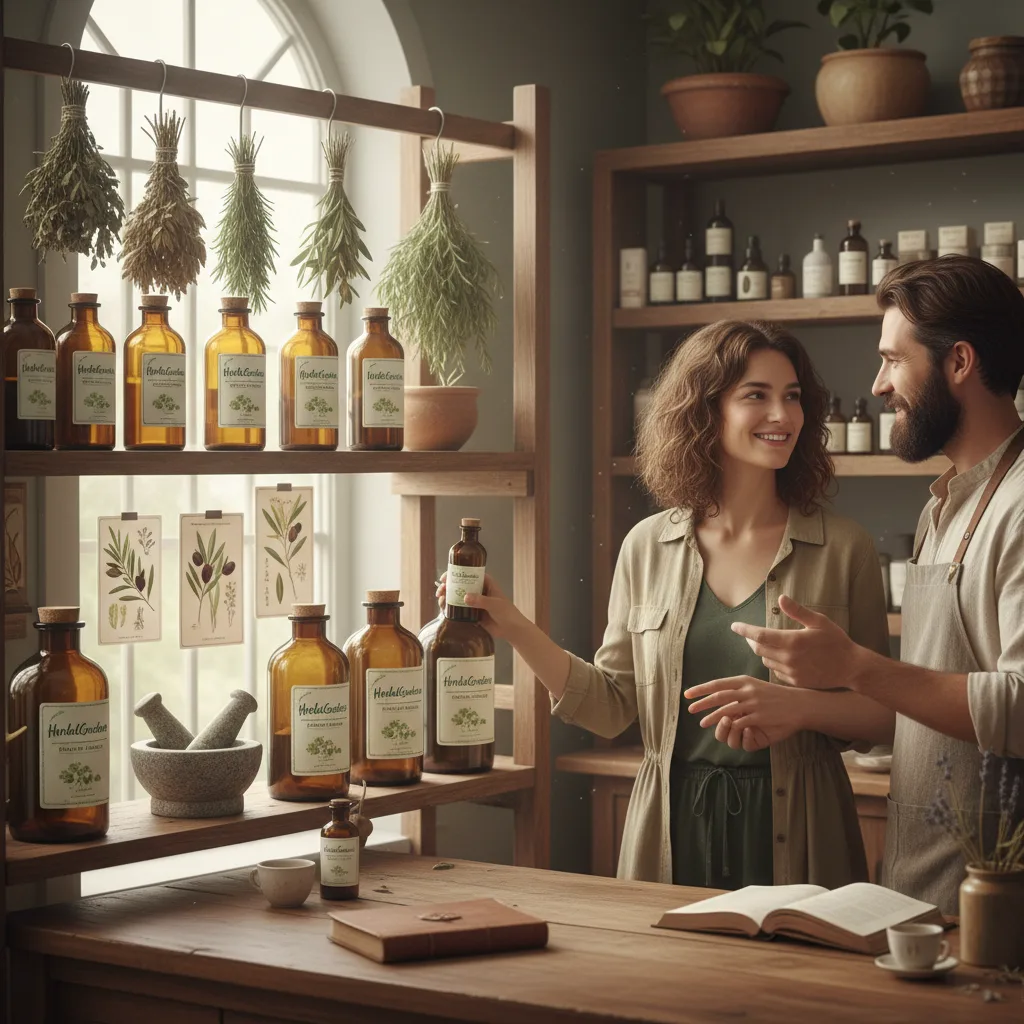
Apothecaries—small shops specializing in herbs and natural body care—are making a vibrant comeback across urban and rural America. Many are owned by practicing herbalists who blend time-honored methods with creative expression.
What Differentiates Craft Apothecaries?
- Customized Knowledge: Apothecaries often personalize their recommendations. They can tell you exactly where their olive leaves were sourced, how the extract was crafted, and what traditions influence their process.
- Educational Support: Many apothecaries offer classes or discussions about olive leaf’s history and use, deepening your understanding of the plant.
- Sourcing Philosophy: These shops commonly prioritize organic methods, low-impact harvesting, and transparency in their supply chain. When looking at their herbal range, you may find carefully labeled products akin to Papaya Leaf Extract - Organic 1oz 15X Liquid - Blood Platelet.
Small-Batch and Sustainable Sourcing: Signs to Look For
When you’re shopping locally for olive leaf extract, certain qualities signal a thoughtful, small-scale approach:
- Harvest Dating: Look for products labeled with batch or harvest dates. This is a mark of transparency and attentiveness to freshness.
- Producer Details: Names of orchards, farms, or makers printed on packaging signal pride and accountability.
- Sustainability Notes: Certifications or explanations about sustainable practices (such as water-wise irrigation or minimal processing) can indicate aligned values.
- Batch Size: “Small batch” or “handcrafted” suggests limited runs, made with closer oversight. Some immune-supporting extracts, like Black Seed Oil 8oz – Cold-Pressed Nigella Sativa Oil for Immune Support & Daily Wellness, also highlight sustainable sourcing.
Decoding Herbal Labels and Questions to Ask Vendors
Navigating the language of herbal product labels and vendor discussions can feel overwhelming at first. Here’s what to look for and how to get the answers you need:
Guiding Questions
- Where are the olive leaves sourced? Origin matters for quality, and vendors who know their farmers or pickers often stand by their standards.
- What extraction method is used? Some prefer alcohol extracts for shelf stability; others choose glycerin or water-based options. Ask what method suits your needs and preferences.
- Is the product tested for purity? Inquire about third-party testing or small-batch quality assurance. Brands bottling Papaya Leaf Extract 16oz – Organic 15X Liquid Papaya Leaf Herbal Supplement often openly discuss their testing methods.

Interpreting Labels
- Ingredient Transparency: Look for clear labeling of plant species (e.g., Olea europaea), extraction method, and concentration.
- Botanical Specifics: Products that specify “wild-crafted” or “organically grown” offer clues to their sourcing care.
- Expiry Dates: These help ensure you’re purchasing a vibrant extract at its peak.
Recognizing Seasonal Availability and Local Patterns
Olive trees are typically pruned after harvest, yielding leaves seasonally—often in late autumn through early spring. By visiting growers or markets during these times, you increase your chances of finding the freshest extracts or even fresh or dried leaves for home use. In addition, during the off months, consider immune-support botanicals such as olive leaf extract or Black Seed Oil 8oz – Cold-Pressed Nigella Sativa Oil for Immune Support & Daily Wellness to help supplement your routine.
Some regions may have year-round access, especially where olive trees thrive. Ask vendors how their sourcing changes with the seasons, and whether they partner with Southern or Western growers during off months.
Building Connections for Deeper Herbal Knowledge
One of the greatest joys of local sourcing comes from building relationships—with producers, herbalists, and fellow wellness seekers. Through genuine curiosity and thoughtful questions, you gain not only product knowledge, but a richer sense of place and community tradition.
Small herbal businesses and co-ops often collaborate or share events, so staying connected can lead to discoveries far beyond olive leaf extract itself. Along your journey, you might exchange recommendations about trusted products, such as Papaya Leaf Extract - Organic 1oz 15X Liquid - Blood Platelet or discuss how sustainable sourcing is increasingly valued—both in olive and other botanicals.

Nurturing Your Curiosity and Values When Shopping Locally
Sourcing olive leaf extract through local growers, farmers’ markets, or craft apothecaries brings you into direct relationship with the land, the people, and time-tested botanical traditions. By seeking out transparency, sustainable methods, and batch-level detail, you set yourself up for a shopping experience that is both rewarding and deeply grounded in community values.
As you explore, remember to ask questions, compare labels, and trust your senses. Freshness, clarity, and honest conversation are hallmarks of the best herbal finds.
FAQs:
- How can I find out if a local olive farm makes olive leaf extract?
Reach out directly to olive farms in your area, either through their websites or by visiting. Ask if they offer olive leaf extract or sell olive leaves to local herbalists who may craft extracts themselves.
- What questions should I ask at the farmers’ market when looking for olive leaf extract?
Ask about the origin of the olive leaves, who crafts the extract, the method used for extraction, and whether the batch was made locally or on a small scale.
- Why does small-batch matter when sourcing olive leaf extract locally?
Small-batch production often signals closer attention to quality, transparency in sourcing, and limited processing—qualities that many find appealing in artisan herbal products.
- What label details are most important when choosing an olive leaf extract?
Look for the plant source (Olea europaea), extraction method, concentration, batch or harvest date, and any indicators of sustainable or organic practices.
- Are olive leaf extracts available year-round from local sources?
Availability depends on regional harvest cycles. Many growers prune olive trees in late autumn or early spring, which is when leaves are most abundant for extract-making. Some shops source from different regions to maintain supply.
- Can apothecaries special order olive leaf extract for customers?
Many small apothecaries and co-ops are happy to special order products or connect you with local makers if they do not already stock olive leaf extract.
Author Name:
Herbal Goodness Editorial Team
Author Bio:
The Herbal Goodness Editorial Team specializes in holistic health and superfoods, blending science and nature to educate and empower our community.
References:
Introducing Graviola to Young Taste Buds: Fun, Family-Friendly Flavor Exploration
Graviola in the Classroom and at Home: Creative Activities to Teach Kids About Tropical Plants