Dandelion Root vs Leaf Liquid Extracts: Differences, Uses, and Safe Selection

For those exploring the world of herbal wellness, dandelion stands out as a plant with a rich history and versatile applications. If you’re curious about how dandelion root vs leaf liquid extracts compare, you’re not alone. Many people seek beginner-friendly, practical information to better navigate liquid herbal extracts and make safer, more informed choices. In this guide, we’ll clarify the key differences between dandelion root and leaf extracts, with a special focus on their phytochemical makeup, processing, labeling, and safe usage for those interested in wellness routines.
Exploring Dandelion’s Traditional Role and Components
Dandelion (Taraxacum officinale) is one of the most recognizable plants in North America and Europe. Both its root and leaf have been utilized in various wellness traditions. Historically, dandelion root and leaf have been valued for different features:
- Dandelion Root: Traditionally appreciated for its robust mineral content and unique phytochemical profile.
- Dandelion Leaf: Long valued in wellness circles for its lighter flavor and distinct collection of botanical compounds.
Understanding the plant’s different parts lays the foundation for exploring what ends up in a liquid extract and why these subtleties matter.
Phytochemical Profile: Dandelion Root vs Leaf Liquid Extracts
The Root: Deep Storage, Distinct Compounds
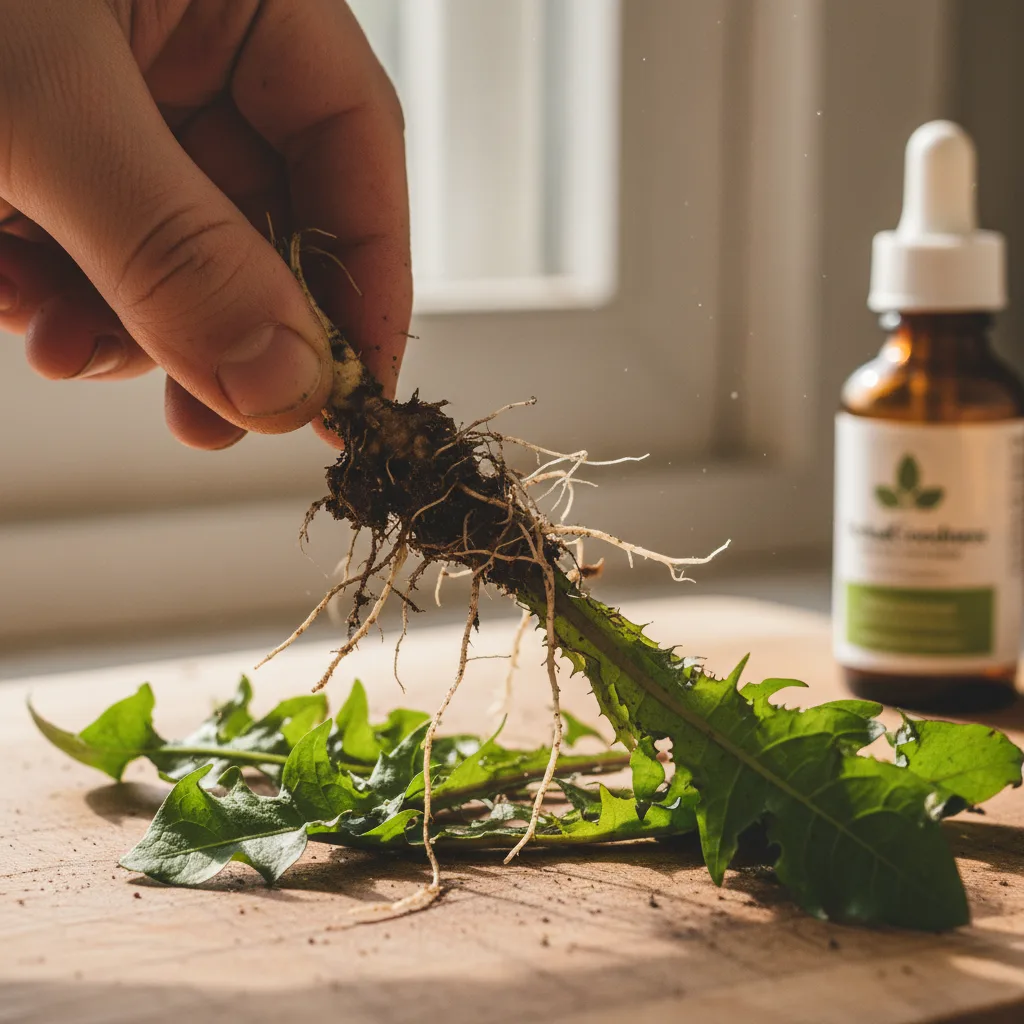
Dandelion root grows deep into the soil, serving as the plant’s primary storage organ. Its extract is commonly recognized for containing:
- Inulin (a form of soluble fiber)
- Sesquiterpene lactones
- Taraxasterol
- Minerals such as potassium, calcium, and magnesium
- Phenolic acids and resins
The flavor profile of dandelion root extracts tends to be earthy, nutty, and slightly bitter—qualities inherited from its phytochemical content. These compounds are traditionally explored by those interested in comprehensive wellness routines. For those who want a solution tailored to robust mineral support and gentle detox, Dandelion Root Liquid Extract - Organic 1oz - Detox & Liver is a high-quality option.
The Leaf: Above-Ground Green Benefits
Dandelion leaf, on the other hand, is praised for being rich in:
- Flavonoids (notably luteolin and apigenin)
- Potassium
- Chlorophyll
- Vitamins such as A, C, and K
Liquid leaf extracts are lighter in taste—often described as fresh, grassy, or mildly bitter. The differences between dandelion root vs leaf liquid extracts stem directly from their roles in the plant and their distinct assemblies of botanical constituents.
Extraction Methods: From Plant to Liquid
Understanding extraction is key to selecting a high-quality dandelion liquid extract, whether root or leaf based. Most reputable herbal brands—including Herbal Goodness—employ careful, multi-stage extraction processes to safeguard the active constituents in each plant part.
Key Extraction Steps
- Solvent selection: Water, alcohol, or combinations are commonly used. They help dissolve different groups of compounds. For example, inulin and minerals from the root are water-soluble, while some of the leaf’s phytonutrients may require alcohol for optimal extraction.
- Duration and temperature: Extended, carefully controlled extraction maximizes the transfer of desired compounds into the liquid.
- Filtration: Removes plant matter, delivering a clear, concentrated extract.
Processing differences: Since root and leaf have unique chemical makeups, extraction ratios and durations often vary. Roots are typically denser and may require longer extraction than the tender leaves. Extraction methods determine which phytochemicals end up in your bottle—making it crucial to select products from transparent, quality-focused brands. If you’re looking for other potent liquid extracts made through meticulous processing, Papaya Leaf Extract 16oz – Organic 15X Liquid Papaya Leaf Herbal Supplement is also worth considering for those interested in wellness diversity.
How Processing Affects What’s in Your Bottle
The transition from raw plant to usable extract involves more than blending and filtering. The choices made at each step subtly shape the final product:
- Source quality: Sourcing dandelion from clean, non-contaminated areas helps minimize exposure to unnecessary residues.
- Plant part specificity: Some extracts are strictly root or leaf, while others are blends. Be sure the bottle clearly indicates which part(s) were used.
- Extraction ratio: Phrases like “1:1 extract” or “1:2 extract” reveal how much plant material was used to make a given amount of liquid. Ratios are worth considering for those who want to track their routines precisely.
- Concentration: While higher concentrations can mean more potent flavors and compounds, they also demand greater attention to serving size.
These details highlight why dandelion root vs leaf liquid extracts are not interchangeable; each is shaped by both its starting material and its processing journey.

Reading Labels: Key Tips for Informed Choices
Navigating extract labels may feel intimidating at first, but understanding a few key details can empower both newcomers and seasoned users:
- Botanical name: Look for “Taraxacum officinale” (dandelion), along with the plant part used (root, leaf, or both).
- Extraction ratio: Indicates potency and concentration.
- Other ingredients: High-quality extracts should list solvents (such as purified water and/or alcohol) and avoid excessive additives.
- Serving suggestion: Pay close attention; suggested use may vary between root and leaf extracts due to their distinct profiles.
- Quality certifications: Reputable brands (including Herbal Goodness) may include certifications for purity and production standards.
Compare several products, referencing these criteria to build logical, personalized routines. If you're interested in more liquid extract options that are easy to track, Papaya Leaf Extract - Organic 1oz 15X Liquid - Blood Platelet features clear labeling and quality assurance. Additionally, those seeking a comprehensive wellness plan may value having both single-ingredient and blended products available.
Practical Considerations and Safety for Dandelion Liquid Extracts
Practical Approaches
Whether you’re incorporating dandelion root or leaf into morning tea, adding a few drops to water, or simply tracking your intake, a thoughtful approach supports a safe and positive experience. For blend-friendly options, Blood Platelet with Papaya Leaf - Organic 15X Liquid Extract - Platelet & Bone Marrow can be combined with a variety of routines thanks to its straightforward use and purity.
- Start low: Especially if you are new, begin with the lowest suggested serving size to track changes or preferences.
- Flavor differences: Root extracts can be robust; consider pairing them with complementary flavors if taste is a concern.
- Routine tracking: Maintain a simple wellness log to note serving size, time of day, and observations. Over time, this can help you decide which extract is most suitable for your needs.
Safety and Care
- Consultation: If you’re exploring wellness changes, it can be wise to consult a qualified professional familiar with herbal traditions. Herbal Goodness offers a Personal Consultation with Herbalist or Health Coach for tailored support and guidance.
- Allergens: Dandelion root and leaf extracts may not be suitable for those with allergies to daisies or related plants.
- Pregnancy and nursing: Specific guidance is suggested for these life stages—always check labels and seek expert input.
- Quality assurance: Choose brands that test for purity, stability, and consistency across batches, as this minimizes unwanted variations.

Traditional Uses and Modern Curiosity
For generations, dandelion root and leaf have played divergent roles in wellness traditions:
- Dandelion root was commonly incorporated into decoctions or tonics.
- Dandelion leaf was favored for its gentle, fresh qualities and as a culinary green in herbal traditions.
While modern extraction makes accessing these plant parts more convenient, mindfulness about their origins, differences, and uses remains as important as ever. If you appreciate incorporating leafy botanicals into your herbal routine, the Papaya Leaf Extract Blood Support - Organic 1oz 15X Liquid Extract - Platelet Health offers a leaf-based alternative with a similar dedication to quality.
Choosing Between Root and Leaf: Personalized Considerations
Reflecting on your intended use may help clarify whether dandelion root or leaf fits better into your wellness routine. Ask yourself:
- Am I looking for the robust, earthy profile and inulin content of the root?
- Do I prefer the lighter, fresher notes of the leaf and its concentration of vitamins?
- Would blending both offer the range of benefits I’m seeking?
Remember, there’s no universal answer—wellness routines can be personalized, and as you learn more about dandelion root vs leaf liquid extracts, you can confidently select the option that aligns best with your goals and comfort.
Supporting Your Exploration with Herbal Goodness
Brands like Herbal Goodness place emphasis on quality, transparency, and plant part specificity—important features for those seeking a tailored herbal experience. Taking the time to understand sourcing, labeling, and extraction supports both safety and peace of mind.
Building Confidence for Your Dandelion Wellness Journey
Learning about dandelion liquid extracts can feel empowering. By focusing on root vs leaf distinctions—phytochemically, in flavor, and in processing—you equip yourself to make smart, mindful decisions. With each bottle, label, and sip, confidence and curiosity can guide your ongoing herbal exploration.
FAQs:
- What is the main difference between dandelion root and leaf liquid extracts?
Dandelion root liquid extract is derived from the plant’s underground storage organ and typically contains inulin, sesquiterpene lactones, minerals, and a robust flavor. Leaf extracts come from above-ground greens, focusing on flavonoids, vitamins, and a light, fresh taste. The differences result from unique plant compounds and traditional uses.
- How should I decide between dandelion root and leaf liquid extracts?
Consider your personal goals and preferences. The root offers earthier taste and a different phytochemical profile compared to the leaf, which is lighter and richer in certain vitamins. Track your experiences and adjust your routine according to what feels best for you.
- Are dandelion extracts concentrated, and how do I read the ratios?
Yes, extracts often use ratios such as 1:1 or 1:2 to show how much plant material is used per volume of liquid. A higher ratio generally means a more concentrated product, so it’s important to follow serving suggestions.
- Can I use both root and leaf dandelion extracts together?
Some wellness routines do blend both extracts to access a broad phytochemical range. If you choose to do so, start with low servings of each and monitor your responses through personal tracking.
- What should I look for on liquid extract labels?
Prioritize labels showing the plant’s botanical name, specific plant part, extraction method, ingredient list, extraction ratio, and suggested use. Transparency, purity, and quality certification are good signs.
- Are dandelion extracts safe for everyone?
Most adults tolerate dandelion extracts, but those with allergies to related plants or those who are pregnant or nursing should check with an expert before use. Always read serving guidelines carefully.
Author Name:
Herbal Goodness Editorial Team
Author Bio:
The Herbal Goodness Editorial Team specializes in holistic health and superfoods, blending science and nature to educate and empower our community.
References:
Introducing Graviola to Young Taste Buds: Fun, Family-Friendly Flavor Exploration