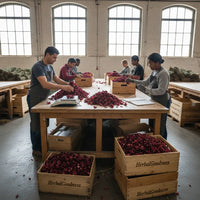
Creative, Low-Waste Uses for Spent Loose Hibiscus Tea Petals

Making the Most of Every Hibiscus Petal: A Practical Guide
If you enjoy infusing your day with a vibrant cup of hibiscus tea, you may wonder what to do with those beautiful deep-red petals left at the bottom of your teapot. These spent hibiscus petals often end up in the trash or compost, but their vibrant color, subtle flavor, and gentle texture actually offer a world of creative possibilities. Exploring low-waste uses for spent loose hibiscus tea not only honors the plant but also helps reduce kitchen waste in fun, practical ways. In this guide, we’ll dive into how you can repurpose used hibiscus petals in your kitchen, beauty rituals, and creative crafts—while keeping safety and sustainable living in mind.
Tapping Into Kitchen Creativity: Repurposing Spent Hibiscus Tea
Bringing Out Hidden Flavors
Spent hibiscus petals are milder than their fresh or dried counterparts, but they retain enough character to add subtle tang, color, and aroma to a range of recipes. If you’re steeped in tea and sustainability, try integrating them into these approachable ideas:
1. Hibiscus Syrup—A Second Pour:
- Simmer spent petals with a touch of sugar and water. Strain and let cool. The result is a lightly tangy, rose-hued syrup ideal for drizzling over pancakes, stirring into seltzer, or sweetening iced teas.
2. Quick-Pickled Onions or Radishes:
- Add rinsed petals to your jar of quick pickles. Their gentle acidity and pigment lend a blush of color and a whisper of floral tang to sliced vegetables.
3. Hibiscus Vinegar:
- Submerge the spent petals in apple cider or rice vinegar for a week, then strain. The infusion becomes a colorful, aromatic vinegar perfect for salad dressings and marinades.
4. Shimmering Ice Cubes:
- Freeze spent petals in water or leftover tea. These make pretty, conversation-starting ice cubes for lemonades or party drinks.
Enjoying hibiscus doesn’t have to stop at the last cup. To keep your kitchen pantry stocked for creative, low-waste ideas, try exploring our organic herbal teas, an excellent foundation for delicious, homemade infusions and vibrant recipes.
Trending Tips for Recipe Experiments
- Combine with citrus peels for more layered flavors in syrups or vinegars.
- Taste before using: Spent petals from strong initial steeps will have more flavor than those from multiple infusions.
- Dry for later: Spread used petals on a clean towel to air dry. Use within a week for culinary ideas, storing in a breathable jar.
Natural Beauty Routines: Simple, Earthy Uses
Hibiscus petals have a traditional reputation for their gentle properties, and their color makes experimenting at home a treat for the senses. With spent petals, introducing a sustainable element to your self-care routine is easy:
DIY Bath Soak
- What you need: A handful of strained, cooled hibiscus petals and a cup of Epsom salt.
- How-to: Place petals and salt in a muslin bag, tie securely, and drop into your bath under running water. The petals impart a delicate hue and a floral ambience, making bath time feel special with minimal waste.
When enhancing your bath ritual, using a botanical-based soap such as Herbal Papaya Bath Soap - 2 bars/3.5oz can amplify your skin’s nourishment and round out your at-home spa routine.
Homemade Facial Steam
- Add a spoonful of spent petals to steaming hot water, and lean over (with a towel tented above your head) for several minutes. The steam feels soothing and can bring a light, floral aroma to your experience. Always ensure the steam isn’t too hot for your comfort.
Petal-Infused Hair Rinse
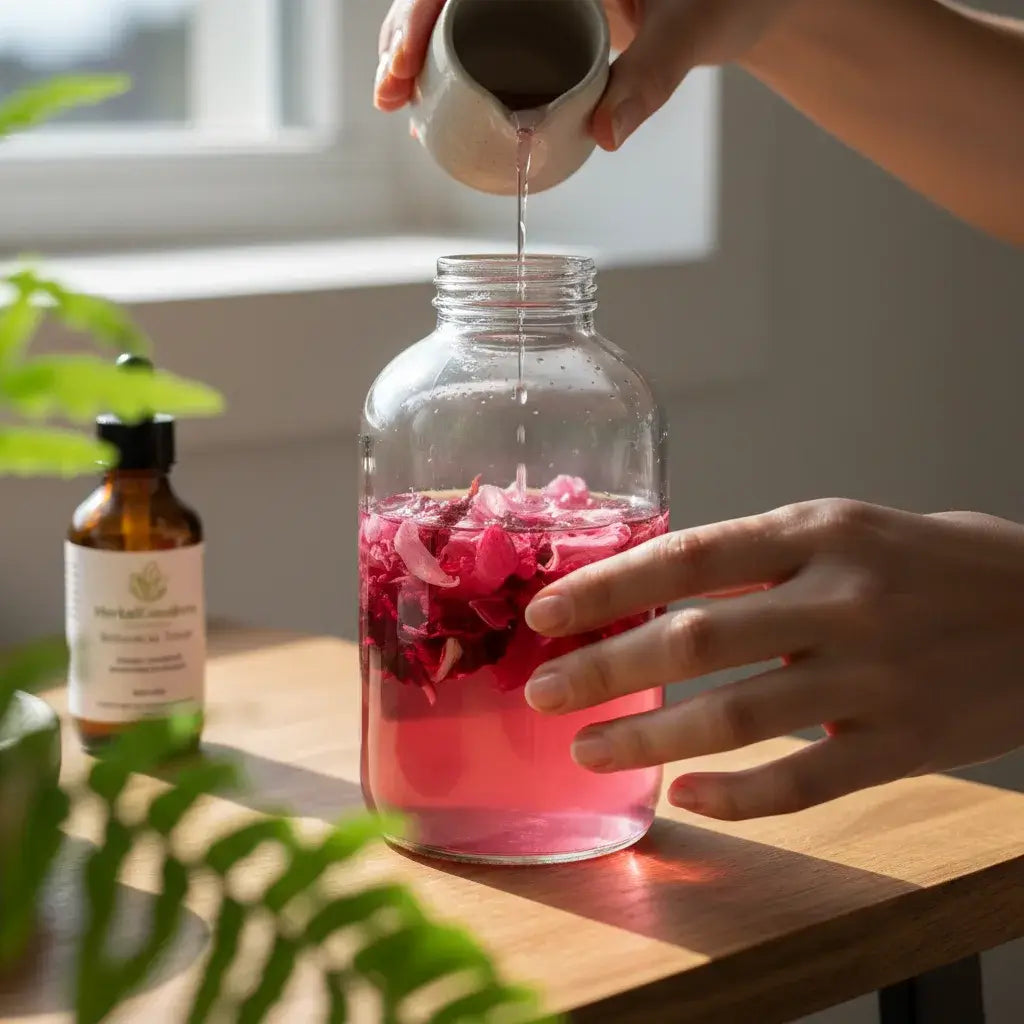
- Steep spent petals one more time for a weak, cool infusion. Pour through clean hair as a gentle, aromatic rinse. Many people enjoy the color, fragrance, and sensory ritual of this practice.
If you’re seeking ways to nurture hair strength and vibrancy, incorporating Hair Growth - 15X Liquid Extract - Hair & Follicles alongside your petal-infused rinse may support your wellness goals.
Hibiscus as a Natural Dye: Art and Craft Possibilities
The vivid color of hibiscus can linger even after an initial infusion. If you lean toward artistic projects or DIY home decor, spent petals can provide a sustainable alternative to synthetic dyes:
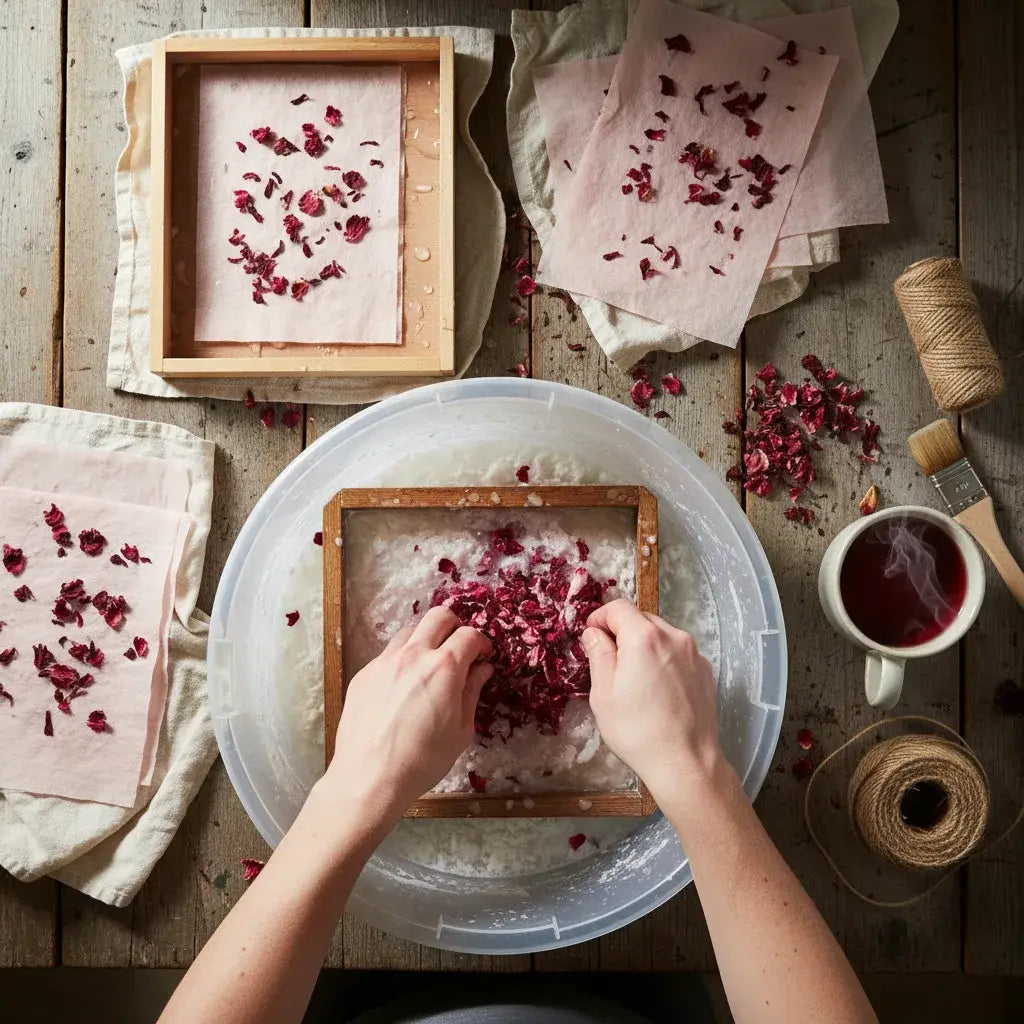
Easy Hibiscus Dye for Fabric or Paper
- After brewing tea, simmer the spent petals in a small amount of water for 10–15 minutes to coax out remaining pigment.
- Allow to cool, then strain. You’ll have a reddish-pink dye bath. Dip cotton fabric, silk scarves, or watercolor paper to create soft, rosy hues.
Consider supplementing your creative crafts with Wellness Tea Blends - Organic 4oz - Premium Herbal Infusion to keep your home apothecary well-stocked with ingredients ideal for both sipping and crafting.
Handcrafted Watercolor Paint
- Concentrate the hibiscus dye to create a natural paint for paper crafts, greeting cards, or journal pages. Mix with a drop of vinegar or salt for subtle color variations.
Botanical Prints and Stamps
- Press or dry the used petals and use them as embellishments in handmade bookmarks, collage art, or pressed-flower cards. Their texture and color add interest to any papercraft.
Composting and Zero-Waste Mindset
If none of the earlier ideas fit your style, composting is a time-honored way to return spent hibiscus petals to the earth. These naturally biodegradable petals break down quickly and enrich compost piles, especially when mixed with other plant-based kitchen scraps. By composting, you create a circular loop—tea to table, back to soil—contributing to garden health and sustainability.
If you’re passionate about sustainability, bulk solutions such as our Bulk Herbs collection are a great way to minimize packaging and ensure you always have surplus botanicals for repurposing and composting.
Tips for Composting Spent Hibiscus Petals
- Spread petals evenly in your compost bin.
- Avoid large clumps to support breaking down.
- Combine with other ‘green’ materials like fruits or veggies.
- Ensure mixture is moist, not soggy, for best results.
Simple Storage and Safety Suggestions
While reusing spent hibiscus petals is fun and practical, there are gentle guidelines that help keep your process safe and successful:
- Store petals briefly: If not using immediately, refrigerate in a sealed container and use within 24–48 hours to maintain freshness.
- Avoid contamination: Only reuse petals that have been steeped in plain water. Avoid petals mixed with dairy, sweeteners, or added ingredients.
- Inspect carefully: If petals smell sour or feel slimy, compost instead of repurposing.
- For beauty uses: Rinse thoroughly before adding to baths or steams for a gentle, pleasant experience.
For tea lovers interested in maximizing their tea experience, Hibiscus Tea - Organic 24/2g Tea bags - Heart Health offers a vibrant infusion to enjoy fresh—and countless ways to reuse those beautiful petals.

Inspiration to Try, Share, and Savor
Repurposing spent hibiscus tea petals bridges ritual and resourcefulness. Whether you’re stirring up new recipes, experimenting with plant-based crafts, or elevating your bath time, each method honors the vibrant life of the hibiscus flower and shows respect for the resources that sustain us. Share your favorites with friends, inspire others to adopt low-waste habits, and enjoy the unexpected creativity that blooms from a simple cup of tea.
Explore simple ways to honor your tea ritual and embrace low-waste living—start by reimagining the humble hibiscus petal in your daily routine.
FAQs:
- Can I reuse hibiscus petals from tea that's been sweetened or flavored?
It's best to use only petals that were steeped in plain water. Additional flavors or sweeteners can affect safety and how well the reused petals work in recipes or crafts.
- How long can I store spent hibiscus petals before reusing?
For best results, store the strained petals in a sealed container in the refrigerator and use within 1–2 days.
- What fabrics take natural hibiscus dye best?
Cotton, wool, and silk tend to absorb natural dyes more readily, resulting in richer color. Synthetic fabrics often yield weaker results.
- Can I dry spent hibiscus petals for later use?
Yes, spread them in a thin layer on a clean towel and allow to air dry. Use within a week to enjoy their aroma and color.
- Are spent hibiscus petals safe for skin or bath use?
When rinsed and checked for freshness, they are commonly used for bath soaks and beauty rituals. Discard if you notice unusual odors or textures.
- Is it okay to add spent hibiscus petals to my garden compost?
Absolutely. They are plant-based and break down easily, enriching your compost pile as part of a sustainable routine.
Author Name:
Herbal Goodness Editorial Team
Author Bio:
The Herbal Goodness Editorial Team specializes in holistic health and superfoods, blending science and nature to educate and empower our community.
References:
Introducing Graviola to Young Taste Buds: Fun, Family-Friendly Flavor Exploration
Why Social Impact Matters in Plant-Based Wellness
Oregano Oil vs. Black Seed Oil: Sensory & Sourcing Guide
Graviola in the Classroom and at Home: Creative Activities to Teach Kids About Tropical Plants