





Chanca Piedra Unveiled: History, Popular Uses, Plant Compounds & How to Evaluate Products

Chanca piedra, also known as "stone breaker," has captured global curiosity for centuries. Rooted in various regional traditions, this vibrant green herb holds a significant place in cultural wellness practices. As a beginner exploring chanca piedra, understanding its past, identifying common preparations, uncovering the plant compounds often discussed in research, and learning how to navigate scientific literature and product labels can help you make well-informed decisions. This comprehensive guide will introduce all these essential aspects in an engaging, approachable way—perfect for first-time explorers or anyone interested in the world of classic botanicals.
Chanca Piedra: A Cultural and Historical Overview
From Rainforest Roots to Widespread Use
Chanca piedra (Phyllanthus niruri) is a tropical plant native to the Amazon rainforest and other warm regions across the globe. For generations, communities in South America, India, and Southeast Asia have utilized its leaves and stems for a variety of traditional remedies and cultural rituals. Its nickname, “stone breaker,” reflects historical associations, and its story is intertwined with folk wellness practices. Indigenous cultures regarded this plant with respect, often using it as tea or decoction and passing recipes through generations.
The Journey Into Modern Awareness
Over the past few decades, chanca piedra has attracted wider interest—beyond its indigenous roots and into mainstream herbal products and scientific studies. This expansion is largely due to cultural exchanges and a growing demand for plant-based solutions. The result: chanca piedra is found today in specialty stores, wellness shops, and online marketplaces in many different forms. Among current offerings, Stone Breaker Chanca Piedra - 15X Liquid Extract - Kidney Health has become a go-to supplement for many looking for a concentrated version of this traditional herb.
Common Chanca Piedra Preparations
Popular Ways People Enjoy Chanca Piedra
Exploring chanca piedra involves recognizing its diverse forms. Accessibility depends on region, tradition, and personal preference. Here are the most familiar ways this herb is prepared and enjoyed:
1. Traditional Herbal Teas and Decoctions
The classic method—steeping the dried or fresh plant parts in hot water to make a herbal infusion. Many enthusiasts prefer this approach for its simplicity and ability to extract the essence of the plant.
- Method: Add 1–2 teaspoons of dried leaves to hot water, steep for 10–15 minutes, and strain before drinking. Some cultural recipes may simmer the plant material for a longer period to create a concentrated decoction.
- Appeal: Offers a gentle, earthy flavor. Often incorporated as part of daily rituals.
If you appreciate the tradition and want to try similar herbal infusions, Soursop Leaf Tea Graviola Leaves - Organic 24/2g Tea Bags - Immunity & Cell Renew is a sought-after blend that brings another time-honored botanical into your cup.
2. Liquid Extracts and Tinctures
Extracts and tinctures concentrate plant constituents using alcohol or glycerin as solvents. These are commonly available in dropper bottles, making them a convenient, portable option.
- Method: Typically used by adding measured drops to water or juice as directed by product instructions.
- Appeal: Suitable for those seeking a more potent alternative to teas or those with busy lifestyles.
Stone Breaker Chanca Piedra - 15X Liquid Extract - Kidney Health is one example, frequently selected for its powerful formula and practical dosing. Consider how preferences for quick application and concentration drive the popularity of these forms.
3. Encapsulated and Powdered Forms
Modern supplement manufacturers often offer chanca piedra in capsules or as a fine powder. These provide versatility for mixing with smoothies or foods and make it easy to use measured, consistent amounts.
- Method: Consumed directly, blended into drinks, or incorporated into recipes. Always follow label guidelines for serving size.
- Appeal: Ideal for those who prioritize convenience or dislike the taste of herbal teas.
For those who want a streamlined supplement option, Stone Breaker Chanca Piedra - Capsules 10X Extract 60/600mg - Kidney Health offers measured support. Similarly, Papaya Leaf Extract - Capsules 600mg - 10X Strength can integrate easily into your wellness routine, combining herbal tradition with ease of use.
Choosing the Right Preparation
Factors such as taste preferences, convenience, traditional values, and intended use often determine which preparation suits an individual. Each form offers unique benefits, aligning with varied lifestyles and routines.
Principal Plant Compounds in Chanca Piedra
A Closer Look at the Chemistry
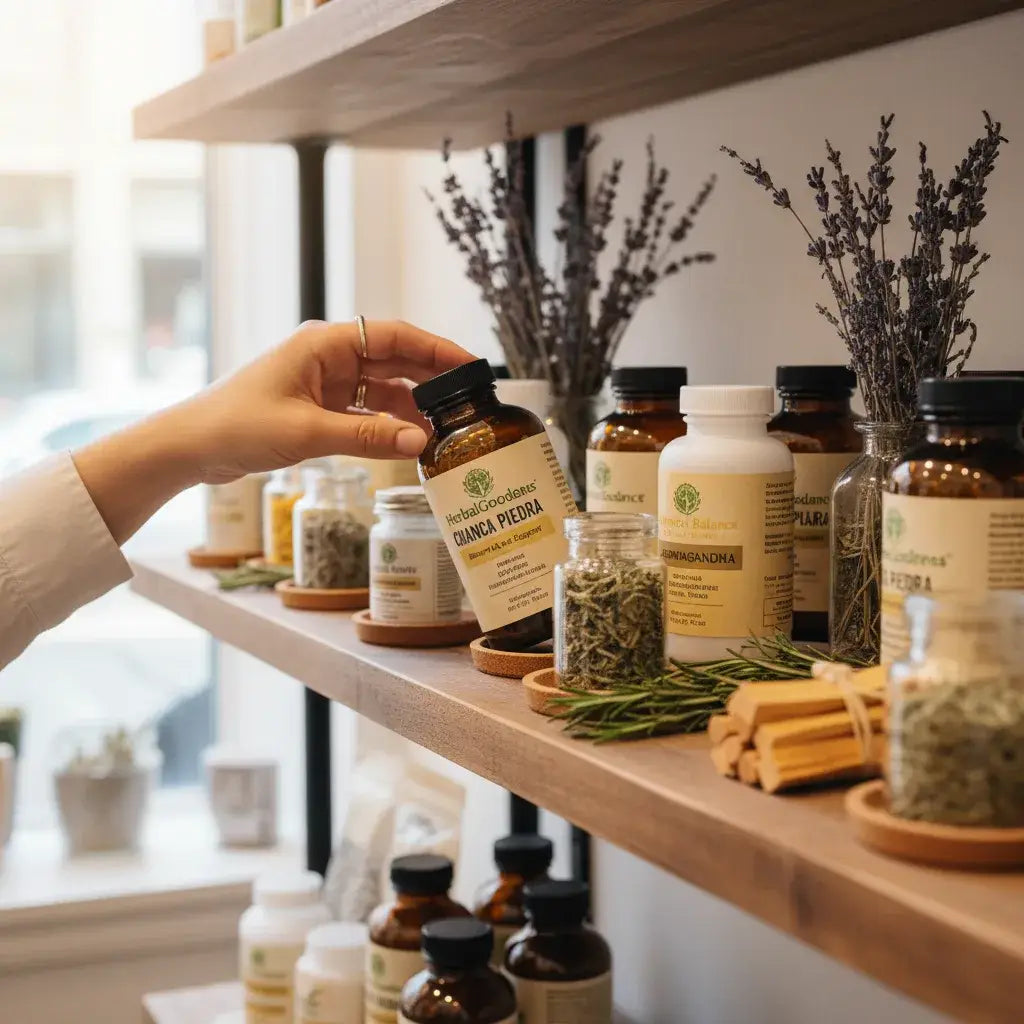
Researchers are drawn to chanca piedra not only because of its cultural significance but also due to its complex plant chemistry. A variety of naturally-occurring compounds are present within the leaves and stems, each contributing to the plant’s unique profile.
Key Highlighted Compounds
- Lignans: Notably phyllanthin and hypophyllanthin, which are widely studied for their properties in plant chemistry.
- Flavonoids: Includes quercetin and rutin, commonly discussed in scientific literature for their antioxidant potential.
- Alkaloids: Compounds such as securinine are often examined in research contexts for their roles within the plant.
- Tannins and Terpenes: Additional phytochemicals that play a part in the plant’s traditional applications.
Being mindful of plant chemistry invites comparisons with other antioxidant botanicals. For those interested in amplifying antioxidant potential in their daily regimen, Soursop Leaf Graviola Extract - - Organic 15X Liquid Extract - Cell Renew & Immunity is another highly regarded formula.
It is important to note that the presence and concentration of these compounds can vary dramatically depending on the plant’s source, the harvesting method, and the specific preparation or extraction technique used.
Why Compounds Matter
Scientists are keen to understand how these individual constituents may interact with the human body or contribute to the plant's properties. While research is ongoing, the precise mechanisms and benefits remain topics of active exploration within the scientific community.

Navigating Research About Chanca Piedra: Practical Tips
Understanding Study Types
Reading scientific research can be daunting, especially for beginners. Not all studies are created equal, and it helps to understand the foundational types:
- Laboratory (in vitro) studies: Analyze plant extracts on isolated cells or tissues to gain basic insights.
- Animal studies: Examine the effects of plant compounds in animal models; not directly translatable to humans but useful for early exploration.
- Human studies: Considered most relevant for human wellness, though quality and scale of studies are crucial factors to evaluate.
Interpreting Scientific Language
Often, research abstracts may contain technical language or reference concepts like “potential effects” or “biological activity.” These phrases indicate preliminary findings that warrant further exploration. Critical interpretation means considering:
- Sample size (was the study robust?)
- Replication (have others seen similar findings?)
- Funding sources (was there impartiality in study design?)
Checking the Reliability of Sources
Focus on academic journals, government health agencies, and reputable research institutions for the most trustworthy information. Avoid sources that make unrealistic claims or lack references.
A great example of reliable product information can be found by reviewing product tags on Stone Breaker Chanca Piedra - Capsules 10X Extract 60/600mg - Kidney Health, which lists the botanical name Phyllanthus niruri and provides clear directions and third-party certifications.
The Value of Ongoing Inquiry
Science is an evolving process. New findings may update or alter the landscape over time. Staying open-minded and well-informed ensures responsible engagement with chanca piedra and any other botanical.
How to Evaluate Chanca Piedra Product Labels
Why Reading Labels Matters
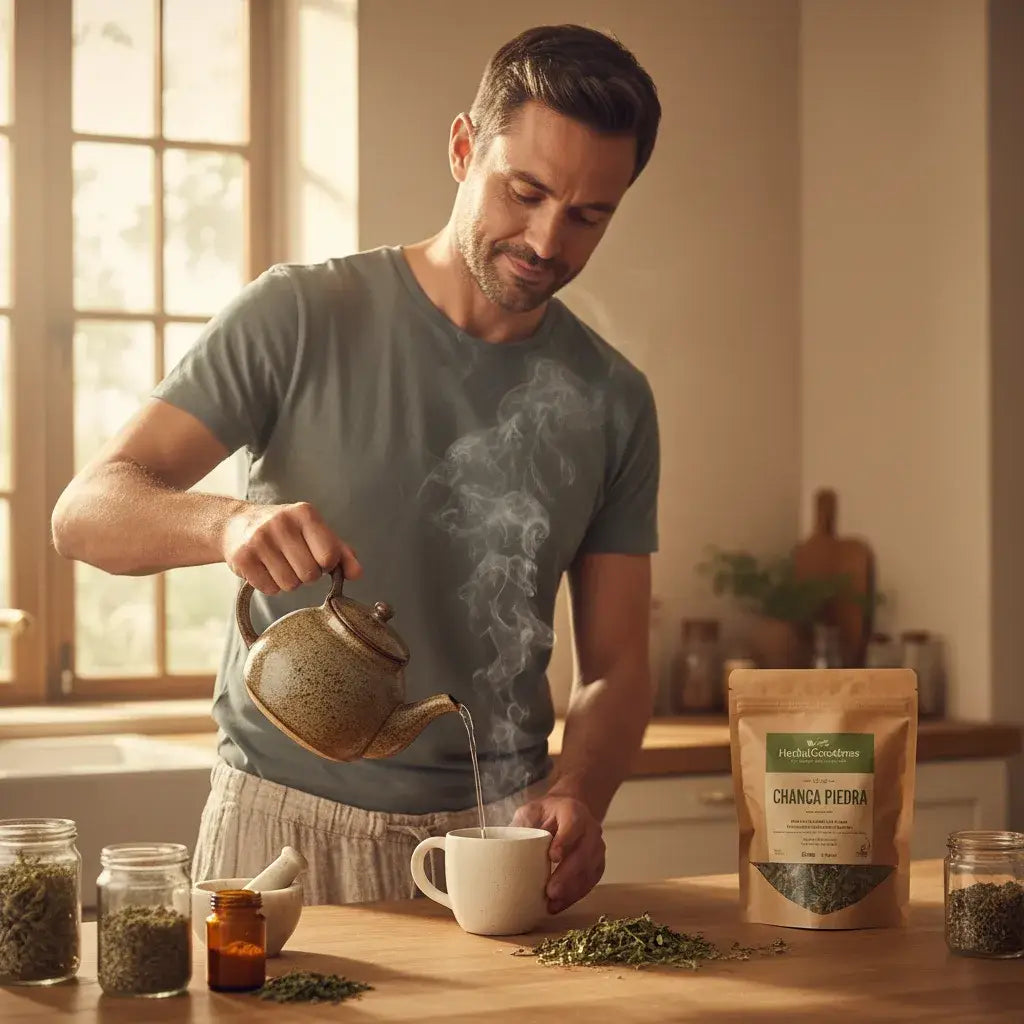
With the rise in demand for chanca piedra, modern markets offer many choices. Careful label reading can help ensure authenticity, transparency, and quality.
Key Things to Look for
- Botanical Name: Legitimate products will use the correct species name—Phyllanthus niruri—on the label.
- Ingredient List: Review for unnecessary additives, fillers, or artificial substances.
- Form and Strength: Teas, extracts, capsules—identify the preparation and concentration levels.
- Source and Certification: Details such as organic certification, country of origin, and third-party testing add credibility.
- Serving Size and Directions: Clear guidance on usage is a mark of responsible manufacturing.
For an example of a transparent ingredient list and certifications, look at Papaya Leaf Extract - Capsules 600mg - 10X Strength. These checks make a difference when choosing safe, effective herbal supplements.
Responsible Manufacturing Standards
Look for brands that follow Good Manufacturing Practices (GMP). Certifications from independent organizations can signal a greater commitment to quality and transparency.
Avoiding Misleading Claims
Be wary of marketing that makes grandiose promises or guarantees. Quality brands educate their audience about uses and research without making exaggerated statements. Comparing ingredient specifics between Stone Breaker Chanca Piedra - Capsules 10X Extract 60/600mg - Kidney Health and Soursop Leaf Tea Graviola Leaves - Organic 24/2g Tea Bags - Immunity & Cell Renew can highlight differences in quality and formulation approach.
The Takeaway: Informed Curiosity Fuels Wise Choices
Learning about chanca piedra is a journey that bridges tradition, science, and modern self-discovery. By understanding its historical roots, common preparations, plant compounds, and the tools needed to evaluate both research and products, you empower yourself to make thoughtful and confident choices. Explore responsibly, stay curious, and appreciate the valuable legacy this remarkable herb brings to global wellness traditions.
FAQs:
- What plant family does chanca piedra belong to?
Chanca piedra (Phyllanthus niruri) is part of the Phyllanthaceae family and is native to tropical regions, especially the Amazon rainforest.
- How is chanca piedra most commonly prepared?
Chanca piedra is traditionally prepared as a tea or decoction by steeping dried leaves in hot water, but modern options also include tinctures, extracts, capsules, and powder.
- What should I look for on a chanca piedra supplement label?
Ensure the botanical name (Phyllanthus niruri) is present, check for third-party certification, review the ingredient list for unnecessary fillers, and note the serving size and directions.
- What are some main plant compounds in chanca piedra?
Key compounds include lignans like phyllanthin and hypophyllanthin, flavonoids such as quercetin, as well as tannins and alkaloids discussed in research.
- How can I evaluate the credibility of chanca piedra research?
Focus on studies published by reputable journals or institutions, consider study size and replication, and be cautious of research cited by brands making unrealistic claims.
- Is chanca piedra found in traditional cultures outside South America?
Yes, chanca piedra is also featured in traditional wellness practices in India, Southeast Asia, and Africa, with region-specific preparation styles.
Author Name:
Herbal Goodness Editorial Team
Author Bio:
The Herbal Goodness Editorial Team specializes in holistic health and superfoods, blending science and nature to educate and empower our community.
References:
Introducing Graviola to Young Taste Buds: Fun, Family-Friendly Flavor Exploration
Graviola in the Classroom and at Home: Creative Activities to Teach Kids About Tropical Plants