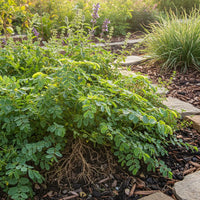
Chanca Piedra Phytochemistry Explained: Beginner’s Guide to Plant Compounds

Interest in chanca piedra, a tropical herb long valued in traditional systems around the world, continues to grow—not just among those seeking new wellness options but also among scientists and researchers. Headlines and product labels tout chanca piedra’s “powerful plant compounds,” but what actually are these chemicals? Understanding chanca piedra phytochemistry means learning about the backbone of the plant—the molecular substances that researchers isolate, identify, and analyze in the laboratory. This beginner’s guide will walk you through the main classes of plant compounds found in chanca piedra, explain how extraction and preparation techniques affect what’s in the final product, and break down exactly how scientists study these natural chemicals—all in clear, approachable terms, without medical claims or jargon.
The Major Classes of Compounds in Chanca Piedra
The primary value of chanca piedra (Phyllanthus niruri) lies in its rich and diverse spectrum of plant compounds. Scientists refer to these natural chemicals as “phytochemicals,” which literally means “plant chemicals.” Each compound class has unique characteristics and, together, gives chanca piedra its botanical complexity.
Flavonoids: Nature’s Rainbow of Plant Pigments
Flavonoids are a family of plant compounds best known for providing color and helping plants respond to environmental stressors. In chanca piedra, researchers have identified several flavonoids, including quercetin and rutin. These molecules often act as antioxidants within the plant, and their presence is typically associated with plant protection.
- Primarily water-soluble
- Usually concentrated in the leaves and aerial parts
- Commonly extracted by water-based preparations
One way to enjoy the benefits of flavonoid-rich plants is through carefully crafted teas and infusions. For example, the Organic Papaya Leaf Tea | 24 Premium Bags – Caffeine-Free offers an approachable introduction to water-extracted plant compounds.

Tannins: Plant Defenders with Binding Power
Tannins, another major group of compounds in chanca piedra, are complex molecules known for their ability to bind proteins and affect taste (think of the astringent feeling in strong tea). They serve a protective role in many plants, helping deter grazing and pathogens. Tannin-rich leaves and stems are abundant ingredients in many botanical teas and blends. Products like the Stone Breaker Chanca Piedra 15X Liquid | Kidney & Urinary Wellness make use of both leaves and stems, delivering tannins via specialized extraction.
- Give a mildly astringent taste to infusions
- Abundant in both leaves and stems
- Extracted by both water and alcohol
For those seeking different ways to access tannins and other plant compounds, capsule forms such as Stone Breaker Chanca Piedra Capsules 10X | 60ct – Kidney Wellness provide another option, utilizing advanced extraction and concentration techniques.
Alkaloids: Diverse Nitrogen Compounds
Alkaloids are nitrogen-containing chemicals that plants use for a variety of purposes, often for defense. Chanca piedra’s alkaloidal content is less prominent than its tannins or flavonoids, but these molecules are of strong scientific interest. Alkaloid extraction often appears in laboratory analysis of products, and specific tests are run to detect them. This is why you’ll find references to total alkaloid content or percentages on some superior herbal supplement labels.
- Can be sensitive to extraction method
- Present in lower concentrations
- Typically require specific tests for detection
When examining liquid extracts like the Stone Breaker Chanca Piedra 15X Liquid | Kidney & Urinary Wellness, checking the extraction method and if alkaloid testing is performed may provide extra insight for ingredient-focused consumers.
Terpenoids: Essence and Aroma Builders
Terpenoids, sometimes simply called terpenes, are volatile (easily evaporated) compounds found in essential oils. Chanca piedra contains several terpenoids, contributing to its characteristic aroma and helping define the plant’s identity.
- Responsible for aroma and taste
- More readily extracted in alcohol or by distillation
- Often present in very small amounts
Products that emphasize aroma or essential oil content, such as herbal tinctures, may deliver a broader range of terpenoids and related compounds by using alcohol-based extractions.
How Extraction and Preparation Influence Chanca Piedra Compounds
The way that chanca piedra is prepared, processed, and extracted makes a significant difference in which plant compounds end up in the final product. When scanning product labels or reading scientific studies, it helps to understand that not all extracts are the same.
Water vs. Alcohol Extraction
- Water-based extractions (teas, infusions): Tend to pull out polar (water-loving) compounds like most flavonoids, some tannins, and some plant acids.
- Alcohol-based extractions (tinctures): Extract a broader range, including some fat-soluble compounds, more tannins, certain terpenoids, and specific alkaloids.
For those who appreciate the nuance of plant chemistry, Stone Breaker Chanca Piedra 15X Liquid | Kidney & Urinary Wellness uses an alcohol base to maximize its phytochemical diversity.

On the other hand, if you’re interested in trying an accessible, water-based preparation, a caffeine-free option like Organic Papaya Leaf Tea | 24 Premium Bags – Caffeine-Free showcases what tea-style extraction can offer, especially for daily rituals.
Preparation Method and Its Impact
- Fresh vs. dried plant material: Drying can concentrate or break down certain compounds found in chanca piedra.
- Finely ground vs. whole: Smaller particle size enables better extraction of compounds.
- Temperature: High heat may degrade sensitive compounds; some, like tannins, withstand boiling, while certain terpenoids and alkaloids are more sensitive.
Stone Breaker Chanca Piedra Capsules 10X | 60ct – Kidney Wellness typically rely on finely milled, dried materials, using state-of-the-art concentration for consistent, ease-of-use capsules.

Quick tip: Always check whether chanca piedra products mention their extraction method, as this often determines which subset of plant compounds you’re actually getting.
How Scientists Identify and Analyze Chanca Piedra Compounds
Phytochemistry is the study of plant chemicals and their structures, a field that employs a variety of laboratory techniques to extract, separate, and identify chanca piedra’s chemical constituents. Here’s a step-by-step look at how scientists approach the analysis of these plant compounds.
Common Extraction Techniques in Research
- Solvent extraction: Researchers choose a solvent (water, alcohol, acetone, etc.) that “pulls” out the desired compound types from chanca piedra plant material.
- Distillation: Volatile compounds like terpenoids may be separated using steam or essential oil distillation.
Product formulations such as Stone Breaker Chanca Piedra 15X Liquid | Kidney & Urinary Wellness are crafted using solvent extraction techniques inspired by scientific protocols to ensure consistency.
Analytical Tools and Tests Lab Scientists Use
Chromatography: Separating the Mix
Chromatography (including methods like HPLC—High-Performance Liquid Chromatography—and TLC—Thin Layer Chromatography) is a cornerstone technique. It separates plant extracts into their individual compound parts, allowing scientists to see what’s inside.
- TLC: Quick visual separation on a plate, often used as a first screening.
- HPLC: More precise, quantifies exactly how much of each compound is present.
Spectroscopy: Identifying Structures
Spectroscopy uses light to “read” the structure of plant compounds. The two most common methods are:
- UV-Vis Spectroscopy: Measures light absorbance to estimate amounts of flavonoids or tannins.
- Mass Spectrometry (MS): Provides molecular “fingerprints,” allowing for exact identification.
Quantitative vs. Qualitative Analysis
- Qualitative: Tells you which compounds are present (e.g., yes, chanca piedra contains quercetin).
- Quantitative: Tells you how much is present (e.g., mg per gram of leaf material).
What Types of Scientific Studies Reveal About Chanca Piedra
When you spot research articles or headlines highlighting chanca piedra’s “powerful phytochemicals,” it’s important to understand what these studies actually measure—and what they do not.
In Vitro vs. In Vivo Studies
- In vitro studies: Done in test tubes or petri dishes with isolated plant compounds. Show what plant chemicals can do in a controlled setting.
- In vivo studies: Conducted in living organisms, often with an extract or preparation. Useful but typically early-stage and do not always translate to broader contexts.
Limitations of Laboratory Findings
Lab results only indicate what’s present and what a compound can do in a simplified setting. They don’t always reflect how a complex mixture acts outside the laboratory. Headlines and labels may highlight a single compound or mechanism, but actual preparations contain a diverse blend, and the way the extract is prepared can strongly influence what’s inside.
Interpreting Headlines and Reading Product Labels Critically
When shopping for chanca piedra products or reading wellness news, it pays to interpret claims about “plant compounds” with a critical eye. Here’s how to make sense of what you see:
Understanding Ingredient Lists
- Look for specifics: Does the label specify "flavonoids," "tannins," or "total alkaloid content"? If so, it may indicate testing or standardized extraction.
- Extraction method: See if the product mentions "alcohol extract," "water infusion," or "full-spectrum." This tells you which compound classes are likely present.
- Concentration and standardization: If a product is "standardized" to a certain percentage of a compound (e.g., "standardized to 10% tannins"), it suggests extra steps were taken to measure and control that compound’s presence.
Interpreting Research Headlines
- Focus on study type: Was the study performed in a laboratory, with pure compounds, or was it a complex whole-plant trial?
- Compounds vs. outcomes: Remember that identifying a plant compound in chanca piedra does not mean that a benefit automatically follows from its presence.
Putting It All Together: The Big Picture of Chanca Piedra Phytochemistry
Chanca piedra is a botanically rich plant, with a diverse array of plant compounds that researchers continue to study and catalog. By understanding the main categories of chemicals—flavonoids, tannins, alkaloids, and terpenoids—and how they are affected by extraction and processing, you’ll be much better equipped to interpret headlines, read labels, and make informed decisions about wellness products.
Laboratory methods like chromatography and spectroscopy help scientists break down and quantify these phytochemicals, but knowing the difference between a lab result and how a plant behaves in the real world is key. Asking about extraction method, purity, and testing can give you a clearer picture of what’s actually in a chanca piedra supplement or tea. The more you understand about phytochemistry, the more you can approach herbal information with insight and confidence.
Frequently Asked Questions
Question 1: What main plant compounds are found in chanca piedra?
Answer: Chanca piedra contains flavonoids, tannins, alkaloids, and terpenoids. You can experience a range of these groups through products such as the Stone Breaker Chanca Piedra 15X Liquid | Kidney & Urinary Wellness and Stone Breaker Chanca Piedra Capsules 10X | 60ct – Kidney Wellness, both formulated to capture these botanicals.
Question 2: How does extraction method affect chanca piedra’s plant compounds?
Answer: Water extraction (as in teas like Organic Papaya Leaf Tea | 24 Premium Bags – Caffeine-Free) pulls out mainly flavonoids and tannins, while alcohol extractions (like the Stone Breaker Chanca Piedra 15X Liquid | Kidney & Urinary Wellness) capture a broader spectrum, including terpenoids and alkaloids.
Question 3: Do capsules or liquid extracts offer more plant compounds?
Answer: Capsules such as the Stone Breaker Chanca Piedra Capsules 10X | 60ct – Kidney Wellness often use a finely milled, concentrated form, while liquid extracts like Stone Breaker Chanca Piedra 15X Liquid | Kidney & Urinary Wellness use alcohol or water for more complete extraction. Both provide diverse compounds, but the type and quantity may vary based on preparation.
Question 4: Why do some products mention standardized or tested compounds?
Answer: Standardization or mention of tested compounds (like % of tannins or flavonoids) means the product has undergone specific measurement and quality checks. You’ll find this on select liquid extracts and capsules, such as Stone Breaker Chanca Piedra 15X Liquid | Kidney & Urinary Wellness.
Question 5: Does the taste or aroma indicate certain compounds in tea or tincture?
Answer: Astringent flavors (from tannins) and distinctive aromas (from terpenoids) are indicators of these compounds’ presence. Teas such as Organic Papaya Leaf Tea | 24 Premium Bags – Caffeine-Free emphasize these sensory features.
Question 6: How can I tell if a chanca piedra tea or extract is high quality?
Answer: Check for clear labeling on extraction method, standardization, and ingredient specifics. Products like Stone Breaker Chanca Piedra 15X Liquid | Kidney & Urinary Wellness and Stone Breaker Chanca Piedra Capsules 10X | 60ct – Kidney Wellness emphasize these on their labels.
Question 7: Can other wellness teas provide similar phytochemicals?
Answer: Yes, teas like Organic Papaya Leaf Tea | 24 Premium Bags – Caffeine-Free and others prepared via water or alcohol extraction also offer a wide spectrum of plant compounds, similar to chanca piedra.
Ready to explore the world of chanca piedra? Use your new understanding of phytochemistry to assess products, ask smart questions, and support your wellness journey with knowledge.
About the Author
Herbal Goodness Editorial Team
The Herbal Goodness Editorial Team specializes in holistic health and superfoods, blending science and nature to educate and empower our community.
Related Articles
¿Venden chanca piedra en Mercadona? Guía completa para identificar y elegir en España
Best Organic Soursop Extract for Botanical Dyes and Homemade Inks
Best Platelet Support Capsules: How to Compare Herbal Formulas
Soursop Tea Processing & Flavor: Impact of Drying, Oxidation, and Roasting Steps