Caffeine-Free Hibiscus Tea Online: Label Reading, Formats & Buyer’s Guide

Understanding “Caffeine-Free” on Hibiscus Tea Products Online
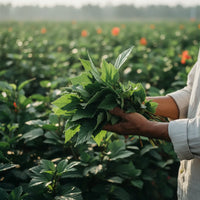
If you’re searching for caffeine-free hibiscus tea online, you’re not alone. With so many teas on the market, finding the right one can feel confusing—especially if you’re aiming to avoid caffeine while still enjoying an herbal beverage. Hibiscus (Hibiscus sabdariffa) is naturally caffeine-free, but some packaged teas and blends may still contain caffeine from added leaves or extracts. Knowing how to identify truly caffeine-free hibiscus tea ensures you get a product that’s in line with your preferences and needs.
This guide simplifies the process by breaking down what “caffeine-free” means in the context of hibiscus tea, how to read labels, what to look out for with different product formats, and practical questions to ask online retailers before placing your order.
What Does “Caffeine-Free” Really Mean for Hibiscus Tea?
Many herbal teas—including straight hibiscus infusions—are naturally free of caffeine. On websites or packaging, you’ll see terms like “caffeine-free,” “naturally caffeine-free,” or “zero caffeine.” However, these labels can sometimes be misleading.
- Caffeine-Free generally means the tea contains no measurable caffeine. This should apply to pure hibiscus tea made only from hibiscus petals or calyces.
- Decaffeinated refers to teas that originally contained caffeine, but from which most of the caffeine was removed (not applicable to hibiscus, but you may see it on blends).
- Blended Herbal Teas may contain hibiscus along with other botanicals—some of which could be caffeinated (like green tea, yerba mate, or added black tea leaves).
Key Tip: Even on “caffeine-free” products, always double-check the ingredient list to ensure there’s no hidden caffeine from other sources. Some people who seek out botanical wellness also consider teas such as Guava Leaf Tea - Organic - Tea 24/2g - Caffeine-Free for their naturally caffeine-free properties.
How to Read Hibiscus Tea Labels and Ingredient Lists
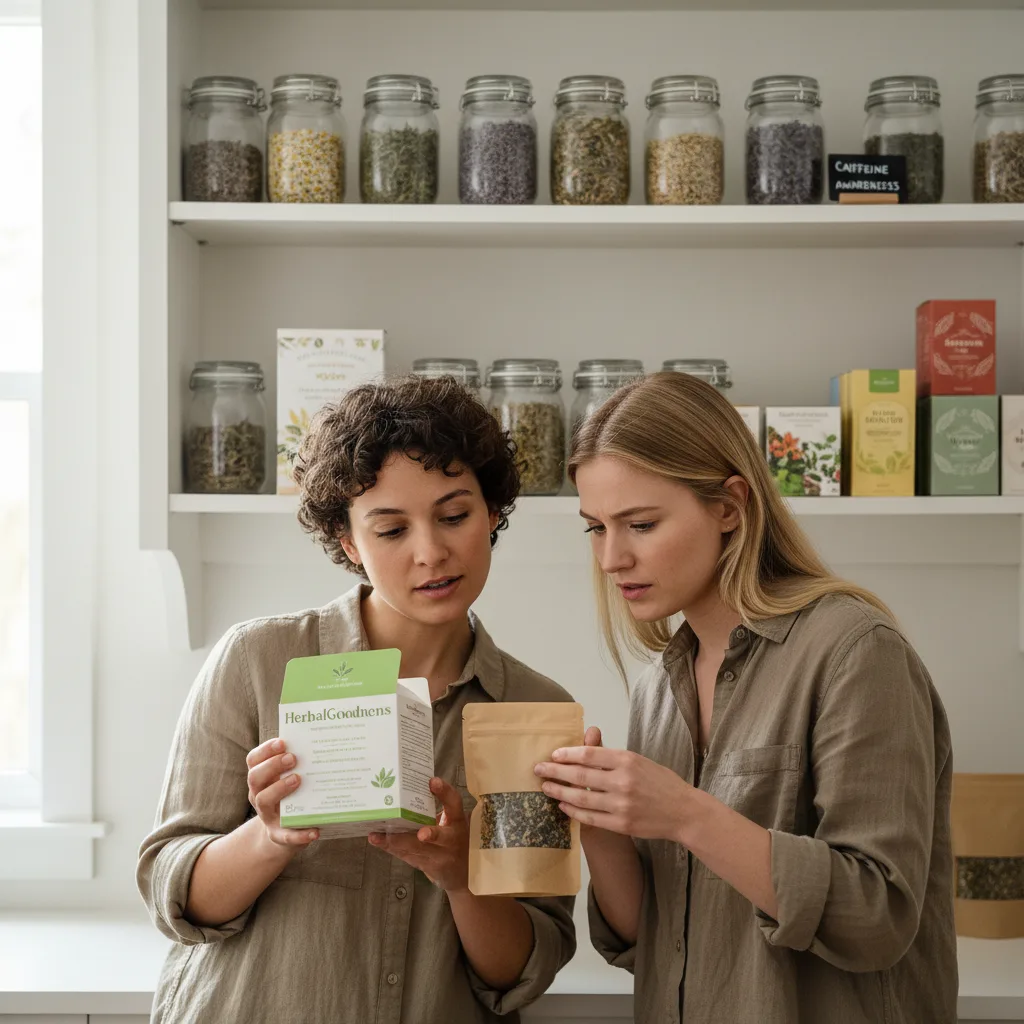
Proper label literacy can keep you from accidentally purchasing a caffeinated tea. Here’s what to look for when shopping online:
1. Focus on the Ingredient List
- Pure Hibiscus: The only ingredient should be hibiscus flowers, petals, or calyces. Possible label terms: “hibiscus sabdariffa,” “hibiscus petals,” “roselle.”
- Blends: Check for added ingredients. Look for words like "green tea," "black tea," "mate," or "guayusa"—all of which add caffeine. If you're unsure, consider Bamboo Leaf Tea – 24/1.5g Tea Bags - Nature's Collagen & Biotin for a distinct herbal experience.
- Extracts and Flavors: Natural flavors generally don’t impact caffeine, but if the flavor is “black tea extract” or “yerba mate extract,” there may be caffeine present.
2. Look for “Herbal” Designation
Often, teas labeled as “herbal” are free from traditional tea leaves (Camellia sinensis), which naturally contain caffeine. Still, verify by checking the full ingredient list. Hibiscus Tea - Organic 24/2g Tea bags - Heart Health is a solid option featuring clear labeling and transparent sourcing.
3. Watch Out for “Energy” or “Focus” Claims
Some hibiscus-based blends with words like “energy” or “wake up” may include hidden caffeine sources. Proceed cautiously and scrutinize the description to prevent surprises in your evening brew.
4. Brand Transparency
Some reputable brands—including Herbal Goodness—clearly specify whether a product contains caffeine or is blended with other botanicals. Look for details about source plants and manufacturing processes—choices like Bamboo Leaf Tea – 24/1.5g Tea Bags - Nature's Collagen & Biotin offer transparent information.
Exploring Hibiscus Tea Formats: Comparing Choices for Every Lifestyle
When ordering hibiscus tea online, you’ll see several formats: loose petals, tea bags, powders, and liquid concentrates. Each offers a different flavor experience and brewing style.
Loose Hibiscus Petals
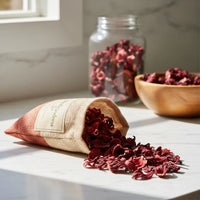
- What to Expect: Contains dried hibiscus calyces, typically packaged in bulk.
- Label Clues: Look for a single ingredient: “hibiscus petals” or “hibiscus sabdariffa.”
- Benefits: Pure ingredients, control over strength and serving size, bold flavor potential.
- Considerations: Requires a tea infuser, mesh ball, or other brewing tool. Options like our organic herbal teas can be explored for freshness and customization.
Tea Bags
- What to Expect: Convenient, pre-portioned bags containing hibiscus or a blend.
- Label Clues: Check if the only ingredient is hibiscus; scan for added teas or extracts. It’s helpful to browse trusted herbal blends, including Herbal Tea Gift Set – Wellness Tea Gift Variety Collection - Organic 24 Teabags.
- Benefits: Easy to use, portable, consistent cup each time.
- Considerations: Sometimes blends contain subtle caffeine sources—double-check the full list. If all that's listed is hibiscus, it's safe for evening enjoyment.
Powders
- What to Expect: Finely ground hibiscus flowers in powder form.
- Label Clues: Should say “hibiscus powder” or “hibiscus flower powder.” Powders from other botanicals, such as Organic Papaya Seed Powder 4oz | Gut Cleanse & Digestive Support, are also easy to use.
- Benefits: Fast preparation (just stir into water), easy to incorporate in smoothies or recipes.
- Considerations: Check for added agents, sweeteners, or anti-caking substances. Pure powders will list only hibiscus.
Liquid Concentrates/Extracts
- What to Expect: Bottled liquid extracts made by steeping hibiscus in water (with or without other plant ingredients). You may also wish to explore options such as Papaya Leaf Extract 16oz – Organic 15X Liquid Papaya Leaf Herbal Supplement for a different format experience.
- Label Clues: Ingredient listing should include water, hibiscus, and possibly a preservative or natural flavor.
- Benefits: Instant preparation, easy for cold drinks or mixing.
- Considerations: Some commercial formulas use blended botanicals; confirm it’s hibiscus-only if seeking caffeine freedom.
Spotting Hidden Caffeine: A Smart Shopper’s Checklist
Protecting yourself from accidental caffeine intake means asking a few extra questions as you browse hibiscus tea product pages:
- Is the ingredient list available and complete?
- Is the tea labeled as both "herbal" and "caffeine-free"?
- Are there additional energy-boosting herbs or teas listed?
- Does the description mention energizing effects, focus, or mental clarity enhancements?
- Are all product formats (loose, bagged, powdered, liquid) listed in detail, or are some blends grouped ambiguously?
Many responsible brands (including Herbal Goodness) offer batch testing and full transparency on their website—look for these assurances. If you’re interested in caffeine-free herbal blends, Herbal Tea Trio mixes are worth considering for their straightforward labeling.
Simple Brewing Notes for Each Hibiscus Tea Format
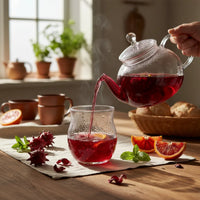
Whether you prefer a hot brew or a quick, chilled drink, hibiscus adapts to your needs. Here’s how to get the best cup every time.
Loose Petals
- Use 1–2 teaspoons per 8-ounce cup.
- Pour boiling water over petals; steep for 5–7 minutes for full flavor. Try similar brews using our organic herbal teas for variety.
- Strain and enjoy hot or iced.
Tea Bags
- Place one tea bag in a cup; add freshly boiled water.
- Steep 5–7 minutes or longer for deeper color and tartness. Hibiscus Tea - Organic 24/2g Tea bags - Heart Health provides a consistent and vibrant cup.
- Remove bag and enjoy.
Powders
- Dissolve 1/2–1 teaspoon in hot or cold water.
- Stir thoroughly; adjust amount to taste.
- Can be used in smoothies or culinary recipes. Hibiscus isn’t your only option—Organic Papaya Seed Powder 4oz | Gut Cleanse & Digestive Support is also popular for functional drinks.
Liquid Concentrates
- Add 1–2 teaspoons to water; stir. Enjoy formats like Papaya Leaf Extract 16oz – Organic 15X Liquid Papaya Leaf Herbal Supplement if you prefer liquid delivery.
- Use cold for instant iced tea, or mix with hot water for a warming cup.
Practical Questions to Ask Sellers About Sourcing, Packaging, and Freshness
Choosing a quality hibiscus tea goes beyond just finding the "caffeine-free" label. Here are essential questions to help you evaluate any online listing:
- Where is the hibiscus sourced? Origin affects flavor, color, and sometimes the potency of the petals.
- Is the hibiscus organic or wildcrafted? This can assure a cleaner flavor and fewer additives. Seek out organic options like Hibiscus Tea - Organic 24/2g Tea bags - Heart Health.
- How is the tea packaged? Look for airtight, light-resistant packaging to maximize freshness and preserve plant integrity. Herbal Tea Gift Set – Wellness Tea Gift Variety Collection - Organic 24 Teabags offers secure, gift-ready packaging.
- What is the shelf life or packing date? Fresher tea typically delivers a brighter aroma and richer taste.
- Are ingredient lists and testing certifications available? Transparency underscores quality.
- Is the product single-ingredient or a blend? This is critical for caffeine sensitivity.
- What are the storage recommendations?

These questions serve your curiosity and help ensure you’re getting a product that meets your expectations—whether you buy loose petals, tea bags, powders, or extracts. When freshness matters, our organic herbal teas in airtight bags are a top pick.
Matching Hibiscus Tea Product Formats to Your Lifestyle
When deciding which hibiscus tea format is right for you, reflect on a few personal preferences and practicalities:
- Time constraints: Do you need a quick infusion (like powders or concentrates) or do you enjoy brewing rituals with loose petals? Papaya Leaf Extract 16oz – Organic 15X Liquid Papaya Leaf Herbal Supplement offers instant convenience.
- Taste intensity: Fans of robust, vibrant flavor may prefer loose petals, while powder can provide a milder taste and convenience. Try our organic herbal teas for strong home brews.
- Preparation method: Are you brewing at home, in the office, or on the go? Herbal Tea Gift Set – Wellness Tea Gift Variety Collection - Organic 24 Teabags offers mix-and-match versatility.
- Blending interest: Powders and liquid concentrates are great for mixing into drinks or recipes beyond tea.
- Storage: Smaller packaging may suit tight kitchen spaces, while bulk loose petals might be better for frequent use.

The beauty of hibiscus is its versatility—and whether you’re seeking a warming cup on a cold morning or a bright, tart iced tea on a hot afternoon, there’s a caffeine-free option and format that fits effortlessly into your day. For variety, herbal bundles such as Herbal Tea Trio help you experiment with safe, caffeine-free infusions at home.
Conclusion: Confidently Shopping for Caffeine-Free Hibiscus Tea Online
Navigating the world of online herbal teas is much easier with a little label literacy and the right questions in mind. Remember: truly caffeine-free hibiscus tea starts with a clear ingredient list and transparent sourcing practices. By considering product format, freshness, packaging, and your personal flavor and lifestyle needs, you can confidently enjoy the vibrant taste of hibiscus every time.
FAQs:
- Is hibiscus tea naturally caffeine-free?
Yes, pure hibiscus tea made from hibiscus petals or calyces is naturally caffeine-free. Always check ingredient lists for hidden sources of caffeine in blends.
- How can I tell if a hibiscus tea blend contains caffeine?
Review the ingredient list; look for added teas like green, black, or yerba mate, which all contain caffeine. Only buy products that clearly state they are free of additional caffeinated ingredients.
- Which format of hibiscus tea is best for a strong flavor?
Loose hibiscus petals typically offer the boldest, brightest flavor because you control the amount and steeping time.
- Do hibiscus powder or concentrates ever contain caffeine?
If the label lists only hibiscus, these formats are caffeine-free. However, always verify that no additional caffeinated extracts or teas have been added.
- What questions should I ask when buying hibiscus tea online?
Ask about sourcing, packaging, freshness, ingredient transparency, and whether the product is a single-ingredient tea or a blend.
- Can I drink hibiscus tea at night without worrying about caffeine?
If you've ensured the product is pure hibiscus with no caffeinated additions, it's suitable for evening enjoyment.
Author Name:
Herbal Goodness Editorial Team
Author Bio:
The Herbal Goodness Editorial Team specializes in holistic health and superfoods, blending science and nature to educate and empower our community.
References:
Introducing Graviola to Young Taste Buds: Fun, Family-Friendly Flavor Exploration
Graviola in the Classroom and at Home: Creative Activities to Teach Kids About Tropical Plants