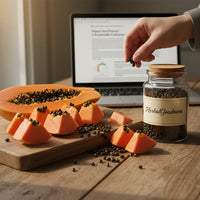
Buying Papaya Seeds Online: Essential Checklist for First-Time Shoppers

Buying Papaya Seeds Online: Essential Checklist for First-Time Shoppers
Shopping for papaya seeds online can be an exciting step toward exploring new flavors in the kitchen, starting your own tropical garden, or embarking on creative projects. But with dozens of listings, unfamiliar labels, and different uses—culinary, gardening, crafting—it’s easy for beginners to feel overwhelmed. That’s why we’ve created this comprehensive, down-to-earth checklist. Whether you’re eyeing papaya seeds for a zesty spice addition, looking to grow your own papaya tree, or planning unique crafts, this guide will help you confidently navigate the online marketplace, understand what makes a seed the right fit, and make informed choices.
Understanding Key Labels: Decoding Online Papaya Seed Listings
Organic Papaya Seeds
“Organic” is one of the most common—and sometimes confusing—labels you’ll encounter. Organic papaya seeds are typically harvested from fruit grown without synthetic pesticides or fertilizers. For kitchen use and gardening, many people seek out organic options because they value growing methods that support environmental balance.
Look for third-party certifications. Websites may display a recognized organic certification seal. These credentials can indicate that the seeds were grown and processed under strict organic standards. For those committed to an organic lifestyle, Organic Papaya Seed Powder 4oz | Gut Cleanse & Digestive Support is a great option for culinary or supplement use.
Understand regional differences. Organic standards can vary by country; check where the seller is based. Reliable sellers clarify whether their seeds are “certified organic” or simply grown without chemicals.
Heirloom Papaya Seeds
Heirloom seeds are those passed down through generations, often prized for genetic purity and traditional flavors. Buying heirloom papaya seeds can appeal to gardeners or cooks seeking variety and plants more attuned to specific climates.
Expect variety names. Sellers often specify the papaya variety (such as Red Lady, Mexican, or Hawaiian). Investigating the origin story further boosts your confidence, just as third-party tested supplements such as Papaya Leaf Extract - Capsules 600mg - 10X Strength specify key plant details.
Research the source. Some sellers share backstories or local heritage—these details help verify “heirloom” claims.
Roasted vs. Raw Papaya Seeds
This distinction matters greatly depending on your intended use:
- Raw Papaya Seeds: Typically preferred for planting, raw seeds are unprocessed and viable for sprouting new plants. For culinary use, raw seeds can be eaten or dried for a peppery spice.
- Roasted Papaya Seeds: Generally used solely for eating, roasted seeds have been heat-processed, making them unsuitable for planting as their germination ability is lost. Look for roasting details in product descriptions if you want to use the seeds as a spice.
Clarifying Intended Use: Are These Seeds for Eating, Planting, or Crafts?
Online papaya seed listings often cater to very different needs. Understanding how to spot the difference is essential:
Papaya Seeds for Culinary Use
- Processing: Papaya seeds for eating may be raw, dried, or roasted. The product description should indicate if they’re food grade. Exploring concentrated options like Papaya Seed - Organic 1oz 15X Liquid Extract - Colon & Gut Cleanse can provide solutions that are already prepared for consumption or supplementation.
- Safety: Culinary seeds are usually cleaned and packed in facilities suitable for food production.
- Flavor notes: Reviews from fellow cooks often mention characteristics like “peppery” or “mildly bitter,” helping you set expectations.
Papaya Seeds for Planting
- Viability: For growing, seeds need to be raw and unroasted. Check for phrases like “viable,” “untreated,” or “suitable for planting.”
- Harvest timing: Recent harvest dates usually signal higher germination potential.
- Germination rate: Some sellers provide germination percentages—helpful for gardeners prioritizing successful sprouting.

Papaya Seeds for Crafting
While not as common, papaya seeds are sometimes used in jewelry or natural art projects. For crafting:
- Condition: Uniform size and color might be important for aesthetic reasons.
- Prep instructions: Look for any cleaning or pre-drilling details in the product listing.
Reading Photos, Descriptions, and Seller Reviews Like a Pro
Evaluating Product Photos
- Close-ups: Good listings show clear, up-close images of the actual seeds, not just papaya fruit or stock images. If you are interested in expanding your knowledge about the whole papaya plant, not just the seeds, Papaya Leaf Extract - Organic 16oz 15X Liquid Extract includes images and detailed information about its sourcing.
- Texture & color: Look for visual details—raw seeds tend to be glossy and dark, while roasted seeds have a drier appearance.
- Packaging: Photos of packaging can signal whether food-grade or gardening-specific handling was used.
Deciphering Descriptions
- Origin: Top listings specify where the seeds were sourced (country or farm).
- Quantity: Pay attention to weight, seed count, or packet size. Bulk forms such as Papaya Seed Powder - 60/600mg Capsules - Gut & Colon Cleanse provide clear metrics for comparison.
- Processing method: Listings that mention drying, cleaning, or roasting techniques provide helpful clarity.
- Intended use: Reliable sellers clearly state if seeds are for planting, eating, or crafts.
Making Sense of Seller Reviews
- Recent feedback: Prioritize up-to-date reviews, as product quality can change.
- Photos from buyers: User-uploaded photos can help confirm what you’ll actually receive.
- Details about use: Reviews that mention intended use (“germinated well,” “great pepper alternative,” or “perfect for marbling projects”) offer extra assurance.
Shipping and Handling: Ensuring Fresh, High-Quality Papaya Seeds
Shipping Considerations
- Shipping speed: Freshness can be important, especially for planting. Faster shipping reduces the window for seeds to degrade.
- Temperature: If your local climate is hot or freezing, ask sellers about climate-safe shipping options.
- Customs concerns: When ordering internationally, check import rules for seeds in your region. Some countries restrict certain varieties.
Packaging Practices
- Resealable bags: These help maintain freshness and keep seeds protected from humidity and pests. Many quality supplements, such as Papaya Leaf Extract Blood Support - 10X 60/450mg Capsules - Blood Platelet, are also shipped with clear, protective packaging details for customer confidence.
- Labeling: Clear labeling of type, date harvested or packed, and source adds credibility.
- Protection: Extra padding or cardboard mailers can prevent seeds from being crushed during transit.

Storage Tips: Keeping Your Papaya Seeds Fresh
Whether you’re buying seeds for immediate use, future planting, or creative crafts, proper storage is key.
- Cool, dry place: Excess moisture and heat are the enemy of seed longevity. Avoid leaving seeds near windows or stoves. Preserving freshness is critical for products like Organic Papaya Seed Powder 4oz | Gut Cleanse & Digestive Support, which are sensitive to moisture.
- Airtight containers: Use glass jars, tins with tight lids, or the resealable bags that come with your order.
- Label clearly: Write the date and type on each container, especially if you’re stocking up from multiple sellers.
- Short-term vs. long-term: For planting, higher viability is retained for up to one year when stored well. For culinary or crafting, flavor and quality are maintained with similar care.
Ethical & Sustainability Questions: Sourcing Seeds with Care
Online shopping empowers you to make choices that align with your values. Here’s how to approach ethical and sustainability concerns as a beginner:
Ethical Sourcing Checklist
- Ask about origin: Responsibly sourced seeds often come with information about small farms, fair wages, and eco-friendly farming.
- Look for certifications: In some cases, Fair Trade or similar designations are available. Choosing Papaya Seed Powder - 60/600mg Capsules - Gut & Colon Cleanse assures accountability in sourcing.
- Choose non-GMO: If this matters to you, most reputable sellers will clarify whether seeds are non-GMO.
- Inquire about wild-harvesting: Overharvesting from wild areas can threaten native plant populations—check whether seeds are cultivated or wild-crafted.

Supporting Small and Sustainable Sellers
- Read the “about us” page: Sellers who value transparency often share details about their practices and mission.
- Support local or regional growers: Sourcing seeds regionally often reduces shipping impact and supports smaller-scale agriculture.
- Minimal packaging: Eco-friendly packaging is another sign the seller cares about environmental impact.
Final Thoughts: Confidently Buying Papaya Seeds Online
Buying papaya seeds online can be a rewarding experience, whether you’re spicing up your meals, nurturing a home garden, or planning artistic creations. By understanding labels like “organic” and “heirloom,” clarifying your intended use, reading photos and reviews with discernment, and asking basic ethical questions, you’re well-equipped to make choices that align with your needs and values. Thoughtful selection enhances not only your success but also your enjoyment and peace of mind as you embark on your papaya seed journey.
FAQs:
- What’s the main difference between papaya seeds for cooking and planting?
Papaya seeds for cooking are often dried or roasted and processed for safe, flavorful consumption. Seeds for planting are left raw and untreated to preserve their ability to sprout into new plants. Always check the product description to confirm their intended use.
- How can I tell if papaya seeds are actually organic?
Look for third-party organic certification or detailed descriptions about cultivation methods. Reputable sellers often provide documentation or specify whether their seeds meet recognized organic standards.
- Why do some listings mention heirloom papaya seeds?
Heirloom papaya seeds are valued for their genetic purity and traditional characteristics, often tied to regional varieties. They are popular among gardeners seeking specific types or more traditional flavors.
- What should I consider when reading papaya seed reviews online?
Prioritize recent, detailed reviews that mention your intended use, and if possible, review user-uploaded photos. Feedback about germination for planting or spice quality for cooking is especially helpful.
- Are roasted papaya seeds good for planting?
No. Roasted papaya seeds have undergone heat processing, which destroys their ability to sprout. For planting, always choose raw and untreated seeds.
- How long can I store papaya seeds before using them?
When stored in a cool, dry, airtight container and away from direct sunlight, papaya seeds can retain quality for several months to a year, depending on use. Freshness is key for successful planting.
- What is the most sustainable way to buy papaya seeds?
Opt for seeds labeled as responsibly sourced, organic, or from small-scale/regional growers. Eco-conscious sellers often provide extra information about their sustainability practices and packaging choices.
Author Name:
Herbal Goodness Editorial Team
Author Bio:
The Herbal Goodness Editorial Team specializes in holistic health and superfoods, blending science and nature to educate and empower our community.
References:
Introducing Graviola to Young Taste Buds: Fun, Family-Friendly Flavor Exploration
Graviola in the Classroom and at Home: Creative Activities to Teach Kids About Tropical Plants