Buy Organic Soursop Leaf Extract: Best Packaging for a Cleaner Cup

Every purchase you make comes with choices that impact not only your personal enjoyment but also the purity of what ends up in your cup and the planet’s well-being. When selecting organic soursop leaf extracts or teas, the packaging is much more than just an afterthought—it can influence your exposure to microplastics, subtly alter flavor, and leave a mark on the environment. This guide explores the different packaging options for organic soursop leaf extract, what microplastics really mean, and how label-savvy shopping habits can help you find cleaner, greener choices.
Understanding Microplastics: What’s in Your Cup?
Microplastics are tiny pieces of plastic debris—smaller than five millimeters—that can originate from packaging materials, especially under heat or prolonged contact with water. In recent years, studies have found microplastics in various food and beverage containers, shedding light on their widespread presence. While their long-term impact is still being studied, many conscious consumers aim to minimize avoidable plastic exposure wherever possible.
Microplastics and Beverage Packaging
When hot water meets packaging materials—like steeping a tea bag or pouring into a plastic-lined cup—minute plastic particles can transfer into your drink. Though this isn't exclusive to herbal extracts, it's a growing concern among those choosing Wellness Tea Blends – 4oz Organic Premium Herbal Infusions or soursop leaf extracts for their daily rituals.
Comparing Packaging Types for Soursop Leaf Extracts
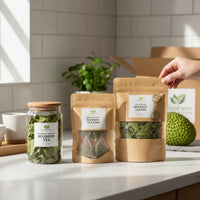
The most common options you’ll see for organic soursop leaf extracts include glass bottles, plastic containers, single-use sachets, and tea bags. Understanding their differences can help you select a product that matches your priorities for cleanliness and sustainability.
Glass Bottles
Glass packaging has long been favored for its inert quality—it won’t impinge on flavors, nor will it shed microplastics when exposed to heat or acidity. Glass is also widely recyclable and, when reused, can drastically reduce single-use packaging waste. For liquid soursop leaf extracts, glass offers a clean, flavor-neutral vessel. Choosing a glass bottle for your Soursop Leaf Graviola Extract 15X Liquid | Organic Cell & Immunity ensures the purest flavor and minimal contamination risk.
Pros:
- No microplastic transfer
- Maintains pure flavor
- Reusable and recyclable
Considerations:
- Heavier to transport (higher shipping impact)
- Can be more fragile and costly
Plastic Containers and Caps
Plastic packaging is light, sturdy, and less breakable than glass, but recent research highlights the potential for microplastic contamination, especially when hot liquids or acids are involved. Certain plastics are considered safer than others (look for BPA-free, PET, or HDPE symbols), and nearly all have a code—numbers found in the recycling symbol—to help identify what type they are.
For those who need convenience and travel ease, plastic capsules such as Papaya Leaf Extract 10X Capsules 600mg | Platelet & Digestive Aid offer light weight and durability, but with an eye on exposure risks.
Pros:
- Lightweight and convenient
- Less breakable
Considerations:
- Risk of microplastic transfer, especially when heated
- Flavors may be faintly altered over time
- Less easily recycled (varies by municipality)
Sachets and Single-Serve Packets
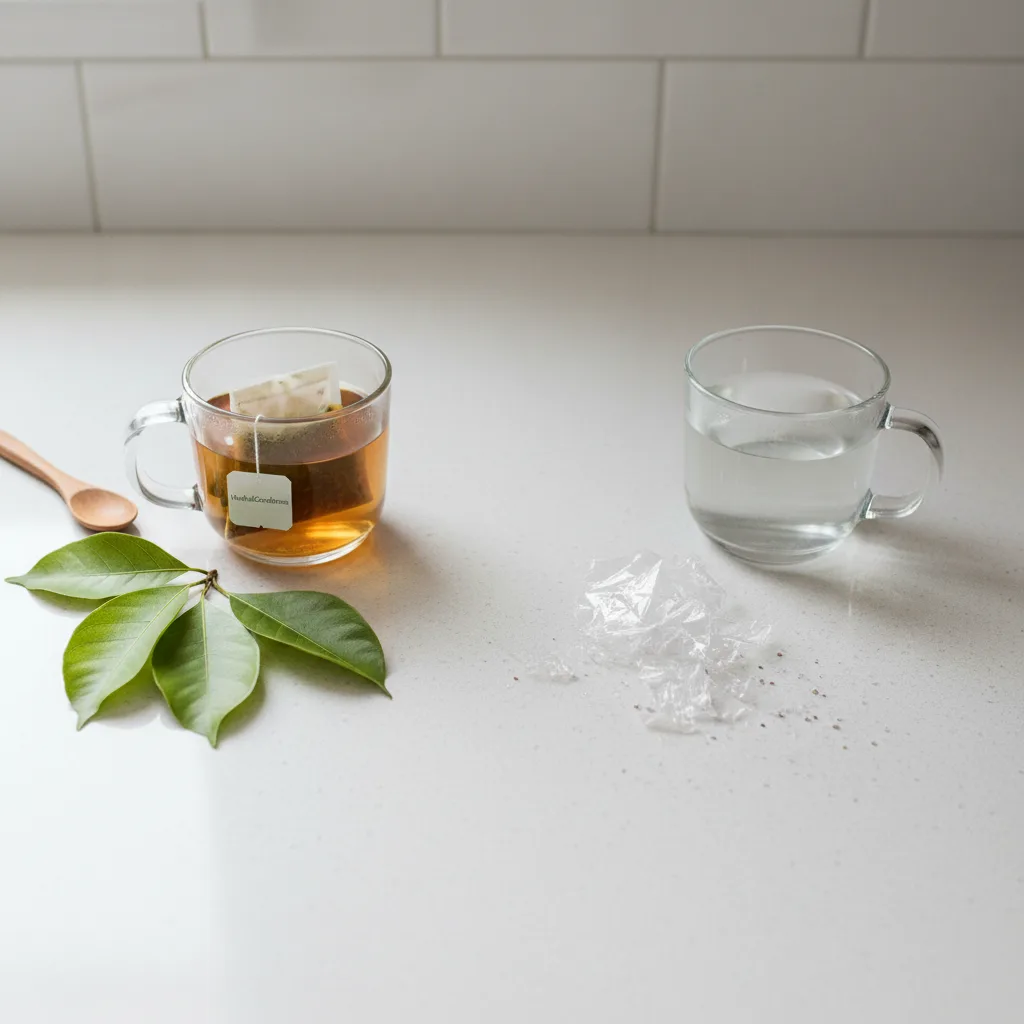
Sachets are convenient for travel—often made of composite materials that blend plastics, foil, and paper. The multi-layer nature helps protect freshness but can complicate recycling and may contribute small amounts of plastic to your beverage if not carefully managed. If traveling with single-serve soursop or Organic Papaya Seed Powder 4oz | Gut Cleanse & Digestive Support, check whether sachets are labeled as plastic-free.
Pros:
- Portions freshness and portability
- Low risk of spilling
Considerations:
- Can be difficult or impossible to recycle
- Composite materials may shed microplastics under certain conditions
Tea Bags: Traditional and Modern Materials
Tea bags have traditionally been made of paper, but many newer types use nylon, PET, or corn-based plastics to hold their shape or offer pyramid-style brewing. Some research suggests that steeping plastic mesh tea bags in hot water can release microplastic fragments and nanoplastics. For a lower-plastic option, prioritize unbleached or compostable tea bag styles when searching for your next Wellness Tea Blends – 4oz Organic Premium Herbal Infusions.
Pros:
- Convenient steeping
- Wide variety of styles and grades
Considerations:
- Some tea bags contain plastic mesh or sealing fibers
- Microplastic release possible when brewed hot
- Not all are suitable for composting
Reading Packaging Labels for Clarity
Label literacy is key when scanning the shelf for organic soursop leaf extracts that align with your values. If the packaging for your Soursop Leaf Graviola Extract 15X Liquid | Organic Cell & Immunity clearly states “packaged in glass,” you can usually trust that the product inside is protected from microplastic transfer and flavor alteration. Seek legitimate compostable logos or recycling numbers if choosing sachets for Organic Papaya Seed Powder 4oz | Gut Cleanse & Digestive Support, and always examine details in product descriptions for phrases like “plastic-free tea bags.”
- Identify Packaging Material: Look for clear declarations: “packaged in glass,” “BPA-free,” or “plastic-free tea bags.”
- Certifications: Third-party eco-labels (such as FSC, Ecocert, or Zero Waste) may vouch for packaging sustainability but always verify.
- Ingredient Transparency: If the packaging material isn’t stated, the seller should provide this information upon request.
- Seal Types: Tamper-evident, lined, or airtight closures can sometimes include plastic laminations—ask about the cap or seal if you’re avoiding all plastics.
- Compostability and Recycling Info: Legitimate compostable logos and recycling numbers (on plastic containers) provide clues for proper disposal.
Simple Questions to Ask Sellers Before You Buy
To make your selection of organic soursop leaf extract truly align with your clean-cup goals, direct questions to sellers or brands can go a long way. Consider asking if Wellness Tea Blends – 4oz Organic Premium Herbal Infusions are shipped in plastic-free packaging or if Papaya Leaf Extract 10X Capsules 600mg | Platelet & Digestive Aid use recyclable bottles. Proactive brands—like Herbal Goodness, who frequently update their packaging in favor of green and glass solutions—are often proud to answer these questions and share specifics about their process.
Environmental Footprint: Beyond Microplastics
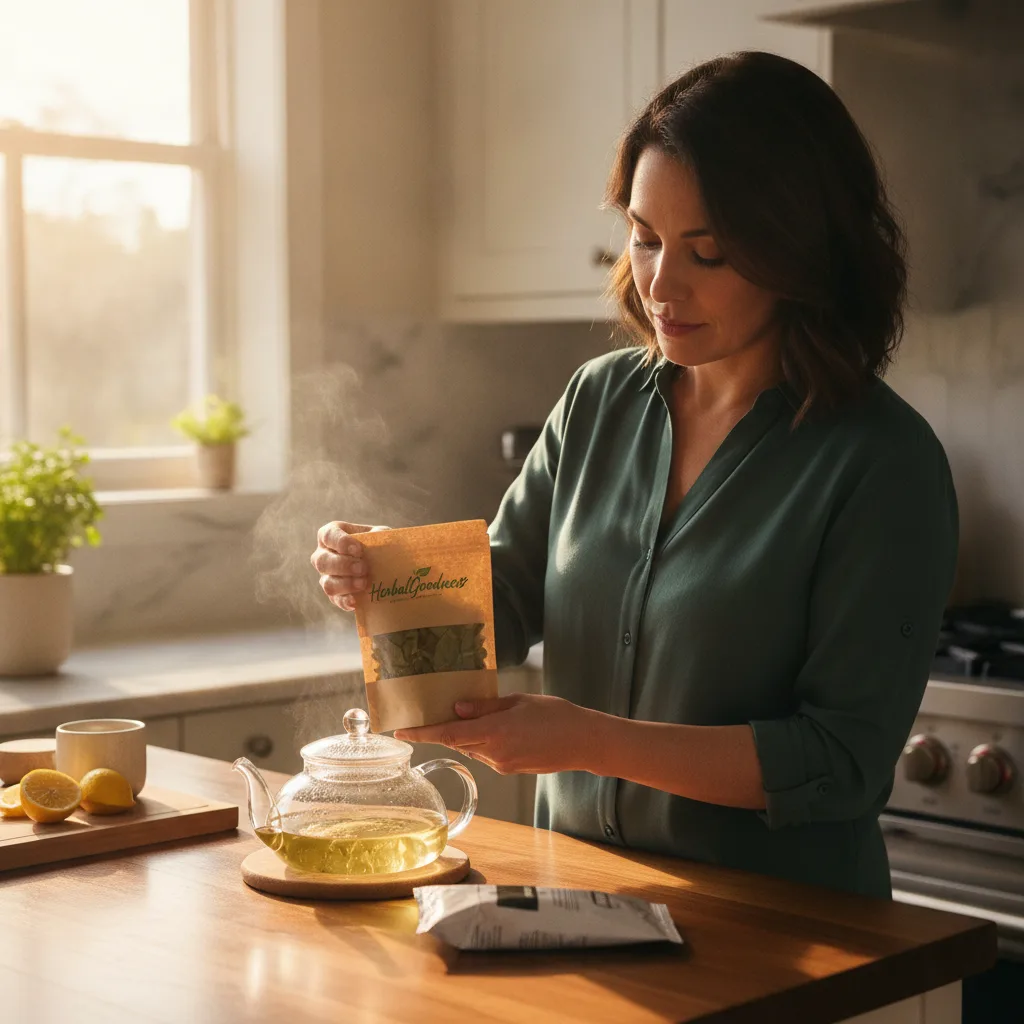
While keeping microplastics out of your cup is one motivation, the broader environmental influence of packaging deserves equal attention. Opting for larger bottles or packs over many single-serve sachets, such as the Soursop Leaf Graviola Extract 15X Liquid | Organic Cell & Immunity, reduces total material used and maximizes recyclability. Reusing glass bottles after finishing a liquid extract helps further minimize packaging waste.
- Glass: High energy input to manufacture but endlessly recyclable; best if reused or recycled.
- Plastic: Typically produced from petroleum, light to transport (reducing C02 emissions), but can lead to persistent plastic waste and pollution.
- Compostable/Biodegradable Materials: Offer a lower-impact end-of-life, provided you have access to appropriate facilities for disposal.
Opting for minimalist labeling and simple caps can make a difference with products like the Soursop Leaf Graviola Extract 15X Liquid | Organic Cell & Immunity, reducing unnecessary multi-part closures that may increase landfill waste. Bulk formats of Wellness Tea Blends – 4oz Organic Premium Herbal Infusions further cut down on packaging per serving.
Practical Steps to Favor Low-Plastic, Low-Waste Choices
If you’re looking to keep your organic soursop leaf extract as clean and planet-friendly as possible, here are some easy-to-implement steps:
- Prioritize products in glass bottles or fully compostable sachets, like the Soursop Leaf Graviola Extract 15X Liquid | Organic Cell & Immunity, when available.
- Buy in bulk or family-sized formats to reduce packaging per serving and minimize waste, especially with Wellness Tea Blends – 4oz Organic Premium Herbal Infusions.
- Support brands that publish clear packaging info and sustainability goals, and reach out if you need details on your favorite Papaya Leaf Extract 10X Capsules 600mg | Platelet & Digestive Aid.
- Ask companies about their packaging roadmaps (many regularly switch to greener options).
- Choose unbleached, plastic-free tea bags, avoiding pyramid-style nylon bags when possible.
- Reuse glass bottles for homemade extracts or crafts to further reduce your environmental footprint.
Savoring a Cleaner Cup: Flavor Preservation and Enjoyment
Beyond safety and sustainability, packaging influences the pure, delicate flavor that defines high-quality organic soursop leaf extract. Glass is inert and flavor-neutral, making it the top choice for preserving the characteristic taste of soursop leaves. Metals, robust papers, and plant-based alternatives can also perform well when paired with the right liner or coating. Conversely, certain plastics and synthetic fibers may subtly alter aroma, especially during transport or storage with products like Organic Papaya Seed Powder 4oz | Gut Cleanse & Digestive Support.
Trusting your senses—evaluating aroma, taste, and texture—remains essential, even with knowledge of packaging best practices. The right vessel not only keeps microplastics at bay but also lets the natural notes of soursop shine.
Let Your Purchases Reflect Your Priorities
With awareness of how microplastics can reach your cup and the influence of packaging on flavor and waste, consumers can use their choices as a gentle force for positive change. Each time you select organic soursop leaf extract in glass, compostable, or minimally packaged forms, you align daily rituals with bigger sustainability goals—helping keep both your cup and the environment a little bit cleaner.
Frequently Asked Questions
Question 1: Which packaging is safest for avoiding microplastics in organic soursop leaf extract?
Answer: Choosing products in glass bottles, such as Soursop Leaf Graviola Extract 15X Liquid | Organic Cell & Immunity, is generally the safest for avoiding microplastics. Glass does not shed particles or alter the flavor, even under heat.
Question 2: Are there certified plastic-free or compostable options for herbal teas?
Answer: Yes, many brands offer plastic-free or compostable tea bag options. When seeking Wellness Tea Blends – 4oz Organic Premium Herbal Infusions, look for clear label indications such as 'compostable' or 'plastic-free' on product packaging.
Question 3: Is there a risk of microplastic contamination from plastic capsules or containers?
Answer: There can be a risk, especially if plastic comes into prolonged contact with heat or acidic liquids. For Papaya Leaf Extract 10X Capsules 600mg | Platelet & Digestive Aid, check for labels like 'BPA-free' or recycling codes PET or HDPE for safer plastics.
Question 4: What practical steps can I take to make my purchases more planet-friendly?
Answer: Prioritize bulk purchases, select glass bottles for Soursop Leaf Graviola Extract 15X Liquid | Organic Cell & Immunity, reuse containers, and always verify packaging materials and recycling options as listed on product info pages.

As you explore organic soursop leaf extracts, consider packaging that keeps your cup clean and your environmental impact light. Asking the right questions helps you make clearer, more sustainable choices.
About the Author
Herbal Goodness Editorial Team
The Herbal Goodness Editorial Team specializes in holistic health and superfoods, blending science and nature to educate and empower our community.
Related: