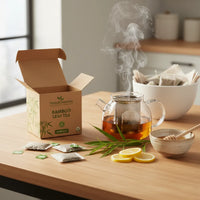
Buy Bamboo Tea Bags: How to Read Labels Before You Order Online

Bamboo tea products are catching the attention of wellness seekers and eco-conscious shoppers alike. But when shopping for bamboo tea bags for sale, the phrase 'bamboo' on the label can mean more than one thing. For some brands, 'bamboo' refers to bamboo leaf as an herbal ingredient; for others, it highlights a sustainable packaging material—namely, a tea bag woven from bamboo fibers. Understanding this difference influences both what ends up in your cup and your overall environmental impact. If you’re eager to buy bamboo tea but confused by ambiguous labels, you’re not alone. This guide will help you read packaging carefully, ask the right questions, and find the tea experience that aligns with your values.
What Does 'Bamboo' Mean on a Tea Bag Label?
The term 'bamboo' on a tea bag label can reference two distinct things:
- Bamboo Leaf (Ingredient): The contents of the tea bag are made from bamboo leaves, known for their light, refreshing flavor and long-standing use in various cultures.
- Bamboo Fiber (Packaging): The material of the tea bag itself is made from bamboo, often marketed as a biodegradable and eco-friendly alternative to synthetic or traditional paper tea bags.
Why does this matter? Because some product listings use 'bamboo tea bags' to highlight the sustainable packaging, even when the tea inside is not made from bamboo leaves. Others emphasize the benefits of bamboo leaf tea, regardless of what the bag is made from. Reading the label carefully helps you align your purchase with your priorities.
Bamboo as an Ingredient: What Is Bamboo Leaf Tea?
Bamboo leaf tea is made by drying and cutting the leaves of the bamboo plant. Traditionally appreciated for its naturally mild and grassy taste, bamboo leaf tea is caffeine-free and contains unique plant compounds. If you want bamboo leaf to be the star of your cup:
- Look for: "bamboo leaf" or "bamboo leaves" prominently in the ingredient list or product title
- Questions to ask sellers:
- Is the tea made from pure bamboo leaf, or is it blended with other herbs or teas?
- Where is the bamboo sourced?
- Is the bamboo leaf grown organically?

Bamboo leaf tea often comes loose or in prepackaged bags. Carefully check if 'bamboo' on the label refers to the ingredient, the packaging, or both.
If you want an alternative plant-based tea with similar clarity on sourcing and benefits, Soursop Leaf Tea | Organic Graviola 24 Bags – Immunity & Cell Renew also offers full ingredient transparency and wellness qualities.
Bamboo as Packaging: What Are Bamboo Fiber Tea Bags?
Eco-friendly packaging is another reason shoppers search for bamboo tea bags for sale. Bamboo fiber tea bags are a rapidly renewable source used to make biodegradable tea bags that can reduce waste. Here’s what to look for if packaging sustainability is your top concern:
- Materials to check on labels:
- Bamboo fiber
- Bamboo viscose
- Biodegradable or compostable bags
- No bleach, plastic, or glues
- Questions to ask sellers:
- Are the bags made only from bamboo, or mixed with other plant fibers?
- Is the string, staple, and tag also biodegradable?
- Is any part of the packaging compostable at home?
Not all bamboo fiber tea bags are created equal. Some may be blended with cornstarch, abaca (banana fiber), or even small amounts of synthetic materials for durability. Reading the materials list or seller FAQs can help you find truly zero-waste options. If a fully plant-based, low-waste approach is important, the organic herbal teas lets you brew your own tea with your preferred compostable infuser.
How Packaging vs. Ingredient Affects Your Tea Experience
If You Want Bamboo Leaf in Your Tea:
- Read the ingredient list to confirm 'bamboo leaf' is included (sometimes exclusively, sometimes in a blend).
- The bag could be made from paper, corn fiber, or bamboo fiber—so ingredient and packaging claims are separate.
- Some listings say 'bamboo tea bags' but contain other herbal blends, so it's important to look for clarity in both the ingredients and the packaging sections.
If You Want Sustainable Bamboo Packaging:
- Confirm the bag itself is made with bamboo fiber or natural plant-based materials.
- The tea inside could be green, black, herbal, or bamboo leaf—so packaging claims don’t guarantee a bamboo leaf tea.
If You Want Both:
- Seek out brands or listings that clearly state both—the tea is 'bamboo leaf tea' and the bag is made from 'bamboo fiber.'
- These details are usually found in the full ingredients list, product description, or FAQ sections.

For those wanting both ingredient purity and packaging transparency, Bamboo Leaf Tea 24 Bags | Nature's Silica – Collagen & Biotin Support provides bamboo leaf as the herbal ingredient in plant-based bags, with a clear breakdown of both elements. If you're interested in leaf extracts rather than bagged teas, Bamboo Leaf Organic 15X Liquid Extract | Silica, Collagen & Biotin can be a convenient, nutrient-dense option to support hair, skin, and joint health.
Common Label Terms and What They Mean
Shopping for bamboo tea bags for sale, you’ll spot other related terms. Here’s what to know:
- Bamboo Leaf Tea: Tea made from the dried leaves of bamboo, valued for its light, refreshing flavor.
- Bamboo Fiber Tea Bag: The bag is woven from bamboo pulp or viscose, designed for biodegradability and low waste.
- Viscose or Rayon: These fibers might be listed on packaging; they're made from plant cellulose (sometimes bamboo, sometimes wood pulp—ask if it's unclear).
- Compostable: Can break down in compost, but check if home or industrial composting is required.
Often, the term 'bamboo' is highlighted for eco appeal, so always verify if it refers to the contents, bag, or both before you buy bamboo tea bags.
How to Read Labels When Shopping Bamboo Tea Bags for Sale
When browsing online or in stores, keep these steps in mind for a transparent purchase experience:
- Scan the product title and description for clarity. Does 'bamboo' clearly refer to the ingredient or to eco-friendly packaging?
- Check the full ingredients list. Bamboo Leaf Tea 24 Bags | Nature's Silica – Collagen & Biotin Support lists bamboo leaf as a key ingredient.
- Examine material details. Look for terms like 'bamboo fiber,' 'biodegradable,' or 'plant-based' for the bag material.
- Look for certifications. If organic or sustainable sourcing is important, seek certifications in both the tea and packaging.
- Ask direct questions. Authentic sellers will clarify both the ingredients and packaging, helping you shop the best bamboo tea bags for your priorities.
- Read reviews and Q&A sections. Other buyers often point out if packaging or ingredients didn’t match their expectations.

Questions to Ask Before You Buy Bamboo Tea Bags
A few well-placed questions can help you shop confidently:
- What are the specific ingredients inside the tea bag?
- Is the tea bag itself made from bamboo fiber? If so, are there blends with other materials?
- Are all parts of the tea bag (string, tag, adhesive) plant-based and compostable?
- How should the tea bag and packaging be disposed of?
- Is the bamboo leaf sourced organically or sustainably?
Transparency matters. Sellers who welcome questions and offer details about sourcing, materials, and certifications help ensure an informed purchase. If you're after even more variety, the Organic Herbal Tea Trio – Build-Your-Own Bundle | Mix & Match Any 3 USDA Organic Herbal Teas & Save 20% allows you to explore bamboo along with other superfood teas, all with clear labeling.
Simple Tips for Eco-Conscious Shoppers
Here are a few steps you can take to make an informed, low-waste choice:
- Prioritize clarity in labeling. Choose brands that state whether 'bamboo' refers to the leaf, the packaging, or both.
- Purchase from trusted, transparent sellers. Herbal Goodness, for example, offers information about sourcing practices and material details so you know what’s in your cup.
- Consider going loose-leaf. If compostable packaging is your main goal, our organic herbal teas may allow you to use your own infuser or compostable pouches.
- Look for organic or sustainably grown bamboo. Certification labels can indicate a greater focus on environmental impact.
Making Sense of Packaging Claims and Ingredient Lists
Clarity is key to making the right purchase: decide if you want bamboo leaf in your tea, sustainable packaging, or both. Don’t be swayed by bold eco claims without the facts. With just a little research, you can enjoy premium bamboo tea or tea in low-waste packaging—knowing exactly what you’re sipping and supporting.
FAQs:
- How can I tell if bamboo refers to the tea ingredient or the bag material?
Check the packaging: If 'bamboo leaf' is listed among the ingredients, it’s in the tea. If 'bamboo fiber' or 'bamboo viscose' is mentioned under packaging materials, it refers to the bag. When shopping bamboo tea bags for sale, always compare the ingredients list and materials section.
- Are bamboo fiber tea bags compostable?
Many bamboo fiber tea bags are described as biodegradable or compostable, but it's important to check if they’re suitable for home composting. Some require industrial composting. When buying, ask the seller for disposal guidelines to support your eco-conscious purchase.
- Is it better to buy bamboo tea bags for eco-friendly packaging?
Bamboo fiber is a fast-renewable resource, making it a popular eco-friendly material for tea bags. If sustainable packaging is important, buy bamboo tea bags with clear details about material composition—look for 100% bamboo fiber or other plant-based blends for the best quality.
- Where can I shop for organic bamboo tea bags?
Look for organic bamboo tea bags at specialty herbal retailers or wellness shops. Brands that focus on holistic health, like Herbal Goodness, often share sourcing practices and certifications, helping you make transparent, mindful choices before you order.
- What questions should I ask before I buy bamboo tea bags?
Ask if the bamboo refers to the leaf (ingredient), the bag (packaging), or both. Inquire about organic or sustainable sourcing and whether the entire tea bag is biodegradable. Clarify with the seller for a fully transparent buying experience.
- Do all bamboo tea bags contain only bamboo leaf?
No. Some bamboo tea bags contain blends with green, black, or herbal teas, while others focus solely on bamboo leaf. Always read the ingredient list or product description to ensure you’re buying what you expect.
- Why is reading bamboo tea bag labels so important?
Label clarity helps you know whether you’re buying bamboo as an ingredient, as sustainable packaging, or both. This lets you align your purchase with your intentions—whether for taste, environmental impact, or both.
Author Name:
Herbal Goodness Editorial Team
Author Bio:
The Herbal Goodness Editorial Team specializes in holistic health and superfoods, blending science and nature to educate and empower our community.
References:
Introducing Graviola to Young Taste Buds: Fun, Family-Friendly Flavor Exploration
Graviola in the Classroom and at Home: Creative Activities to Teach Kids About Tropical Plants