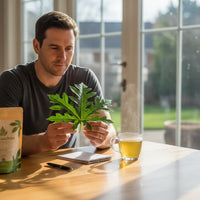
Boiling Papaya Leaves: Evidence-Aware Methods, Chemistry & Safe Brewing Tips

Papaya leaves have garnered considerable interest among home herbalists and wellness enthusiasts curious about their preparation through boiling. Whether you’re interested in traditional botanical practices or want to make a bitter brew more drinkable, understanding the chemistry of papaya leaf extraction, safety fundamentals, and practical steps is essential. This evidence-aware primer explains what really happens when you boil papaya leaves, compares boiling with other preparation methods like cold infusions and raw juices, gives actionable brewing and flavoring steps, and lays out important safety and tracking considerations—without straying into medical claims or sales language.
The Science of Boiling Papaya Leaves
Boiling papaya leaves is a widely used technique to extract plant compounds into water, creating a rich, bitter-tasting brew. When leaves are submerged in hot, simmering water, the cell walls soften and break down, releasing a range of naturally occurring plant constituents. The main elements affected include:
- Flavonoids and polyphenols: These water-soluble antioxidants are relatively stable at moderate temperatures and are commonly released into hot infusions.
- Alkaloids: Many plant alkaloids are soluble in hot water; gentle boiling can help draw these out but excessive heat or prolonged boiling may degrade some.
- Chlorophyll and enzymes: Heat typically destroys plant enzymes and can cause chlorophyll to degrade, contributing to both color and taste changes.
- Papain: This papaya-specific enzyme is sensitive to heat and may be largely inactive or lost from the brew during boiling.
Different boiling times and temperatures impact which compounds are present, how strong the flavor becomes, and the final color and aroma of your papaya leaf tea. A gentle simmer is typically favored over a hard boil, as this helps minimize loss of heat-sensitive compounds while adequately extracting beneficial elements.
Boiling vs. Cold Infusions and Raw Juices
You might wonder how boiling stacks up against other home-preparation methods:
Boiled Tea/Brew
- Pros: Extracts a wide range of water-soluble compounds quickly; can be consumed warm or cool; long tradition of use.
- Cons: Heat can destroy enzymes and denature some delicate phytochemicals; usually results in a bitter taste.
Cold Water Infusion
- Pros: Gentle, preserves more enzymes; milder flavor; may maintain some heat-sensitive compounds.
- Cons: Takes longer (several hours or overnight), may yield less concentrated extracts.
Raw Juice
- Pros: Retains most natural enzymes, full spectrum of raw plant compounds, potent flavor and aroma.
- Cons: Requires more preparation and equipment; flavor is extremely strong and bitterness pronounced; shelf life is short.
Factors Affecting the Extraction
Several key variables influence what’s actually drawn from the leaves during boiling:
- Leaf maturity: Younger leaves are typically less bitter and may have slightly different chemical profiles than mature ones.
- Water quality and ratio: Purified, filtered water is ideal. Too little water yields an overly strong brew; too much can dilute extraction.
- Duration and heat: A moderate simmer (not a rolling boil) for 10–20 minutes is commonly used to balance extraction and integrity of compounds.
- Leaf preparation: Chopped or torn leaves increase the exposed surface area, assisting more thorough extraction.
Safe, Practical Steps for Boiling Papaya Leaves at Home
Choosing high-quality papaya leaves can impact both the flavor profile and the concentration of natural compounds in your brew. For those who value convenience, Organic Papaya Leaf Tea | 24 Premium Bags – Caffeine-Free offers carefully sourced leaves ready for infusions, which align with traditional preparation but in a tea bag format.
Gathering and Preparing Your Leaves
- Sourcing: Seek organically grown papaya leaves, preferably from a trusted supplier like Herbal Goodness, or harvest from unsprayed trees.
- Inspection: Wash leaves thoroughly under running water. Remove any damaged spots or stems. Pat dry.
- Chopping: Roughly chop or tear leaves for optimal extraction, discarding coarse midribs if desired to reduce bitterness.
Step-by-Step Boiling Guide
- Portion: Measure about 2–3 fresh (or 1–2 dried) papaya leaves per quart (about 1 liter) of water.
- Combine: Place leaves in a glass, ceramic, or stainless-steel pot. Avoid reactive metals such as aluminum.
- Add Water: Cover with the appropriate amount of purified water.
- Simmer: Bring to a gentle simmer—do not let it vigorously boil. Keep the lid slightly ajar.
- Timing: Allow to simmer for 10–20 minutes, depending on desired strength.
- Strain: Remove from heat. Let cool briefly, then strain through a fine mesh or cheesecloth.
- Serve: The liquid may be enjoyed warm or cooled and refrigerated. Store unused portions in a covered container in the fridge for up to 48 hours.

Papaya leaf brew is famously bitter. To improve taste while maintaining the intent of your preparation, consider natural sweeteners or flavor additions. Adding herbs such as lemongrass, or a slice of citrus, can make the liquid more palatable without overwhelming the unique herbaceous notes of papaya leaf. Those looking for a more concentrated form may explore the Organic Papaya Leaf Extract 16oz | 15X Liquid – Best Value Size, which provides liquid extract from papaya leaves that can be diluted to create a quick tea or incorporated into recipes.
Flavoring Tips to Make It Palatable
Papaya leaf brew is famously bitter. To improve taste while maintaining the intent of your preparation, consider:
- Citrus: Add a slice of lemon or lime after straining.
- Herbal accents: Stir in a sprig of fresh mint or lemongrass for aroma and flavor layering.
- Spices: A dash of ginger or cinnamon can add warmth and mask bitterness.
- Natural sweeteners: Try local honey or a small amount of agave syrup, but use sparingly if sweetness is not desired.
- Cool and serve over ice: Chilling sometimes softens perceived bitterness.
Comparing Home Brewing Methods: Pros, Cons, and Sensory Qualities
Selecting the right preparation method depends on your goals, available tools, and tolerance for bitter flavors. Here’s how each method compares:
Boiling: Traditional and Reliable
Boiling is time-tested and practical. It’s suited for those wanting a quick water-based extraction using simple kitchen equipment. The notable bitterness may indicate the presence of extracted alkaloids and polyphenols, but may deter sensitive palates. Shorter simmer times moderate flavor intensity while still producing a noticeable aroma and greenish-brown color typical of papaya leaf brews.

For a shelf-stable option with standardized consistency, liquid extracts like Organic Papaya Leaf Extract 16oz | 15X Liquid – Best Value Size can be added to hot or cold beverages, offering a practical alternative for those who want reliable potency without boiling fresh leaves each time.
Cold Infusion: Gentle and Subtle
Cold infusions deliver a lighter, milder liquid that is usually easier to drink straight. This approach is best for those wanting to avoid bitterness or preserve fresh flavors. However, extraction is incomplete compared to boiling—some desired compounds may be left behind. Cold infusions can be prepared with Organic Papaya Leaf Tea | 24 Premium Bags – Caffeine-Free for a flexible home-brew option, especially for those sensitive to strong flavors.
Fresh Leaf Juice: Potent but Intense
Juicing papaya leaves yields the highest concentration of raw plant compounds but is also the most labor-intensive and results in the strongest, most challenging flavor. It’s rarely palatable without dilution or flavoring. Fresh juice should be used promptly and may be stored briefly in the refrigerator.

Sourcing, Storage, and Quality Considerations
- Freshness: Look for vivid green, unblemished leaves without visible wilting or discoloration.
- Source: Opt for organic, non-sprayed leaves from reputable suppliers, or carefully inspect homegrown specimens.
- Drying: If storing for later use, dry leaves thoroughly out of direct sunlight and keep them in airtight containers.
When considering dried or powdered forms of papaya for ease of use and storage, Papaya Leaf Extract 10X Capsules 600mg | Platelet & Digestive Aid can be another practical supplement, especially when brewing tea isn’t convenient.
- Brew: Store prepared brew in a clean, closed glass container in the refrigerator, ideally using within 48 hours.
- Dried leaves: Keep in an airtight jar away from direct sunlight and excess humidity; use within 6–12 months for best potency and flavor.
Recognizing Changes in Brew Quality
- Color: Freshly boiled papaya leaf brew is typically greenish or brownish; avoid using if the color has faded or appears cloudy.
- Aroma: Should have a grassy, vegetal aroma; sour or off smells indicate spoilage.
Safety, Precautions, and Tracking Your Experience
Although papaya leaf brew has a tradition of safe home use, certain practical considerations ensure it remains a positive part of your herbal exploration.
- Start small: Begin with a low concentration to assess personal taste tolerance and body responses.
- Monitor for sensitivities: Some individuals may be more sensitive—watch for changes in taste, aroma, or how you feel after sampling.
- Pregnancy and special groups: Anyone pregnant, breastfeeding, or managing a complex health situation should consult a knowledgeable clinician prior to use.
- Stop if uncertain: Discontinue use if you notice unwanted effects such as digestive discomfort, or any new, persistent changes.
- Medication interactions: If you take prescription medications, consult a pharmacist or healthcare professional before consuming herbal brews.
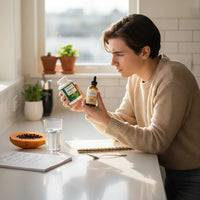
Keeping a log of each trial can help you become more aware of your experiences, especially as you experiment with different strengths or supplement with Papaya Leaf Extract 10X Capsules 600mg | Platelet & Digestive Aid.
Flavor Experimentation and Home Brewing: Inspiration with Awareness
Exploring papaya leaf brew in your kitchen is a chance to reconnect with botanical traditions and learn how preparation methods shape your sensory experience. With close attention to quality sourcing, careful brewing, thoughtful flavor additions, and guidance from knowledgeable resources and healthcare professionals, home preparation can be both safe and empowering. As you experiment, let curiosity and taste guide your journey—while tracking your observations and understanding the chemistry that makes papaya leaves truly unique.
Frequently Asked Questions
Question 1: What are the key compounds extracted when boiling papaya leaves?
Answer: Boiling releases water-soluble flavonoids, polyphenols, alkaloids, as well as some chlorophyll. Enzymes like papain are mostly heat-sensitive and are largely lost during boiling. For those looking to preserve more enzymes, options like Organic Papaya Leaf Extract 16oz | 15X Liquid – Best Value Size provide concentrated alternatives.
Question 2: How can I reduce the bitterness of papaya leaf tea?
Answer: To make papaya leaf brew more palatable, add lemon or lime, use a sprig of mint or lemongrass, or chill the liquid. Organic tea bag options such as Organic Papaya Leaf Tea | 24 Premium Bags – Caffeine-Free offer convenience for experimenting with flavors.
Question 3: Is there a convenient way to enjoy papaya leaf benefits without brewing?
Answer: Yes. Papaya Leaf Extract 10X Capsules 600mg | Platelet & Digestive Aid deliver papaya leaf in a capsule format, making supplementation easy and consistent.
Question 4: How do I store boiled papaya leaf brew safely?
Answer: Store the cooled brew in a sealed glass container in the refrigerator and use it within 48 hours. For long-term use, dried leaves or extracts like Organic Papaya Leaf Extract 16oz | 15X Liquid – Best Value Size offer extended shelf-life.
Question 5: Are there safety precautions for trying papaya leaf tea at home?
Answer: Start with a low dose, monitor your response, and consult a qualified healthcare provider if you are pregnant, breastfeeding, or on medications. If you wish to track your experiences, trying a standardized format such as Papaya Leaf Extract 10X Capsules 600mg | Platelet & Digestive Aid can help.
Question 6: Can I use dried papaya leaves instead of fresh for brewing?
Answer: Yes, dried papaya leaves can be used and have a longer shelf life. Use about 1–2 dried leaves per quart of water. For easier preparation, some choose Organic Papaya Leaf Tea | 24 Premium Bags – Caffeine-Free.
Question 7: How long do dried papaya leaves or extracts last?
Answer: Dried leaves last 6–12 months when stored properly in airtight, cool, and dry conditions, while unopened extracts like Organic Papaya Leaf Extract 16oz | 15X Liquid – Best Value Size have a longer shelf life as indicated on their packaging.
Curious about the practicalities of papaya leaf preparation? Always prioritize safe sourcing, careful brewing, and personal awareness on your botanical journey.
About the Author
Herbal Goodness Editorial Team
The Herbal Goodness Editorial Team specializes in holistic health and superfoods, blending science and nature to educate and empower our community.
Related Articles
Papaya Leaf Tea Benefits for Men: Traditions, Practical Use, and Safety Tips
Best Organic Papaya Seed Powder for Preserving Natural Enzymes
Is Drinking Herbal Tea Daily Healthy? Evidence‑Aware Habits and Safe Routines
Carica papaya Explained: How to Read Papaya Seed Extract Labels