





Best Oregano Oil Price Guide: Compare Quality Before You Buy

Shopping for oregano oil can be confusing, especially when prices for similar-looking supplements seem miles apart. Have you ever wondered why one oregano oil costs twice as much as another? Whether you’re shopping at a local natural products store or comparing herbs online, the price tag often reflects much more than just the label design. This guide will break down the hidden forces shaping oregano oil prices and give you practical tips to judge real value so you can make the best choice for your needs.
Import Rules and Tariffs: The First Step in Oregano Oil’s Price Journey
Before oregano oil lands on a store shelf, it might travel thousands of miles. Import rules and tariffs impact cost from the start. Many oregano oil supplements are sourced from regions like the Mediterranean, where the wild oregano plant naturally thrives. Each country has its own export requirements, which may include permits or other documentation.
Tariffs – or taxes on imports – vary by the country of origin and shipping destination. For U.S.-based brands such as Herbal Goodness, importing oregano oil or its raw materials can mean paying additional fees that are passed on in the final price. Fluctuations in international regulations, exchange rates, or customs delays can also nudge prices higher, especially for high-quality or wild-harvested oils. These factors affect the pricing spectrum not just for oregano but also for other imported herbal products, such as the Soursop Leaf Graviola Extract 15X Liquid | Organic Cell & Immunity, which are similarly subject to rigorous sourcing and compliance fees.
Organic and Testing Certifications: What Official Seals Really Mean for Cost
A big part of what you’re paying for is trust: the assurance that what’s in the bottle matches what’s promised. Third-party organic certifications, such as USDA Organic, come with annual inspection fees, audits, and paperwork that brands must maintain. These certifications can add significant overhead but also guarantee non-GMO sourcing and minimal pesticide use.
Additional testing certifications further impact cost. Oregano oil naturally contains volatile compounds, so reputable companies often notify consumers if the product is tested for purity, heavy metals, or residual solvents. When a brand pays for independent third-party labs to analyze their oregano oil, these extra assurances—resulting in a cleaner, more reliable product—can be a key price driver. This is similar to the standards applied to other herbal extracts like Organic Papaya Leaf Extract 16oz | 15X Liquid – Best Value Size, which also prioritize organic integrity and comprehensive lab testing.
Certifications may also mean tighter adherence to transparency and traceability standards, giving buyers confidence but requiring more investment by suppliers. For products that display clear badges and certificates on their packaging, like Oil of Oregano 75% Carvacrol | 2oz – Potent Immune & Antifungal Support, these backend costs are reflected in the final price.
Third-Party Lab Fees: Transparency as a Premium
Third-party lab testing has become a gold standard for premium oregano oil supplements. These lab tests often verify the concentration of carvacrol (oregano oil’s best-known active compound), screen for contaminants, and confirm the oil’s chemical fingerprint.
Lab fees can range from modest to significant, depending on the thoroughness of testing and the frequency required by some certifying bodies. When a label proudly states “third-party tested,” you’re often seeing the result of hundreds or even thousands of dollars invested in laboratory analysis during a single product batch. This level of transparency is valuable to many shoppers, but it’s also a substantial factor in cost per bottle. For consumers wanting the same degree of assurance, looking for matched details on herbal supplements such as Black Seed Oil 8oz | Cold-Pressed Nigella Sativa – Immune & Daily Wellness can be a wise move, as it reflects consistent standards across product lines.
Chemotype and Concentration Labeling: Decoding Potency and Price
Oregano oil quality isn’t just about the plant—it’s about the chemistry inside the bottle. Chemotype refers to the specific blend of naturally occurring compounds (like carvacrol and thymol) in an oregano oil sample. Some oils are bred or wild-harvested for higher carvacrol content, which is commonly prized and often fetches premium prices.
Concentration labeling, such as “70% carvacrol,” indicates potency level. To achieve higher concentrations, extra plant material and specialized distillation are required. The higher the guaranteed potency, the more resource-intensive and costly the process. Buyers should pay attention to whether the bottle specifies total carvacrol content, as this is often linked to both the quality and cost. Lower-priced products may not make potency claims or might not disclose chemotype at all. Reading concentration and chemotype information is as important for oregano oil as it is for potent immune-support extracts like Soursop Leaf Graviola Extract 15X Liquid | Organic Cell & Immunity.

Packaging and Shelf-Life: More Than Meets the Eye
Packaging is more than a marketing decision—it protects the purity and lifespan of oregano oil. Amber or cobalt glass bottles, for instance, block light to help preserve freshness and prevent ingredient breakdown. Airtight, UV-filtered bottles can add a slight premium but extend shelf stability. Plastic bottles may be cheaper but can degrade oil quality over time.
Many brands include droppers or secure caps for easy dosing and to minimize waste. Shelf-life considerations, such as vacuum-sealed packaging and tamper-evident breaks, also signal care and contribute to pricing. These design choices ensure you’re investing in oregano oil that stays potent from first drop to last. For discerning consumers, opting for products with advanced packaging, as seen in the Organic Papaya Leaf Extract 16oz | 15X Liquid – Best Value Size, can be one way to ensure optimal freshness and safety.
Small-Batch vs. Commodity Production: Why Scale Changes the Price Equation
Not all oregano oil is made at the same scale. Small-batch operations—where product is crafted in limited quantities and often with strict attention to detail—generally result in higher prices but more hands-on quality control. These batches might use wild or organic plants, traditional distillation techniques, and meticulous tracking through each step.
Commodity or mass-produced oregano oils can leverage economies of scale, reducing costs per volume but sometimes sacrificing detailed oversight. The difference in price might reflect everything from the sourcing of wild oregano to batch-by-batch variance. Buyers who crave artisan quality, personalized attention, and traceability may find small-batch options better suited—even at a higher price point. This kind of production model is also favored by other specialized herbal extracts for enhanced integrity and transparency.
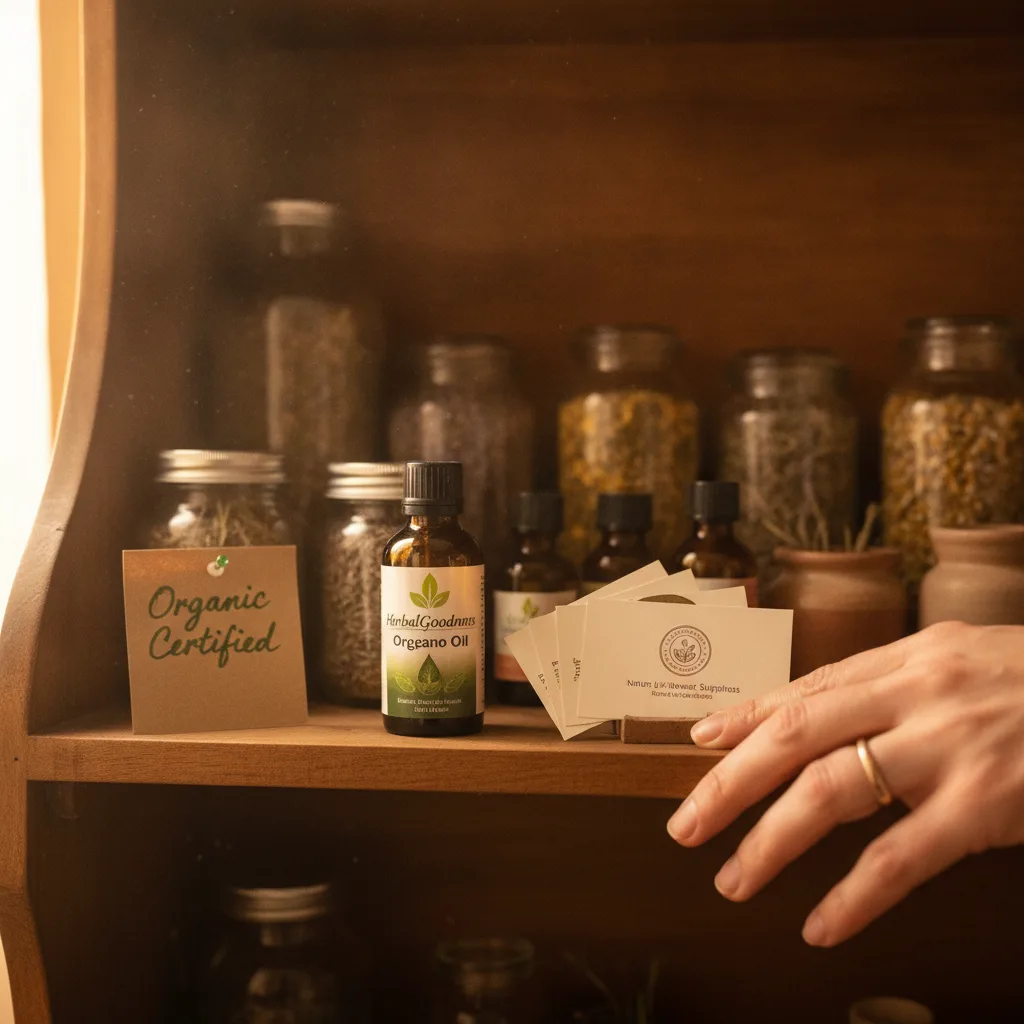
Practical Tips: How to Assess True Value Beyond Sticker Price
With so many variables, it can be hard to judge what you’re really getting for your money. Here are a few ways to go beyond price and make an informed investment:
- Check for Transparency: Reputable companies provide batch numbers, lab reports, and sourcing details. Look for specifics on the label or the brand’s website when evaluating supplements like Oil of Oregano 75% Carvacrol | 2oz – Potent Immune & Antifungal Support.
- Verify Authenticity and Potency: Does the product list carvacrol content and chemotype? Higher carvacrol is often worth a higher price when transparency is evident, a principle that also applies to selected immune-support formulas such as Soursop Leaf Graviola Extract 15X Liquid | Organic Cell & Immunity.
- Certifications Matter: Organic and third-party test certifications tend to improve food safety and traceability, typically resulting in fair-cost, higher-integrity products. If you value these, you might also appreciate the detailed testing and certification procedures found with Organic Papaya Leaf Extract 16oz | 15X Liquid – Best Value Size.
- Consider Packaging Quality: Glass bottles and tamper-resistant closures often signal better preservation of the oil’s potency.
- Assess Shelf-Life: Proper packaging and clear “best by” dates ensure your supplement remains effective through its intended use.
- Determine Production Scale: Decide if you prefer artisan small-batch quality—which may justify a higher cost—or if mass production aligns with your expectations and needs.
- Calculate Cost Per Use: Compare not just the price per bottle but per serving or drop, factoring in listed potency for apples-to-apples evaluation.
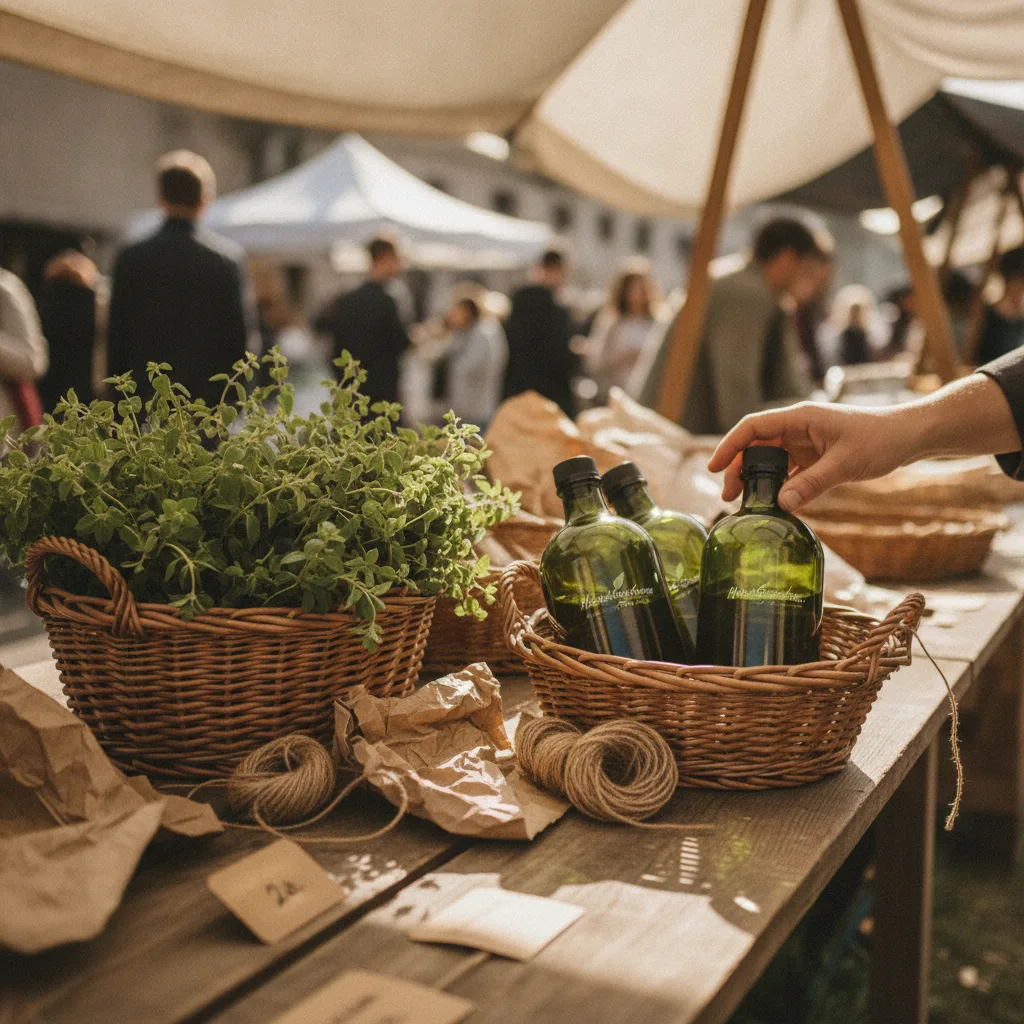
Reading a Label: A Shopper’s Oregano Oil Checklist
To bring it all together, here’s a simple, cost-focused checklist for comparing oregano oil supplements like an expert:
- Batch/lot number visibly printed
- Carvacrol concentration or chemotype stated
- Third-party testing badge (or reference to lab analysis)
- Organic or other certifications visible
- Glass, light-protective packaging
- Transparent sourcing (wild, organic, region)
- Expiration date and usage instructions clearly listed
If most of these boxes are checked, a higher upfront cost might be justified by the lasting quality, reliability, and peace of mind you’re purchasing with your oregano oil supplement.
Understanding the Real Cost vs. Value Perspective
It’s natural to be price-sensitive, but value is a bigger picture. Higher cost doesn’t guarantee the best product, but certain price drivers—like transparency, clean sourcing, detailed testing, and quality packaging—often bring you added assurance and consistency. By looking past the sticker and understanding what your money supports, you’ll be equipped to buy oregano oil that truly aligns with your priorities for safety, integrity, and quality.
Whether you’re new to oregano oil or looking to upgrade your supplement routine, grounding your choice in facts—rather than price alone—leads to a smarter, more satisfying wellness experience.
Frequently Asked Questions
Question 1: Why does oregano oil cost more than other herbal oils?
Answer: Oregano oil prices are influenced by factors like third-party testing, organic certifications, and meticulous small-batch production. Similar price drivers also impact other trusted products such as Organic Papaya Leaf Extract 16oz | 15X Liquid – Best Value Size, which require extensive oversight to certify quality.
Question 2: How important are certifications on oregano oil labels?
Answer: Certifications like USDA Organic and third-party lab testing are strong indicators of product purity and traceability. High-quality certified products, for example Oil of Oregano 75% Carvacrol | 2oz – Potent Immune & Antifungal Support, are worth considering for peace of mind.
Question 3: What is carvacrol content and why does it matter?
Answer: Carvacrol is oregano oil’s key active compound, and higher percentages usually mean greater potency. Detailed labeling, like "75% carvacrol" on Oil of Oregano 75% Carvacrol | 2oz, indicates product strength and potential efficacy.
Question 4: Does packaging really affect oregano oil quality?
Answer: Yes, packaging like amber glass or tamper-evident seals protects against light and air to prolong freshness and potency. This is a consideration for other extracts too, such as Soursop Leaf Graviola Extract 15X Liquid | Organic Cell & Immunity, where packaging maintains product quality.
Question 5: Is it worth paying more for small-batch oregano oil?
Answer: Small-batch production often signals added care, consistent potency, and strict traceability. These features can justify spending more for products with clear batch identification and robust transparency.
Question 6: How do I know if an oregano oil is truly organic and pure?
Answer: Check for visible certification seals and references to lab testing on both the label and the brand’s site. For high-purity formulas, look for similar transparency as found in Black Seed Oil 8oz | Cold-Pressed Nigella Sativa – Immune & Daily Wellness.
Question 7: What practical tips help me get the best value in oregano oil?
Answer: Always verify carvacrol percentage, packaging type, certifications, and transparency regarding sourcing. Consider lab-tested and certified products such as Oil of Oregano 75% Carvacrol | 2oz – Potent Immune & Antifungal Support for best results.
Before choosing your next oregano oil supplement, consider the whole sourcing and quality story behind the price tag. Balancing transparency, potency, and packaging with your own best priorities ensures you get true value.
About the Author
Herbal Goodness Editorial Team
The Herbal Goodness Editorial Team specializes in holistic health and superfoods, blending science and nature to educate and empower our community.
References
Oregano Oil vs. Black Seed Oil: Sensory & Sourcing Guide
Introducing Graviola to Young Taste Buds: Fun, Family-Friendly Flavor Exploration
Graviola in the Classroom and at Home: Creative Activities to Teach Kids About Tropical Plants
Share this

Popular posts


FAQs
1. What are the main benefits of drinking bamboo leaf tea?
Drinking bamboo leaf tea supports hydration, relaxation, skin wellness, and antioxidant balance.
2. What is bamboo leaf extract used for?
It’s used for general body wellness, skin elasticity, hair and nail support, and overall vitality.
3. Can bamboo leaf help with skin care and body wellness?
Yes, bamboo leaf is rich in silica and antioxidants, which promote healthy skin, strong nails, and a youthful glow.
4. What forms of bamboo leaf are available?
You can find dried bamboo leaf, powder, extract, drops, oil, and bamboo leaf green tea.
5. Are there any side effects of bamboo leaf?
Bamboo leaf is generally safe when consumed in moderation. Always consult your healthcare provider before starting any new herbal supplement.