





Best Bamboo Species for Tea: Grow, Harvest, and Brew at Home

Curious about bringing a touch of green tranquility and self-reliance to your daily cup? If the idea of sipping tea from your own handpicked, homegrown bamboo leaves stirs your imagination, you’re not alone. Growing bamboo for tea is an accessible project, whether you have a garden plot or just sunny corner pots. This beginner’s guide breaks down everything you need to know: selecting suitable bamboo species for small spaces, harvesting leaves thoughtfully, drying and storing them with ease, and crafting simple bamboo tea to elevate your plant-forward rituals.
Discovering Bamboo as a Tea Plant: Why Homegrown Matters
Bamboo, long prized for its vigorous growth and lush foliage, has also been valued for its leaves in traditional teas. Choosing to grow your own bamboo for tea connects you more closely to your wellness habits and can provide a sustainable, beautiful addition to your home or garden. Homegrown bamboo tea leaves offer reassurance about sourcing quality and give you the flexibility to blend and brew according to your own preferences. If you're interested in silica-rich plant infusions, Bamboo Leaf Tea 24 Bags | Nature's Silica – Collagen & Biotin Support made from premium bamboo leaves is another excellent option for wellness and vitality.
Unique Appeal of Growing Your Own Bamboo
- Freshness assurance: You control harvest timing for optimal leaf flavor.
- Sustainability: No transport or packaging waste—just fresh-cut leaves.
- Customization: Experiment with blends, ratios, and brewing times.
- Aesthetic enrichment: Bamboo is visually striking and easy to care for in many climates.
Choosing Your Bamboo: The Best Bamboo Species for Small Spaces and Tea Leaves
Selecting the right bamboo species is crucial for beginners who dream of harvesting leaves for tea but don’t want their garden (or pots) overrun. When searching for the best bamboo species for tea, focus on clumping bamboo types, which grow in tight clusters and don’t spread aggressively. This makes them ideal for containers, patios, and compact gardens.
Top Beginner-Friendly Bamboo Species for Tea
- Bambusa multiplex (‘Hedge Bamboo’): Compact, cold-tolerant, popular for small gardens.
- Bambusa textilis (‘Weaver’s Bamboo’): Tall but narrow and elegant, adaptable to pots.
- Phyllostachys nigra (‘Black Bamboo’): Striking black culms, moderate size in containers.
- Pleioblastus distichus: Dwarf species with fine, flavorful leaves—ideal for very limited space.
Factors to Consider
- Climate suitability: Check your USDA hardiness zone and choose bamboo accordingly.
- Container growing: Pick a species that tolerates pots if you don’t have garden soil.
- Leaf flavor: Young, tender leaves are generally preferred for tea.
- Maintenance: Clumping types require occasional thinning, not containment barriers.
Sourcing and Planting Bamboo at Home
Once you’ve identified the right variety, look for reputable nurseries or garden centers that offer bamboo starts for culinary or ornamental use. Ensure your chosen species is pesticide-free and suitable for human consumption if you plan to use the leaves for tea. In addition to growing your own, you can try curated blends such as Bulk Loose Leaf Teas & Tisanes - Organic 4oz - Herbal Wellness Teas, which offer diversity in wellness teas while your plants mature.
- Site: Choose areas with bright, filtered light or morning sun.
- Soil: Bamboo likes rich, well-drained soil; amend with compost as needed.
- Watering: Keep soil moist but not soggy, especially in containers.
- Spacing: Allow at least 2–3 feet for clumping bamboo clusters.
Harvesting Bamboo Leaves for Tea: Best Practices and Timing
Proper harvesting ensures healthy plants and tasty tea leaves. Bamboo shoots and leaves grow rapidly, but mindful picking helps the plant thrive and maximizes tea quality.
When to Harvest Bamboo Leaves
- Mature plants: Wait until bamboo is at least one year old before harvesting leaves.
- Season: Early morning in late spring or summer is ideal—leaves are freshest and at their peak.
- Which leaves: Choose young, tender leaves from the upper sections, avoiding older, tough foliage.
How to Harvest Responsibly
- Use clean scissors or shears: Avoid damaging the plant by clipping leaves individually.
- Harvest sparingly: Never take more than one-third of the foliage from a single stem to support regrowth.
- Inspect leaves: Only collect healthy, unblemished leaves—free from visible damage or pests.
- Rinse gently: After harvesting, rinse leaves in cool water to remove dust and residue.
If you're seeking a convenient start, herbal tea lovers might also enjoy Herbal Tea Trio – Build-Your-Own Bundle | Mix & Match Any 3 USDA Organic Herbal Teas & Save 20%, which allows you to explore various leaf teas, including bamboo leaf, alongside your homegrown efforts.
Drying and Storing Bamboo Leaves for Homemade Tea
Once harvested, quick, careful drying preserves flavor and extends the shelf life of your bamboo leaves. You’ll want to store them in a way that maintains their aroma and freshness for weeks to come.
Simple Drying Methods
- Air drying: Spread leaves in a single layer on a clean screen or tray and place in a cool, dry area away from direct sun. Turn leaves daily for even drying. Expect 1–2 weeks for thorough drying, depending on humidity.
- Oven drying (for a faster process): Set your oven to the lowest temperature (120–150°F or below) and dry leaves on a parchment-lined tray for 1–2 hours, checking often to avoid over-drying.
Storing Dried Bamboo Leaves
- Cool, airtight container: Store the fully dried leaves in a glass jar or tea tin, away from heat and light.
- Label: Mark the date of harvest for freshness reference.
- Inspect regularly: Check for any signs of moisture or spoilage before use.
- Ignore crumbled leaves: Smaller pieces are perfect for tea baskets or infusers. For even more convenient storage and preparation, Bamboo Leaf Organic 15X Liquid Extract | Silica, Collagen & Biotin offers potent bamboo essence in a handy dropper bottle.
Making Simple Wellness Cups: Brewing and Blending Homegrown Bamboo Leaf Tea
Savoring a cup made with your own leaves is a ritual that connects you with the rhythm of each season. Bamboo leaf tea is typically light and subtly grassy, excellent as a standalone infusion or as a gentle blending base with other botanicals.
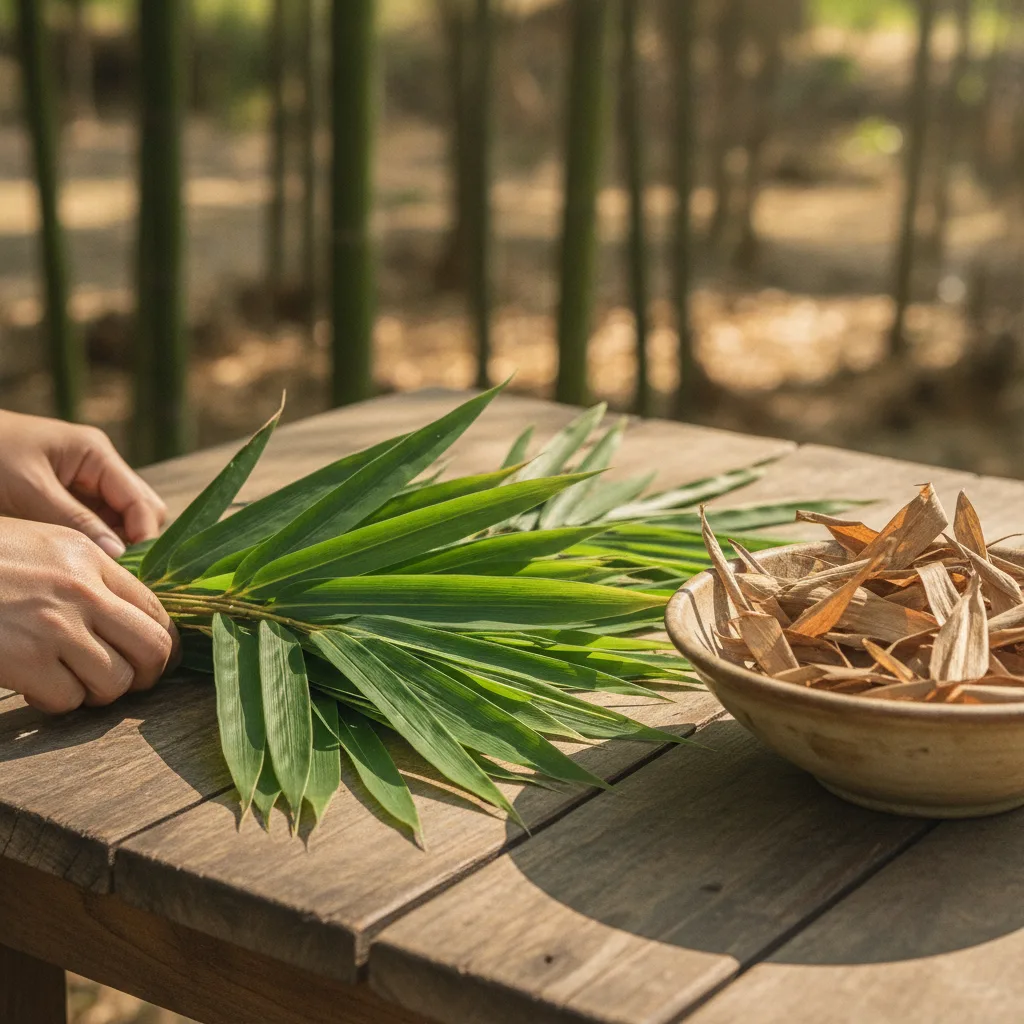
How to Brew Bamboo Leaf Tea
- Measure: Use 1–2 teaspoons of dried bamboo leaves (or a small handful of fresh leaves) per cup.
- Steep: Place leaves in an infuser or teapot. Pour hot (not boiling) water—ideally around 175–185°F.
- Wait: Let steep for 5–7 minutes. Taste and adjust steeping time or amount to your liking.
- Strain and serve: Enjoy plain, or with a slice of lemon or sprig of mint. If you're experimenting with blends, mixing in botanicals from Wellness Tea Blends – 4oz Organic Premium Herbal Infusions adds depth and enhances your tea experience.
Optional Blending Ideas
- With lemongrass: For extra brightness and layered aroma.
- With dried citrus peel: Lends gentle sweetness and depth.
- With mint: Provides a cooling effect, great for iced tea.
For those seeking a silica boost for hair and skin, a few drops of Bamboo Silica + Biotin Hair Growth Extract | 15X Liquid | Natural Hair & Follicle Support can be taken alongside your daily tea ritual.
Everyday Rituals With Bamboo Tea
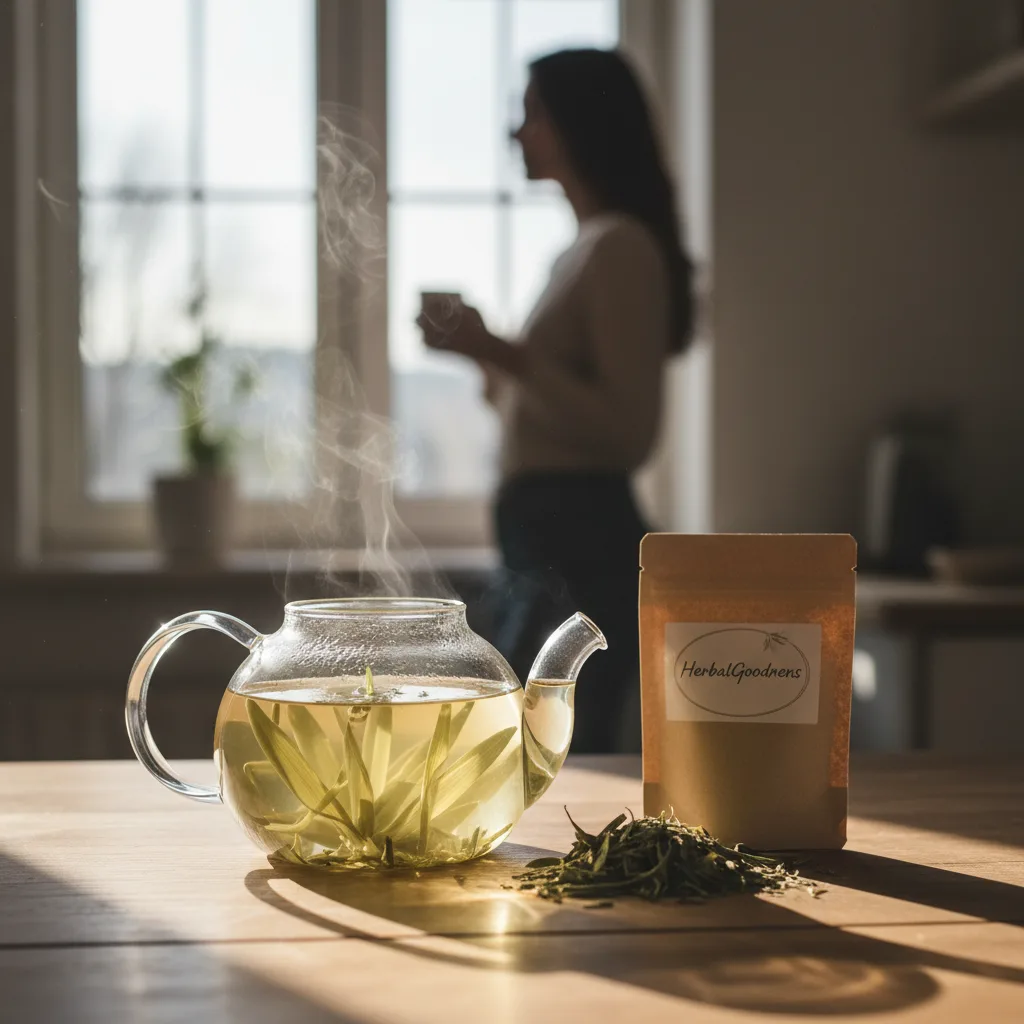
Drinking bamboo leaf tea can be part of meditation, relaxation, or simply as a mindful plant-forward break. Experiment with different brewing strengths, steeping times, or combinations to find what brings the most comfort or clarity to your day.
Tips for Thriving Bamboo Plants and Consistent Harvests
To enjoy a steady supply of leaves for tea, keep your bamboo healthy:
- Fertilize in spring: Use an organic, slow-release fertilizer to support lush growth (following package instructions).
- Water consistently: Especially in pots, monitor soil moisture closely during hot months.
- Prune for shape: Remove dead or yellowing stems and thin inner shoots for air circulation.
- Monitor for pests: Inspect regularly and remove any visible insects by hand; avoid chemical sprays on harvestable leaves.
If you enjoy exploring different plant-based teas for health, Soursop Leaf Tea | Organic Graviola 24 Bags | Soursop Tea Benefits for Immunity & Wellness is another caffeine-free, antioxidant-packed infusion that sits beautifully alongside your bamboo creations.
What to Expect: Taste and Wellness Traditions of Bamboo Leaf Tea
Bamboo leaf tea is celebrated in some cultures for its gentle, earthy taste and soothing presence in daily rituals. Although research is still emerging, bamboo leaves are known to contain silica, flavonoids, and chlorophyll—compounds long appreciated in plant-forward wellness practices.

While many enjoy the calming effect and delicate aroma of homegrown bamboo tea, remember that every home harvest is unique. Allow yourself to experiment and trust your senses to guide the process. If you’d like to sample a ready-to-enjoy option for comparison with your homemade version, Bamboo Leaf Tea 24 Bags | Nature's Silica – Collagen & Biotin Support is a highly rated, convenient choice for starting your tea ritual right away. Furthermore, those exploring broader herbal infusions could consider Guava Leaf Tea Organic 24 Bags | Immunity & Gut Wellness – Caffeine-Free, which adds even more diversity to your wellness tea routine.
Getting Started: Your First Steps
- Visit a local nursery or trusted online supplier to source a clumping bamboo suited for tea use.
- Prepare a roomy pot or small garden spot, enrich with compost, and provide regular watering.
- Harvest thoughtfully, dry leaves patiently, and delight in crafting your own fresh infusions.
If you crave more variety on your plant-based wellness journey, discover Organic Hibiscus Tea 24 Bags | Heart Health & Antioxidant Wellness for a vibrant, tangy companion to bamboo leaf tea. Your bamboo-growing adventure can be both grounding and rewarding—enriching your tea habits with a new appreciation for the plants you nurture yourself.
Frequently Asked Questions
Question 1: Which bamboo species are best for tea if I have limited space?
Answer: Clumping bamboo species such as Bambusa multiplex (‘Hedge Bamboo’) and Pleioblastus distichus work well in pots and small spaces. For a convenient option, try ready-to-use Bamboo Leaf Tea 24 Bags | Nature's Silica – Collagen & Biotin Support.
Question 2: How do I dry bamboo leaves properly for tea?
Answer: Air drying in a single layer in a cool, dry area works best. Leaves can also be oven dried at very low temperatures. If you prefer convenience, Bamboo Leaf Organic 15X Liquid Extract | Silica, Collagen & Biotin provides bamboo leaf benefits easily.
Question 3: Can I mix bamboo leaf tea with other botanicals?
Answer: Yes, bamboo leaf tea is a gentle base for blends. Try combinations with herbs from Wellness Tea Blends – 4oz Organic Premium Herbal Infusions for variety.
Question 4: Is bamboo leaf tea good for skin or hair health?
Answer: Bamboo leaves are rich in silica, valued for supporting collagen and hair growth. Consider Bamboo Silica + Biotin Hair Growth Extract | 15X Liquid | Natural Hair & Follicle Support for added support alongside your homemade tea.
Question 5: Where can I get high-quality bamboo leaf tea products?
Answer: For convenience and purity, explore Bamboo Leaf Tea 24 Bags | Nature's Silica – Collagen & Biotin Support and Bulk Loose Leaf Teas & Tisanes - Organic 4oz - Herbal Wellness Teas for trusted sources.
Question 6: Are there other herbal tea options that pair well with bamboo leaf tea?
Answer: Yes! Try Soursop Leaf Tea | Organic Graviola 24 Bags | Soursop Tea Benefits for Immunity & Wellness or Organic Hibiscus Tea 24 Bags | Heart Health & Antioxidant Wellness for enjoyable blends.
Ready to begin your own plant-forward tea ritual? Grow, harvest, and brew bamboo leaves at home for a rewarding and sustainable way to enjoy nature’s gentle flavors.
About the Author
Herbal Goodness Editorial Team
The Herbal Goodness Editorial Team specializes in holistic health and superfoods, blending science and nature to educate and empower our community.
References
Introducing Graviola to Young Taste Buds: Fun, Family-Friendly Flavor Exploration
Graviola in the Classroom and at Home: Creative Activities to Teach Kids About Tropical Plants
Why Social Impact Matters in Plant-Based Wellness
Share this

Popular posts


FAQs
1. What are the main benefits of drinking bamboo leaf tea?
Drinking bamboo leaf tea supports hydration, relaxation, skin wellness, and antioxidant balance.
2. What is bamboo leaf extract used for?
It’s used for general body wellness, skin elasticity, hair and nail support, and overall vitality.
3. Can bamboo leaf help with skin care and body wellness?
Yes, bamboo leaf is rich in silica and antioxidants, which promote healthy skin, strong nails, and a youthful glow.
4. What forms of bamboo leaf are available?
You can find dried bamboo leaf, powder, extract, drops, oil, and bamboo leaf green tea.
5. Are there any side effects of bamboo leaf?
Bamboo leaf is generally safe when consumed in moderation. Always consult your healthcare provider before starting any new herbal supplement.