Beginner’s Guide to Using Soursop Leaves for Natural Dyes and Eco Crafts

Curious crafters seeking fresh, earth-friendly ways to color their projects are often drawn to nature’s palette of leaves, flowers, and roots. Among the lesser-known but uniquely versatile options are soursop leaves, which offer gentle, plant-based color for eco-conscious dyeing and creative crafts. This guide will walk you through everything you need to know about using soursop leaves for natural dyes and crafts—from safe extraction methods and simple chemistry to sustainable sourcing and practical recipes for personal projects. Whether you’re looking to add a subtle green wash to silk, upcycle a plain cotton scarf, or tint your own handmade paper, this primer opens the door to nature-inspired creativity with soursop leaves, step by step.
Why Choose Soursop Leaves for Natural Dyes and Crafts?
Soursop (Annona muricata) is a tropical evergreen tree whose leaves are traditionally valued in various regions for their plant-based uses. While soursop's fruit is the most famous part of the plant, its leaves also contain pigments that render beautiful, subtle hues in craft dyeing projects. Using soursop leaves as a dye source is an eco-friendly and low-waste alternative to synthetic dyes, connecting your creative process to nature while keeping materials gentle and biodegradable.
Advantages of Soursop Leaf Dyeing for Beginners
- Gentle color tones, especially soft green and olive hues
- Simple, food-safe processes can be used
- Minimal equipment—just pots, jars, and kitchen tools
- Leaves can be ethically foraged, upcycled, or bought from sustainable sources
- Low-waste and compostable byproducts
Harvesting and Sourcing Soursop Leaves: What to Know
Choosing and preparing your leaves is one of the most important first steps in eco dyeing. Here are some guidelines for gathering or sourcing soursop leaves safely and ethically:
Sourcing Options
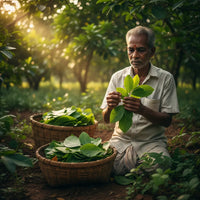
- Fresh leaves: Often found in tropical or international markets, or harvested from homegrown soursop trees.
- Dried leaves: Available in global groceries, herbal shops, or online as food-grade botanicals. Dried leaves tend to yield a paler dye bath than fresh ones.
Ethical Harvesting & Sustainability
- Only harvest healthy, mature leaves—avoid overplucking from any one tree.
- Choose unsprayed and chemical-free leaves whenever possible.
- Use local, sustainable brands like Herbal Goodness if buying packaged leaves for crafts.
- Compost leftover plant material after dye extraction.
The Science of Soursop Leaf Dye: How Pigment Extraction Works
Soursop leaves are rich in plant compounds such as tannins and chlorophyll, which impart color when steeped or simmered in water. The shade and intensity of the resulting dye depend on factors like leaf freshness, extraction method, fiber type, and pH of the dye bath. Here's how you can make the most of this natural pigment:

Pigment Profile and Expected Color Ranges
- Fresh leaves: Typically yield soft to medium olive greens, sometimes with yellowish undertones.
- Dried leaves: Generate lighter colors, often subtle pale green or light tan.
- Fibers: Protein-based fibers (like silk and wool) pick up color differently than cellulose fibers (cotton, linen, or paper). Silk tends to absorb soursop dyes best.
For those interested in boosting their natural dye palette with plant-based products, Soursop Leaf Graviola Extract 15X Liquid | Organic Cell & Immunity provides concentrated soursop compounds that can complement traditional dye baths and crafts.
How Processing Method Changes Soursop Leaf Dye Results
The age and condition of your soursop leaves have a direct impact on your dye bath. Here’s what you can expect:
Fresh vs. Dried Leaves
Fresh Leaves:
- Offer deeper, more vibrant colors
- Contain more live plant pigment
- May need a longer simmering time to release their hues
Dried Leaves:
- Simpler to store and use year-round
- Lend a lighter, subtler wash of color
- Useful for delicate tints, papers, or layering with other botanicals
Crafters who want a convenient way to enjoy soursop’s benefits year-round might appreciate the versatility of Soursop Leaf Tea | Organic Graviola 24 Bags | Soursop Tea Benefits for Immunity & Wellness, perfect for both herbal use and as a dye source.
Preparing to Dye: Food-Safe Mordants and pH Adjustments
Natural dyes like those from soursop leaves can be made more permanent with the right setting agents and pH tweaks. Here’s how to keep things food-safe and beginner-friendly:
Common Food-Safe Mordants
Mordants help “fix” dyes onto fibers. For home crafts, stick to safe kitchen options:
- Vinegar (acetic acid): Helps set color on protein fibers
- Salt (sodium chloride): Used for cotton or cellulose fibers
- Soak your material in a solution of water with either vinegar or salt before dyeing
Adjusting pH for Better Color
- Acidic baths (lemon juice, vinegar) produce warmer, yellow-green shades
- Alkaline baths (a pinch of baking soda) create cooler, greener tones
- Test your bath by dipping a pH strip or observing color change as you add these household ingredients

Step-by-Step: Extracting Soursop Leaf Pigment for Dyeing
Follow this basic process to prepare a small-batch soursop leaf dye bath:
- Weigh or measure out your leaves—about 1 cup of leaves per 2 cups of water for small items
- Rinse leaves gently to remove dust
- Tear or cut leaves into smaller pieces for better extraction
- Place leaves in a pot or heat-safe jar and cover with water
- Simmer gently (do not boil) for 30–60 minutes, checking the color often
- Strain out the leaves and reserve the liquid dye
- Use immediately for best results
Note: Larger volumes or thicker fibers may require more leaves or multiple extractions.
Easy Project 1: Dyeing a Cotton or Silk Scarf with Soursop Leaf Dye
Try this simple small-batch recipe to tint a plain scarf:
Materials Needed
- 1 plain cotton or silk scarf
- 1–2 cups fresh or dried soursop leaves
- Water
- Salt (for cotton) or vinegar (for silk)
- Stainless steel or glass pot
Instructions
- Pre-wash your scarf in warm water (no detergent)
- Mordant: Soak cotton in warm water with a tablespoon of salt, or silk in water with a tablespoon of vinegar, for 30 minutes
- Prepare dye bath as described above
- Place damp scarf into strained dye bath—make sure it’s fully submerged
- Gently simmer for 45–60 minutes, moving occasionally for even color
- Remove scarf, rinse under cool water until excess dye runs clear
- Hang to air dry away from direct sunlight
Results: Expect muted olive tones on silk, and softer green-yellow on cotton!
If you’re looking for a gentle and effective soursop product for creative or wellness applications, check out Soursop Leaf Graviola Extract 15X Liquid | Organic Cell & Immunity for a versatile option.

Easy Project 2: Handmade Paper Tinted with Soursop Leaf Dye
For a fun, low-waste craft, use soursop leaf dye to give homemade or recycled paper sheets a gentle tint.
Materials Needed
- Pre-shredded paper or commercial paper pulp
- Soursop leaf dye bath (fresh or dried leaves)
- A mold & deckle or a simple mesh screen
- Basin and water
Instructions
- Prepare your paper pulp as usual in water
- Add 1–2 cups of strained soursop leaf dye
- Blend or mix thoroughly so dye disperses evenly
- Pour onto mold & deckle, drain away liquid
- Carefully press and dry as you would for normal handmade paper
Results: You’ll notice subtle speckling or gentle green tints—perfect for stationery, cards, or tags!
For a twist on natural crafts, consider pairing your dyeing projects with botanical wellness using Raw Sea Moss 8oz Bag | St. Lucia Wildcrafted – Nature's Multivitamin for a full spectrum of natural ingredients.
Experimenting with Color: Simple pH and Layering Tests for Creative Results
One of the joys of plant-based dyeing is playing with variables to achieve custom shades. Here’s how to experiment safely:
- Divide your strained dye bath into smaller jars
- Add a few drops of lemon juice to one (acid bath), baking soda to another (alkaline bath), and leave one neutral
- Dip small test swatches of your fiber or paper in each solution to observe color differences
- Record your results for future reference!
You can also layer soursop dye with other natural plant dyes for more complexity—always test first on scraps before dyeing your main project. If experimenting with new ingredients, try using Soursop Leaf Tea | Organic Graviola 24 Bags | Soursop Tea Benefits for Immunity & Wellness as a blendable base.
Caring for Soursop-Dyed Crafts: Longevity and Low-Waste Tips
While natural dyes are inherently more subtle and may shift over time than synthetic colors, you can extend the life and vibrancy of your soursop-dyed crafts with these tips:
- Hand wash gently in cool water with mild soap (avoid detergents)
- Dry in the shade to minimize fading
- Store out of direct sunlight and away from harsh cleaners
- Compost worn-out crafts at the end of their lifespan for maximum sustainability
When incorporating plant-based projects into daily routines or holistic well-being, explore the benefits of Raw Sea Moss 8oz Bag | St. Lucia Wildcrafted – Nature's Multivitamin to support an eco-conscious lifestyle.
Crafting Mindfully: Respecting Nature and Your Creative Process
Working with soursop leaves for dyes isn’t just about color—it’s about engaging thoughtfully with materials, learning from seasonal shifts, and honoring the resourcefulness embodied in traditional craft. By choosing food-safe, low-impact processes and sourcing responsibly, your creative projects can both celebrate and sustain the natural world around you.
For beginners and seasoned makers alike, soursop leaf dyeing offers a unique entry to plant-based crafts that’s gentle on the planet and your hands. Every scarf, page, or handmade card tells a green story, and with mindful attention, you can nurture both your skills and the landscapes that inspire them.
Frequently Asked Questions
Question 1: Can I use soursop leaf tea bags instead of fresh leaves for dyeing?
Answer: Yes, Soursop Leaf Tea | Organic Graviola 24 Bags | Soursop Tea Benefits for Immunity & Wellness works as a convenient alternative. Simply steep the tea bags to create your dye bath, but expect the colors to be lighter than with fresh leaves.
Question 2: Is plant-based soursop leaf dye safe for sensitive skin or sustainable clothing?
Answer: Natural soursop dye is generally gentle for textiles and crafts. If you're looking for added wellness, you might also consider Soursop Leaf Graviola Extract 15X Liquid | Organic Cell & Immunity as it’s formulated to be natural and eco-friendly.
Question 3: How do I store soursop leaves for dyeing later?
Answer: You can dry the leaves and keep them in an airtight container away from sunlight. Alternatively, try using Soursop Leaf Tea | Organic Graviola 24 Bags | Soursop Tea Benefits for Immunity & Wellness for longer shelf life.
Question 4: Can I combine soursop leaf dye with other natural dyes?
Answer: Absolutely. Experiment by layering with botanicals such as Raw Sea Moss 8oz Bag | St. Lucia Wildcrafted – Nature's Multivitamin to enhance your project’s complexity and shades.
Question 5: What is the best way to make the natural dye color last on fabric?
Answer: Pretreat fibers using food-safe mordants (like salt or vinegar) and wash gently. Using concentrated products, like Soursop Leaf Graviola Extract 15X Liquid | Organic Cell & Immunity, can help intensify and maintain color.
Question 6: Are there wellness benefits to using soursop products beyond crafts?
Answer: Soursop Leaf Graviola Extract 15X Liquid | Organic Cell & Immunity and Raw Sea Moss 8oz Bag | St. Lucia Wildcrafted – Nature's Multivitamin both offer wellness support as part of a holistic lifestyle.
Ready to try natural dyeing at home? Gather fresh or dried soursop leaves and explore low-waste, botanical color with easy starter projects. Each experiment brings you closer to the creative joy of earth-friendly crafts.
About the Author
Herbal Goodness Editorial Team
The Herbal Goodness Editorial Team specializes in holistic health and superfoods, blending science and nature to educate and empower our community.
Related Articles
Best Soursop Leaf Extract? Compare Quality Before You Buy
Exploring Soursop: Traditional Uses and the Evidence Behind Its Folk Reputation
How to Order Soursop Bitters: A Guide to Ethical Sourcing Choices
Soursop Extract Price Guide 2026: Tea, Powder, Tincture & Capsules