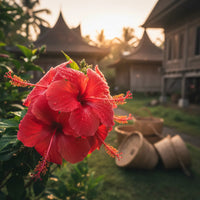
Beginner’s Guide to Brewing Hibiscus Tea: Hot, Cold, and Flavored Methods

Brewing hibiscus tea at home is a rewarding way to explore vibrant flavors, enjoy beautiful shades of ruby red, and connect with a tradition cherished around the globe. If you're new to working with dried hibiscus petals, understanding the steps, ratios, timing, and flavor pairings can make all the difference. This guide will walk you through the essentials—from choosing your hibiscus petals and perfecting your water-to-tea ratio, to experimenting with classic flavor add-ins and making sure your tea stays fresh and delicious.
Understanding Hibiscus Tea: Dried Petals and Their Magic
Dried hibiscus petals, usually from Hibiscus sabdariffa, are well known for their lively color and tart, cranberry-like taste. When steeped in water, they produce an infusion beloved for its zing, vibrancy, and versatility. You’ll find dried hibiscus petals available in loose-leaf pouches, tea bags, or bulk packages from specialty markets or trusted suppliers like Herbal Goodness. For convenience and quality, Organic Hibiscus Tea 24 Bags | Heart Health & Antioxidant Wellness provides a simple way to access premium petals for your daily rituals.
Hibiscus Petals: Sourcing, Quality, and Storage
- Choose whole, deep-colored petals for the richest color and taste
- Store in an airtight container away from light and moisture to keep them fresh
- Use fresh, filtered water for brewing to preserve the natural flavor
If you like to experiment further, consider our organic herbal teas to create your own unique blends alongside hibiscus petals.
Essential Ratios and Equipment for Perfect Hibiscus Tea
Getting the right hibiscus-to-water ratio sets the foundation for flavor:
- Standard ratio: 1 tablespoon (about 2 grams) of dried hibiscus petals per 8 ounces (1 cup) of water
- For stronger tea: Up to 2 tablespoons per cup for a deep, robust taste
- For lighter tea: 1 teaspoon per cup if you prefer a subtler flavor and color
Equipment Needed:
- Kettle or pot (for hot brewing) or jar (for cold)
- Fine mesh strainer or tea infuser
- Heat-safe pitcher or mug
- Measuring spoon
If you're interested in trying more herbal options, Herbal Tea Trio Bundle | Guava, Hibiscus & Avocado – 3 Organic Packs lets you mix and match flavors for variety in every cup.
Hot-Brewed Hibiscus Tea: Classic, Quick, and Warming
Brewing hibiscus tea with hot water brings out vivid color and tartness in minutes. It's ideal for those who enjoy a traditional, warming experience.
Hot-Brew Method: Step-by-Step
- Measure dried petals: Start with 1 tablespoon per 8-ounce cup.
- Boil water: Bring water just to a boil—about 200–210°F (93–99°C). Avoid over-boiling to protect flavor nuances.
- Steep: Pour water over petals in a pot, cup, or infuser. Cover and let steep for 5–7 minutes. A shorter time yields lighter color; longer steeping increases depth and tang.
- Strain: Pour through a fine mesh strainer into your mug or pitcher. Discard or reserve petals for another infusion.
- Sip plain or proceed to flavor pairings below.
Tips for Adjusting Strength and Tartness
- Steep longer (7–10 minutes) for a bolder, tangier cup
- Add more petals for a richer flavor
- Reduce steep time if you prefer a softer, blush tea
Re-Steeping Dried Hibiscus Petals
Dried hibiscus petals can handle a second infusion:
- For re-steeping: Use the same petals, add boiling water, and steep for 10 minutes. The flavor will be lighter but still vibrant.

Cold-Brew Hibiscus Tea: Crisp, Refreshing, and Smooth
Cold-brewing hibiscus tea offers a mellow, smooth, and subtly floral cup. This method is perfect for hot weather or for those who seek less tartness and a cooling drink. For those who enjoy other antioxidant-rich teas, our organic herbal teas makes an excellent companion to your hibiscus creations.
Cold-Brew Method: Step-by-Step
- Combine petals and cold water in a jar or pitcher (1 tablespoon dried petals per 8 ounces water; scale up for larger batches).
- Refrigerate and steep for 6–12 hours. Shorter steep (~6 hours) makes a paler, tangy tea; longer (10–12 hours) develops deep color and rounded flavor.
- Strain into glasses or a clean pitcher to remove petals.
- Serve over ice for maximum refreshment.
Cold Brew Tips
- Stir before serving in case any petals have settled
- Test flavor after a few hours and steep longer if needed for your preferred taste
- Cold brew method gently extracts flavors, accentuating floral notes while minimizing sharp tartness
Flavored Hibiscus Tea: Simple and Delicious Pairings
One of the joys of hibiscus tea is its compatibility with simple, natural flavor partners. Customizing your cup adds variety and makes every brew unique.
Classic Hibiscus Tea Flavor Pairings
- Citrus: Slices of orange, lemon, or lime brighten and balance the tartness
- Ginger: Fresh ginger root adds warmth and a hint of spice
- Mint: Fresh mint leaves deliver a cooling, aromatic finish
- Spiced: Cinnamon sticks or a pinch of clove can add depth and a festive vibe
How to Infuse Additional Flavors
- Add with petals: Place fresh ginger slices, citrus peel, or mint into the pot or jar with hibiscus petals as you begin to brew
- Strain as usual: Remove all solids once steeping is complete
- Sweeten to taste: After brewing, adjust sweetness with natural options like agave, honey, or pure cane sugar if desired
If you want even more heart-healthy options, Avocado Leaf Tea Organic 24 Bags | Heart Health & Immunity Support is an excellent alternative to add to your pantry.
How Water Type and Steeping Affect Hibiscus Color and Taste

Water Quality
- Filtered or spring water preserves natural flavors and clarity
- Hard water can mute brightness and cloud the brew
Temperature: Hot vs. Cold
- Hot water produces intense red color and bold tartness
- Cold water brings out subtle floral undertones and smoother taste
Steeping Time
- Short steeps (5 mins): Lighter color, gentle tartness
- Longer steeps (10+ mins): Richer red, pronounced tang
Visual and Taste Changes
- Color: Hibiscus tea varies from blush pink to deep garnet depending on petal amount, water type, and time
- Tartness: Grows with both petal volume and steeping duration
- Aroma: Fresh, floral, sometimes with fruity or herbaceous notes, especially when combined with aromatics
Safe Storage and Refreshing Techniques for Hibiscus Tea
To enjoy your hibiscus tea at its best, proper storage matters, especially for cold-brewed or leftover batches.
Storing Prepared Hibiscus Tea
- Refrigerate promptly in a sealed container
- Consume within 3–4 days for optimal freshness and flavor
- Avoid direct sunlight as this may cause flavor loss
Pair your refreshed brews with Guava Leaf Tea Organic 24 Bags | Immunity & Gut Wellness – Caffeine-Free for a caffeine-free option that boosts gut health and complements fruity florals.
Reviving and Refreshing Stored Tea
- Shake or stir before pouring to redistribute color and taste
- Add fresh garnishes (mint, fruit slices) right before serving for a lively flavor boost
- Serve over ice for a cooling treat
- Consider a splash of sparkling water to transform cold hibiscus tea into a fizzy refreshment
Signs of Deterioration
- Change in smell or color: If the tea develops an off-putting odor or turns murky, discard it
Troubleshooting Common Hibiscus Tea Questions
If your hibiscus experience isn't perfect, try troubleshooting with our Bulk Herbs collection to source fresh, high-quality petals or mix your unique blends.
Why is my hibiscus tea too tart?
- Cut back on steeping time or use fewer petals. Add a peel of orange or a drop of honey for balance.
My tea is pale and weak—what went wrong?
- Try increasing the quantity of petals or steeping for a few more minutes. Always ensure your petals are fresh.

Experiment, Adjust, and Discover Your Ideal Cup
Brewing hibiscus tea from dried petals is an approachable craft that invites experimentation. Adjust ratios and flavor add-ins to suit your palate, try hot or cold methods as the seasons shift, and savor the colors and aromas you create. For the highest quality and best results, select Organic Hibiscus Tea 24 Bags | Heart Health & Antioxidant Wellness and pure water, and enjoy the journey one cup at a time.
Frequently Asked Questions
Question 1: What is the best hibiscus-to-water ratio for tea?
Answer: The standard ratio is 1 tablespoon (about 2 grams) of dried hibiscus petals per 8 ounces of water. If you use Organic Hibiscus Tea 24 Bags | Heart Health & Antioxidant Wellness, follow the instructions for the ideal strength.
Question 2: How can I brew a less tart hibiscus tea?
Answer: Reduce the steeping time or use fewer petals. Try cold-brewing or add naturally sweet herbs found in the Herbal Tea Trio Bundle | Guava, Hibiscus & Avocado – 3 Organic Packs for a balanced flavor.
Question 3: How should hibiscus tea be stored after brewing?
Answer: Store in a sealed container in the refrigerator and consume within 3–4 days. Fresh hibiscus blends like our organic herbal teas can also be stored this way.
Question 4: What pairs well with hibiscus tea for added flavor?
Answer: Mint, citrus, ginger, and spices are all great options. You can try combining hibiscus with Guava Leaf Tea Organic 24 Bags | Immunity & Gut Wellness – Caffeine-Free for creative blends.
Question 5: Is hibiscus tea better hot or cold?
Answer: Both hot and cold methods produce unique flavors. Organic Hibiscus Tea 24 Bags | Heart Health & Antioxidant Wellness works well for either approach.
Question 6: Can I re-steep hibiscus petals?
Answer: Yes! Simply add fresh hot water to the used petals and steep a bit longer. Quality blends like those in the Herbal Tea Trio Bundle are especially good for this.
Ready to start your hibiscus tea journey? Experiment with different brewing styles and flavor pairings using quality dried petals. Enjoy discovering your perfect cup.
About the Author
Herbal Goodness Editorial Team
The Herbal Goodness Editorial Team specializes in holistic health and superfoods, blending science and nature to educate and empower our community.
Related Articles
Beginner-Friendly Hibiscus Tea Recipe Roundup: Hot, Cold-Brew, and Syrup Tips
How to Read Hibiscus Reviews for Weight Loss: Separating Fact from Anecdote
Best Time to Drink Hibiscus Tea: Practical Day-to-Night Sipping Insights
Hibiscus Tea and Kidney Health: What the Evidence Actually Says Today