Before You Click 'Buy Now': A Consumer's Guide to Evaluating Organic Papaya Seed Powder Online

Shopping online for organic papaya seed powder can feel overwhelming. So many brands, endless listings, and dozens of marketing phrases promise quality and authenticity. Yet, before you click 'Buy Now,' it’s smart to take a closer look. With more people interested in plant-based living, options are plentiful—but that makes careful evaluation even more important. Whether you’re new to superfood powders or looking to upgrade your pantry staples, learning how to make sense of product descriptions and labels for organic papaya seed powder will help you shop with confidence.
This guide walks you through the essential elements to consider as you compare products, including how to identify authentic organic certifications, decode processing terms like "raw" or "micronized," examine grind size, spot shelf-life indicators, assess country of origin, and understand the significance of third-party testing. By the end, you'll know exactly which details signal quality and transparency—so you can make informed decisions on your next purchase.
Recognizing Authentic Organic Certifications
One of the first steps in evaluating organic papaya seed powder online is to check for reliable certifications. The term "organic" can appear nearly everywhere, but not all uses of the word mean the same thing. Look for evidence of third-party certification from recognized authorities.
Common Certification Logos to Spot
Typical organic certifiers include the USDA Organic seal for products sold in the United States, as well as equivalents like the EU Organic logo or Australia Certified Organic. These marks mean the product has met stringent requirements regarding farming practices, pesticide use, and soil health. When browsing listings, take time to scroll through product images—many sellers include closeups of their certification labels as proof.
Understanding What 'Organic' Guarantees
A true organic certification generally ensures no synthetic fertilizers or pesticides were used in the growing or processing of the papaya seeds. However, it's important to read the description and not just rely on the product title. Sometimes, wording such as "made with organic ingredients" or "contains organic papaya seeds" may mean only a portion of the powder is certified organic. Aim for listings that clarify every ingredient is organic and clearly display the certifier’s logo.
Decoding Processing Terms: Raw, Roasted, Micronized
After confirming organic status, the next step is to interpret key processing terms, as these impact both taste and overall consumer experience with organic papaya seed powder.
What Does 'Raw' Mean?
When papaya seed powder is described as "raw," it typically indicates minimal heat was used during processing. This can help preserve certain nutritional compounds, but the result may be a stronger flavor and slightly grittier texture.
'Roasted' Papaya Seed Powder
A "roasted" powder undergoes dry or low-oil roasting before grinding. This creates a toastier flavor and can mellow out bitter undertones. Some shoppers prefer roasted papaya seed powder for smoothies or salad toppings, appreciating its distinctive aroma and taste.
The Advantage of 'Micronized' Powder
"Micronized" refers to an ultra-fine grind, achieved by advanced milling methods. Micronization ensures a smooth, quick-mixing powder that dissolves easily—ideal for shakes and beverages. Powder grind size can affect everything from palatability to ease of use, so it's useful to look for descriptions or even up-close product photography that shows the powder’s consistency.
The Importance of Grind Size in Papaya Seed Powder
Consumers new to papaya seed powder are often surprised by the variation in texture between brands. Grind size—how fine or coarse the powder is—can influence both culinary uses and the sensory experience.
Coarser powders may retain more fibrous fragments, which might suit recipes that call for a crunchier texture. Finer powders, especially those labeled "micronized," mix seamlessly into liquids and are less likely to create sediment at the bottom of a glass.
Brand listings sometimes mention "sieve size" or describe the powder as "fine," "medium," or "coarse." When possible, zoom in on product images or request additional details from the seller to ensure you'll receive the consistency you prefer.
Evaluating Country of Origin
Country of origin provides clues about sourcing practices and climate conditions. Papaya is native to tropical and subtropical regions, and seeds grown in regions like Southeast Asia, Africa, South America, or Hawaii may feature subtle differences in aroma or taste, shaped by local soil and climate.
Authentic sellers typically mention the country where their papaya is farmed and processed—either on the main label or in the listing description. If the information is missing, consider reaching out for clarification. Some brands also highlight region-specific certifications or partnerships with local farmers, offering another layer of transparency.
Recognizing Packaging and Shelf-Life Indicators
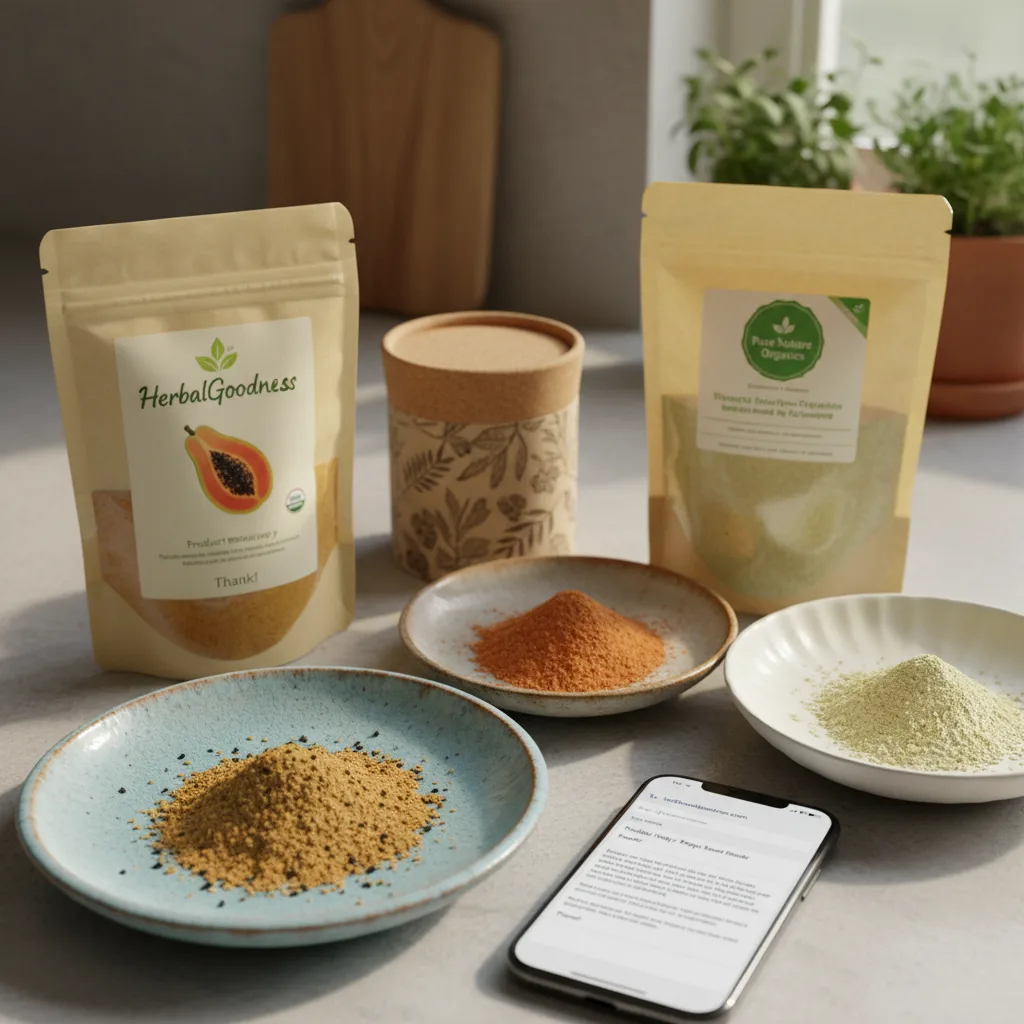
Packaging isn’t just for aesthetics—it also plays a role in preserving the freshness of organic papaya seed powder. When evaluating a product online, pay attention to photos of the packaging and read accompanying labeling for essential freshness information.
Look for:
- Resealable pouches or dark glass jars (both protect from light and air exposure)
- Vacuum-sealed bags or oxygen absorbers (which can help retain quality)
- Labeling for "best by" or "expiration" dates (freshness and safety clues)
A clear shelf-life indication signals that a brand monitors product turnover and values transparency. Generally, papaya seed powder retains its characteristics for about one to two years if stored properly. Packaging descriptions that mention protection from moisture and light are ideal. If the online listing omits shelf-life information, seek clarification from the seller or manufacturer before purchase.

Understanding Third-Party Testing for Quality
Some companies voluntarily submit their products for third-party laboratory testing, which checks for contaminants such as heavy metals or unwanted additives. While not a requirement for all food products, these tests reflect a commitment to extra quality assurance.
When shopping online for organic papaya seed powder, check for references to "third-party lab tested" or "certificate of analysis available." Some sellers provide results upon request. If you see unfamiliar test names or certifications, a quick search can reveal more about the laboratory and its accreditation. This transparency can help shoppers feel more secure about their purchase choices.

Interpreting Common Marketing Language
Labels and product listings for organic papaya seed powder frequently use terms that may sound impressive but can be vague or subjective. Understanding what these words mean can help you compare listings more objectively.
Typical Marketing Phrases and Their Meanings
- Non-GMO: Generally means the seeds are not genetically modified, though it is not the same as being organic.
- Pure / 100% Pure: Typically indicates no fillers or additives have been mixed in, but check the ingredient list for confirmation.
- Cold-Pressed: Usually refers to oil extraction rather than powder but, if mentioned, indicates low-heat processing was used.
- Vegan / Plant-Based: Confirms no animal-derived substances are included.
- Ethically Sourced / Fair Trade: Suggests a focus on responsible farming and trade practices. Certification varies, so check for specific details.
- Freshly Ground: Implies recent processing but should be backed up by a clearly indicated manufacturing date.
Pay close attention to the ingredient list—even seemingly straightforward products sometimes include anti-caking agents or flavor additives. The fewer the ingredients, the more likely you are getting a single-ingredient product such as Papaya Seed Powder - 60/600mg Capsules - Gut & Colon Cleanse.
Signs of Transparency and Responsible Branding
Responsible brands make it easy for shoppers to learn about their product and production methods. Listings that include detailed photographs, clearly labeled bags or jars, specific origin stories, and accessible customer support generally indicate a brand that values education and honesty.
Transparency is especially important with lesser-known powders like organic papaya seed powder, as informed choices help sustain industry standards and ensure better experiences for all consumers. If you value product traceability, consider also exploring Body Detox with Papaya Seed - Organic 15X Liquid Extract - Intestine & Gut Cleanse for further options that prioritize transparency.
Knowing What to Ask: Key Questions Before You Buy
If some details are missing from a listing, don’t hesitate to reach out to the seller with questions about certifications, grind size, packaging, freshness, or third-party testing. Brands with responsive customer service typically welcome questions and are ready to share additional documentation or insights. The information you receive helps compare products on a level playing field and reflects a seller's commitment to customer confidence. For those especially concerned with ingredient sourcing or quality, branching out to products like Papaya Leaf Extract Blood Support - Organic 15X Liquid Extract - Platelet Health can be beneficial as these often come with robust quality documentation.
Comparing Organic Papaya Seed Powder Listings Thoughtfully
Comparing multiple products side by side is often the most effective way to identify what matters most to you. When evaluating options, use a checklist based on the following key points:
- Authentic organic certification visible
- Accurate and descriptive processing terms
- Stated grind size and ingredient list
- Sourcing region or country of origin
- Protective, resealable packaging and clear shelf-life
- Accessible third-party testing results, if available
- Honest marketing language
Keeping these criteria in mind will make it easier to distinguish between products that merely look appealing and those that deliver on quality and transparency. If digestion is also a concern in your wellness routine, Papaya Seed Powder Capsules – Gut & Colon Cleanse Support might complement your chosen papaya seed product.
In Summary
Online shopping for organic papaya seed powder can be an enjoyable, educational experience when equipped with the right knowledge. Taking a moment to evaluate certifications, processing terms, grind size, country of origin, freshness indicators, and brand transparency will help you find the product best suited to your preferences and values. Each element contributes to a comprehensive understanding of what you’re really buying—so you can shop thoughtfully and confidently every time.
FAQs:
- How can I confirm if papaya seed powder is truly organic?
Look for third-party certification logos, such as USDA Organic or EU Organic, on product labels or in online listing photos. Additionally, review ingredient lists and certification statements in descriptions for clarity.
- What’s the difference between raw, roasted, and micronized papaya seed powder?
Raw powder is minimally processed with low heat. Roasted powder has been dry-roasted, giving it a toasty flavor. Micronized powder is ultra-fine, allowing it to blend more easily into liquids and foods.
- Why does grind size matter for papaya seed powder?
Grind size affects texture and ease of mixing. Finer powders dissolve better in drinks while coarser grinds may have a stronger texture suited to culinary uses.
- Is country of origin important when selecting papaya seed powder?
Country of origin provides context on farming conditions and potential flavor variations. Transparent sourcing details can be a sign of responsible practices.
- How do I know if the packaging preserves freshness?
Look for resealable or vacuum-sealed packaging, and review the product description for mentions of best-by dates, moisture protection, and light-blocking materials.
- What is third-party testing, and why is it significant?
Third-party testing involves independent lab analysis for quality and purity. It represents an added level of assurance that a brand monitors its products closely.
- What should I do if information is missing from an online listing?
Reach out to the seller with your specific questions regarding certification, processing, origin, or packaging. Responsive brands usually provide the details or supporting documentation.
Author Name:
Herbal Goodness Editorial Team
Author Bio:
The Herbal Goodness Editorial Team specializes in holistic health and superfoods, blending science and nature to educate and empower our community.
Related blogs:
Before You Click 'Buy Now': A Consumer's Guide to Evaluating Organic Papaya Seed Powder Online
What 'Top-Rated' Really Means: How to Read Reviews Before You Buy Moringa Leaf Extract
Bulk Herbal Products: Freshness, Storage, and Sustainability Considerations
Factors Influencing Moringa Extract Delivery Times: A Practical Guide
How Researchers Study Papaya Extract in Dengue: A Plain-English Guide