Bamboo Leaf Tea for Hair Rinses & Facials: Buy, Brew, and Optimize Your Infusion

Exploring the Impact of Brewing on Bamboo Leaf Tea for Beauty Rituals
Bamboo leaf tea has caught the attention of those seeking mindful, plant-based beauty rituals. Known for its gentle mineral profile and naturally occurring silica, this herbal infusion is now appreciated for more than just sipping—the beauty community is exploring its use in hair rinses, facial steams, and bath soaks. As interest grows, so do questions about how brewing techniques shape the qualities of this infusion, and how to make the best choices when you buy or shop for premium quality bamboo leaf tea – 24/1.5g tea bags - nature's collagen & biotin for self-care rituals.
This practical guide takes a deep dive into the key brewing variables—such as water hardness, temperature, steep time, and leaf cut—and examines how each adjusts the infusion’s chemistry and sensory experience. You’ll also find grounded tips for safe use, experimentation, and storage, designed for anyone considering adding bamboo leaf tea to their hair or facial care regimen.
How Brewing Variables Alter Bamboo Leaf Tea’s Profile for Hair and Skin
Brewing bamboo leaf tea for beauty is more than just a calming ritual. The way you prepare your infusion can shift its mineral, tannin, and silica composition, directly influencing how it feels and performs when used for hair rinses or facial steams. Understanding these variables not only helps you achieve the best results but also guides your choices when you order or select premium organic bamboo leaf tea.
The Role of Water Quality: Hardness and Purity
Water hardness—referring to the presence of minerals like calcium and magnesium—has a noticeable impact on the bamboo leaf tea you brew. Soft or filtered water typically unlocks a cleaner, brighter infusion, while hard tap water can produce a heavier, sometimes cloudier appearance.
- Soft Water: Often helps draw out the gentle flavors and high silica content of bamboo leaves. Useful for those who want a lighter rinse for delicate hair or sensitive skin.
- Hard Water: May lead to more pronounced mineral interactions, sometimes creating a more astringent feel. If your goal is to maximize silky shine in a hair rinse, many prefer soft or purified water, so consider your water source when you shop or buy bamboo leaf tea for beauty routines.
Temperature’s Influence on Extracted Compounds
Brewing temperature—whether you steep your bamboo leaf tea at just-below boiling or opt for a lower heat—significantly shifts the balance of extracted plant compounds.
- Hotter Water (around 200°F): Extracts higher levels of minerals and tannins. Ideal if you desire an infusion with a slightly gripping, refreshing character, which some enjoy as a clarifying facial steam.
- Gentle Heat (160–180°F): Encourages higher silica release and preserves the natural green aroma. This can produce a softer touch, ideal for mild hair rinses or bath soaks.
Knowing which approach aligns with your intended use can help determine whether to buy pre-cut bamboo leaf tea designed for quick infusion or whole leaves for a slower, more nuanced brew.
Steep Time and Extraction: How Long Is Too Long?
The length of time bamboo leaf tea spends steeping is crucial—especially when you’re aiming for specific results in your beauty routine.
- Short Steep (1–3 min): Produces a light, mineral-rich infusion with subtle aroma. Useful for delicate facial mists or freshening hair rinses.
- Medium Steep (4–8 min): Yields more robust tannins and flavorful notes. Great for those wanting a more sensory experience.
- Long Steep (10–20 min): Intensifies color, minerals, and tannins, but can introduce noticeable astringency. If you’re not sure what’s best for your hair or skin type, consider experimenting with a small amount first.
Many who order or shop premium bamboo leaf tea enjoy adjusting steep times to discover their personal preference.
Leaf Cut and Format: How It Shapes the Infusion
When browsing where to buy bamboo leaf tea for hair rinses or facials, notice the cut of the leaf—whole leaves, coarse cut, or fine cut. Each influences how compounds are released:
- Whole Leaf: Tends to release minerals and aromatics more gradually, offering subtle, layered infusions. Often favored for facial steams where a nuanced aroma is appreciated.
- Coarse Cut: Balances a swift infusion with maintaining plant integrity. Popular for those who like to shop for organic bamboo leaf tea for baths or large-batch hair rinses.
- Fine Cut or Powder: Delivers rapid extraction. If you need a quick infusion before a hair rinse, this is a practical choice, but be sure to strain thoroughly to avoid residue.
Key Plant Compounds in Bamboo Leaf Tea: What They Mean for Beauty Rituals
Silica: Nature’s Gentle Shine-Builder
Bamboo leaf tea is long valued for its naturally occurring silica, a mineral element sought after in traditional practices for its association with hair and skin vitality. Brewing variables—especially water temperature and steep duration—influence how much silica is released. Choosing a high-quality, organic bamboo leaf tea and adjusting your brew method may help maximize this sought-after characteristic in your rituals.
Tannins: Balancing Sensory Qualities
Tannins are plant compounds that can lend a gentle astringency or clarifying feel to bamboo leaf tea. Their levels fluctuate based on steep time and temperature. Some users who shop premium bamboo leaf tea for facial steams appreciate the refreshing sensation, while others may prefer a softer result with less astringency for hair rinses.
Minerals: The Subtle Foundation
Beyond silica, bamboo leaves introduce trace minerals that contribute to the overall feel and quality of the infusion. The profile depends on the source and cut of your chosen tea, so when you buy bamboo leaf tea, look for details about origin and format to align with your intended use—whether for a gentle bath soak or revitalizing rinse.
Creating Your Bamboo Leaf Tea Ritual: Steps and Safe-Use Tips
Basic Brewing Guide for Hair Rinses, Facials, and Bath Soaks
- Choose Quality: Buy organic, food-grade bamboo leaf tea for all beauty uses to reduce exposure to unnecessary additives.
- Water Matters: Use filtered or soft water for the best infusion clarity and mineral profile.
- Measure and Prepare: For 1–2 cups, use about 1 heaping tablespoon of leaf (adjust based on whole, coarse, or fine cut).
-
Adjust Brew Temperature and Time:
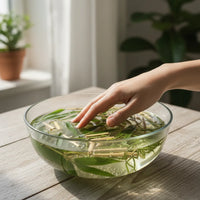
- For a gentle hair rinse, steep in water just below boiling for 4–7 minutes (fine cut requires less time).
- For a facial steam, use slightly hotter water, inhaling the aromatic steam while keeping a safe distance.
- For bath soaks, steep a larger batch (4–8 tablespoons per gallon) and strain before adding to bathwater.
Patch Testing and Dilution
- Patch Test Before Use: Always test a small amount on the inside of your wrist or neck to check for any sensitivity, especially when trying a new batch or making changes to your brewing routine.
- Dilute to Preference: For sensitive skin or fine hair, dilute your infusion further with cool, clean water to customize the strength and experience.
Storage and Freshness
- Store Brewed Tea: Keep your infusion in a clean, covered container in the refrigerator for up to 2–3 days.
- Dry Bamboo Tea Storage: Buy bamboo leaf tea in small quantities and store in a cool, dark place, sealed from moisture for maximum freshness and potency.
Experimenting to Find Your Preferred Preparation
The relationship between brewing variables and the finished feel of your bamboo leaf tea infusion encourages exploration. Here are practical experiment ideas for those ready to order or shop premium bamboo leaf tea:
- Vary Steep Times: Prepare two or three small infusions side by side, adjusting only the steep time. Use each for a different beauty ritual and note the sensory effects.
- Switch Water Types: Repeat the process using filtered versus unfiltered water to test clarity and how your skin or hair responds.
- Leaf Cut Comparisons: If you buy both fine and whole-leaf bamboo teas, brew a batch of each and observe which format best suits your needs—whether for a facial steam or a hair rinse.

Through mindful experimentation, you’ll gain confidence in which process works best for your routine and discover new ways to personalize your beauty care.
Responsible Purchasing: What to Look For When Buying Bamboo Leaf Tea for Beauty
When deciding where to buy or shop bamboo leaf tea specifically for use in hair or skin preparations, prioritize sources committed to purity and transparency. Here’s what to consider:
- Organic Certification: Select organic bamboo leaf tea where possible to minimize exposure to agricultural residues.
- Premium, Food-Grade Quality: Choose reputable sellers, like Herbal Goodness, that clearly label their tea as safe for both consumption and topical use.
- Freshness and Packaging: Opt for product formats that protect against moisture and preserve aroma—resealable bags or airtight jars are excellent options for those thinking about how to store for optimum benefit.

A holistic self-care routine can also incorporate synergistic products. For targeted hair wellness alongside bamboo tea, hair growth - 15x liquid extract - hair & follicles can support stronger follicles. For overall skin radiance, look to beauty builder liquid extract 15x – skin support & collagen wellness formula as a complement to topical bamboo rituals.
Summary: Bringing Mindful Brewing to Your Bamboo Leaf Tea Rituals
The subtleties of brewing bamboo leaf tea directly affect your self-care experience, whether for a clarifying hair rinse, a calming facial steam, or a nourishing bath soak. By consciously selecting your water, steep time, temperature, and leaf cut, you tailor each infusion’s mineral and sensory profile to suit your needs. Safe-use measures—like patch testing, thoughtful dilution, and right-sized storage—further support a gentle, exploratory approach. Buying the best quality bamboo leaf tea, such as premium, organic options from trusted sources, ensures that your beauty rituals are built on purity and intentionality.

FAQs:
- Where can I buy the best quality bamboo leaf tea for hair rinses?
You can shop for premium, organic bamboo leaf tea from trusted herbal specialists or reputable online retailers. Look for products that are food-grade and clearly labeled for both internal and topical use. Choosing a reliable source ensures you receive a pure, high-quality tea for your hair care routine.
- How does steeping time affect bamboo leaf tea for facials?
Steeping time directly influences the strength, aroma, and mineral content of bamboo leaf tea. Shorter steep times create a lighter infusion suitable for gentle facial mists, while longer steeps promote tannins and deep aroma, making the tea more robust for facial steams. Experiment to find your preferred balance.
- What water type gives the best results when brewing bamboo leaf tea for beauty uses?
Soft or filtered water is generally recommended for brewing bamboo leaf tea intended for hair rinses or facials. This water type helps extract a brighter, clearer infusion and maximizes the natural silica content, supporting a more pleasant experience in your beauty ritual.
- How should I store brewed bamboo leaf tea for repeated use?
After brewing, store bamboo leaf tea in a clean, covered container in the refrigerator. It is best used within 2–3 days for optimal freshness. Always check for clarity and aroma before each use, and discard if the scent or appearance changes.
- Is it important to do a patch test before using bamboo leaf tea on hair or skin?
Yes, patch testing is an essential safe-use step. Apply a small amount of cooled infusion to a discreet skin area, such as the inside of your wrist. Wait 24 hours to ensure no sensitivity occurs before using on larger areas of hair or skin.
- What should I consider when ordering bamboo leaf tea for bath soaks?
When buying bamboo leaf tea for bath soaks, opt for food-grade, organic tea to prioritize purity. Coarse cut or whole leaf formats are popular for larger volumes. Experiment with steep time and water type to create a nourishing soak tailored to your personal preferences.
Author Name:
Herbal Goodness Editorial Team
Author Bio:
The Herbal Goodness Editorial Team specializes in holistic health and superfoods, blending science and nature to educate and empower our community.
References:
7 Red Flags in Online Bamboo Leaf Tea Listings to Watch For
Buy Bamboo Tea Bags: How to Read Labels Before You Order Online
Before You Buy Organic Bamboo Leaf Extract: Powder, Tea or Liquid?
Best-Rated Bamboo Leaf Extracts: How to Read Ratings, Labels & Lab Reports
Can You Compost Bamboo Tea Bags? Local Rules, Prep Tips & Eco Guide