Bamboo Leaf Extract in Skincare: Understanding Extraction Methods, Ingredient Labels & Clean-Beauty Criteria

Bamboo leaf extract has entered the spotlight as a botanical powerhouse for skincare—thanks to its natural antioxidants, silica content, and soothing properties. As more people shift toward clean-beauty and plant-based routines, bamboo leaf extracts show up in everything from serums to masks. But how does this humble leaf become the extract listed on your skincare label? Understanding extraction methods, deciphering ingredient terms, and assessing clean-beauty credentials goes beyond buzzwords. Let's demystify bamboo leaf extraction, label terms, and the simple standards you can use to make more informed, skin-friendly choices.
The Journey of Bamboo Leaf: From Plant to Extract
Harvesting and Preparation
Bamboo leaves, especially from species like Phyllostachys edulis, are sustainably harvested for their rich polyphenol and silica content. Once picked:
- Leaves are washed to remove soil and residues.
- They are then dried at controlled temperatures to preserve nutrients.
- The dried leaves are ground into powder or prepared for extraction.
This careful preparation step is crucial for maintaining the integrity of the active compounds that make bamboo beneficial for skin.
Common Extraction Methods in Skincare
Different extraction methods yield different types of bamboo extracts—knowing these can help you interpret what’s inside your product:
1. Solvent Extraction
This is one of the most widely used methods in the cosmetics industry.
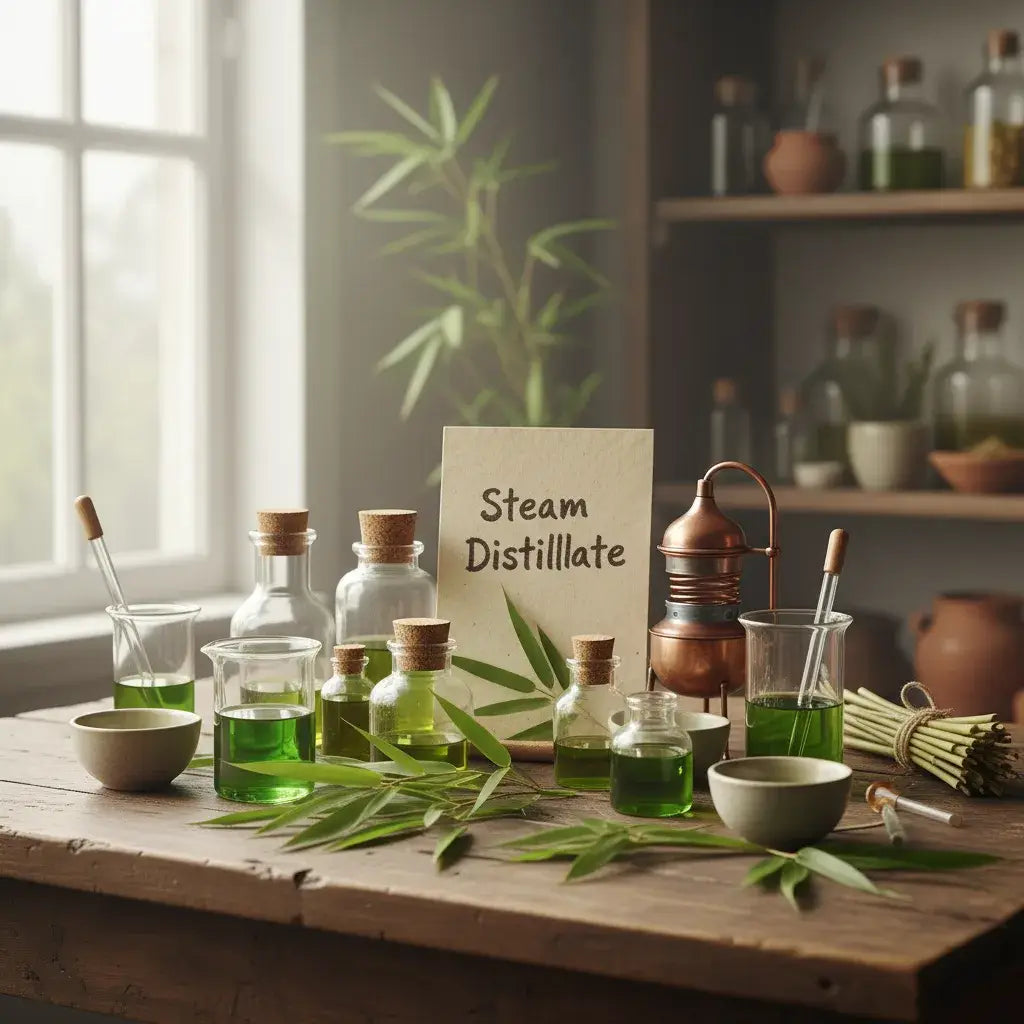
- Solvents like water, ethanol (ethyl alcohol), or glycerin are used to draw out active compounds.
- Water extractions are often labeled as bamboo leaf water extract or aqua extractum bambusae and tend to capture hydrophilic (water-soluble) nutrients.
- Ethanol/glycerin blends extract both water-and oil-soluble components, leading to richer tinctures or liquid extracts.
- After extraction, the solvent is usually evaporated, leaving behind concentrated actives.
What does it mean for you? If a product lists solvents (like “alcohol” or “glycerin”) alongside “bamboo leaf extract,” it indicates the extraction was performed using those substances. Glycerin-based extracts are particularly valued for their gentle skin feel and moisturizing properties.
2. Standardized Extraction
Some brands specify "standardized bamboo leaf extract" with a certain percentage (e.g. “35% silica”). This means the final extract is chemically adjusted to contain a guaranteed level of a specific active component, ensuring batch-to-batch consistency.
- Standardized extracts can be more potent and predictable in their skin benefits.
- However, standardization may require natural or synthetic additives to maintain compound levels.
3. Powdered Extracts and Direct Use
Ground bamboo leaf powders or spray-dried extracts are occasionally used directly in masks or exfoliants, leveraging more of the whole-plant profile. These powders are less processed and typically free of added solvents, appealing to minimalists and DIY enthusiasts.
4. Supercritical CO₂ Extraction
Emerging for plant-based skincare, this advanced method uses carbon dioxide under high pressure to extract active ingredients without harsh solvents or high heat.
- Results in a purer, more concentrated extract.
- Minimizes chemical residue and preserves delicate compounds.
- Typically more expensive and labeled as “CO₂ extract” on packaging.
Decoding Bamboo Leaf Ingredient Labels
Navigating cosmetic ingredient lists can be confusing, especially with plant extracts. Here’s a closer look at what common terminology means in context:
Understanding INCI Names
On labels, International Nomenclature Cosmetic Ingredient (INCI) terms for bamboo might include:
- Bambusa vulgaris Leaf Extract
- Bambusa arundinacea Extract
- Bamboo Leaf Water
Look for the word "extract" or "water extract"—these key phrases signal the source and type of extract in your product.
Terms That Indicate Processing
"Standardized Extract"
Indicates that the manufacturer has concentrated and adjusted the bamboo extract to contain a fixed percentage of a key compound, such as silica or flavonoids. Products with standardized extracts tend to have reliable, targeted benefits.
Solvent Names
Ingredient lists may specify the extraction medium, especially in more transparent, clean-beauty aligned brands. For example:
- Glycerin: Often written as ‘Glycerin, Bambusa vulgaris Leaf Extract’. A hydrating, mild solvent ideal for sensitive skin.
- Alcohol (Ethanol): May increase actives but can be drying in high amounts.
- Water: Universally tolerated, purely hydrophilic extracts with minimal risk of irritation.
Carrier and Additive Ingredients
Some extracts include carriers, such as propylene glycol, to improve solubility. This is generally safe but may be less appealing if you aim for minimal, plant-based formulas.
“Powder” or “Whole Leaf”
Products that feature ‘bamboo leaf powder’ or ‘whole leaf’ use less-refined bamboo, potentially boosting the synergy of the plant’s full nutrient spectrum.
What Label Transparency Indicates
Brands intentionally listing extraction methods, standardization percentages, and solvent names signal a commitment to ingredient transparency—a pillar of clean-beauty philosophy.
How Extraction Methods Affect Skin Benefits
Silica Content for Skin Health
Bamboo leaf’s claim to fame is its natural silica content—an essential mineral for collagen production, skin elasticity, and moisture retention. Extraction with water or glycerin preserves silica well, while standardized extracts guarantee a fixed dose per application.
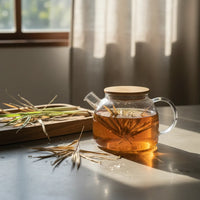
For those seeking targeted skin support with consistent results, consider the Bamboo Leaf Tea – 24/1.5g Tea Bags - Nature's Collagen & Biotin. This organic tea option offers a convenient and minimally processed way to enjoy silica and antioxidants in your daily self-care.
Antioxidant Activity
Flavonoids and polyphenols extracted from bamboo leaf offer potent antioxidant protection:
- Water and ethanol extractions capture different antioxidant compounds
- Supercritical CO₂ extraction ensures minimal degradation of delicate plant nutrients

For enhanced antioxidant effects and added convenience, the Bamboo Leaf - Organic 1oz 15X Liquid Extract - Nature's Collagen & Biotin provides a concentrated liquid format ideal for skincare enthusiasts focused on clarity and ingredient potency.
Soothing and Calming Agents
Bamboo leaf also contains anti-inflammatory components that provide relief for sensitive or irritated skin. Glycerin extracts, being gentler, are preferred for calming serums. This is especially valuable for plant-based routines, and products with minimal, natural carriers can become key allies for delicate complexions.
If you're aiming to boost whole-plant synergy in your regimen, the Graviola, Hibiscus, Bamboo Herbal Tea Trio – Bundle (3 Packs) combines bamboo and other botanicals for a comprehensive wellness approach that supports both skin and overall health.
Choosing the Right Form for Your Routine
-
Powders: Great for customized or DIY masks; control ingredient strength but require mixing.
-
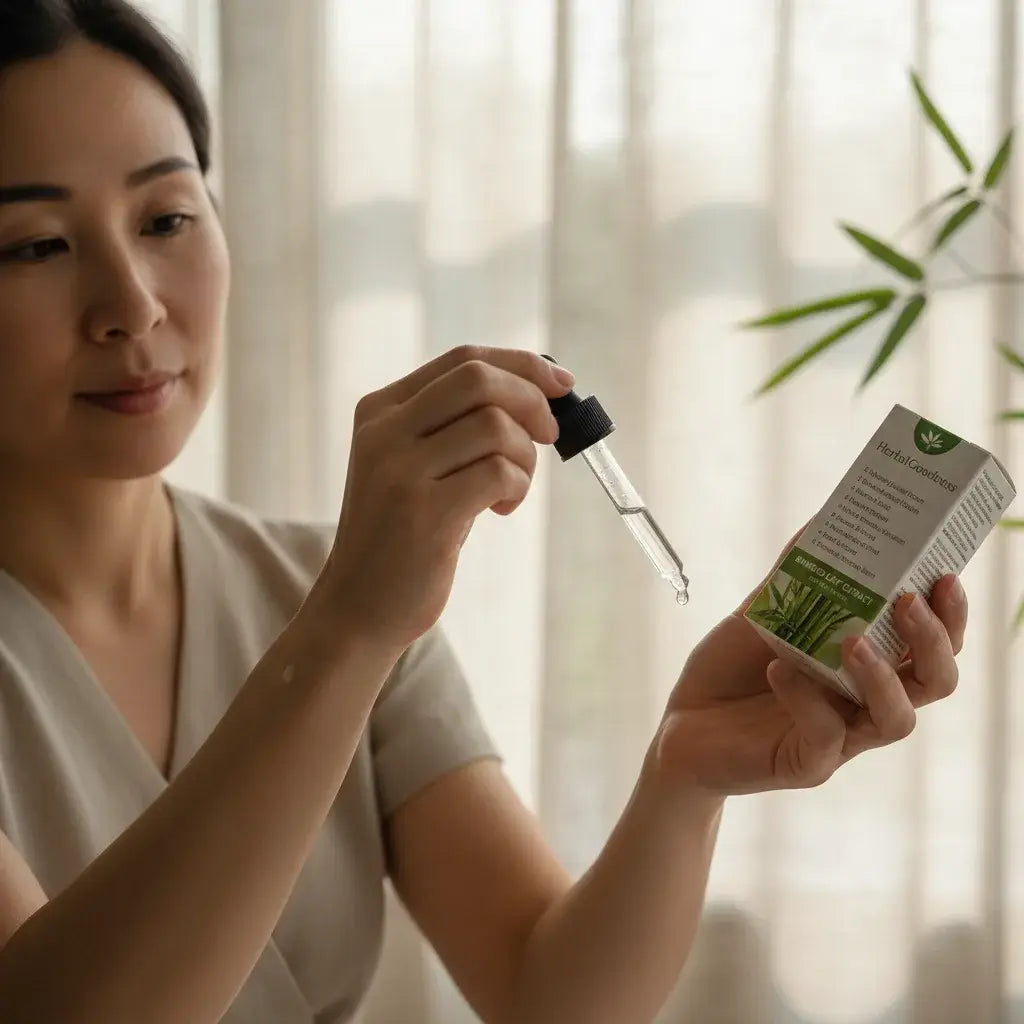
Liquid Extracts: Better for leave-on formulas (serums, toners), easily absorbed, and easy to dose. Choosing standardized options, like the Radiantly Good Looking - 2fl.oz - Skin & Anti-Aging, ensures you’re applying consistent botanically-derived actives for targeted results.
-
Standardized Extracts: Offer predictable, targeted benefits for specialized skincare needs (such as anti-aging or acne relief). Additions like the Beauty Builder - 1oz 15X Liquid Extract - Anti-Aging & Skin Elasticity can further streamline your clean-beauty routine.
Clean-Beauty Criteria for Bamboo Leaf in Skincare
Clean-beauty principles aren’t just about avoiding harsh chemicals—they also emphasize transparency, ethical sourcing, and ingredient minimalism.
Key Clean-Beauty Standards for Plant-Based Extracts
Ingredient Transparency
Choose brands that reveal:
- Source of bamboo (species and country of origin)
- Extraction process (e.g., water extract, solvent-free, CO₂ extract)
- Any carrier or additive used
Minimal Processing
Look for:
- Solvent-free or low-solvent extraction
- Minimal heating to protect fragile nutrients
- Simple ingredient lists without unnecessary fillers
Safe, Non-Toxic Solvents
- Glycerin and water are widely considered safe and gentle
- Avoid extracts made with synthetic or potentially irritating solvents (like propylene glycol, ethanol in high amounts, or butylene glycol if you’re sensitive)
Certified Clean, Vegan, and Cruelty-Free
Certifications from third-party organizations (like ECOCERT, COSMOS, or Leaping Bunny) reflect commitments to non-toxic formulas and ethical sourcing.
Practical Tips for Evaluating Bamboo Leaf Extracts in Skincare
-
Read beyond the front label: The ingredient list offers the real story on extraction and purity.
-
Watch for percentages: Standardized extracts usually note the active compound concentration.
-
Assess brand transparency: Brands willing to disclose their methods and sources are generally more trustworthy. If you're looking for a minimalist, hydrating boost, using Bamboo Leaf Tea – 24/1.5g Tea Bags - Nature's Collagen & Biotin provides both peace of mind and simple nutrient delivery.
-
Avoid vague labeling: Phrases like ‘natural extract’ or ‘botanical blend’ without clear source/extraction info can hide lower-grade or mixed components.
-
Consider your skin type: Sensitive skin? Opt for water or glycerin-based extractions. Looking for potent anti-aging action? Try standardized or CO₂ extracts, or reach for the Beauty Builder - 1oz 15X Liquid Extract - Anti-Aging & Skin Elasticity for a reliable and focused option.
Why Extraction Quality and Label Clarity Matter for Skin Health
The effectiveness and safety of bamboo leaf in skincare hinge on extraction purity and label transparency. Clean, well-explained extracts deliver the botanical nutrients your skin craves—while minimizing the risk of irritation, sensitivity, or allergic response from impurities or harsh solvents. Well-crafted bamboo leaf skincare products beautifully bridge nature and science, especially when you know how to decode the label and prioritize gentle, transparent brands.
Products like Bamboo Leaf - Organic 1oz 15X Liquid Extract - Nature's Collagen & Biotin and Bamboo Leaf Tea – 24/1.5g Tea Bags - Nature's Collagen & Biotin can integrate clean plant nutrients into your daily routine, making label clarity and gentle processing accessible.
Making informed choices becomes simple when you understand how bamboo leaf goes from wild, swaying stalks to the nutrient-packed extracts enlivening your favorite skincare products. Whether you’re a ritual-driven skincare enthusiast or a plant-based novice, clarity about extraction methods, ingredient labels, and clean-beauty principles empowers you to let nature work its magic on your skin—safely and effectively.
FAQs:
- What is bamboo leaf extract and how is it used in skincare?
Bamboo leaf extract is derived from the leaves of bamboo plants and is high in silica and antioxidants. It is commonly used in skincare products for its moisturizing, collagen-boosting, and calming properties, appearing in serums, toners, and masks.
- Are solvent extractions of bamboo leaf safe for sensitive skin?
Many solvent extractions, especially those using water or vegetable glycerin, are safe and gentle. However, some solvents like ethanol or propylene glycol may be drying or irritating for sensitive skin. Always review labels for solvent types and opt for gentle formulas if you have sensitivity.
- What does a standardized bamboo leaf extract mean?
A standardized bamboo leaf extract has been processed to contain a specific, guaranteed percentage of an active compound such as silica. This ensures consistent effectiveness in each batch and predictable skincare benefits.
- How do I identify clean-beauty bamboo extracts on skincare labels?
Look for clear label information about the extraction method (like 'water extract' or 'CO₂ extract'), ingredient transparency, minimal additives, and third-party clean or vegan certifications. Avoid products with vague terms or undisclosed processes.
- Which extraction method is best for retaining bamboo leaf’s nutritional benefits?
Supercritical CO₂ extraction and water/glycerin extractions are excellent for preserving bamboo leaf's key nutrients without harmful residues. Powders and standardized extracts also offer high integrity, depending on your preference and skin type.
Author Name:
Herbal Goodness Editorial Team
Author Bio:
The Herbal Goodness Editorial Team specializes in holistic health and superfoods, blending science and nature to educate and empower our community.
Related Blogs:
What Dissolves Kidney Stones the Fastest? Evidence-Aware Insights for Curious Readers
Mango Leaf Tea Benefits: Exploring Flavor, Heritage, and Brewing Methods
Moringa Capsules Benefits: Understanding Labels, Servings, and Top Formats
Moringa Capsules Demystified: Types, Differences, and Choosing Your Best Fit
Which Form of Moringa Is Most Effective? A Practical Guide to Every Format