Avocado Leaf Tea Bags: Environmental Impact & Ethical Buying Guide

Avocado leaf tea bags are gaining popularity not just for their subtle, earthy flavor but for the intriguing journey each cup represents—from the leaves harvested in avocado orchards to the conveniently packaged tea bags that land on your kitchen shelf. As interest grows, so does consumer curiosity about the environmental and ethical impact of these products. What exactly goes into making avocado leaf tea bags? How do harvesting, sourcing, labor practices, and packaging shape the footprint of the tea you choose to buy? This guide unpacks each step of the leaf-to-bag journey so you can shop with awareness and confidence.
Pruning vs. Wild-Harvest: Understanding Harvest Methods
One of the earliest decisions that affects the sustainability of avocado leaf tea bags is how leaves are sourced. There are two main harvest methods: pruning and wild-harvest.
Pruning from Cultivated Orchards
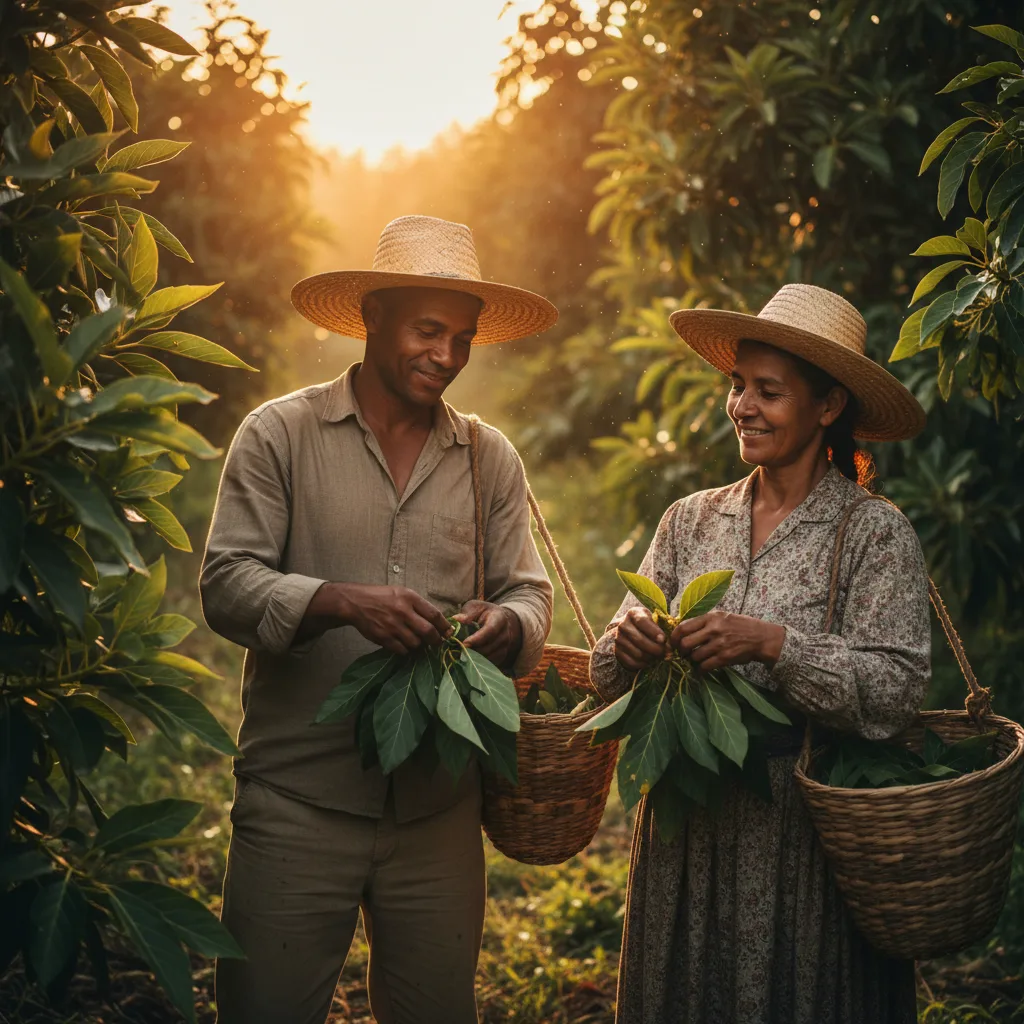
Pruning involves selectively removing leaves from cared-for avocado trees, typically as part of regular orchard management. This method can be especially sustainable:
- Resource Efficiency: Pruning utilizes leaves that might otherwise be byproducts or waste, helping reduce resource use and environmental disturbance.
- Tree Health: Proper pruning supports the vitality of trees and avoids overharvesting.
- Traceability: Leaves sourced from managed orchards are often easier to track for quality and ethical standards, which supports consumer trust and product transparency.
Choosing products made from cultivated orchard leaves, like the Avocado Leaf Tea Organic 24 Bags | Heart Health & Immunity Support, means you can enjoy your brew while supporting resource-efficient agriculture practices.
Wild-Harvest of Avocado Leaves
Wild-harvest practices involve collecting leaves from wild or unmanaged avocado trees:
- Environmental Impact: Without proper controls, overharvesting in wild areas can threaten local plant populations and disturb natural ecosystems.
- Biodiversity Risks: There may be unintended impacts on the flora and fauna that rely on wild tree habitats.
- Supplier Traceability: Wild-harvested leaves can be harder to trace, making it more challenging to verify the ethical origins of the tea bags.

What Questions Should Shoppers Ask?
When considering the environmental aspects of your avocado leaf tea purchase, you might ask:
- Was the tea made from pruned leaves or wild-harvest?
- Does the supplier or brand publish information on how they source their leaves?
- Are there certifications or sustainability commitments mentioned?
By investigating sourcing transparency and looking for organic certifications, you add another layer of confidence that your choice meets high environmental standards. If you value these attributes not only in tea, but in other products as well, you may explore similar products like the Organic Papaya Leaf Tea | 24 Premium Bags – Caffeine-Free for variety.
Farm Byproducts and Responsible Use
Sustainability involves making the most of available resources. Harvesting avocado leaves as byproducts from existing orchards changes the eco-footprint of tea production.
Avocado Farms and Byproduct Value
- Resource Maximization: Farms that utilize pruned leaves for tea production reduce overall waste, turning what could be discarded into a valuable product.
- Circular Economy: This approach supports a circular model—repurposing natural byproducts and minimizing the need for new cultivation or land disturbance.
An option like the Herbal Tea Trio Bundle | Guava, Hibiscus & Avocado – 3 Organic Packs encourages supporting responsible sourcing across multiple botanicals. This bundle is ideal for those seeking ethical tea blends.
What About Non-Food-Grade Leaves?
Some producers may use leaves that do not meet food-grade standards, especially if quality control is lax. Ensuring leaves are food-grade and free from contamination is critical for safety and sustainability.
Shopper Red Flags
- Brands that can't describe their sourcing or seem unclear about where and how leaves are gathered.
- No mention of using orchard byproducts or minimizing waste.
- Vagueness around food safety standards.
Fair Labor and Ethical Sourcing Practices
The ethical footprint of avocado leaf tea bags is closely linked to who picks the leaves and under what conditions.
Fair Labor for Farm and Factory Workers
- Living Wages: Look for brands that mention living wages or fair compensation for workers in the fields and factories.
- Safe Working Conditions: Transparency about safe, equitable working environments signals ethical operations.
- Local Community Support: Some farms invest back into their communities through healthcare, education, or infrastructure, raising ethical standards further.
Brands like Herbal Goodness specifically highlight fair labor and local community involvement in their sourcing process, making Avocado Leaf Organic 15X Liquid Extract | Heart & Immune Wellness a conscious choice if you prefer a concentrated format.
Questions to Consider When Buying
- Does the tea brand share information about their labor practices?
- Are there third-party fair labor certifications or partnerships?
- How are local communities involved or supported?
Recognizing Ethical Concerns
- Lack of information about labor practices or country of origin.
- No third-party certifications or ethical partnerships.
- Vague or generic claims such as “sourced responsibly” without details.
Packaging Choices: From Material to Disposal
Every box, bag, and tag influences the broader ecological footprint of avocado leaf tea. Packaging decisions can make a sizable difference in waste and resource use.
Common Types of Packaging Materials
- Biodegradable Tea Bags: Made from plant fibers or compostable materials, these break down more easily after disposal.
- Plastic-Free Bags: Avoid microplastics that otherwise end up in landfills or waterways.
- Minimal Packaging: Boxes and wraps designed to use less material overall.
Choosing brands that offer plant-based or plastic-free tea bags not only reduces landfill waste but also avoids microplastics. Herbal Goodness’ Soursop Leaf Tea | Organic Graviola 24 Bags – Immunity & Cell Renew is packaged with sustainability considerations.
Recyclability and Eco-Friendly Prints
- Recyclable Boxes: Cardboard boxes and sleeves that can be included in household recycling.
- Soy or Water-Based Inks: Reduce the environmental hazards associated with some conventional printing processes.
- Clear Labeling: Transparent information about how to dispose of every component (bag, tag, box) is a significant plus.

Red Flags for Your Tea Bag Purchase
- Packaging that is excessive or made from multiple, difficult-to-separate materials.
- No statement about recyclability, compostability, or material origins.
- Use of generic plastics or opaque coatings.
Practical Shopper Questions for Avocado Leaf Tea Bags
To shop confidently and align your choices with your values, consider bringing these questions into the buying process:
- What harvest method was used (pruned orchard vs. wild-harvested leaves)?
- Are the leaves a byproduct of existing avocado farming?
- How does the supplier verify food-grade and sustainable standards?
- What labor practices or certifications does the brand have in place?
- Is the packaging compostable, recyclable, or made from renewable materials?
- Is there transparency around every step from farm to bag?
If you're drawn to a variety-based ritual, you may also appreciate options like the Organic Herbal Tea Trio – Build-Your-Own Bundle | Mix & Match Any 3 USDA Organic Herbal Teas & Save 20%, letting you sample an array of responsibly sourced infusions.
Why Environmental and Ethical Footprints Matter to Your Tea
Every purchase you make represents a vote for certain practices—be it environmental stewardship, fair labor, or thoughtful packaging. When you choose avocado leaf tea bags produced with care, you support:
- Healthier orchard ecosystems
- Reduced waste and better use of farm byproducts
- Safer, more equitable working conditions
- Less impact on landfills and natural resources
Brands such as Herbal Goodness that emphasize transparent sourcing, fair labor, and eco-aware packaging are meeting a growing demand for responsibility along with quality. For consumers invested in buying the best quality, ethically produced tea, understanding the story behind each bag is a step towards more meaningful and sustainable shopping.
Key Red Flags: What Shoppers Should Watch For
Minimal Sourcing Details: Limited or no information on harvest and farm practices.
Opaque Labor Standards: No statements about wage fairness or working conditions.
Non-Eco-Friendly Packaging: Use of plastics or complex, non-recyclable layers without clear disposal guidelines.
No Certification or Traceability: Absence of third-party or supplier-tested claims on sustainability, labor, or safety.
Being watchful for these warning signs can help steer you toward truly sustainable options worth your consideration.
Bringing It All Together: The Shopper’s Perspective
Choosing avocado leaf tea bags is no longer simply about flavor. Today’s shopper has the power to weigh environmental and ethical standards, ask thoughtful questions, and walk away with a product that matches higher values. By understanding how leaves are sourced, workers are treated, and packaging is managed, it becomes possible to align a favorite daily ritual with ideals of responsibility, transparency, and care for both people and planet.
Next time you shop for sustainable teas, let curiosity guide your purchase. Every question you ask helps create demand for practices that respect the land, empower communities, and protect the environment—ensuring that each cup is as thoughtful as it is delicious.
FAQs:
- What should I look for when buying avocado leaf tea bags for sustainability?
Look for avocado leaf tea bags made from pruned orchard leaves, clear statements about sustainable or organic farming, minimal and recyclable packaging, and transparency about fair labor practices. These factors collectively signal a lower environmental and ethical footprint.
- How can I tell if an avocado leaf tea brand uses fair labor practices?
Check for information on living wages, safe working conditions, and third-party certifications. Brands that openly discuss their worker relationships or participate in ethical programs are more likely to prioritize fair labor.
- Why does the packaging of avocado leaf tea bags matter for my purchase?
Packaging impacts environmental waste. Opt for compostable or recyclable packaging and avoid excess plastic or complex materials for a more eco-friendly purchase.
- Are avocado leaf tea bags usually made with byproduct leaves from farms?
Many sustainable brands use pruned leaves from orchards, repurposing a farm byproduct and reducing waste, but it's wise to check if a brand openly states this practice.
- What are major red flags to avoid when shopping for avocado leaf tea bags?
Red flags include unclear sourcing, vague statements about labor or sustainability, excessive or non-recyclable packaging, and no certifications. Transparency is key.
- Do third-party certifications matter when choosing avocado leaf tea?
Third-party certifications indicate independent verification of harvesting, labor, or packaging standards. While not required, they offer useful signals of a brand’s commitments and reliability.
Author Name:
Herbal Goodness Editorial Team
Author Bio:
The Herbal Goodness Editorial Team specializes in holistic health and superfoods, blending science and nature to educate and empower our community.
References:
Introducing Graviola to Young Taste Buds: Fun, Family-Friendly Flavor Exploration
Graviola in the Classroom and at Home: Creative Activities to Teach Kids About Tropical Plants
Why Social Impact Matters in Plant-Based Wellness