Ashwagandha Powder vs Liquid: Eco-Conscious Packaging, Waste, and Shelf Life

Ashwagandha, an herb widely respected for its traditional roles, is now commonly available in both powder and liquid forms. As global interest grows, so does the conversation about how eco-friendly and convenient each form is. If you’re seeking to make mindful choices, understanding the differences between ashwagandha powder and liquid in terms of packaging, waste, shelf life, and environmental impact is essential. This article explores these aspects and offers practical advice to help you embrace a more sustainable approach to ashwagandha.
Understanding Ashwagandha Formats Through an Eco Lens
Ashwagandha supplements are usually found in powder and liquid forms, each with unique characteristics when it comes to storage, transport, and the environment. While both provide the same botanical source, the format you choose can make a real difference in your sustainable wellness journey. Let’s look closer at each form, focusing on packaging, shelf life, waste production, and travel compatibility.
Powdered Ashwagandha: Simplicity and Longevity
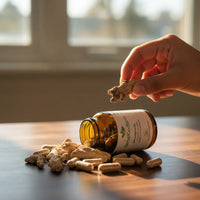
Ashwagandha powder is typically dried and finely milled from the plant root or leaf. Its shelf stability and versatility make it a staple in many wellness routines.
Packaging Choices for Powder
Powdered ashwagandha is commonly packaged in:
- Recyclable glass jars or bottles
- Cardboard canisters
- Food-grade plastic pouches (sometimes resealable)
Many eco-minded companies, such as Herbal Goodness, are shifting toward glass or paper packaging for powders due to their recyclability and lower environmental impact.
Ecological Advantages of Powder Packaging
- Reduced Packaging Weight: Powders are compact and usually require less packaging than liquids.
- Lower Shipping Impact: Lighter packages mean reduced emissions during transport.
- Recyclability: Glass and cardboard are widely recycled; plastic, less so.
Shelf Life and Storage
One of the enduring appeals of ashwagandha powder is its shelf longevity. When kept sealed in a dry, cool place and away from direct sunlight, powders can remain fresh for a year or more. Moisture, however, is the main enemy—always use a dry spoon and seal containers tightly after every use.
For those seeking other powders with similar longevity and eco-friendly packaging, consider Organic Papaya Seed Powder 4oz | Gut Cleanse & Digestive Support for your supplement cabinet.
Travel and Everyday Use
Powder is easy to measure and add to smoothies, oatmeal, or herbal tea. For travel, reusable pouches or portioned jars are excellent low-waste options. However, powder can be messier to handle on the go compared to its liquid counterpart.
Liquid Ashwagandha: Versatility in a Bottle
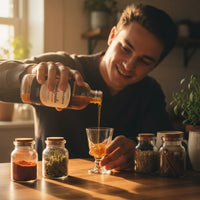
Liquid ashwagandha is typically crafted by extracting the plant’s beneficial compounds into water, alcohol, or glycerin. This process influences both the packaging and ecological footprint.
Packaging Choices for Liquid
Liquids are usually sold in:
- Amber glass dropper bottles (to protect from light)
- Occasionally, non-recyclable plastic bottles
Glass is preferred for its inert nature and ability to be recycled, though it is heavier and more fragile than powder packaging.
Ecological Advantages and Challenges for Liquids
- Potential for Reuse: Glass dropper bottles can be cleaned and reused at home.
- Transport Concerns: Liquids are heavier and require more robust packaging, sometimes increasing shipping emissions.
- Breakage Risk: Robust packaging is needed to prevent spills, contributing to more waste if non-recyclable materials are used as padding.
A great example of a liquid product in this format is the Ashwagandha Root Liquid Extract - Organic - Energy & Mood, which comes in recyclable glass with a dropper for easy use.
Shelf Life and Storage
Liquid ashwagandha often contains natural preservatives (like alcohol) to support stability. When properly sealed and stored away from heat or direct light, liquids stay fresh for months to a year. Once opened, refrigeration may extend brightness but is not always required—it depends on the specific formula.

Travel and Everyday Use
Liquids are convenient for those who want to mix ashwagandha easily into water, tea, or juice. The dropper format makes dosing precise and quick. For travel, ensure your bottle is tightly sealed and packed upright to minimize leak risk. Smaller travel-size bottles are best to reduce weight and waste.
If you seek liquid options for daily health, Papaya Leaf Extract - Organic - 15X Liquid - Blood Platelet also features travel-friendly glass packaging.
Environmental Footprint: Comparing the Two Forms
How do powder and liquid ashwagandha stack up when it comes to minimizing overall environmental impact?
Waste and Recycling
- Powder: Often packaged in glass or cardboard, leading to higher recyclability. Less secondary packaging needed.
- Liquid: Usually in glass, sometimes plastic. Dropper components often mix materials (plastic/rubber/glass), making recycling more challenging. Liquids also may need extra cushioning for transport.
For those focused on recyclability, Organic Papaya Seed Powder 4oz | Gut Cleanse & Digestive Support comes in recyclable pouches.
Shelf Life and Spoilage
- Powder: Longer shelf life means less risk of product going stale and being discarded.
- Liquid: Potentially shorter shelf life if not stored optimally, increasing the risk of unused leftovers.
Another sustainable option is Blood Platelet with Papaya Leaf - Organic 15X Liquid Extract - Platelet & Bone Marrow, available in re-usable packaging to encourage less waste.
Transportation and Emissions
- Powder: Lighter and less bulky, meaning reduced shipping emissions overall.
- Liquid: Heavier and more fragile, sometimes increasing the carbon footprint from production to delivery.

Reusability and Upcycling
- Glass containers (from both formats) can be repurposed at home for spices, homemade body care, or crafts. Seek brands that encourage returns, refills, or upcycling ideas.
If you’re searching for products that help reduce waste, opt for glass packaging such as that found with Ashwagandha Root Liquid Extract - Organic - Energy & Mood for added sustainability.

Smart Storage Practices to Reduce Waste
Whether you prefer powder or liquid, how you store your ashwagandha can make a big difference in eco-friendliness and freshness:
- Keep it Dry: For powders, always use a dry scoop and reseal promptly.
- Limit Light and Heat: Store both powders and liquids in cool, dark places—glass protects contents from UV exposure, but extra care helps preserve quality.
- Batch Prep Wisely: Only portion what you’ll use in the next few days, whether prepping smoothies with powder or filling a small travel bottle with liquid.
- Label and Track: Mark containers with opening dates. Use the oldest product first to minimize waste.
Eco-friendly storage is an ongoing process, and keeping products like Papaya Leaf Extract 16oz – Organic 15X Liquid Papaya Leaf Herbal Supplement sealed and away from heat helps preserve their shelf life.
Choosing a Low-Waste Ashwagandha Format
Ready to try or switch up how you use ashwagandha? A few guiding questions can help:
- Packaging Preferences: Do you have access to local recycling for glass, plastic, or cardboard?
- Usage Habits: Are you adding ashwagandha to recipes at home (powder) or do you prefer quick dosing on the go (liquid)?
- Travel Regularity: Will small, fail-safe containers make your routine easier?
- Desire to Repurpose: Do you enjoy upcycling jars and bottles?
Whenever possible, look for companies committed to minimizing packaging waste and maximizing recyclability in their product lines. Consider the convenient travel format of Papaya Leaf Extract - Organic - 15X Liquid - Blood Platelet.
Simple Ways to Try Ashwagandha in Daily Life
Both ashwagandha powder and liquid are easy to integrate into routines. Here are basic, low-waste approaches for sampling each:
Quick Tips for Powder
- Stir into Oatmeal or Yogurt: Start with a quarter teaspoon per serving.
- Blend into Homemade Nut Milk or Smoothies: Add before blending for smooth consistency.
- Combine with Herbal Tea: Stir into a cup after brewing to avoid clumping.
Other loose powders like Organic Papaya Seed Powder 4oz | Gut Cleanse & Digestive Support are also easy to blend into recipes, supporting a similar low-waste lifestyle.
Quick Tips for Liquid
- Add Drops to Water or Tea: Use the built-in dropper for accurate measurement.
- Mix into Juices or Tonics: Especially simple when you’re short on time.
- Incorporate into Homemade Dressings: A few drops can be blended into sauces or vinaigrettes.
Both forms can help you create simple, herbal drinks and recipes that fit an eco-conscious lifestyle—with a bit of planning, you can minimize waste throughout the process.
Final Thoughts: Mindful Choices for Wellness and the Planet
Your decision between ashwagandha powder vs liquid can support your efforts toward sustainability, convenience, and conscious use. By exploring packaging, shelf life, and storage options, you’re empowered to make choices that align with your values. Whether you’re at home or on the move, focusing on low-waste formats and smart storage keeps your wellness journey both practical and planet-friendly.
FAQs:
- Which ashwagandha format is more eco-friendly overall?
Powdered ashwagandha usually has a smaller ecological footprint due to lighter, recyclable packaging and less shipping weight. However, both powder and liquid formats can be low-impact if packaged thoughtfully and recycled or reused properly.
- How long do ashwagandha powder and liquid last when stored properly?
Ashwagandha powder generally stays fresh for up to a year when kept dry, sealed, and away from light and heat. Liquids tend to last several months to one year, especially if sealed well and protected from excess warmth or sunlight.
- What is the best way to travel with ashwagandha powder or liquid?
Travel with ashwagandha powder in small, sealed reusable containers to avoid spills. For liquid, use secure, travel-sized glass or BPA-free plastic bottles kept upright and tightly closed in your bag.
- Are all ashwagandha supplement containers recyclable?
Not all containers are easily recyclable. Glass and cardboard are widely accepted while certain plastics, dropper caps, or laminated pouches may require specialized facilities. Check local recycling guidelines for your area.
- Can I repurpose ashwagandha jars or bottles at home?
Yes. Glass jars and bottles are ideal for reuse in home storage, crafts, or DIY recipes. Wash them thoroughly before repurposing to ensure safety and freshness.
- Is there a difference in taste between ashwagandha powder and liquid?
Powder sometimes has a stronger, earthier taste, while liquid can be milder or carry notes of its extraction medium (like glycerin or alcohol). Flavor can be masked in beverages or food.
Author Name:
Herbal Goodness Editorial Team
Author Bio:
The Herbal Goodness Editorial Team specializes in holistic health and superfoods, blending science and nature to educate and empower our community.
References:
Sustainable Packaging for Herbal Supplements – NIH Environmental Health Perspectives