





Ashwagandha Powder vs Extract: Which Fits Your Daily Routine Best?

Exploring ashwagandha for the first time and deciding between powder or extract? The process is often filled with questions about taste, preparation, and which format actually feels best in everyday life. Rather than guessing or relying solely on reviews, you can use a simple at-home sensory and solubility test to guide your choice. This hands-on guide will walk you through tasting, dissolving, observing aroma, and journaling your experiences to compare ashwagandha powder and extracts. By the end, you’ll be equipped with practical insights to confidently choose the format that truly fits your routine and preferences.
Understanding Ashwagandha Formats: Powder vs Extract
When browsing for ashwagandha, you’ll usually encounter two main options:
- Ashwagandha powder: ground from the root, often earthy, and unprocessed beyond drying and milling.
- Ashwagandha extract: a concentrated version, either in liquid form (like tinctures) or solid (like capsules or tablets), produced by extracting certain plant compounds into a carrier.
Knowing whether powder or extract is right for you often comes down to personal taste, preparation habits, and lifestyle pace—rather than just strength or marketing claims. That’s where a hands-on comparison makes all the difference.
Getting Ready: What You’ll Need for a Simple Ashwagandha Comparison
Gather the following for your at-home experiment:
- A small amount of ashwagandha powder (1/4 to 1/2 teaspoon)
- A measured dose of ashwagandha extract (follow label instructions; usually a dropper for liquid or capsule for solid)
- Two clean glasses or cups
- Room-temperature water (about 4–6 oz per test)
- A spoon for stirring
- A journal or notebook
- Optional: warm water, milk, or your preferred beverage for a second round
Set aside a quiet time to engage your senses. Wash your hands, keep the workspace neat, and bring an open mind—notice what you feel and observe without judgment. Many people also enjoy this side-by-side approach when comparing traditional herbal products like Raw Sea Moss 8oz Bag | St. Lucia Wildcrafted – Nature's Multivitamin, which is another highly customizable health supplement.
Step 1: Observing Appearance and Aroma
Start by placing a small amount of ashwagandha powder in one cup and the extract in the other (if liquid, use a dropper to add the suggested dose). Notice:
- Color: Is the powder light beige or darker? Is the extract clear, cloudy, or deeply colored?
- Texture: Does the powder look fine or gritty? Is the extract thick, thin, syrupy?
- Aroma: Hold both samples up to your nose one at a time with eyes closed. Take a gentle sniff. Note any differences—does one have an earthy aroma, a herbal scent, or something else?
Jot down brief notes. Sensory differences here may give clues about how each will integrate into your favorite drinks or recipes. This observation step is similar to the process many use with Organic Papaya Leaf Extract 16oz | 15X Liquid – Best Value Size when experimenting with new herbal extracts.
Step 2: Testing Solubility—How Well Do They Mix?
Solubility affects daily routine more than you might expect. Some people prefer to blend ashwagandha into smoothies, while others add it to water or tea.
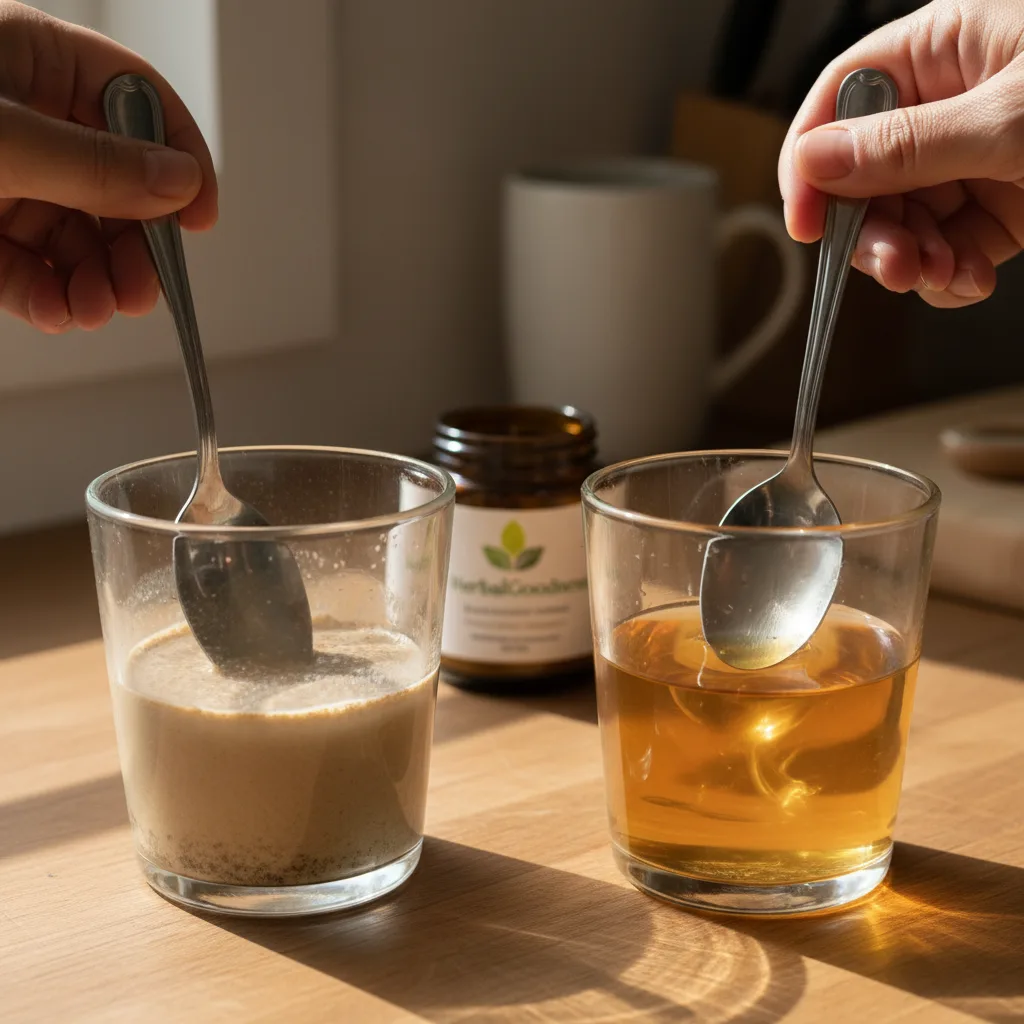
- Pour 4–6 oz of room-temperature water into each cup.
- Add a measured portion of powder to one cup and the extract to the other.
- Stir both briskly for 10–15 seconds.
Observe:
- Does the powder dissolve easily, clump, or settle at the bottom?
- Does the extract mix completely or leave residue?
- How do the liquid colors and clarity compare?
Solubility is especially important if you’re hoping for a grab-and-go option or want something that disappears effortlessly into a beverage.
Quick Solubility Exercise (Optional)
If you’re curious, repeat with a warm beverage like milk or herbal tea. Sometimes temperature or fat content changes how well powders integrate. For those who enjoy creative adaptability, products like Organic Papaya Seed Powder 4oz | Gut Cleanse & Digestive Support offer a similar flexibility for experimenting in blended drinks.
Step 3: Tasting—Flavor and Mouthfeel
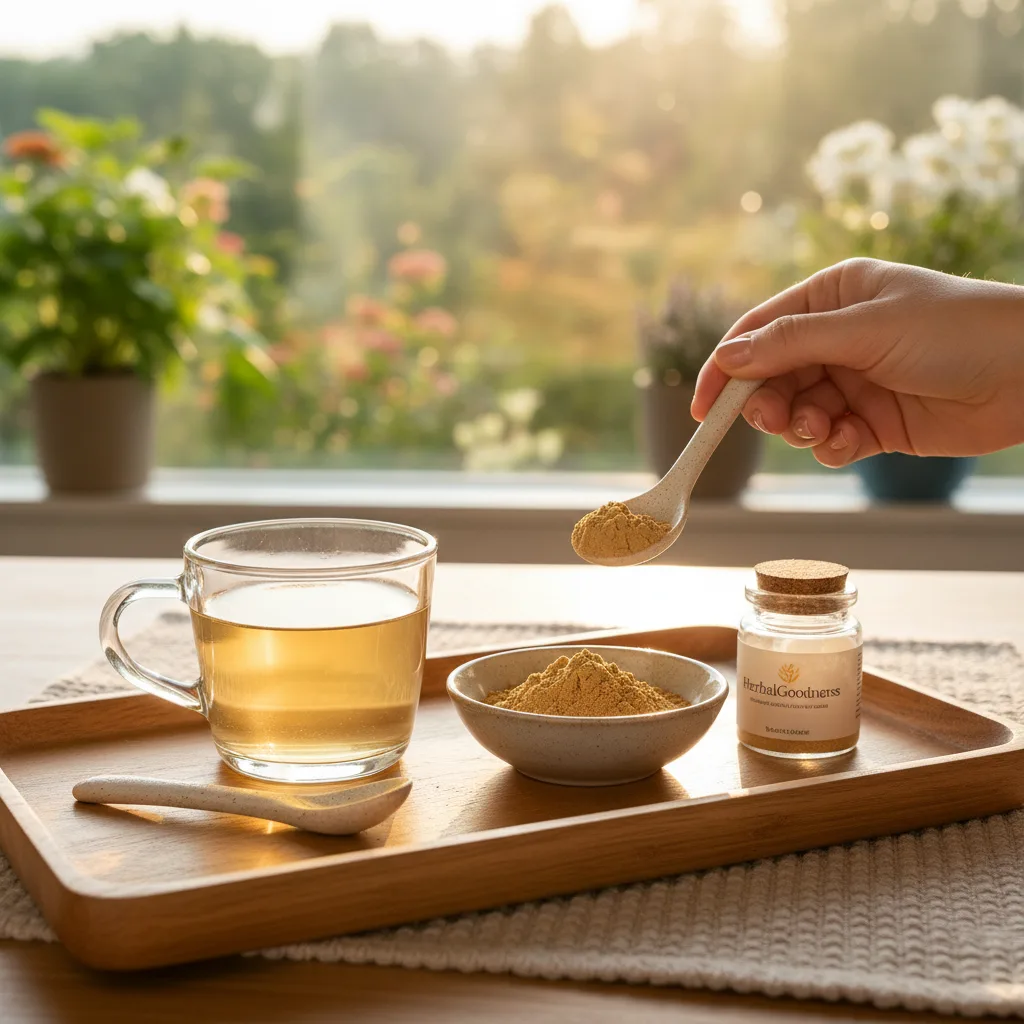
Now, sip each sample one at a time. Notice ashwagandha’s unique flavors, which can be earthy, slightly bitter, or mild, depending on format and source.
Ask yourself:
- How strong is the flavor?
- Is it easy to drink, or do you find the taste lingers?
- Does the powder have a gritty or chalky mouthfeel? Is the extract smooth?
- Are there aftertastes or pleasant botanical notes?
Between tastings, cleanse your palate with water. Write a few words describing your impressions of each: earthy, neutral, strong, smooth, bitter, clean—your own language is perfect!
Step 4: Noticing Preparation Factors—Ease of Use After the Test
Think about your daily routine:
- Did you find one format easier to mix, measure, or drink?
- Would you prefer something you can add to recipes, or would a simple shot of liquid fit your schedule?
- How much time are you willing to spend preparing or cleaning up?
Different lifestyles call for different forms. Busy mornings may call for solubility, while savoring mindful rituals may make hands-on preparation enjoyable. Liquid extracts such as Ashwagandha Extract | Organic Root Liquid – Stress, Energy & Mood are designed for ultimate convenience and rapid mixing.

For those especially sensitive to strong herbal tastes, capsules such as Green Papaya Fruit Extract - 4X 60/600mg Capsule - Digestion Aid can offer a more neutral option for daily use.
Step 5: Journaling and Tracking Your Experience
At-home testing isn’t just about a one-time taste. Keep a brief journal entry about:
- Which format you enjoyed most and why
- Practical challenges (mixing, cleanup, taste masking)
- Creative ideas (blending with smoothies, herbal infusions, etc.)
- Any patterns after trying both formats at different times of day
Over a few days, these reflections may make your decision clearer and more personal than just following label claims. Some enthusiasts even use this mindful approach for other herbal blends like Soursop Leaf Graviola Extract 15X Liquid | Organic Cell & Immunity as a way to engage with their taste and wellness goals.
Label Clues and Shopping Tips for Ashwagandha Formats
When comparing ashwagandha powder and extracts, a careful read of the label helps you make an informed decision that matches your needs.
For Powders:
- Check for ingredients—pure ashwagandha root, or are there fillers?
- Look for single-origin or responsibly sourced claims from brands like Herbal Goodness, which can signal thoughtful ingredient selection.
- Notice serving size and suggested preparation instructions.
For Extracts (Liquid or Solid):
- Identify extraction ratio (e.g., 10:1 or standardized to a specific compound).
- Note the type of solvent used (water, alcohol, or glycerin for liquids).
- See whether flavors or additional agents are listed—these can impact taste and mixability.
Use a similar label-attentive approach when choosing other supportive products, including Blood Platelet Plus Capsules 20X | 60ct – Advanced Platelet Formula, where extraction ratio and purity are also important.
The best format depends as much on your unique needs as on what’s on the label. Observing these details side-by-side with sensory testing gives you a full picture.
Matching Ashwagandha Formats to Everyday Lifestyles
There’s no universally “right” choice between powder and extract—the best fit is the one that gently folds into your life.
Powder might excel for:
- People who love customizing blends, smoothies, or home-brewed teas.
- Those who enjoy the sensory ritual of scooping, measuring, and tasting.
- Anyone who values whole root options and doesn’t mind a robust earthy flavor.
Extracts may suit:
- Those on the go, seeking easy, no-mess prep.
- People sensitive to herbal flavors, preferring a neutral dose added to water or juice.
- Anyone drawn to measured consistency, or who prefers capsules for simplicity.
Lifestyle fit is as individual as flavor preference—a quick experiment and reflection can make your daily herb routine far more enjoyable. It’s helpful to consider this flexible pairing when you browse blended herbal solutions like Body Detox Papaya Seed | Organic 15X Liquid Extract for Gut.
Troubleshooting: Common Sensory Questions Answered
Why does my ashwagandha powder sometimes clump or settle? Natural plant powders often retain fibers or starch, which can resist dissolving fully in water. Try blending in warm milk or using a frother for smoother results. Those using powders like Organic Rooibos Tea 8oz | Antioxidant & Immune Wellness Support might recognize the same challenge.
The extract tastes stronger—should I dilute it more? Yes, extracts (especially liquids) can be concentrated. Diluting in more water or juice often balances the taste, without altering other qualities.
The aroma is very herbal—does that mean it’s more potent? A strong aroma suggests less processing, but potency depends on both sensory factors and concentration. Aroma can also reflect freshness and sourcing.
Making a Confident Choice: Bringing It All Together
By mindfully observing the look, aroma, mixability, and taste of ashwagandha powder and extract, you’re developing a personal lens—one that respects both science and your unique preferences. Note how each format feels in your day-to-day routine. When you pay attention to small details and your own enjoyment, you’re more likely to stick with and benefit from herbal practices of all kinds.
Brands like Herbal Goodness often provide both powder and extract formats, which lets you select the perfect match for your lifestyle. Your at-home test is the first empowering step toward building your routine with confidence, awareness, and appreciation for sensory experience.
Frequently Asked Questions
Question 1: How can I minimize the strong taste of ashwagandha powder?
Answer: Blend powder into smoothies or warm beverages, or try alternatives like the easy-mixing Ashwagandha Extract | Organic Root Liquid – Stress, Energy & Mood for a milder flavor.
Question 2: Which format is better for a quick morning routine?
Answer: Extracts such as Ashwagandha Extract | Organic Root Liquid – Stress, Energy & Mood mix rapidly and are well-suited for busy mornings.
Question 3: Are there other adaptogenic herbs I can try in powder or extract?
Answer: Yes, options like Body Detox Papaya Seed | Organic 15X Liquid Extract for Gut and Raw Sea Moss 8oz Bag | St. Lucia Wildcrafted – Nature's Multivitamin also provide unique benefits and versatile formats.
Question 4: Does powder or extract offer better shelf life?
Answer: Extracts, especially in liquid or capsule form, often have a longer shelf life compared to most herbal powders due to reduced moisture and protective packaging.
Question 5: How do I check for quality in ashwagandha products?
Answer: Read labels for pure root ingredients, responsible sourcing, and standardized extract ratios. Brands offering thorough detail, as seen in Blood Platelet Plus Capsules 20X | 60ct – Advanced Platelet Formula, can inspire increased confidence.
Question 6: Can I use ashwagandha extract in recipes?
Answer: Yes. Liquid extracts mix well into beverages or even dressings, while powder blends can be stirred into baked goods or energy bites for added creativity.
Ready to discover which ashwagandha format fits seamlessly into your routine? Use these at-home comparison steps to make a confident, personalized choice that supports your herbal wellness journey.
About the Author
Herbal Goodness Editorial Team
The Herbal Goodness Editorial Team specializes in holistic health and superfoods, blending science and nature to educate and empower our community.
References
Share this

Popular posts


FAQs
1. What are the main benefits of drinking bamboo leaf tea?
Drinking bamboo leaf tea supports hydration, relaxation, skin wellness, and antioxidant balance.
2. What is bamboo leaf extract used for?
It’s used for general body wellness, skin elasticity, hair and nail support, and overall vitality.
3. Can bamboo leaf help with skin care and body wellness?
Yes, bamboo leaf is rich in silica and antioxidants, which promote healthy skin, strong nails, and a youthful glow.
4. What forms of bamboo leaf are available?
You can find dried bamboo leaf, powder, extract, drops, oil, and bamboo leaf green tea.
5. Are there any side effects of bamboo leaf?
Bamboo leaf is generally safe when consumed in moderation. Always consult your healthcare provider before starting any new herbal supplement.