





Which Moringa Format Is Greener? Environmental Impact of Powder vs Extract vs Tincture

Curiosity about making more sustainable choices extends to even the smallest daily wellness habits. As a naturally resilient and nutritious plant, moringa has earned a spot in many routines, but not all moringa products are created equal from an environmental perspective. If you’ve ever wondered whether powder, extract, or tincture is the greener choice, you're participating in a growing movement towards conscious consumption. Comparing the environmental footprint of these moringa formats isn’t just about the finished product—it’s about asking the right questions at every stage, from the field to your fork (or cup).
Understanding Moringa’s Journey from Plant to Product
Behind every moringa product is a multi-stage process, each with unique environmental impacts. To truly weigh which format might be greener, it helps to look beyond basic labels. Instead, focus on the major life cycle phases:
- Farming practices
- Processing techniques
- Packaging choices
- Transportation distance and mode
- Product shelf life and waste potential
Let's take a simple, clear-eyed tour of each format—powder, liquid extract, and tincture—to compare them across these factors.
Farming: Moringa’s Natural Advantages and Sustainability Considerations
Moringa trees thrive in diverse climates, require minimal water, and are naturally resistant to many pests. This makes their cultivation less resource-intensive than some other botanicals.
However, how the moringa is grown—whether under organic, regenerative, or conventional agriculture schemes—still matters. Locally or sustainably farmed moringa generally has a lower environmental toll due to reduced pesticide and fertilizer usage and reduced soil degradation.
Questions to ask yourself and suppliers:
- Is this moringa certified organic, or does it come from a farm using regenerative practices?
- What are the water and land use implications for this supplier?
Both powder and liquid formats generally originate with the same moringa leaves and trees, so it’s important to look for responsible sourcing regardless of final product form.
Processing: Comparing the Environmental Demands of Each Format
Moringa Powder
- Process: Moringa leaves are washed, shade-dried, and finely milled.
- Environmental impact: Minimal processing, often requiring less energy and water compared to other formats. Drying can sometimes be solar-powered.
- Byproducts: Usually very little waste, and any leftover stems or fibres can often be composted or returned to the soil.
Moringa Liquid Extract
- Process: Fresh or dried leaves are soaked in a liquid (such as water or glycerin), sometimes with gentle heating, to concentrate beneficial botanical compounds.
- Environmental impact: Extraction can require more water and energy. Commercial-scale extract facilities may offset this through recycling and energy recovery, but this varies widely.
- Byproducts: Spent moringa leaves may be compostable, but industrial waste streams need close monitoring.
Moringa Tincture
- Process: Leaves are steeped in alcohol (often ethanol) for weeks to draw out plant compounds.
- Environmental impact: Uses significant alcohol, which itself requires energy and resources to produce. Long steeping times may not be very energy intensive, but alcohol's manufacturing and disposal need to be considered.
- Byproducts: Alcohol and plant residues may sometimes be treated as hazardous waste.
Comparison tip: The fewer energy-intensive steps and chemical inputs, the lower the overall footprint. In most cases, powder is the least processed and direct form.
Packaging: Material Choices and End-of-Life Matters
Packaging can be a silent but significant contributor to a product’s overall environmental impact.
- Powder: Often packaged in plastic-coated pouches, tins, or glass jars; lightweight but sometimes not recyclable. Bulk sizes reduce waste per serving. Choosing formats such as Papaya Seed Powder - Organic 4oz Bag - Colon & Gut Cleanse enables you to buy in larger, less wasteful packaging.
- Liquid Extract/Tincture: Typically stored in glass dropper bottles or plastic containers. Glass is often recyclable but heavier to transport, raising fuel use. Droppers and closures can be difficult to recycle.
Questions to ask:
- Is the packaging recyclable or compostable?
- Can the container be easily reused for other household purposes?
- Does the product come in a bulk or refillable format?
Choosing formats in recyclable or reusable packaging, ideally purchased in larger quantities, generally reduces waste.
Transportation: The Tally of Travel
The environmental differences between moringa powder, extract, and tincture are further shaped by logistics. Weight, packaging, and origin all influence transport emissions.
- Powder: Lightweight and compact, usually resulting in more efficient, lower-emissions shipping per dose. Products such as Rooibos Tea - Organic 8oz - Immunity & Metabolism in powder form are excellent examples of lighter packaging.
- Extract and Tincture: Contain liquid, increasing product weight and, therefore, shipping emissions and cost. Glass bottles for tinctures add extra weight.
Locally or regionally sourced products, regardless of format, reduce transportation distances and related carbon output.
Shelf Life & Storage: Waste and Resource Consumption
- Powder: Generally has a long shelf life if kept dry and sealed, minimizing food waste.
- Extract: Shelf life depends on preservatives and storage conditions. Refrigeration may be needed, consuming additional energy. Options like Moringa Leaf Extract - Organic 1oz 15X Liquid Extract - Immunity & Wellbeing typically last longer when stored correctly.
- Tincture: Alcohol base is a natural preservative, which means tinctures often last a long time without refrigeration.
Formats that last longer reduce the chances of spoilage and waste. Look for airtight packaging and note storage guidelines to get the most from your product.

Ethical Sourcing and Transparency: What to Ask Suppliers
When choosing a moringa format, you have the power to select businesses committed to ethical, green practices. Here are practical questions you can ask:
- Is the moringa grown with waterwise or organic methods?
- Are workers paid fairly and provided with safe working conditions?
- What steps are taken to minimize processing, packaging, and shipping emissions?
- Is the supply chain traceable from farm to shelf?
Suppliers who provide clear, detailed answers often show genuine commitment to sustainability. A company with robust ethical standards, like those producing Papaya Leaf Extract 16oz – Organic 15X Liquid Papaya Leaf Herbal Supplement, illustrates the importance of transparency in sourcing and sustainability claims.
Everyday Tips for Greener Moringa Choices
- Buy in bulk: Reduces packaging and emissions per serving, especially for powders like Papaya Seed Powder - Organic 4oz Bag - Colon & Gut Cleanse.
- Choose recyclable or refillable packaging: Seek out brands that make it easy to reuse or recycle containers. Products like Rooibos Tea - Organic 8oz - Immunity & Metabolism are often available in eco-friendly pouches.
- Check for certifications: Organic, fair trade, or comparable seals can indicate higher eco standards.
- Opt for powder when in doubt: If minimizing processing and packaging is your top priority, powder is typically the closest to the original plant with the simplest ecological footprint.
- Support companies with transparent sourcing: A public sustainability policy and willingness to answer detailed questions is key. Look at the sourcing story behind products such as Moringa Leaf Extract - Organic 1oz 15X Liquid Extract - Immunity & Wellbeing.

Moringa and Herbal Goodness: Considering Broader Impacts
Brands with well-established sourcing, third-party certifications, and sustainability initiatives—like Herbal Goodness—often go the extra mile in minimizing their products’ environmental impact. While format matters, the company’s ethics and traceability practices can be just as important when you evaluate overall greenness. Bulk options such as Papaya Seed Powder - Organic 4oz Bag - Colon & Gut Cleanse further minimize packaging waste, while liquid choices like Papaya Leaf Extract 16oz – Organic 15X Liquid Papaya Leaf Herbal Supplement provide larger quantities with greater efficiency.
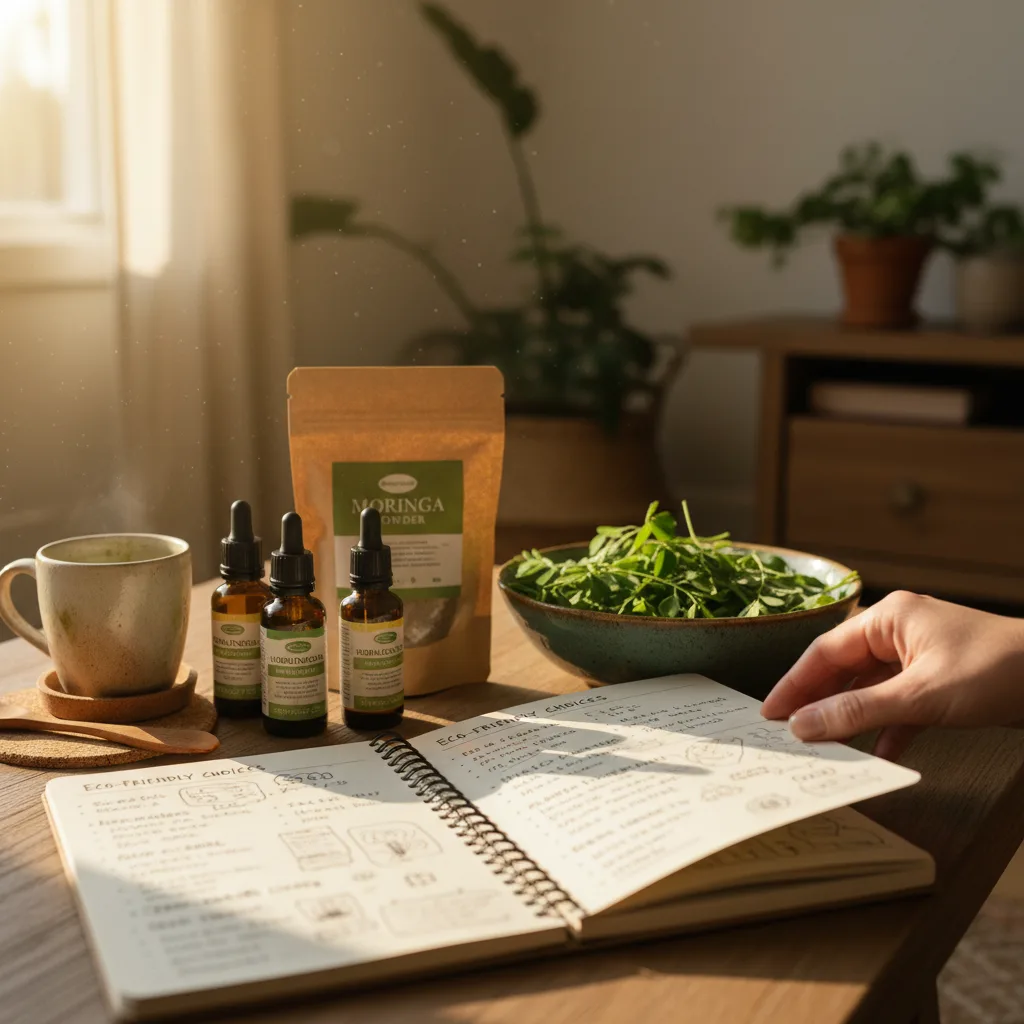
Wrap-Up: Empowered, Earth-Friendly Moringa Choices
Understanding the multi-stage journey of moringa products allows you to make greener decisions that go beyond trends and fads. By looking at farming, processing, packaging, shipping, and shelf life, you can thoughtfully select a moringa format that aligns with your values and habits. Whether you opt for powder for its simplicity, extracts for convenience, or tinctures for their longevity, your curiosity about sustainability makes a real difference.
Empowered consumers and responsible producers together can grow a future where even small daily choices, like how we enjoy moringa, add up to meaningful positive impact.
FAQs:
- How is moringa powder's environmental footprint different from extracts or tinctures?
Moringa powder usually involves minimal processing and simple drying, resulting in lower energy and resource use. Extracts and tinctures require more steps, materials, and packaging, raising their environmental footprint compared to powder.
- Does packaging significantly affect moringa's sustainability?
Yes, packaging matters. Recyclable, compostable, or reusable options reduce waste. Powder in bulk formats generally uses less packaging per serving than small glass tincture bottles or plastic containers for liquids.
- Are there eco-certifications to look for when choosing moringa products?
Certifications like USDA Organic, Fair Trade, or similar labels can indicate better farming practices and ethical sourcing. These often translate to a lower overall environmental impact.
- Is local sourcing always better for the environment?
Local sourcing often means fewer transport emissions and fresher products, but it's equally important to consider farming methods, processing, and packaging. Each factor contributes to the total environmental footprint.
- How can individuals reduce waste when using moringa?
Buying in bulk, choosing recyclable or refillable packaging, and storing products properly to extend shelf life are practical ways to lower waste. Supporting transparent and ethical brands also helps reduce overall impact.
- What questions should I ask suppliers about sustainability?
Good questions include: How is the moringa farmed? Is the packaging recyclable? What are your shipping practices? Do you support fair trade or local communities?
Author Name:
Herbal Goodness Editorial Team
Author Bio:
The Herbal Goodness Editorial Team specializes in holistic health and superfoods, blending science and nature to educate and empower our community.
References:
Introducing Graviola to Young Taste Buds: Fun, Family-Friendly Flavor Exploration
Graviola in the Classroom and at Home: Creative Activities to Teach Kids About Tropical Plants
Share this
Popular posts


FAQs
1. What are the main benefits of drinking bamboo leaf tea?
Drinking bamboo leaf tea supports hydration, relaxation, skin wellness, and antioxidant balance.
2. What is bamboo leaf extract used for?
It’s used for general body wellness, skin elasticity, hair and nail support, and overall vitality.
3. Can bamboo leaf help with skin care and body wellness?
Yes, bamboo leaf is rich in silica and antioxidants, which promote healthy skin, strong nails, and a youthful glow.
4. What forms of bamboo leaf are available?
You can find dried bamboo leaf, powder, extract, drops, oil, and bamboo leaf green tea.
5. Are there any side effects of bamboo leaf?
Bamboo leaf is generally safe when consumed in moderation. Always consult your healthcare provider before starting any new herbal supplement.