





Tincture Tasting 101: A Guide for Retailers Creating Educational In-Store Experiences

Curiosity around herbal tinctures has been rising as more shoppers seek hands-on experiences with botanical wellness. For retailers, this presents a unique opportunity: transform the store floor into a learning space where customers can explore the world of bulk herbal tinctures in a safe, compliant, and sustainable way. Offering a thoughtful tincture tasting can deepen engagement, empower staff, and foster a sense of curiosity—without veering into health advice or making unapproved claims.
Understanding Herbal Tincture Tasting Events
Many shoppers are intrigued but a bit hesitant when it comes to tinctures. Unlike familiar teas or capsules, tinctures are usually concentrated liquids with unique flavors and consistencies. Tasting events, when well-crafted, break down that intimidation barrier and offer a direct, sensory understanding of what differentiates one extraction method or herbal profile from another. For retailers, such experiences create memorable moments and promote trust.
If you're a retailer interested in offering high-quality herbal tinctures in your store, we’d love to support you. Click here to fill our wholesale form.
Core Objectives of a Tincture Tasting Event
A successful tincture tasting is designed to:
- Educate customers on extraction styles and flavor profiles
- Demystify solvent choices (like alcohol, glycerin, or vinegar)
- Showcase proper labeling and regulatory basics
- Encourage safe, measured sampling
- Spark curiosity using sensory descriptors (aroma, taste, mouthfeel)
By focusing on these objectives, retailers can create value for patrons who appreciate transparency and hands-on learning.
Building the Tasting Menu: Extraction Styles, Solvents, and Flavor Profiles
When deciding which tinctures to feature, consider diversity. Highlight various extraction techniques, such as:
- Alcohol-based tinctures: The most traditional and widely used, often featuring robust flavor and excellent shelf longevity. For those interested in cell renewal and immunity, Soursop Leaf Graviola Extract - - Organic 15X Liquid Extract - Cell Renew & Immunity is an excellent showcase of powerful herbal extraction.
- Glycerites: Alcohol-free formula using vegetable glycerin for a mild, slightly sweet result. Ideal for those avoiding alcohol.
- Vinegar or acetic extracts: Less common, but with a distinctive tangy note and culinary appeal.
Each base solvent imparts its own flavor, mouthfeel, and clarity. Prepare tasting notes cards for staff and customers, noting the source herb, extraction method, and tincture base.
Planning your own tincture tasting experience? We’re happy to partner with retailers looking for trusted botanical extracts. Click here to fill our wholesale form
Designing a Flavor Journey
Curate a lineup that emphasizes herbal variety:
- Earthy and grounding: Root-based extracts (like burdock or dandelion)
- Aromatic or citrusy: Leaf, flower, or peel tinctures (such as lemon balm or ginger)
- Sweet and mellow: Berry or seed-derived tinctures (like milk thistle or elderberry)
Provide descriptors so shoppers can identify flavors such as bitter, sweet, spicy, or grassy, giving them a fuller sensory vocabulary. Well-known picks for flavor learning include Papaya Leaf Extract 16oz – Organic 15X Liquid Papaya Leaf Herbal Supplement, which offers a unique herbal note while being easily integrated into tasting flights.
Sensory Sampling: Safe and Sustainable Practices
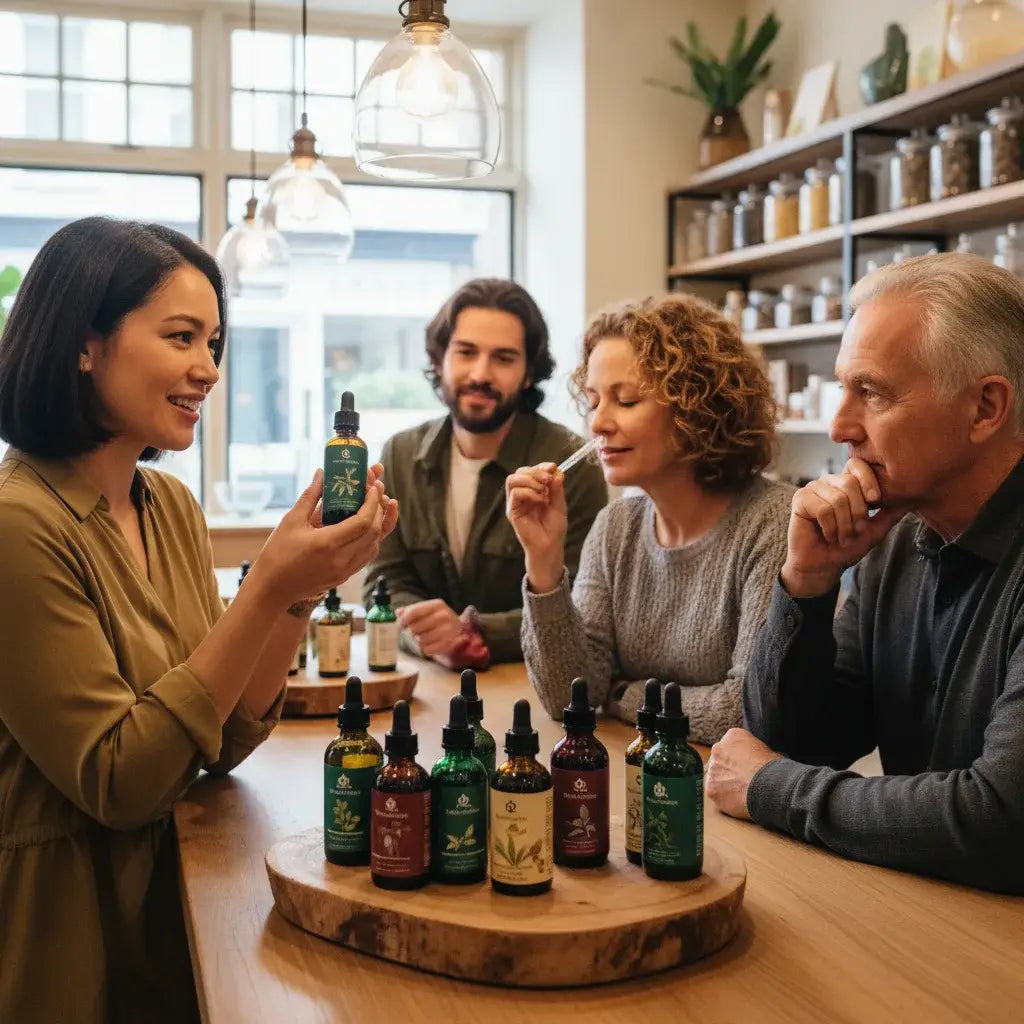
Tasting bulk herbal tinctures in a retail setting requires thoughtful planning, especially around hygiene and waste reduction. Here’s how to format a tasting that’s welcoming for all participants:
Sample Prep Essentials
- Use mini dropper bottles or pre-filled pipettes to portion precise, low-volume samples (typically a quarter dropper per sample is sufficient).
- Provide compostable cups or spoons for dispensing to avoid cross-contamination.
- Clearly label all sample containers with ingredient, base, and botanical name.
- Set out water and mild crackers to cleanse the palate between flavors.
To minimize waste and stress taste buds less, you may want to rotate the lineup with different botanicals. For more intensive events, try adding items like bulk loose leaf teas which complement tincture tastings and widen the sensory experience.
Sustainability Tips
- Limit the number of samples per person to minimize waste.
- Consider offering single-use, recyclable vessels if glass is not practical.
- Encourage guests to write tasting notes on reusable tablets or recycled scratch paper.
Staff Talking Points: Guiding a Safe, Non-Medical Conversation
The role of staff is to serve as stewards—explaining what makes each tincture unique without overstepping into regulated health topics. Here are sample talking points and prompts:
- “This extract uses organic alcohol as a solvent, which is traditionally valued for preserving a wide spectrum of plant compounds.”
- “Notice the difference in mouthfeel between this alcohol-based tincture and the glycerite—many describe glycerites as smoother.”
- “What aromatics stand out to you? Many people find this root tincture has an earthy note, while the berry is more mellow and sweet.”
- “You can read more about each herb’s background on our info cards. We focus here on flavor and process rather than on making any health recommendations.”
For those curious about rare botanicals, you might explore Sea Moss - Raw Dried from St Lucia - 8oz Bag - Nature's MultiVitamins which provides an additional talking point around superfoods and can inspire conversation about sourcing and traditional use.
Staff should avoid suggesting usage amounts or discussing possible effects. Instead, invite guests to ask questions about the extraction, sourcing, and flavor differences.
Signage and Labeling: Education Without Overstepping
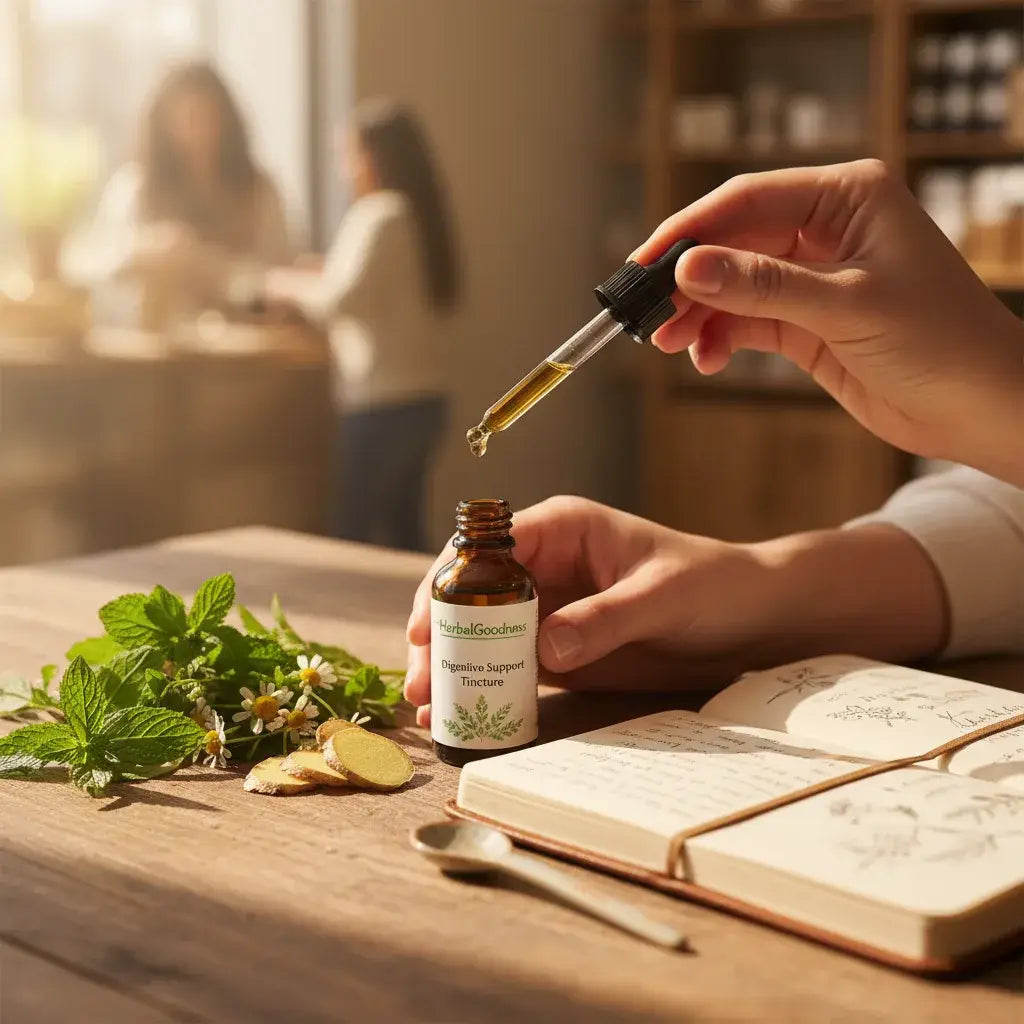
Effective store signage can reinforce the educational aspect while respecting compliance boundaries. Consider these best practices:
- Herb Name and Latin Name: For botanical clarity.
- Extraction Type: Alcohol, glycerin, or vinegar-based.
- Harvest or Batch Info: Where appropriate, highlight freshness and provenance.
- Sensory Language: Flavor notes, mouthfeel descriptors, color.
- Suggested Pairings: For culinary or mixology use, if relevant.
- Safety Reminders: Indicate that the sampling is for flavor exploration and that no health advice is being dispensed.
These cues help customers frame the experience as a journey through botanicals and traditional techniques, rather than as a source of specific outcomes. An inviting display featuring Soursop Leaf Graviola Extract - - Organic 15X Liquid Extract - Cell Renew & Immunity alongside detailed signage can be both educational and compliant.

Basic Regulatory and Safety Considerations
Staying within the boundaries of local and national regulations is essential. Here’s what you need to know:
Labeling and Sampling Regulations
- Clearly state all sample ingredients and potential allergens.
- Use labels in line with state and federal guidance: do not suggest any medical or functional benefits.
- Install signage making it clear that samples are for educational/sensory purposes only and are not intended for any particular outcome.
Hygienic Service
- Always use single-service utensils for dispensing.
- Sanitize tasting stations and utensils regularly.
- Monitor guest flow to avoid crowding at the sample bar.
Liability Awareness
- Check with your local health department for any specific rules or permits related to in-store tastings.
- Secure staff training on safe food handling and guest interaction boundaries.
Creating an Inviting Sensory Environment
A well-designed tincture tasting is more than a table with products—it’s about atmosphere and connection. To elevate your event:
- Set up a dedicated area with good lighting and simple décor (herbal arrangements, tasting mats).
- Play soft background music to reduce pressure and help guests focus on their senses.
- Offer a take-away info sheet with tips on sensory evaluation and extraction methods for later reference.
Encourage guests to share their impressions—what aromas are most noticeable? Which flavors linger? This makes the tasting dynamic and interactive, building a lasting association with your store’s expertise. If you’re featuring modern botanicals, Papaya Leaf Extract - Organic 1oz 15X Liquid - Blood Platelet can be presented alongside these experience-building touches.
Staff Training: Empowering Confidence and Curiosity
A genuine, curious approach from staff will transform guests’ experiences. Invest time in training your team to:
- Explain extraction and flavor differences clearly and accurately.
- Guide sampling politely, monitoring guest experience for comfort and inclusion.
- Reinforce the boundaries: no health, dosage, or outcome guidance.
- Listen well and reflect questions back into the realm of sensory and sourcing education.
Remind staff that their primary role is to foster a welcoming, informative environment—not to recommend how the tinctures should be used at home. Providing reference material about Papaya Leaf Extract Blood Support - Organic 1oz 15X Liquid Extract - Platelet Health helps establish credibility and supports educational goals.
Inspiring Ongoing Exploration
The aim of your tincture tasting event should be to spark interest and understanding, planting the seeds of herbal curiosity that extend beyond the experience. Offer gentle encouragement for guests to:
- Note which extraction styles and solvents appeal to their palate.
- Ask future questions about sourcing and preparation.
- Attend future events or workshops that dive deeper into botanical topics.
With the right approach, a tasting event becomes an entry point—helping customers navigate the world of bulk herbal extracts with confidence and delight.
If you’re ready to bring educational herbal experiences to your customers, we’d love to work with you. Click here to fill our wholesale form
FAQs:
- What’s the best way to prepare safe tincture samples for an in-store tasting?
Use clean, single-use droppers or pipettes to portion small, measured samples into compostable cups or spoons. Clearly label each sample’s herbal source and extraction type and ensure utensils and surfaces are sanitized frequently.
- How can staff explain tincture flavors to customers?
Describe sensory notes such as bitter, sweet, earthy, tangy, or spicy. Discuss differences in mouthfeel and aroma depending on the herb and extraction method, focusing on traditional uses and natural variations.
- Are there any legal considerations for tincture tastings?
Yes—do not make health or usage claims. Clearly label samples, ingredients, and potential allergens. Follow local and federal regulations on sampling, and post signage indicating that the event is educational and not offering advice.
- What should in-store signage include during a tincture tasting?
Include the common and Latin name of each herb, extraction base, flavor descriptors, batch details, and a reminder that the tasting is purely for sensory exploration—not intended for any outcome.
- How can retailers make tincture tastings engaging and low-waste?
Use limited, small samples, compostable vessels, and reusable info sheets or tasting mats. Encourage customer feedback and provide palate cleansers to create a meaningful, sustainable experience.
- What staff training is essential for tincture tasting events?
Train staff to explain extraction and flavor differences, guide tastings politely, reinforce boundaries around health advice, and maintain cleaning protocols throughout the event.
Author Name:
Herbal Goodness Editorial Team
Author Bio:
The Herbal Goodness Editorial Team specializes in holistic health and superfoods, blending science and nature to educate and empower our community.
References:
Introducing Graviola to Young Taste Buds: Fun, Family-Friendly Flavor Exploration
Graviola in the Classroom and at Home: Creative Activities to Teach Kids About Tropical Plants
Share this
Popular posts


FAQs
1. What are the main benefits of drinking bamboo leaf tea?
Drinking bamboo leaf tea supports hydration, relaxation, skin wellness, and antioxidant balance.
2. What is bamboo leaf extract used for?
It’s used for general body wellness, skin elasticity, hair and nail support, and overall vitality.
3. Can bamboo leaf help with skin care and body wellness?
Yes, bamboo leaf is rich in silica and antioxidants, which promote healthy skin, strong nails, and a youthful glow.
4. What forms of bamboo leaf are available?
You can find dried bamboo leaf, powder, extract, drops, oil, and bamboo leaf green tea.
5. Are there any side effects of bamboo leaf?
Bamboo leaf is generally safe when consumed in moderation. Always consult your healthcare provider before starting any new herbal supplement.