





Soursop Leaf vs. Soursop Bitters: Flavor-First Tasting Guide for Curious Explorers

Embarking on a sensory journey with soursop can be as rewarding as it is flavorful. Soursop leaf and soursop bitters, though sourced from the same plant, reveal a vast spectrum of taste experiences through their unique formats—whether brewed as comforting teas, invigorating cold infusions, or bold bitters for cocktails. This guide invites curious explorers to step into the world of soursop, comparing the sensory delights of leaf and bitters preparations. From subtle aromas and complex flavors to appealing colors and creative pairings, you’ll discover practical tips for preparation, storing, and even journaling your own tasting notes. Uncover which soursop form speaks to your palate as you follow a flavor-first approach, perfect for those ready to delve beyond the basics.
Exploring Soursop Leaf Preparations: Tea and Cold Infusion
Sourcing and Steeping Soursop Leaves
The journey begins by choosing quality dried soursop leaves. Look for clean, vibrant green-brown leaves with a fresh, tannic aroma. To brew tea:
- Choose loose, whole soursop leaves for more robust flavor.
- Rinse leaves under cool water.
- Steep 3–4 leaves in hot water (just below boiling) for 5–10 minutes.
- Strain and savor your fresh soursop leaf tea.
For cold infusion:
- Place rinsed leaves in a pitcher of cold filtered water.
- Refrigerate and steep for 4–8 hours.
- Serve chilled, optionally with a slice of citrus.
Tip: Longer steep times deepen the infusion’s color and intensity. Start light and experiment!
Enjoying a cup of hot soursop leaf tea brings a gentle, earthy delight. If you prefer convenience without sacrificing quality, consider the Soursop Leaf Tea Graviola Leaves - Organic 24/2g Tea Bags - Immunity & Cell Renew, which conveniently packages the benefits of whole leaves in each bag.
Aroma: Inhaling the Essence
Soursop leaf tea emits a gentle, herbal aroma with earthy green notes reminiscent of fresh-cut grass, mild wood, and a whisper of hay. Cold infusions tend to release an even lighter scent, with soft mineral and delicate floral undertones. Compare by gently swirling each cup and inhaling just above the rim.
Flavor: The Subtleties of the Leaf
Soursop tea reveals mild vegetal notes, subtle astringency, and a refined herbal sweetness. The taste is smooth, lacking harshness, and finishes with a slight tannic dryness. Cold infusions are even milder, sometimes described as gently grassy with a faint natural sweetness—a perfect base for creative twists with fruits or herbs. Those looking to streamline their soursop ritual, or brew in batches, can turn to Soursop Graviola Leaf (Whole Leaves) - Organic - 300 + Leaves - Immune & Wellness Support for ample supply and freshness throughout the season.
Mouthfeel: Texture on the Tongue
Hot tea coats the tongue with warmth, delivering a comforting, slightly astringent mouthfeel that’s very clean and crisp. Cold infusions glide with a lighter body and a refreshing sensation, especially when served over ice. This difference in mouthfeel highlights why many tea drinkers explore bulk loose leaves, adjusting leaf quantity for their preferred brew.
Color: The Visual Appeal
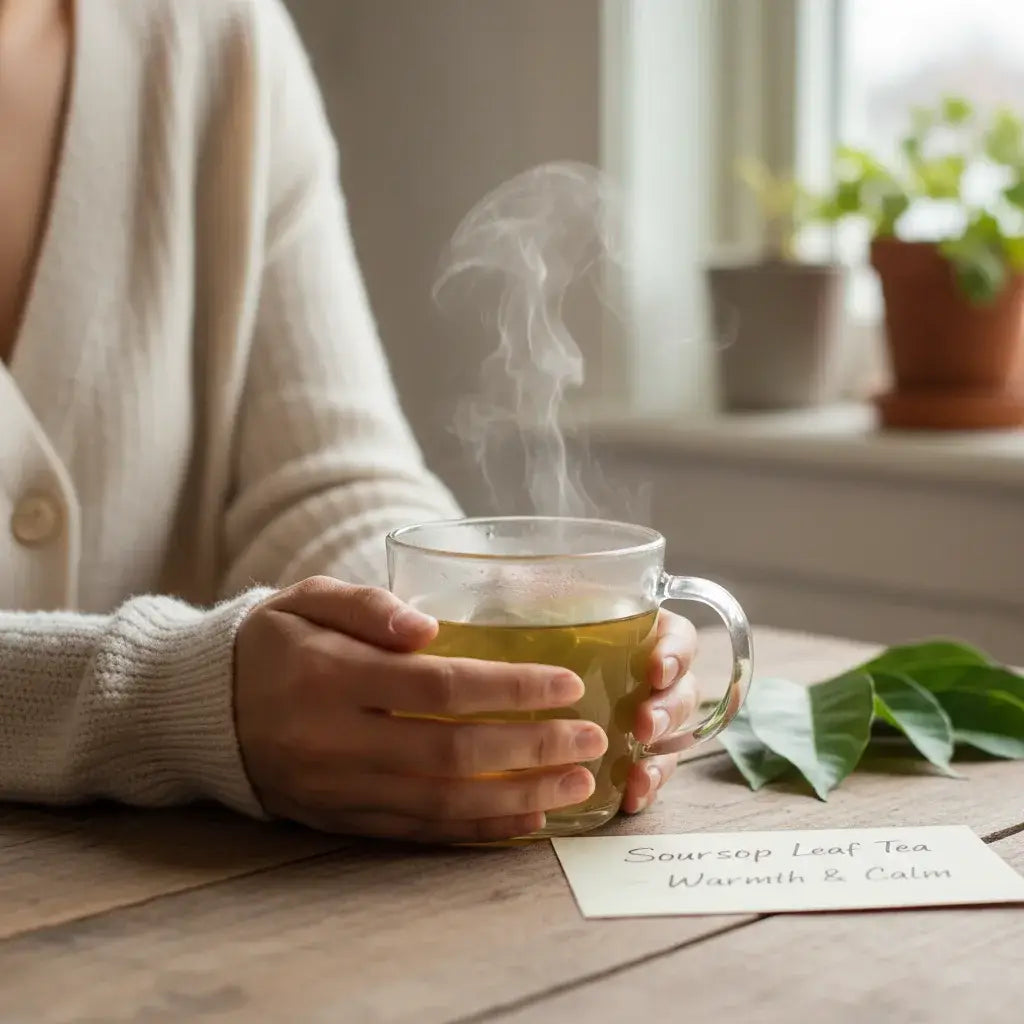
Soursop leaf tea presents a golden-yellow to pale green hue. Oversteeping turns the shade richer but may intensify bitterness. Cold infusions remain light, with a translucent yellow-green tint.
Pairing and Serving Inspiration
- Hot soursop tea: Pair with light pastries, mild cheeses, or nutty snacks.
- Cold infusion: Add fresh mint, berries, or citrus slices for a hydrating beverage.
- Soursop leaf preparations complement breakfast spreads, afternoon snacks, and quiet reading moments.
Storage and Freshness Tips
- Store dried leaves in an airtight container away from light and moisture.
- Brewed tea or infusion can be refrigerated for up to 48 hours. Always consume soon for peak aroma and taste!
The World of Soursop Bitters: Drops and Mixology Explorations
Introduction to Soursop Bitters
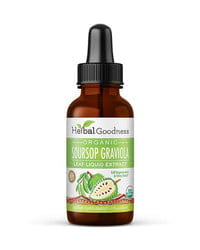
Soursop bitters are concentrated extracts of soursop leaves (sometimes with additional roots and barks), infused into alcohol or glycerin for an intense flavor profile. Sold as drops or tinctures, these offer a versatile format for direct tasting, creation of tonics, or crafted cocktails. For those looking to experience this concentrated essence, the Soursop Leaf Graviola Extract - - Organic 15X Liquid Extract - Cell Renew & Immunity delivers an organic, high-potency format, perfect for culinary or wellness exploration.
Tasting Soursop Bitters Neat
To taste bitters:
- Add 1–2 drops to a spoon or tasting glass.
- Smell deeply; notice the upfront aroma.
- Taste by touching a drop to the tongue; focus on flavor and aftertaste.
Aroma: Complexity Unleashed
Soursop bitters carry a bold, concentrated aroma. Expect complex herbal notes mingling with light citrus, hints of spice, and earthy wood. Alcohol-based bitters will present a pungent, spirited nose, while glycerin-based versions offer a gentler scent.
Flavor: Bold Contrasts
Bitters deliver potent, layered flavors—herbaceous, sharp, and slightly tangy. Notes may include green wood, dried herbs, and undercurrents of spice. Expect more bitterness and depth than soursop teas, offering a lingering, adventurous finish. The Soursop Bitters - 15X Liquid Extract - Detox & Cell Renew is tailored for those craving complexity in every drop, whether in mocktails or sprinkled over fresh fruit.
Mouthfeel: Intensity Amplified
A single drop may tingle, with a pronounced astringency and warming sensation from alcohol bases. Glycerin bases are smoother, offering a thicker, sweet viscosity. Bitters engage the palate more intensely and are best savored slowly.
Visuals: Drops & Mixes
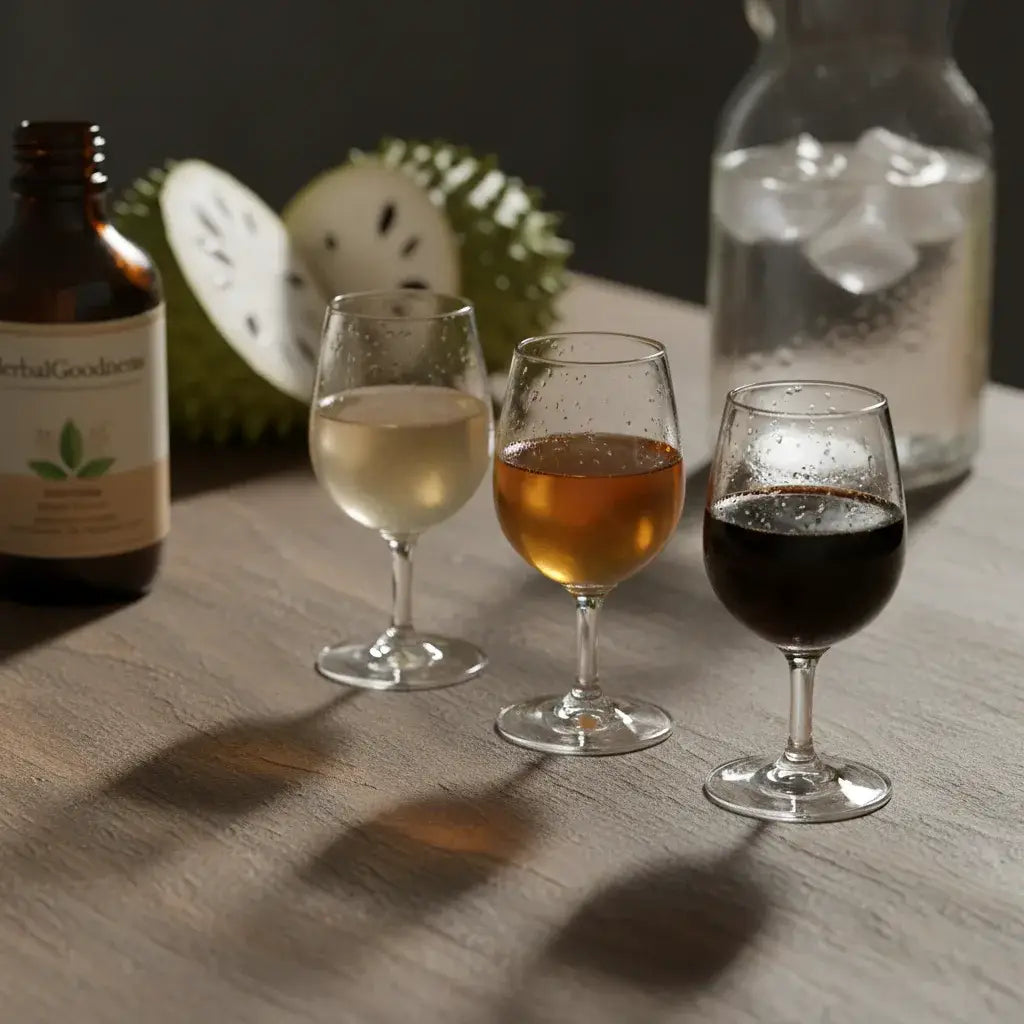
Color varies from pale yellow to deep amber or brown, depending on the preparation. In cocktails, bitters can transform the drink’s hue, adding intrigue with just a few drops.
Pairing and Mixing Ideas
- Classic bitters: Add to sparkling water or herbal sodas for a zesty twist.
- Cocktail ingredient: Brighten up gin, rum, or tequila-based cocktails with 1–5 drops.
- Food creativity: Dash in vinaigrettes or marinades for a herbal undertone. For enthusiasts seeking more convenient daily use, Soursop Bitters Graviola Extract - 120/1000mg Capsules - Immunity & Wellbeing offers capsule form for an easy, measured dose.
Tip: Start with small amounts—bitters are intensely flavored and should never overwhelm.
Storing Soursop Bitters
- Keep tightly sealed, out of sunlight, and away from heat.
- Alcohol-based bitters preserve well for months; glycerin bases should be used within six months for freshest taste.
From Sipping to Journaling: Tracking Your Soursop Adventure
Creating a Tasting Journal
For flavor explorers, keeping a tasting journal can transform casual sipping into a more mindful journey. Here’s how to structure your notes:
- Date and Format: Note whether tasting soursop leaf tea, cold infusion, or bitters.
- Aroma: Write your impressions as soon as you smell the preparation.
- Flavor: Use vivid adjectives—herbal, grassy, bold, delicate, sharp, mellow.
- Mouthfeel: Describe body and texture—warm, astringent, light, smooth.
- Color: Jot a quick reference: pale gold, deep amber, translucent green.
- Pairing and Mood: List what you paired with and your context (solo tea time, gathering, cocktail hour).
Cultivating this practice not only sharpens your sensory skills but also helps identify personal preferences to revisit favorite blends or innovate future pairings.
Comparing Soursop Leaf and Bitters: When and Why to Choose Each
Experiencing the Full Range of Soursop
- Soursop leaf tea or cold infusion is best for those who enjoy subtle, soothing, all-day sipping. It’s approachable for new explorers and welcoming for those who like customizing with fruits, herbs, or sweeteners.
- Soursop bitters, on the other hand, suit the adventurous palate—ideal for cocktail enthusiasts or anyone seeking a flavor punch in small, measured quantities. Their concentrated nature lends itself well to creative mixology, gourmet pairings, or explorations in herbal blending.
Factors to Consider
- Flavor intensity: Teas are mild; bitters are bold.
- Preparation time: Tea and cold infusion require more time, while bitters offer quick impact.
- Versatility: Teas serve as an everyday beverage, whereas bitters are perfect for nuanced culinary or cocktail use.
Soursop Pairings: How to Integrate Into Your Culinary Routine
For a refreshing approach to soursop:
- Soursop leaf tea matches well with midday snacks, toast, or sweet pastries.
- Cold infusions offer a base for wellness mocktails; try with pomegranate seeds and lemon.
- Soursop bitters shine in craft cocktails, homemade sodas, or drizzled atop sliced melon and citrus salads.
Pairings are only limited by imagination. Let your senses lead—experiment, note what you enjoy, and share your discoveries.
Practical Tips for New Soursop Tasters
- Always begin with fresh, high-quality soursop leaves or reputable bitters sources.
- Adjust preparation parameters—steep time, temperature, drop count—to match personal taste.
- Serve preparations in clear glassware to appreciate color.
- Use filtered water for cleanest infusions.
- Invite friends for a tasting session and exchange notes for a richer experience.
A holistic tasting journey with soursop can be as simple or intricate as you wish. The heart of exploration lies in savoring, recording, and celebrating each unique encounter.
FAQs:
- What is the key difference between soursop leaf tea and soursop bitters?
Soursop leaf tea is made by steeping dried leaves in water, delivering a mild, herbal flavor. Soursop bitters are concentrated liquid extracts, providing a much bolder, more complex taste experience, often used in small amounts for beverages and culinary creations.
- How should I store soursop leaves and bitters for best freshness?
Dried soursop leaves should be kept in an airtight container away from heat and light. Soursop bitters should be tightly sealed and stored in a cool, dark place; alcohol-based versions last longer, while glycerin-based ones are best used within six months.
- Can I use soursop bitters in non-alcoholic drinks?
Yes, soursop bitters can add herbal depth to sparkling water, herbal sodas, or creative mocktails. Always start with a small amount, as the flavors are highly concentrated.
- What foods pair well with soursop leaf tea or cold infusion?
Soursop leaf tea and cold infusions blend nicely with light snacks such as pastries, fresh fruit, mild cheeses, or nuts. The gentle flavors enhance rather than overpower accompanying foods.
- How can I best describe the flavor of soursop leaf tea?
Soursop leaf tea features herbal, grassy, and mildly astringent notes, with subtle sweetness and a clean, smooth finish. The flavor profile is delicate and approachable.
- What is the best way to begin tasting soursop bitters?
Use just one or two drops on a spoon or in a beverage. Smell and taste carefully, noting the complex, bold flavors before increasing the amount according to your preference.
- Is there a benefit to keeping a tasting journal for soursop products?
Yes, keeping a journal sharpens sensory awareness and helps track personal preferences. Logging aroma, flavor, mouthfeel, and pairing notes enhances the overall tasting journey.
Author Name:
Herbal Goodness Editorial Team
Author Bio:
The Herbal Goodness Editorial Team specializes in holistic health and superfoods, blending science and nature to educate and empower our community.
References:
Introducing Graviola to Young Taste Buds: Fun, Family-Friendly Flavor Exploration
Graviola in the Classroom and at Home: Creative Activities to Teach Kids About Tropical Plants
Share this

Popular posts


FAQs
1. What are the main benefits of drinking bamboo leaf tea?
Drinking bamboo leaf tea supports hydration, relaxation, skin wellness, and antioxidant balance.
2. What is bamboo leaf extract used for?
It’s used for general body wellness, skin elasticity, hair and nail support, and overall vitality.
3. Can bamboo leaf help with skin care and body wellness?
Yes, bamboo leaf is rich in silica and antioxidants, which promote healthy skin, strong nails, and a youthful glow.
4. What forms of bamboo leaf are available?
You can find dried bamboo leaf, powder, extract, drops, oil, and bamboo leaf green tea.
5. Are there any side effects of bamboo leaf?
Bamboo leaf is generally safe when consumed in moderation. Always consult your healthcare provider before starting any new herbal supplement.