





Shopper’s Guide to Sustainability Claims on Oregano Oil in 2026

Shopper’s Guide to Sustainability Claims on Oregano Oil in 2026
Oregano oil shoppers are more conscious than ever about the footprints their purchases leave on the world. With an explosion of eco-labels and ethical terms on supplement bottles—words like “regenerative,” “wild-crafted,” “fair trade,” and “carbon-neutral”—it’s easy to feel overwhelmed by all the green promises. What do these labels really mean for the planet, for farmers, and for you as a consumer? This comprehensive guide lets you decode oregano oil sustainability claims, understand their true significance in farming and production, and choose with confidence and conscience in 2026.
Understanding Sustainability in Oregano Oil
Sustainability, once a “nice-to-have,” is now a central concern for both producers and shoppers. But the word means much more than just “organic.” Sustainable oregano oil takes into account:
- How oregano is grown or foraged
- The well-being of farmers and workers
- The ecological impact of harvesting and processing
- The supply chain’s effect on local communities and global carbon emissions
By knowing the nuances behind each claim, you can support products that align with your values. One way sustainability appears is in the increasing demand for responsibly-sourced botanicals, not only in oregano supplements but also in products like Soursop Leaf Graviola Extract - - Organic 15X Liquid Extract - Cell Renew & Immunity, which value ethical sourcing and eco-certification.
Decoding Sustainability Labels on Oregano Oil
Modern oregano oil products bear a mosaic of eco-ethical indicators. Let’s break down the most common ones, uncovering what they signal in practice.
What “Regenerative” Means in Oregano Oil
Regenerative agriculture goes beyond not harming the earth—it’s about improving it. For oregano oil, regenerative practices might include:
- Rotating crops to enrich soil health
- Avoiding pesticides and synthetic fertilizers
- Planting cover crops and restoring native habitats
- Prioritizing biodiversity by interspersing oregano with other beneficial plants
When you see “regenerative” on an oregano oil label, it suggests that the producers are actively working to leave the land better than they found it—improving soil, increasing pollinators, and replenishing ecosystems rather than simply sustaining current conditions.
Shopper Tip
Ask: Does this brand partner with regenerative farms? Look for evidence of soil restoration, cover cropping, or biodiversity projects.
Consumers interested in broader regenerative options might also consider Papaya Leaf Extract - - Organic 16oz 15X Liquid Extract, which supports natural farming systems and responsible ingredient sourcing.
The Truth Behind “Wild-Crafted” Oregano Oil
Wild-crafted sounds appealing and romantic, conjuring images of pristine mountains and traditional hand-harvesting. Wild-crafted oregano oil typically means the oregano plants were gathered in their natural habitat, not grown in managed fields.
But there’s nuance:
- True wild-crafting requires strict attention to preserving native plant populations and delicate ecosystems.
- Responsible wild-crafting includes limits on how much is gathered, careful selection of healthy plants, and respecting re-growth cycles.
- Without oversight, wild harvesting can pressure wild oregano stands or disrupt wildlife.
Shopper Tip
Ask: Does the company provide details about how and where their oregano is wild-harvested? Responsible brands are transparent about habitat conservation and ethical foraging practices.
These values are also mirrored in the choice of complementary ingredients and blends. For example, Sea Moss - Raw Dried from St Lucia - 8oz Bag - Nature's MultiVitamins is prized not only for its benefits but for sourcing practices that respect regenerative marine ecosystems, demonstrating that expectations of wild-crafted integrity extend beyond oregano itself.
The Role of “Fair Trade” in Oregano Oil
Fair trade is a well-known term in coffee and chocolate, but it’s making its way into herbal supplements, including oregano oil. For oregano farming, a fair trade label means:
- Ensuring fair wages and safe working conditions for farmers and laborers
- Encouraging long-term relationships between buyers and small-scale producers
- Supporting community investments, such as schools or healthcare
Buying fair trade oregano oil increases the chances that your supplement purchase uplifts farming communities and prioritizes justice, not just profit.
Shopper Tip
Ask: Are there fair trade certifications on the label? Reputable programs should be named and verifiable.
Sustainably-minded consumers may also find assurance in exploring label transparency on related items such as Black Seed Oil 8oz - Cold-Pressed Liquid - Immunity & Wellness, which often uphold robust standards involving fair trade and eco-beneficial partnerships.
Untangling “Carbon-Neutral” Certifications
“Carbon-neutral” signifies that the company has accounted for and offset greenhouse gas emissions from growing, processing, and transporting oregano oil.
Efforts may include:
- Reducing production emissions through efficient farming and processing technologies
- Using renewable energy (solar, wind) for drying and distillation
- Offsetting remaining emissions via tree planting or renewable energy credits
Shopper Tip
Ask: How does this company achieve carbon neutrality? Look for supporting details, such as public climate action plans, not just a logo.
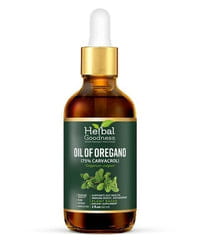
It's increasingly popular for trusted wellness brands to seek carbon-neutral or low-impact certifications for more than just oregano, reinforcing your confidence when seeing these standards on a Oil of Oregano (75% Carvacrol) - 2oz Liquid - Immunity bottle—or the equivalent for companion plant oils.
How Sustainability Claims Relate to Oregano Farming and Processing
Layering on various sustainability certifications changes how oregano gets from field or mountainside to shelf. Here’s how:
Farming and Harvesting
- Regenerative: Encourages crop rotation, reduced tillage, and using natural compost, creating healthier soil for oregano plants
- Wild-crafted: Promotes careful foraging, re-growth cycles, and attention to ecosystem balance
- Fair trade: Rewards laborers fairly, provides training, and strengthens rural economies
- Organic (still important!): Avoids harsh synthetic chemicals but doesn't automatically ensure fair labor or ecosystem enrichment
A practical example comes from the popularity of powerful natural extracts with transparent ingredient stories, where organic and regenerative practices set brands apart.
Processing and Manufacturing
- Carbon-neutral initiatives can dictate processing facility choices (favoring solar-powered distilleries or local bottling)
- Use of non-toxic solvents and recyclable packaging aligns with holistic sustainability goals
- Transparency about each step is key—truly sustainable brands trace oregano from ground to bottle

Brands achieving these standards often extend such efforts to other functional products. As you check for carbon-neutral certifications on oregano, you can also find confidence in the entire collection of responsibly-produced wellness herbs and products.
Common Sustainability Terms on Oregano Oil Labels
Navigating label language can be tricky. Here’s a glossary to help:
- Organic: Grown without synthetic chemicals or GMOs, but may not address social equity or habitat restoration
- Regenerative: Actively improves soil, water, and biodiversity
- Wild-crafted: Harvested from the wild, adherence to ecological guidelines varies
- Fair Trade: Guarantees fair pay and working conditions for producers
- Carbon-neutral: Company offsets or reduces greenhouse emissions to net zero
- Sustainably-Sourced: Vague unless defined—look for specifics
- Non-GMO: Oregano is naturally non-GMO, but labels often reiterate this for assurance
Transparency is central. Demand clarity from makers—if a company is vague, consider instead brands with detailed sustainability breakdowns, such as those who describe supporting both biodiversity and social impact through each Soursop Leaf Graviola Extract - - Organic 15X Liquid Extract - Cell Renew & Immunity batch or those practicing fair labor policies.
Red Flags and “Greenwashing” in Sustainability Marketing
With sustainability in the spotlight, some brands may use eco-friendly terms loosely. Here’s how to spot and avoid hollow claims:
- Lack of Details: Broad statements about “planet-friendly” practices without measurable actions or certification
- Single-Attribute Logic: Using “organic” or “wild-crafted” as the only sustainability metric, ignoring labor or packaging impacts
- No Certification or Oversight: Claims not backed by recognized third-party verification bodies
- Vague Language: Phrases like “all-natural,” “clean,” or “eco” without specifics
A good example of genuine transparency can be seen in Papaya Leaf Extract - Organic 1oz 15X Liquid - Blood Platelet. Its straightforward ingredient source info and sustainable labeling are signs of a trustworthy product, similarly desirable in your oregano oil.
How to Be a Savvy, Sustainable Oregano Oil Shopper
Making informed choices isn’t about chasing every certification, but asking the right questions and prioritizing what matters to you. Here’s a simple framework:
1. Decide What Sustainability Means to You
- Is your top value ecological restoration, social justice for farmers, or minimizing your carbon footprint?
- Rank your priorities before shopping.
2. Look for Specific, Transparent Information
- Legitimate brands welcome questions and can describe supply chain details
- Check websites or customer service for clarity
3. Prefer Certifications from Independent Bodies
- Verify claims like “regenerative,” “fair trade,” or “carbon-neutral” via recognized organizations
- Examples: Regenerative Organic Certification (ROC), Fairtrade International, Climate Neutral Certified
4. Examine the Full Lifecycle
- Was the oregano oil sustainably packaged?
- How far did it travel from farm to bottle?
5. Avoid Distraction by Buzzwords
- Focus on meaningful claims, not just attractive packaging
6. Ask These 5 Crucial Questions
- What specific practices make this oregano oil regenerative, fair trade, or carbon-neutral?
- Are these claims verified by outside organizations?
- How does the company support biodiversity and soil health?
- What’s the brand’s relationship with growers and harvesters?
- Does packaging reflect the same commitment to sustainability?

Taking the time to review sustainability details enhances your shopping confidence. For those who want extra insurance of responsible practices, reviewing the track record of products such as Oil of Oregano (75% Carvacrol) - 2oz Liquid - Immunity—with certifications and farm-level disclosures—can set trustworthy benchmarks.
The Future of Oregano Oil and Sustainability Claims in 2026
As shoppers grow more informed, the market is responding with broader, deeper approaches to sustainability:
- Integrated Certifications: Emerging certifications now cover both environmental and social standards, giving a fuller picture of a product’s impact.
- Transparency Tech: Blockchain and digital traceability tools may soon let you scan a QR code to see the full history of your oregano oil.
- Holistic Metrics: Beyond organic, tomorrow’s labels account for soil health, worker well-being, water conservation, and carbon sequestration all together.
By learning to read between the lines of sustainability claims, you’re not just buying oregano oil—you’re casting a vote for the type of world you value.
FAQs:
- What does 'regenerative' agriculture mean for oregano oil?
Regenerative agriculture refers to farming practices that not only sustain but actively improve soil, water, and biodiversity. For oregano oil, this can mean rotating crops, using natural compost, encouraging diverse plantings, and restoring local ecosystems. It signals a brand’s commitment to enhancing the land for future generations.
- Is wild-crafted oregano oil better than farmed?
Wild-crafted oregano oil comes from plants harvested in their natural habitat. While this can preserve traditional methods and unique flavors, it’s only sustainable if foraging respects re-growth cycles and local ecosystems. Farmed oregano can also be highly sustainable, especially with regenerative or organic techniques, so “better” depends on harvesting and land management.
- How can I confirm a 'fair trade' claim on oregano oil?
Look for clear labeling by recognized organizations, such as Fairtrade International or Fair for Life. Reputable brands are transparent about their fair trade partnerships, typically offering traceable information about growers and community investments when asked.
- What makes an oregano oil 'carbon-neutral'?
A carbon-neutral label indicates the brand has measured and reduced its emissions as much as possible, and offsets any remaining footprint through projects like reforestation or renewable energy. It's best to see specific details or third-party verification of these efforts—not just a simple logo.
- Which sustainability certification matters most for oregano oil?
There’s no single 'best' certification—each emphasizes different aspects of sustainability. Regenerative focuses on land health, fair trade highlights social responsibility, and carbon-neutral targets climate impact. Choose based on your top values, and seek brands that are transparent with their practices.
- Are organic and sustainable the same thing?
While organic growing avoids synthetic chemicals and GMOs, it doesn’t always address issues like fair wages or active ecosystem restoration. Sustainable practices consider a broader range of social and environmental impacts, often building on but going beyond organic certification.
- How do I avoid 'greenwashed' oregano oil claims?
Prioritize details over buzzwords—seek out brands that offer specific descriptions of their farming, labor, and climate commitments, ideally supported by external verification or certification. Avoid vague statements without substantiation.
Author Name:
Herbal Goodness Editorial Team
Author Bio:
The Herbal Goodness Editorial Team specializes in holistic health and superfoods, blending science and nature to educate and empower our community.
References:
Introducing Graviola to Young Taste Buds: Fun, Family-Friendly Flavor Exploration
Oregano Oil vs. Black Seed Oil: Sensory & Sourcing Guide
Why Social Impact Matters in Plant-Based Wellness
Graviola in the Classroom and at Home: Creative Activities to Teach Kids About Tropical Plants
Share this
Popular posts


FAQs
1. What are the main benefits of drinking bamboo leaf tea?
Drinking bamboo leaf tea supports hydration, relaxation, skin wellness, and antioxidant balance.
2. What is bamboo leaf extract used for?
It’s used for general body wellness, skin elasticity, hair and nail support, and overall vitality.
3. Can bamboo leaf help with skin care and body wellness?
Yes, bamboo leaf is rich in silica and antioxidants, which promote healthy skin, strong nails, and a youthful glow.
4. What forms of bamboo leaf are available?
You can find dried bamboo leaf, powder, extract, drops, oil, and bamboo leaf green tea.
5. Are there any side effects of bamboo leaf?
Bamboo leaf is generally safe when consumed in moderation. Always consult your healthcare provider before starting any new herbal supplement.