





Mullein Leaf Near Me: A Local Sourcing Guide for Herb Seekers

Mullein Leaf Near Me: A Local Sourcing Guide for Herb Seekers
Mullein leaf, with its tall flower stalks and velvety leaves, is a plant that's captivated herbal enthusiasts, gardeners, and foragers for generations. If you've recently found yourself searching “mullein leaf near me,” you're not alone! Whether you’re starting an herbal journey or already familiar with mullein's place in folk traditions, finding high-quality leaves locally can be surprisingly straightforward—with the right know-how. This guide offers a friendly roadmap to discovering fresh or dried mullein leaf using local resources such as farmers markets, co-ops, herbalists, agricultural extension offices, and community foraging groups. Along the way, you’ll also pick up safe foraging basics, seasonal tips, and questions to ensure responsible sourcing.
Why Source Mullein Leaf Locally?
Supporting local sources isn't just convenient—it can lead to fresher herbs, reduce your environmental footprint, and foster community connections. Here’s what you gain from buying or gathering mullein nearby:
- Freshness: Shorter travel time means leaves are often recently harvested.
- Sustainability: Local options require less packaging and shipping.
- Knowledge Sharing: Local growers and herbalists are often eager to share plant lore, growing tips, and suggestions on how to use mullein responsibly.
- Community Building: Searching for herbs locally encourages you to meet others with similar interests.
Where to Find Mullein Leaf Locally
From bustling farmers markets to quiet woodland edges, mullein leaf appears in more places than you might expect. Here’s a breakdown of accessible local options:
Farmers Markets and Co-ops
Farmers markets have flourished as vibrant spaces to discover regionally grown herbs. Vendors may offer:
- Fresh mullein leaves (especially in late spring through summer)
- Dried mullein for teas or crafting
- Herbal blends featuring mullein
Tips for Farmers Market Shoppers:
- Ask about harvest dates: The more recently picked, the better.
- Inquire about growing practices: Many vendors have detailed records or stories about their growing conditions—look for those who avoid pesticides or wild-harvest in healthy areas.
- Check with the market manager: Not all herb vendors set up every week; staff may know who to ask.
Food co-ops are another excellent resource, often stocking dried mullein leaf in their bulk herb sections. Co-op staff might also direct you to sourcing events or connect you with local growers.
Herbalists and Community Herbal Groups
Certified or practicing herbalists frequently carry or know where to find mullein, as it’s a staple in the herbal toolkit. Look for listings in community directories, on event bulletin boards, or online groups centered on herbal wellness.
What to Ask an Herbalist:
- Where do you source your mullein?
- Is this wildcrafted or cultivated?
- When was it harvested?
- How do you dry and process the leaves?
Don’t be shy about asking—even small batch herbalists often delight in discussing their sourcing and preparation!
Extension Services and Local Plant Walks
Agricultural extension offices, often affiliated with universities, provide resources for identifying and locating wild or cultivated herbs. They might share guides, recommend safe-foraging workshops, or host plant identification walks during peak growing seasons.
Community plant walks are a welcoming way for beginners to see mullein in the field—plus, guides often explain how to harvest responsibly and identify lookalikes safely.
Foraging Groups and Community Networks
Social media and online forums have made it easier than ever to connect with neighborhood foragers. These groups:
- Coordinate foraging outings (often guided by experienced herbalists)
- Share updated local plant sightings
- Exchange tips on ethical harvesting
Remember to adhere to group guidelines and respect local regulations about wild harvesting.
Basic Mullein Identification: What to Look For
Before harvesting or buying, it's valuable to know how to visually identify quality mullein.

Key Features:
- Tall flower spike: Mullein (Verbascum thapsus) grows a central stalk, often covered in yellow flowers.
- Velvety texture: The soft, pale green leaves are distinctively fuzzy.
- Rosette formation: In its first year, mullein forms a low circle of leaves; in the second year, it sends up the flower stalk.
Common Mistakes:
- Don’t confuse mullein with lamb’s ear or foxglove. Lamb’s ear shares the softness but has smaller, more densely-packed leaves. Foxglove’s leaves are also fuzzy but grow on a very different plant—always double-check before harvesting.
Questions to Ask Local Sellers About Their Mullein
To ensure that you’re not just getting mullein, but the best quality, consider these questions:
- Harvest date: Was the mullein recently collected?
- Harvest location: Was it wild-harvested (and if so, from a safe, non-sprayed area) or cultivated?
- Drying process: Were the leaves air-dried, machine-dried, or sun-dried? (Gentle air drying helps preserve aroma and color.)
- Packaging: Has it been stored in sealed, clean containers away from light and moisture?
Sellers who take pride in their herbs are happy to share these details.
Evaluating Mullein Leaf Quality: Simple At-Home Checks
Even if you’re not a seasoned herbalist, you can assess mullein’s quality with a few simple techniques:
- Appearance: Fresh or dried leaves should have a soft, fuzzy surface, pale green color, and no visible mold or spots.
- Aroma: The scent is mild and earthy, never musty or sour.
- Texture: For dried leaf, a bit of pliability is fine, while crumbly or dusty leaves signal old stock.
- Moisture: Dried mullein should not be damp to the touch—moisture means improper storage.
If the leaves are obviously brittle, faded, or have an off-smell, they may have lost potency or freshness.
Safe and Ethical Foraging: A Beginner’s Overview
For those drawn to wildcrafting, a few core principles help protect you, the plant, and the environment:
1. Be Certain of Identification
Never harvest unless you’re 100% sure of the plant’s identity. Use field guides, take a plant identification workshop, or go with an experienced forager.
2. Avoid Polluted Areas
Harvest away from roadsides, industrial sites, or lawn areas treated with chemicals. Plants in these areas may accumulate unwanted substances.
3. Harvest Responsibly
- Take only what you need—a small portion from any given plant, leaving enough for regrowth and wildlife.
- Harvest from abundant stands rather than single or rare plants.
4. Respect Private and Public Land Rules
Obtain permission when foraging on private land. Parks or protected areas may have restrictions—check before gathering.
5. Leave No Trace
Tread lightly, minimize soil disturbance, and pack out any litter.

Seasonal Availability: When Is the Best Time for Mullein?
Mullein leaf can be found from late spring through early fall, with some variation depending on location:
- Fresh leaves: Harvested from early spring to late summer, before the flower stalk is fully mature.
- Dried mullein: Often available year-round, as experienced growers and foragers save harvests for colder months.
Peak foraging time usually falls in late spring and early summer when leaves are tender and full.
Building Community Around Local Herb Sourcing
Sourcing mullein locally isn’t just about finding an herb—it’s also about tapping into a network of growers, foragers, and herbalists. By shopping local and joining community events, you might:
- Learn new uses and preparation tips from seasoned herb enthusiasts.
- Get involved in stewardship projects to ensure safe, sustainable harvesting.
- Participate in seasonal traditions like group forages or harvest festivals.
Such connections enrich your herbal journey and foster respect for the land and traditions that support these practices.
Simple Steps to Start Your Herb Hunt Today
- Search local markets and co-ops: Check online directories or visit market days. Explore their herbal section—you might discover Bulk Herbs & Roots perfect for tea blends or infusions.
- Contact community herbalists: Ask for recommendations—most love to help newcomers. Many will point you toward resources, or they might even offer a Personal Consultation with Herbalist or Health Coach to answer your mullein questions.
- Explore extension service resources: Their staff often know of classes, clubs, or guides to mullein in your region.
- Join a local foraging group: Get social and learn with others. Connecting with enthusiasts helps broaden your knowledge and find quality herbs in your area.
- Practice mindful foraging: Respect the plant, land, and community as you source your own leaves.
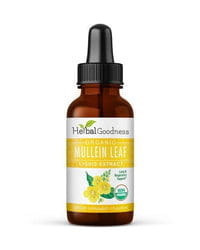
Cultivating a sense of curiosity and respect for both plant and place transforms the search for mullein leaf into a rewarding experience. Whether you’re brewing Mullein Leaf Tea or exploring the benefits of mullein leaf liquid extracts, sourcing responsibly can help support wellness, respiratory health, and community connection for seasons to come.
FAQs:
- What is mullein leaf and why do people seek it?
Mullein leaf comes from the Verbascum thapsus plant and is valued in various herbal traditions. People often use it for teas or as part of folk remedies. Its soft texture and mild flavor make it popular among herb enthusiasts.
- When is the best time to find fresh mullein leaf?
The ideal time to harvest or purchase fresh mullein leaf is from late spring to late summer, before the tall flower stalk is fully mature. During this window, leaves are tender and vibrant.
- How can I tell if mullein leaf is good quality?
Look for pale green, velvety leaves with no visible mold, spots, or off smells. Dried leaves should be pliable but not crumbly or musty. Quality mullein also has a gentle, earthy aroma.
- Is foraging mullein legal everywhere?
Foraging regulations depend on location. Always check local rules for parks, public lands, and private properties. Some areas have restrictions or require permission before harvesting wild plants.
- What questions should I ask when buying mullein leaf from a market or herbalist?
Ask about how and where the mullein was sourced, when it was harvested, and how it was dried and stored. Inquiring about sourcing practices helps ensure freshness and ethical harvesting.
- Can I find dried mullein leaf year-round?
Yes, many herbalists, co-ops, and markets stock dried mullein leaf throughout the year. Bulk herb sections often carry mullein even when fresh options are out of season.
- Are there risks to wild harvesting mullein?
Risks include misidentifying plants, harvesting from polluted areas, or depleting wild populations. Learn plant ID, avoid suspect sites, and always harvest responsibly to minimize risk.
Author Name:
Herbal Goodness Editorial Team
Author Bio:
The Herbal Goodness Editorial Team specializes in holistic health and superfoods, blending science and nature to educate and empower our community.
References:
Introducing Graviola to Young Taste Buds: Fun, Family-Friendly Flavor Exploration
Graviola in the Classroom and at Home: Creative Activities to Teach Kids About Tropical Plants